
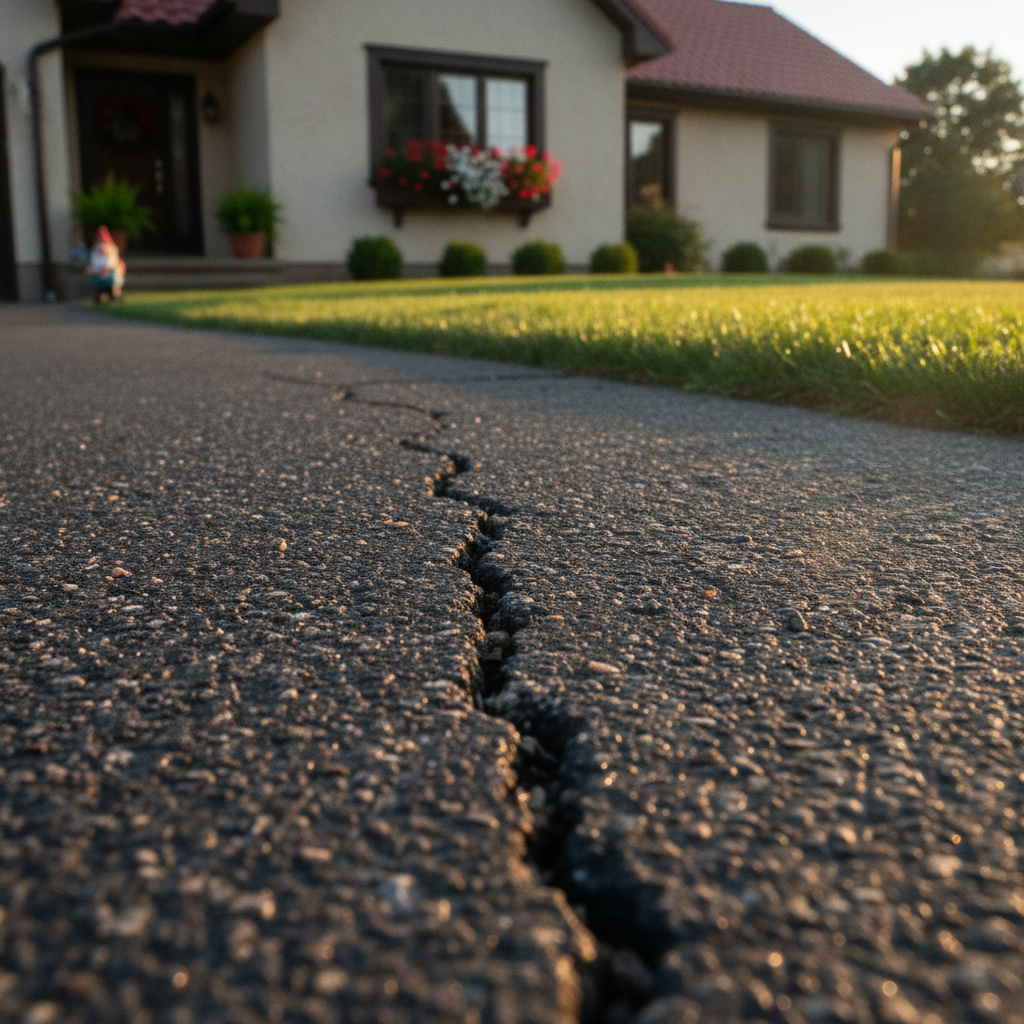
Small cracks in asphalt might seem harmless at first, but they can quickly turn into major headaches for property owners and businesses. Whether you manage a busy parking lot or own a storefront, understanding why small asphalt cracks become bigger problems is essential for maintaining your investment. In the region, unpredictable weather, heavy traffic, and the freeze-thaw cycle all contribute to the rapid deterioration of pavement. Ignoring early signs of damage often leads to more expensive repairs down the road. With Asphalt Repair Lodi NJ services readily available, addressing these issues early can save you time, money, and stress. In this article, we’ll explore the science behind crack growth, the hidden risks of neglect, and practical strategies for keeping your pavement in top shape. By the end, you’ll know exactly why those tiny cracks deserve your attention and how to protect your property for the long haul.
How Small Cracks Form in Asphalt Surfaces
Asphalt is designed to be durable, but even the best installations are susceptible to minor cracks over time. These cracks often start due to a combination of environmental factors and everyday wear. Temperature fluctuations cause the pavement to expand and contract, while rainwater, snow, and ice seep into tiny openings. As vehicles drive over these areas, the pressure can widen the cracks further. Even something as simple as tree roots growing underneath the surface can create stress that leads to cracking. While these initial cracks may seem insignificant, they are the first sign that the pavement’s protective barrier has been compromised. Addressing these early issues is critical. For more information on residential paving solutions, visit our site to see how professionals can help.
Why Water Is the Enemy of Asphalt
Water infiltration is one of the leading causes of asphalt deterioration. When water enters even the smallest crack, it can undermine the base layer beneath the pavement. During colder months, this water freezes and expands, forcing the crack to widen and deepening the damage. Over time, repeated cycles of freezing and thawing can turn a hairline fracture into a pothole. Even in warmer months, standing water accelerates the breakdown of asphalt’s binding agents, making the surface brittle and more susceptible to further cracking. Regular asphalt maintenance is essential to prevent water from causing costly repairs and safety hazards on your property.
The Freeze-Thaw Cycle and Its Impact on Pavement
The freeze-thaw cycle is a major culprit behind the rapid expansion of small asphalt cracks. When temperatures drop, any moisture trapped inside cracks freezes and expands, putting pressure on the surrounding pavement. As temperatures rise, the ice melts, leaving voids that weaken the structure. This repeated process widens cracks and can even cause chunks of asphalt to break loose. In areas with fluctuating winter temperatures, the cycle can repeat dozens of times each season, compounding the damage. Property owners in this community should be particularly vigilant during late fall and early spring, when freeze-thaw cycles are most frequent. If you suspect your pavement is at risk, consider reaching out to an Asphalt Repair Company in Lodi, NJ for an expert assessment.
Traffic Loads and Everyday Wear
Heavy vehicles, frequent deliveries, and constant foot traffic all contribute to the stress placed on asphalt surfaces. Over time, these loads can cause small cracks to widen and deepen, especially if the underlying base is already compromised by water or age. Businesses with high-traffic lots, such as retail centers and office complexes, are especially vulnerable. The constant movement grinds away at the edges of existing cracks, making it easier for debris and moisture to penetrate. To learn more about how proper grading and construction can help prevent these issues, check out How Proper Grading Protects Residential Asphalt Paving in Lodi, NJ.
How Seasonal Changes Accelerate Crack Growth
Seasonal shifts bring a host of challenges for asphalt surfaces. In spring, melting snow and increased rainfall saturate the ground, making it easier for water to seep into cracks. Summer heat can soften the asphalt, causing it to become more pliable and susceptible to deformation under heavy loads. Autumn brings falling leaves and debris, which can clog drainage systems and trap moisture on the surface. Each season has its own set of risks, and together they create a cycle that accelerates the growth of small cracks into larger, more costly problems. For a deeper look at these patterns, see Seasonal Asphalt Damage Patterns Every Lodi, NJ Property Owner Should Watch.
Hidden Risks of Ignoring Early Asphalt Cracks
Ignoring small cracks in your pavement can lead to a cascade of problems that go far beyond surface appearance. As cracks widen, they allow more water and debris to infiltrate, weakening the base and sub-base layers. This can result in uneven surfaces, trip hazards, and even structural failures. For businesses, these issues can translate into liability risks and potential lawsuits if someone is injured. Additionally, neglected pavement can deter customers and tenants, impacting your property’s value and reputation. The cost of repairing a small crack is minimal compared to the expense and disruption of a full-depth repair or replacement. Early intervention is always the smarter, more economical choice.
Comparing Repair Methods for Small and Large Cracks
Not all cracks are created equal, and the repair approach will depend on the size and severity of the damage. Small, hairline cracks can often be sealed with a flexible, rubberized compound that prevents water infiltration. Larger cracks may require routing and filling, or even partial removal and replacement of the affected area. The table below compares common repair methods for different crack sizes, helping property owners choose the right solution for their needs.
| Crack Size | Recommended Repair | Estimated Longevity |
|---|---|---|
| Hairline (<1/8 inch) | Crack sealing | 2-4 years |
| Small (1/8–1/4 inch) | Routing and filling | 3-5 years |
| Medium (1/4–1/2 inch) | Partial depth patch | 5-7 years |
| Large (>1/2 inch or potholes) | Full-depth repair | 7+ years |
How Proactive Maintenance Saves Money
Routine inspections and timely repairs are the best ways to prevent small cracks from escalating into major problems. By catching issues early, property owners can avoid expensive structural repairs and extend the lifespan of their pavement. Proactive maintenance also minimizes disruptions to business operations, as smaller repairs can often be completed quickly and with less inconvenience. Investing in regular sealing, cleaning, and drainage management can pay off significantly in the long run. Not only does this approach save money, but it also helps maintain a professional appearance and ensures the safety of everyone who uses your property.
The Role of Professional Inspections
Professional inspections are a crucial part of effective pavement management. Experts can spot early warning signs that might go unnoticed by the untrained eye, such as subtle depressions, minor surface raveling, or hidden drainage issues. These inspections often include detailed assessments of the surface and base layers, recommendations for immediate repairs, and a maintenance plan tailored to your property’s needs. Scheduling regular evaluations helps property owners stay ahead of problems and budget for necessary work before it becomes urgent. Partnering with a trusted local contractor ensures that your pavement receives the attention it deserves year-round.
Common Mistakes That Worsen Asphalt Damage
Many property owners unintentionally make mistakes that accelerate the deterioration of their asphalt. Delaying repairs, using low-quality patching materials, or attempting DIY fixes without proper equipment can all make the situation worse. Neglecting routine cleaning allows debris and standing water to remain on the surface, which further weakens the pavement. Overloading areas with heavy vehicles or failing to address drainage problems also contribute to premature failure. Avoiding these common pitfalls is key to preserving your investment and avoiding unnecessary expenses in the future.
When to Call in the Experts
Knowing when to seek professional help can make all the difference in managing asphalt cracks effectively. If you notice cracks that are widening, spreading, or accompanied by surface sinking, it’s time to contact a paving expert. Additionally, if you see signs of water pooling, loose aggregate, or uneven surfaces, professional intervention is recommended. An experienced contractor can diagnose the root cause of the problem and recommend the most effective repair solution. Acting promptly not only protects your property but also ensures compliance with local safety standards and minimizes liability risks.
The Bottom Line
Small asphalt cracks are more than just a cosmetic concern, they are the first warning signs of deeper issues that can compromise the integrity of your pavement. By understanding the causes and consequences of crack growth, property owners in the area can take proactive steps to protect their investments. Regular inspections, timely repairs, and a commitment to ongoing maintenance are the keys to preventing minor issues from escalating into major, costly problems. Don’t wait for small cracks to become big headaches. Address them early, work with trusted professionals, and keep your property looking its best for years to come.
One Response