
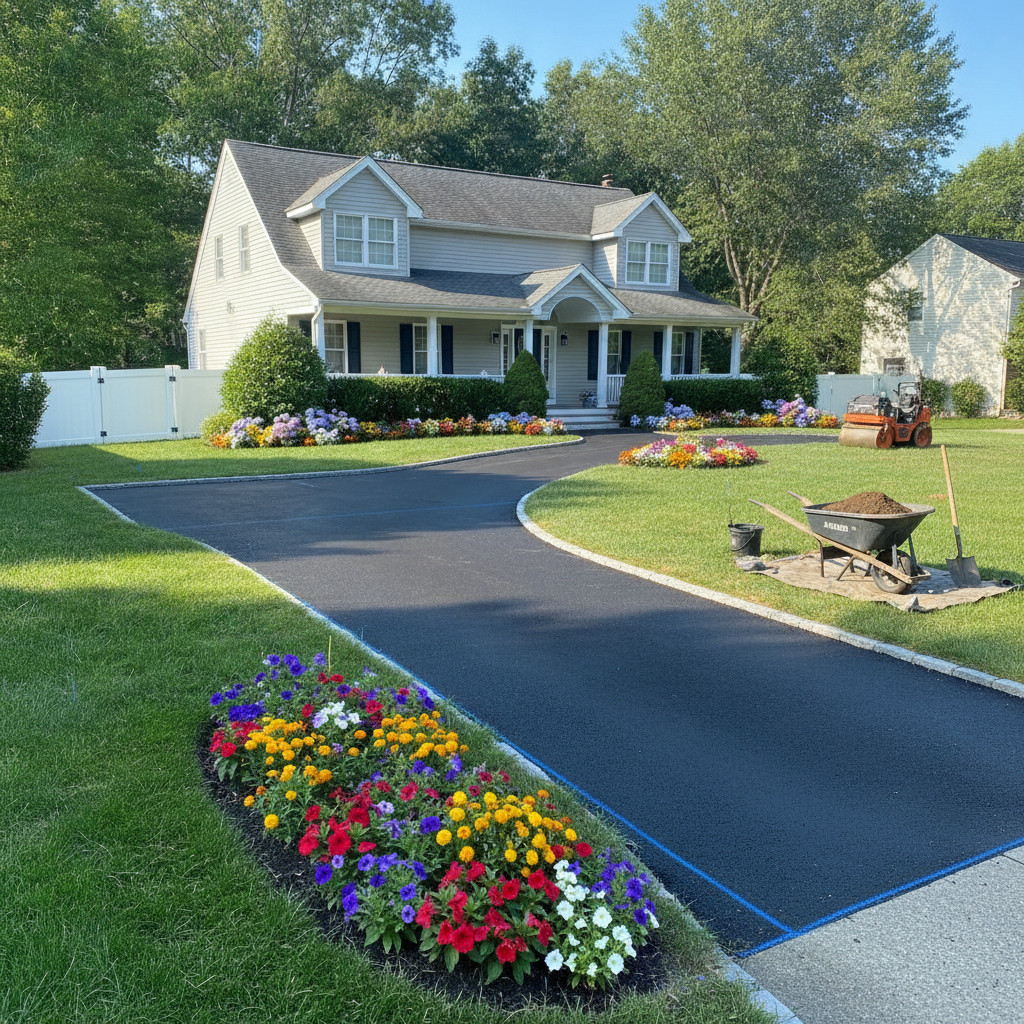
Planning a new asphalt driveway is one of the most rewarding upgrades you can make to your property. Whether you’re a homeowner, a small business owner, or a developer looking to boost curb appeal, the right approach to residential asphalt paving in Lodi NJ can make all the difference. A well-designed driveway not only enhances the look of your home but also improves daily convenience, safety, and long-term value. Before you break ground, it’s essential to think through every aspect of your driveway’s layout, from how it will fit your lot to how it will handle traffic, water, and changing seasons. In this guide, we’ll walk you through the key steps and considerations for planning a new asphalt driveway layout that’s both beautiful and built to last. Whether you’re starting from scratch or replacing an old drive, these insights will help you avoid common pitfalls and achieve the results you want.
Assessing Your Property’s Unique Needs
Every property is different, and the first step in planning a new driveway is understanding your specific requirements. Start by evaluating the size and shape of your lot, the location of your home, and any existing landscaping or structures that might influence your options. Consider how many vehicles you need to accommodate, whether you require extra space for guests, and if you want room for recreational activities or future expansion. By assessing these factors early, you can create a layout that fits your lifestyle and maximizes your property’s potential. If you’re unsure how to begin, consulting with a local paving specialist can provide valuable insights into what works best for your situation. For more on this process, check out Lodi NJ asphalt driveway paving.
Designing for Functionality and Flow
A great driveway layout is about more than just looks, it should make everyday life easier. Think about how you enter and exit your property, where cars will park, and how people will move between the driveway and the house. Curved or circular driveways can add elegance and make turning around easier, while straight layouts often maximize parking space. Don’t forget to factor in walkways, lighting, and access for deliveries or emergency vehicles. By prioritizing functionality, you’ll ensure your driveway is as practical as it is attractive. For businesses or multi-use properties, consider how the layout will impact customer or tenant access. For a broader perspective, see Residential Asphalt Paving Lodi NJ.
Evaluating Soil, Drainage, and Grading
The long-term performance of your asphalt driveway depends heavily on what’s beneath the surface. Soil type, drainage patterns, and grading all play crucial roles in preventing cracks, potholes, and water damage. Before any paving begins, have your soil tested to determine if it needs to be stabilized or replaced. Proper grading ensures water flows away from your home and doesn’t pool on the driveway. Adding features like swales or French drains can help manage runoff, especially in areas prone to heavy rain. Addressing these technical details early will save you from costly repairs down the road. For expert help with these challenges, look into an Asphalt Repair Company in Lodi, NJ.
Choosing the Right Asphalt Thickness and Materials
Not all asphalt driveways are created equal. The thickness of the asphalt layer and the quality of materials used will determine how well your driveway stands up to daily use and the elements. Residential driveways typically require a different mix and depth than commercial lots, but if you expect heavy vehicles or frequent traffic, you may need to upgrade. Discuss your needs with your contractor to ensure the right materials are specified for your project. Investing in quality from the start can prevent premature wear and expensive fixes. For more on why material choices matter, see Why Small Asphalt Cracks Become Bigger Problems in Lodi, NJ.
Incorporating Accessibility and Safety Features
A well-planned driveway should be safe and accessible for everyone. Consider adding gentle slopes instead of steep inclines, especially if you or your visitors have mobility challenges. Clearly marked edges, non-slip surfaces, and good lighting can reduce the risk of accidents. If your project involves a business or multi-family residence, you may need to meet ADA guidelines for accessibility. Even for single-family homes, thoughtful design can make life easier for all ages and abilities. For ideas on how to meet accessibility standards, read Improving ADA Accessibility with Commercial Asphalt Paving in Lodi, NJ.
Blending Driveway Design with Landscaping
Your driveway is a major visual element, so it should complement your landscaping and home style. Consider how the edges of your driveway will meet lawns, gardens, or hardscaping. Adding borders with pavers or decorative stone can create a polished look and help contain gravel or mulch. Trees and shrubs can provide shade and privacy, but be mindful of root systems that might disrupt the pavement. Plan for irrigation and drainage so that plants thrive without undermining the driveway’s foundation. By integrating your driveway design with the surrounding landscape, you’ll create a seamless, inviting entry to your property.
Planning for Seasonal Changes and Weather
Local weather patterns play a big role in how your driveway will perform over time. In regions with freezing winters, proper installation and material selection are crucial to prevent cracking and heaving. Consider how snow removal will be handled and whether your layout allows for easy plowing or shoveling. In areas with heavy rain, ensure that water drains quickly and doesn’t pool on the surface. Using high-quality sealants can help protect against UV damage and temperature swings. By planning for the seasons, you’ll extend the life of your driveway and reduce maintenance headaches.
Permitting, Zoning, and Local Regulations
Before construction begins, check with your local municipality about permits and zoning requirements. Many communities have rules about driveway width, setbacks from property lines, and allowable materials. Some areas require permits for new installations or significant changes. Failing to comply can result in fines or the need to redo work. It’s also wise to check for underground utilities before digging. Working with a reputable contractor familiar with local codes can help you navigate the permitting process smoothly and avoid delays.
Budgeting and Cost Considerations
A new asphalt driveway is a significant investment, so it’s important to plan your budget carefully. Costs vary based on size, materials, site preparation, and design complexity. Don’t forget to factor in extras like lighting, drainage, or decorative borders. Ask for detailed estimates and clarify what’s included, some quotes may not cover excavation or disposal of old materials. While it can be tempting to cut corners, investing in quality construction pays off in fewer repairs and longer lifespan. Consider setting aside a contingency fund for unexpected issues that may arise during the project.
Comparing Asphalt Driveway Layout Options
| Layout Type | Key Features | Best For |
|---|---|---|
| Straight Driveway | Simple, maximizes parking, easy to clear snow | Narrow lots, traditional homes |
| Curved Driveway | Elegant appearance, softens landscape | Large lots, homes with gardens |
| Circular Driveway | Easy access, no backing out, grand entry | Wide lots, frequent guests |
| Y-Shaped Driveway | Multiple entry points, versatile | Corner lots, multi-family homes |
Choosing the right layout can impact not only how your driveway looks, but also how well it functions for your needs. Use the table above to compare common options and decide which suits your property best.
Working with Experienced Paving Contractors
A successful driveway project relies on the skills and expertise of your paving contractor. Look for professionals with a strong track record in residential asphalt paving in the area. Ask for references, review portfolios, and confirm that they are licensed and insured. A good contractor will help you navigate design choices, materials, and scheduling, as well as handle any unexpected challenges that arise. Communication is key, make sure you’re comfortable discussing your goals and concerns throughout the process. By partnering with the right team, you’ll achieve a driveway that meets your expectations for quality and durability.
The Road Ahead
Designing a new asphalt driveway is about more than just laying pavement. It’s an opportunity to enhance your property’s appearance, functionality, and value for years to come. By carefully considering your layout, materials, drainage, and accessibility, you set the stage for a smooth, trouble-free experience. Remember to account for local regulations, seasonal changes, and your family or business’s unique needs. Working with experienced professionals ensures that your vision becomes reality, with a driveway that’s built to last. As you move forward, take pride in knowing you’ve made a smart investment in your property’s future, and enjoy the benefits of a well-planned, beautiful new drive.
2 Responses