
Asphalt surfaces are a vital investment for small business owners, developers, and property managers in any community. But what happens beneath the surface can make or break the longevity of your pavement. Subsurface failure is a hidden threat that can undermine even the best-laid asphalt, leading to costly repairs and disruptions. If you’re searching for insights on Asphalt Repair Lodi NJ, understanding how to spot early signs of subsurface problems is crucial. In this guide, we’ll walk you through the telltale symptoms, what causes these hidden issues, and how to take action before your asphalt’s foundation gives way. Whether you manage a small parking lot or oversee multiple properties, learning to recognize subsurface failure can save you time, money, and headaches down the road.
What Subsurface Failure Really Means
Subsurface failure refers to the breakdown of the layers beneath your asphalt, not just the top surface. While surface cracks and potholes are visible, the real problem often starts below. The base and subgrade layers are designed to support the weight of vehicles and withstand the elements. When these layers become compromised, due to water infiltration, poor compaction, or inadequate materials, the asphalt above loses its support. This can result in depressions, alligator cracking, and premature deterioration. Recognizing this distinction is key, as surface repairs alone won’t address the root cause. For more information on residential paving solutions and how they address these underlying issues, visit our site.
Early Warning Signs Beneath the Surface
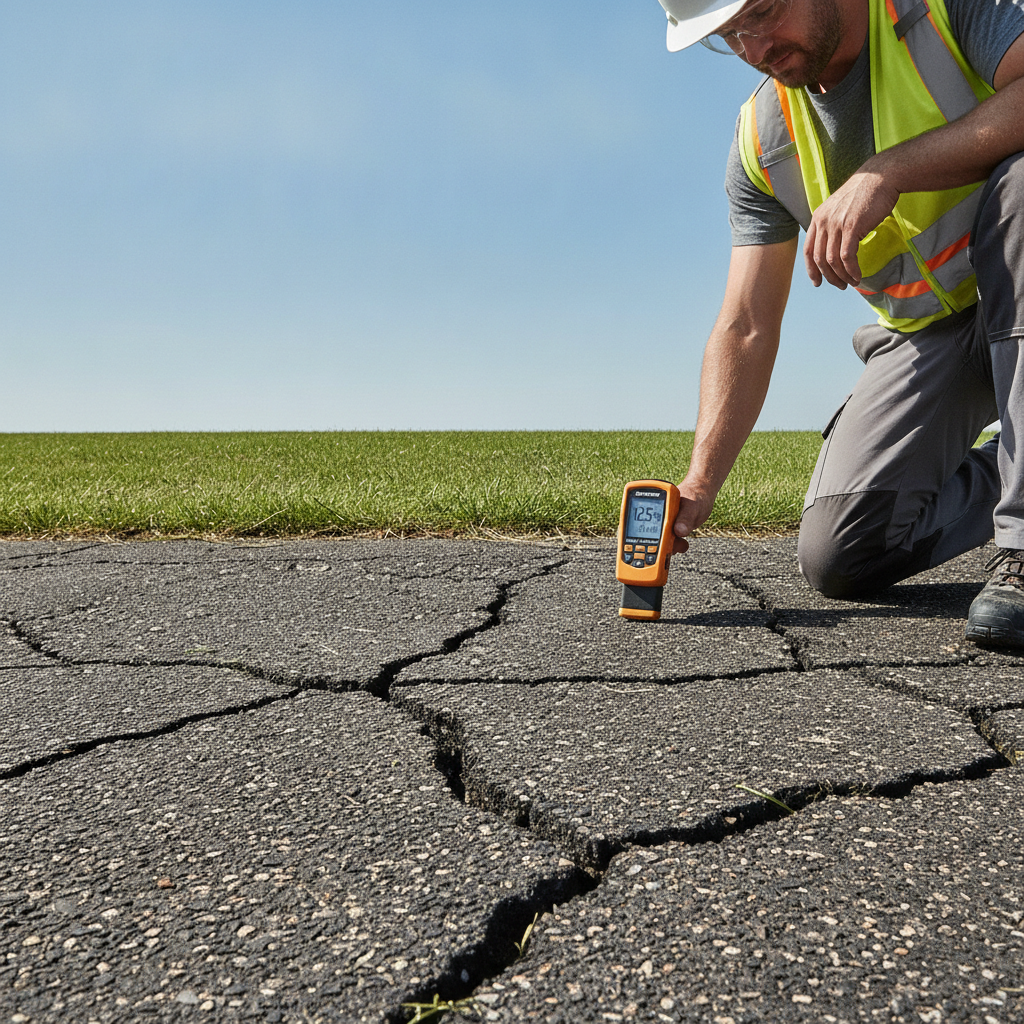
Detecting subsurface failure before it becomes a major problem requires a keen eye. Some of the first signs include subtle dips or waves in the pavement, which may go unnoticed until they worsen. You might also observe areas where water pools after rain, indicating that the base is no longer providing uniform support. Cracks that appear in a pattern, especially those resembling alligator skin, are classic indicators of structural issues below. If you notice these symptoms, it’s time to consider professional Asphalt Repair Lodi NJ services to assess and address the underlying causes before surface damage escalates.
Common Causes of Subsurface Problems
There are several reasons why the layers beneath your asphalt might fail. Poor site preparation is a leading culprit, if the subgrade isn’t properly compacted or contains organic material, it can shift or settle over time. Water infiltration is another major cause, as it weakens the base and washes away supporting materials. Heavy traffic, especially from large trucks, can accelerate wear on the base layers if they weren’t designed for such loads. Even the freeze-thaw cycles common in this region can expand and contract the ground, leading to instability. When these factors combine, they create the perfect storm for subsurface failure. If you suspect your property may be at risk, consulting an Asphalt Repair Company in Lodi, NJ can help you identify and resolve these issues before they worsen.
How Drainage Impacts Asphalt Longevity
Proper drainage is essential for maintaining the integrity of your asphalt. When water isn’t directed away from the pavement, it seeps into the base and subgrade, eroding support and causing the asphalt to settle or crack. Signs of poor drainage include standing water, clogged storm drains, or visible erosion along the edges. Addressing drainage issues early can prevent subsurface problems from developing. For those planning a new driveway or parking lot, incorporating effective drainage solutions from the start is vital. To learn more about designing a layout that promotes good drainage, check out How to Plan a New Asphalt Driveway Layout for Your Lodi, NJ Home.
Seasonal Factors That Affect Subsurface Stability
Weather plays a significant role in the health of your asphalt’s foundation. The freeze-thaw cycles in this area can cause the ground beneath your pavement to expand and contract, putting stress on the base layers. Heavy rainfall can also saturate the subgrade, especially if drainage is inadequate. In the warmer months, intense heat can soften asphalt, making it more susceptible to deformation if the base is weak. Scheduling repairs or new installations during optimal weather conditions can help ensure a stable foundation. For advice on timing your paving projects, see Best Time of Year for Residential Asphalt Paving in Lodi, NJ.
Visual Clues: What to Look for During Inspections
Routine inspections are your first line of defense against subsurface failure. Walk your property and look for uneven surfaces, new cracks, or areas where the pavement feels spongy underfoot. Pay attention to spots where vehicles consistently park or drive, as these are more prone to stress. If you notice patches that have sunk or shifted, this could indicate a problem below. Document any changes you observe over time, photographs can help track the progression of damage and support your case when consulting with paving professionals. Early detection is key to minimizing repair costs and preventing major disruptions to your property.
The Role of Soil and Subgrade Preparation
The long-term performance of your asphalt depends heavily on the quality of the soil and subgrade beneath it. Before any paving project, soil should be tested for stability and moisture content. Loose or organic soils may need to be removed or stabilized with additional materials. Proper compaction is critical, if the subgrade isn’t firm, it will settle over time, causing the asphalt above to crack and fail. Investing in thorough site preparation can prevent costly repairs down the line. If you’re unsure about the condition of your property’s subgrade, a professional assessment can provide valuable peace of mind and help you plan for future maintenance.
How Traffic Loads Influence Subsurface Health
The type and volume of traffic your asphalt endures directly impact its underlying structure. Parking lots and driveways that regularly support heavy trucks or delivery vehicles require a thicker, more robust base. If the original design did not account for these loads, the subgrade and base layers may compress or shift, leading to surface depressions and cracking. Monitoring traffic patterns and adjusting maintenance schedules accordingly can help mitigate these risks. For high-traffic areas, consider reinforcing the base during future repairs or upgrades to enhance durability and prevent subsurface issues from recurring.
Professional Assessment Techniques for Hidden Damage
While visual inspections are important, some subsurface failures are invisible to the naked eye. Professionals use advanced tools like ground-penetrating radar, core sampling, and dynamic cone penetrometers to assess the health of the layers beneath your asphalt. These methods provide detailed information about compaction, moisture levels, and material integrity. By identifying weaknesses early, you can address them before they escalate into major repairs. If you’re considering a significant paving investment or have concerns about your current pavement, scheduling a professional assessment is a wise step toward protecting your property’s value.
Comparing Repair Options for Subsurface Failure
When subsurface failure is detected, there are several repair strategies to consider. Minor issues may be addressed with localized patching and base reinforcement, while more severe failures could require full-depth reclamation or complete reconstruction. The choice depends on the extent of the damage, your budget, and the long-term goals for your property. Working with experienced paving professionals ensures that repairs target the root cause and not just the symptoms. Investing in the right solution now can prevent repeated problems and extend the lifespan of your asphalt surface.
| Sign | Possible Cause | Suggested Action |
|---|---|---|
| Surface depressions | Base layer settlement | Assess and reinforce base |
| Alligator cracking | Subgrade instability | Core sampling and targeted repair |
| Standing water | Poor drainage | Improve grading and drainage |
| Edge erosion | Water infiltration | Seal edges and enhance runoff |
| Soft spots | Inadequate compaction | Excavate and recompact base |
Final Thoughts
Protecting your asphalt investment starts with understanding what’s happening below the surface. Subsurface failure is a silent threat, but with regular inspections, attention to drainage, and a proactive approach to maintenance, you can spot early warning signs before they become major headaches. Whether you’re a business owner, developer, or property manager in this community, staying vigilant and partnering with experienced paving professionals will help you avoid costly repairs and extend the lifespan of your pavement. Don’t wait for visible damage to appear, take action today to ensure your asphalt remains strong, safe, and reliable for years to come.