
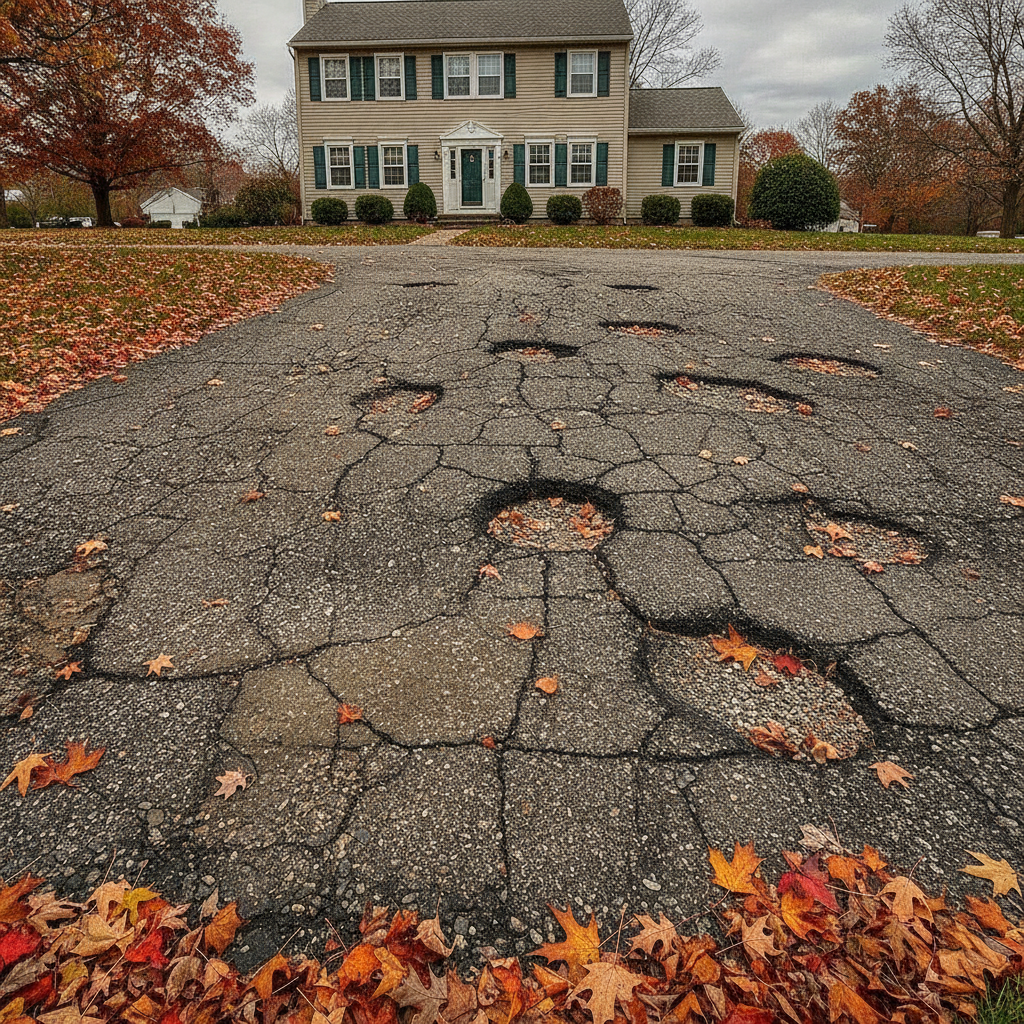
Every property owner knows that asphalt surfaces are an investment, but few realize just how much the changing seasons can impact their pavement. Whether you manage a small business parking lot, oversee a development project, or simply care for your own driveway, understanding seasonal asphalt damage patterns is key to protecting your property and budget. Issues like cracking, potholes, and surface wear don’t appear overnight, they’re the result of months of weather cycles and overlooked maintenance. If you’re searching for reliable asphalt repair Lodi NJ solutions, it’s crucial to recognize how local climate factors play a role in asphalt deterioration. In this guide, we’ll explore the most common seasonal damage patterns, what causes them, and how you can stay ahead of costly repairs in this community.
How Winter Weather Sets the Stage for Asphalt Issues
Winter is often the harshest season for asphalt surfaces. Freeze-thaw cycles are notorious for causing cracks and potholes, as water seeps into small openings, freezes, and expands. This repeated movement stresses the pavement, leading to visible damage by early spring. Snow removal methods, such as plowing and salting, can also scrape and erode the surface, especially if the asphalt is already weakened. In the area, property owners often notice new cracks and loose aggregate after a particularly snowy winter. By understanding these patterns, you can plan for inspections and timely repairs before minor issues become major hazards. For those seeking Lodi NJ asphalt repair services, addressing winter damage promptly is essential to extend the lifespan of your pavement.
Spring Thaw and Water-Related Damage
As temperatures rise and snow melts, spring introduces its own set of challenges for asphalt surfaces. Excess water from melting snow and seasonal rains can infiltrate cracks and joints, softening the base beneath the pavement. This often leads to depressions, surface raveling, and the formation of potholes. In addition, clogged drains and poor grading can worsen water pooling, accelerating deterioration. Regular inspections during spring are vital for spotting early signs of trouble. Applying sealant or patching small cracks now can prevent more extensive repairs later. For business owners and developers, following asphalt maintenance tips tailored for spring can help keep your property safe and attractive as the weather warms.
Summer Heat and Surface Softening
Summer brings high temperatures and intense sunlight, which can soften asphalt and make it more susceptible to rutting and surface deformation. Heavy vehicle traffic during this season can leave permanent marks, especially on lots and driveways that lack adequate compaction. UV rays also cause asphalt binders to oxidize, leading to fading and brittleness over time. It’s not uncommon for property owners in the region to notice their once-smooth pavement developing soft spots or minor dips during the hottest months. Proactive measures, such as applying a UV-resistant sealcoat and limiting heavy loads during peak heat, can help. Consulting an Asphalt Repair Company in Lodi, NJ about summer-specific maintenance can prevent these issues from escalating into costly repairs.
How Fall Leaves and Debris Accelerate Surface Wear
Autumn may seem mild, but falling leaves and organic debris can contribute to asphalt deterioration if left unchecked. When leaves accumulate on pavement, they trap moisture against the surface, which can seep into micro-cracks and promote mold or algae growth. This not only makes the surface slippery but also weakens the asphalt over time. Regular sweeping and prompt removal of debris are essential maintenance steps during the fall. Additionally, fluctuating temperatures in autumn can cause minor expansion and contraction, subtly widening existing cracks. For those preparing for the colder months ahead, understanding What to Expect During a Commercial Asphalt Paving Project in Lodi, NJ can help you schedule necessary repairs before winter sets in.
Drainage Challenges Unique to This Region
Drainage is a year-round concern for asphalt surfaces, but it becomes especially critical during heavy rains and spring thaws. Inadequate drainage allows water to pool on the pavement, leading to rapid deterioration of both the surface and the underlying base. This is particularly problematic in areas with compacted soil or older infrastructure. Property owners may notice persistent puddles or channels forming after storms, which are warning signs that repairs or upgrades are needed. Addressing these issues promptly can prevent more severe structural failures. For a deeper understanding of how drainage impacts asphalt, explore Why Drainage Problems Cause Asphalt Failure in Lodi, NJ and How Repairs Address Them for practical solutions tailored to local conditions.
Recognizing Early Warning Signs Before Major Damage
Spotting the first signs of asphalt distress can save property owners significant time and expense. Look for small cracks, surface discoloration, or areas where the pavement feels soft underfoot. These early indicators often precede more serious problems like potholes or base failure. Regular walk-throughs, especially after storms or dramatic temperature shifts, help catch issues before they worsen. Documenting changes with photos can also assist professionals in diagnosing the cause and recommending targeted repairs. By acting quickly, you can extend the life of your pavement and avoid disruptive, large-scale projects. Staying vigilant throughout the year ensures your property remains safe and visually appealing for visitors and customers alike.
How Traffic Patterns Influence Asphalt Deterioration
The way vehicles move and park on your property has a direct impact on the wear and tear experienced by asphalt surfaces. High-traffic areas, such as entryways and loading zones, are more likely to develop ruts, cracks, and surface fatigue. Repeated turning and braking can also stress the pavement, especially when combined with seasonal temperature swings. Property owners should monitor these zones for early signs of damage and consider reinforcing them with thicker asphalt or additional support. Adjusting traffic flow, using signage, or rotating parking areas can help distribute the load more evenly and reduce concentrated wear. Understanding your property’s unique traffic patterns allows for smarter maintenance planning and longer-lasting pavement.
The Role of Preventive Maintenance Throughout the Year
Preventive maintenance is the most effective way to manage seasonal asphalt damage. This includes regular cleaning, crack sealing, sealcoating, and timely repairs. Scheduling these tasks according to the season ensures your pavement is prepared for the challenges ahead. For instance, sealing cracks in the fall prevents water infiltration during winter, while a spring inspection can identify damage caused by snow and ice. Partnering with experienced professionals for annual maintenance can help you develop a customized plan based on your property’s needs. Investing in preventive care not only saves money in the long run but also keeps your pavement looking its best year-round.
Comparing Seasonal Damage Patterns
| Season | Common Damage | Key Causes |
|---|---|---|
| Winter | Cracks, potholes | Freeze-thaw cycles, snow removal |
| Spring | Depressions, raveling | Water infiltration, poor drainage |
| Summer | Rutting, soft spots | Heat, UV exposure, heavy loads |
| Fall | Surface wear, slippery areas | Leaf debris, moisture, temperature swings |
Selecting the Right Repair Timing for Maximum Benefit
Timing is everything when it comes to asphalt repairs. Addressing damage at the right moment can prevent further deterioration and reduce overall costs. For example, crack sealing is most effective in the fall, while pothole repairs are best tackled in late spring or early summer when temperatures are moderate. Scheduling major projects during dry weather ensures better adhesion and curing of repair materials. Property owners should also factor in business cycles and traffic patterns to minimize disruption. Consulting with local experts helps you plan repairs that fit your schedule and budget, ensuring your pavement remains in top condition throughout the year.
How Professional Assessments Can Prevent Surprises
While regular visual inspections are valuable, nothing replaces a professional assessment. Asphalt specialists use advanced tools and techniques to detect subsurface issues, drainage problems, and early signs of structural failure. These evaluations often reveal hidden vulnerabilities that might otherwise go unnoticed until major damage occurs. Scheduling annual or semi-annual assessments allows property owners to budget for repairs and prioritize maintenance tasks. Professional guidance ensures that your pavement receives the right treatments at the right time, helping you avoid unexpected expenses and extend the life of your investment.
Key Takeaways
Understanding the unique seasonal damage patterns that affect asphalt in this city is essential for every property owner, whether you manage a commercial lot or a residential driveway. Winter’s freeze-thaw cycles, spring’s water infiltration, summer’s heat, and fall’s debris all play a role in the long-term health of your pavement. By recognizing early warning signs, addressing drainage issues, and scheduling timely repairs, you can protect your investment and maintain curb appeal. Preventive maintenance, combined with professional assessments, is your best defense against costly surprises. Stay proactive, stay informed, and your asphalt will serve you well through every season.
One Response