
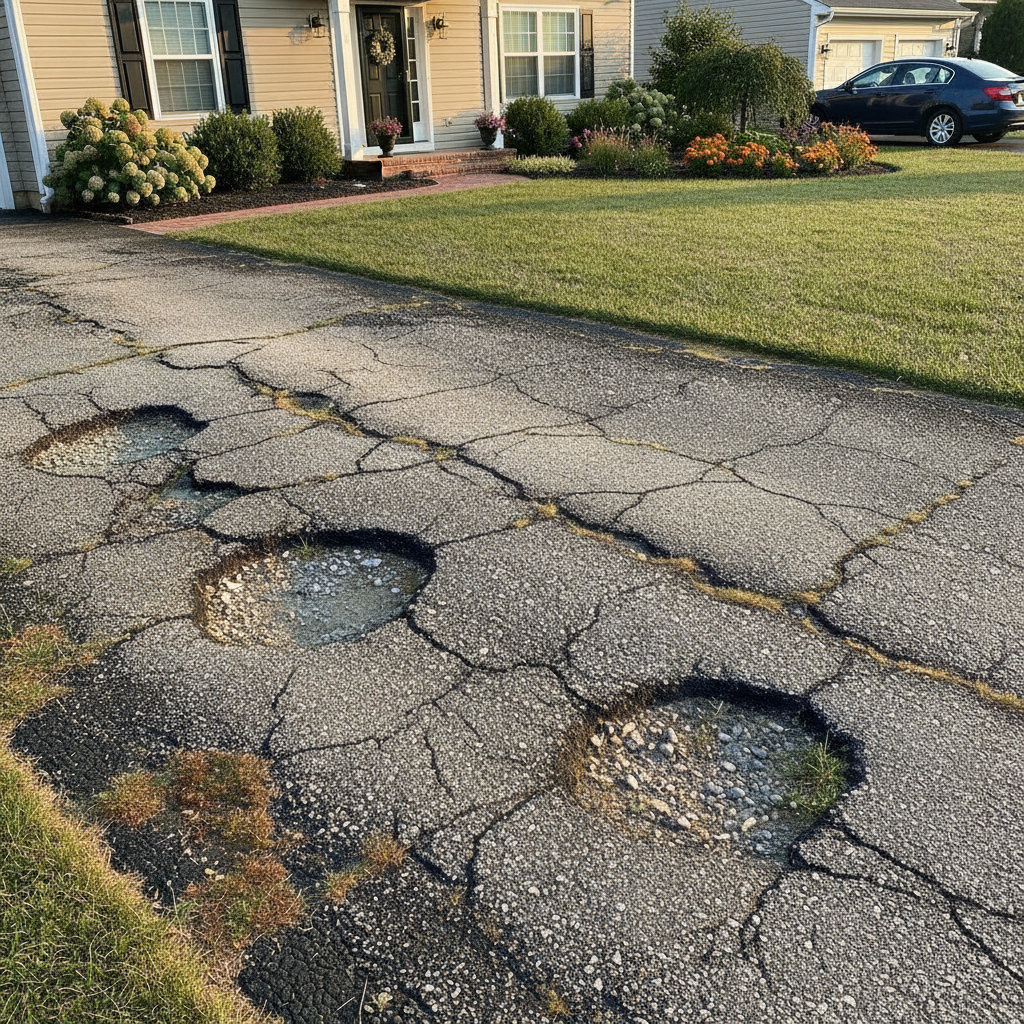
If you’re a property owner, developer, or small business in the area, your driveway is more than just a place to park, it’s the first thing people see when they arrive at your property. Over time, even the best asphalt driveways start to show their age. Cracks, fading, and drainage issues can all signal that it’s time for a change. But how do you know when repairs are no longer enough and it’s time to consider a full replacement? Recognizing the key warning signs early can save you money, prevent safety hazards, and keep your property looking its best. In this guide, we’ll break down the seven most common indicators that your driveway may need a complete overhaul, with a special focus on residential asphalt paving Lodi NJ property owners trust. Whether you’re dealing with potholes, drainage issues, or widespread crumbling, understanding these signs will help you make an informed decision about your next steps.
Widespread Cracking and Alligator Patterns
One of the most obvious signs that your driveway is reaching the end of its lifespan is the appearance of extensive cracking, especially the kind known as “alligator cracking.” This pattern looks like the scales on an alligator’s back, with interconnected cracks forming over a large area. While small, isolated cracks can often be repaired, widespread cracking indicates that the underlying base has likely been compromised. This makes patching ineffective, as new cracks will continue to form. When you see these patterns developing, it’s a clear signal that the structure of your driveway is failing and a full replacement is likely needed. For those considering Parkway Paving LLC, addressing these issues early can help restore both the safety and appearance of your property.
Recurring Potholes and Surface Depressions
Potholes are more than just a nuisance, they’re a sign that your driveway’s foundation is deteriorating. When you notice potholes returning even after repairs, it’s a red flag that patching is no longer effective. These depressions form when water seeps into the asphalt, freezes, and expands, breaking apart the surface. Over time, repeated cycles of freezing and thawing weaken the base, causing the asphalt to collapse. If your driveway is riddled with potholes or sunken areas, it’s time to consider a full replacement. Investing in Asphalt Driveway Replacement Lodi NJ services ensures a stable, long-lasting surface that can withstand the elements and heavy use.
Drainage Issues and Persistent Standing Water
Proper drainage is essential for the longevity of any asphalt driveway. When water pools on the surface or near the edges after rain, it can quickly erode the asphalt and underlying base. Persistent standing water is often a sign of poor grading or a failing foundation. Over time, this moisture accelerates cracking, pothole formation, and even undermines the soil beneath the driveway. If you notice that puddles remain long after a storm, or if water consistently flows toward your home or garage, it’s time to take action. Consulting an Asphalt Repair Company in Lodi, NJ can help you assess whether your drainage issues require a complete driveway replacement or targeted repairs to restore proper water flow and protect your investment.
Seasonal Damage Patterns and Weathering
Driveways in this region experience a wide range of temperatures and weather conditions, from freezing winters to hot, humid summers. These seasonal changes can take a toll on your asphalt, causing it to expand, contract, and eventually break down. Repeated exposure to ice, snow, and road salt can accelerate surface wear, while UV rays from the sun cause fading and brittleness. If you notice that your driveway looks significantly worse after each winter or summer, with new cracks, crumbling edges, or faded patches, it’s a sign that the material is losing its integrity. For more insights, check out Seasonal Asphalt Damage Patterns Every Lodi, NJ Property Owner Should Watch to better understand how the climate impacts your pavement and when replacement becomes the best solution.
Loss of Curb Appeal and Fading Color
A driveway’s appearance plays a significant role in your property’s overall curb appeal. Over time, exposure to sunlight, oil spills, and weather causes asphalt to lose its rich, black color, turning it gray and dull. While sealcoating can temporarily restore some vibrancy, excessive fading often means the surface layer is oxidized and weakened. If your driveway looks patchy, stained, or uneven despite regular maintenance, it may be time to consider a full replacement. Choosing the right materials and techniques, like those discussed in Choosing the Right Asphalt Mix for Commercial Parking Lots in Lodi, NJ, can ensure your new driveway not only looks great but also stands up to years of use.
Edge Deterioration and Crumbling Borders
The edges of your driveway are especially vulnerable to damage, as they often lack the support provided by adjacent landscaping or curbs. Over time, you may notice the borders starting to crumble, break away, or develop deep cracks. This type of deterioration not only looks unsightly but also allows water to penetrate beneath the surface, accelerating further damage. Crumbling edges can also pose a safety risk for vehicles and pedestrians. If you see significant breakdown along the borders, it’s usually a sign that the base has failed and spot repairs won’t be enough. Replacing the driveway and reinforcing the edges with proper grading and support can prevent future issues and maintain a clean, finished look.
Frequent Repairs With Diminishing Results
If you find yourself scheduling patching, crack filling, or sealcoating every year, but the problems keep coming back, it’s a clear sign that your driveway has reached the end of its useful life. While regular maintenance can extend the lifespan of asphalt, there comes a point when repairs are no longer cost-effective. Each new patch or overlay only provides a temporary fix, and the underlying issues continue to worsen. When maintenance costs start to rival or exceed the price of a new installation, replacement is the smarter long-term investment. A new driveway will eliminate recurring headaches and provide a fresh, durable surface for years to come.
Safety Hazards for Vehicles and Pedestrians
Damaged driveways aren’t just an eyesore, they can also create safety risks for anyone using your property. Deep cracks, potholes, and uneven surfaces can cause trips, falls, or damage to vehicles. For families, businesses, or anyone with frequent visitors, these hazards can lead to liability concerns and costly accidents. If you notice that people are avoiding certain areas of your driveway or if you’ve experienced close calls or minor accidents, it’s time to take action. Replacing the driveway ensures a smooth, even surface that’s safe for everyone, reducing your risk and improving daily convenience.
Driveway Age and Expected Lifespan
Even with excellent care, every asphalt driveway has a finite lifespan. Most residential asphalt driveways last between 15 and 25 years, depending on factors like installation quality, climate, and maintenance. If your driveway is approaching or has surpassed this age range, it’s wise to start planning for replacement, even if it still looks serviceable. Older driveways are more susceptible to sudden failures and may not meet the needs of modern vehicles or increased traffic. Proactively replacing an aging driveway can help you avoid emergency repairs and ensure your property remains functional and attractive for years to come.
Comparing Repair vs Replacement: What to Consider
Deciding between repairing and replacing your driveway involves weighing several factors, including cost, longevity, and overall condition. While repairs are suitable for minor cracks or isolated damage, widespread issues often signal the need for a full replacement. Consider the age of your driveway, the frequency of repairs, and the extent of visible damage. Consulting with a local paving expert can provide a clear assessment and help you make the best choice for your property. Below is a table summarizing key differences between repair and replacement to help guide your decision.
| Criteria | Repair | Replacement |
|---|---|---|
| Cost | Lower upfront | Higher upfront |
| Longevity | Short-term solution | Long-term durability |
| Best For | Minor, localized issues | Widespread or structural damage |
| Aesthetic Improvement | Limited | Significant |
| Disruption | Minimal | More extensive |
The Bottom Line
Recognizing when it’s time to replace your driveway is essential for maintaining the value, safety, and appearance of your property. From widespread cracking and recurring potholes to persistent drainage issues and fading color, each sign points to underlying problems that repairs alone can’t fix. By staying proactive and addressing these warning signals early, you can avoid bigger expenses down the road and ensure your property always makes a strong first impression. Whether you’re a homeowner, business owner, or developer, investing in a high-quality replacement with a trusted local paving team can deliver long-term benefits and peace of mind. Take the time to assess your driveway’s condition, weigh your options, and choose the solution that best fits your needs, your property, your visitors, and your investment will thank you.