
Pothole vs. Crack Repair in Lodi, NJ: Choosing the Right Fix for Your Surface
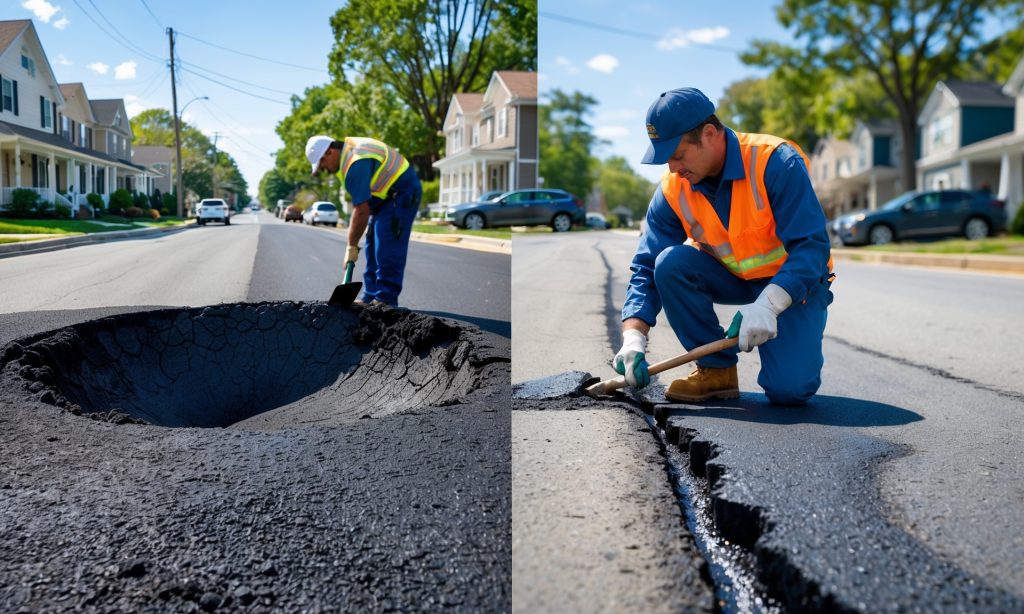
If you’re a business owner or developer in the area, you know how critical a smooth, safe surface is for your property’s curb appeal and daily operations. When asphalt begins to show signs of wear, the decision between pothole repair and crack repair can feel overwhelming. The right choice can save you money, prevent bigger […]
Emergency Asphalt Repair in Lodi, NJ: Fast Solutions for Sudden Surface Failures
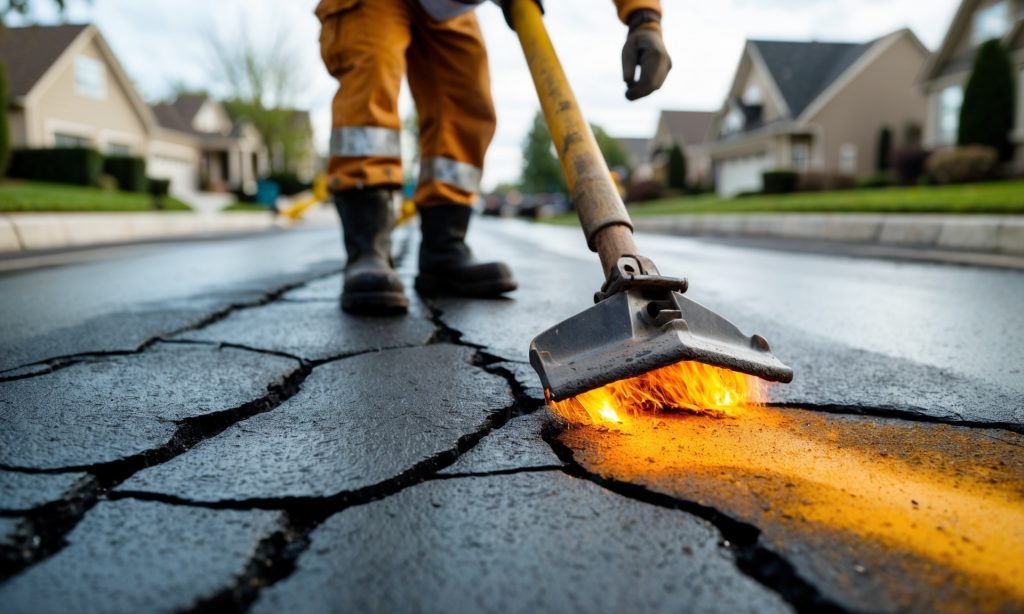
Sudden asphalt failures can strike at the worst possible moments, bringing business operations and daily routines to a grinding halt. Whether it’s a pothole that appears overnight in a busy parking lot or a deep crack that threatens the safety of your customers and vehicles, emergency repairs are a reality for property owners and managers […]
Fixing Vs Replacing: 3 Essential Paving Tips

Scan the surface methodically: photograph, mark boundaries, note moisture paths, probe for hollow sounds, and map patterns (alligator, rutting, spalling, joint loss). Match fixes to distress: seal hairline cracks, mill-and-fill raveling, or patch isolated potholes; choose full‑depth replacement for structural failures, pumping, widespread settlement, or poor drainage. Time work for weather and use: asphalt in […]
Why Proper Grading and Drainage Matters for Paving?

Proper grading and drainage make your pavement shed water like a clean windshield. With 1.5–2.5% crossfall and aligned longitudinal slopes, you prevent puddles, potholes, pumping, stripping, and freeze–thaw damage. Water exits to inlets and drains instead of soaking bases and joints. You’ll boost safety, traction, ADA compliance, and lifespan while avoiding costly fixes. Design predictable […]
Hot Mix vs. Warm Mix vs. Overlay: Picking the Right Asphalt Solution

Choosing between Hot Mix Asphalt (HMA), Warm Mix Asphalt (WMA), and overlays depends on performance, cost, and sustainability. HMA delivers high strength and rut resistance for heavy traffic and extreme climates. WMA offers comparable performance with lower temperatures, reduced emissions, and better compaction. Overlays renew ride quality quickly, seal minor distress, and extend life 8–15 […]
The Science of Asphalt Sealcoating: What’s in the Sealer & Why It Matters

Asphalt sealcoating is an engineered mix of binders, emulsifiers, aggregates, polymers, and targeted additives. Binders form a protective film; emulsifiers keep it sprayable. Aggregates add skid resistance and wear. Polymers boost toughness and flexibility, while additives fight UV, oxidation, and oil. Coal tar offers fuel resistance but higher PAHs; asphalt emulsion trades fuel resistance for […]
Lifecycle Costs: Why Quality Parking Lot Paving Saves Money
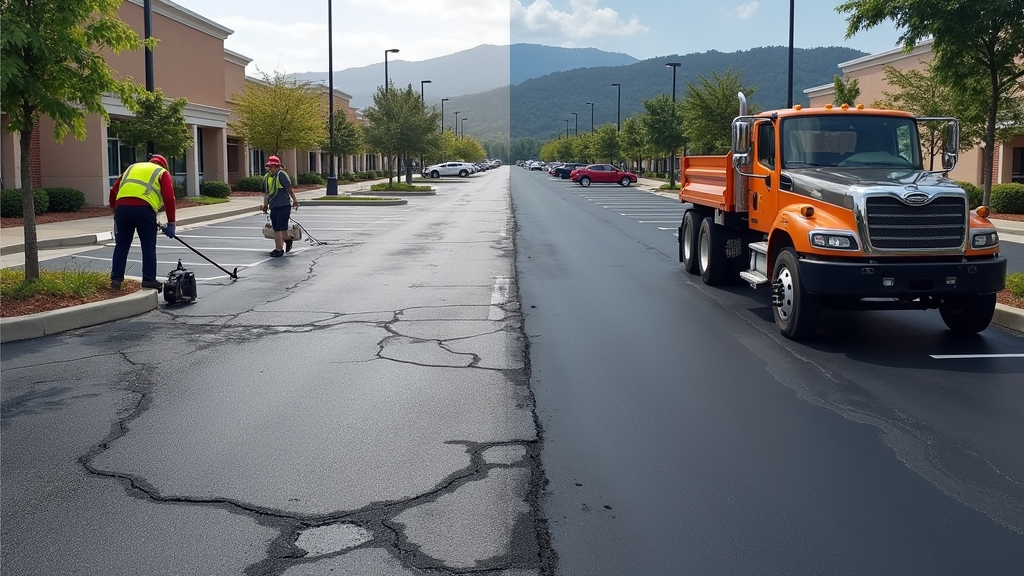
Quality paving lowers lifecycle costs by avoiding early failures and reducing maintenance frequency. Low bids often mean patching within three years and resurfacing by year five. Durable lots start with a compacted subgrade, proper base thickness, and positive drainage, paired with PG-graded binders and quality aggregates. High-quality work can extend sealcoat cycles to five years […]