
Quality paving lowers lifecycle costs by avoiding early failures and reducing maintenance frequency. Low bids often mean patching within three years and resurfacing by year five. Durable lots start with a compacted subgrade, proper base thickness, and positive drainage, paired with PG-graded binders and quality aggregates. High-quality work can extend sealcoat cycles to five years and shift overlays to 15–18 years. Fewer closures cut downtime, liability, and revenue loss. Over 20 years, budgets improve—especially when traffic loads are matched to materials—details follow.
Key Takeaways
- Higher-quality paving lasts 7–10 years, reducing frequent patching and resurfacing that cheaper installs need within 3–5 years.
- Robust subgrade, adequate base thickness, and good drainage prevent early failures and costly structural repairs.
- Quality construction lengthens maintenance cycles (sealcoat/crack-seal from 3 to 5 years; overlays from 10–12 to 15–18 years).
- Fewer interventions cut hidden costs: service calls, traffic control, business downtime, and liability risks from surface defects.
- Over 20 years, lower annualized maintenance and downtime costs deliver better ROI, especially for asphalt in light traffic and concrete in heavy loads.
The True Cost of Low Bids Over Time
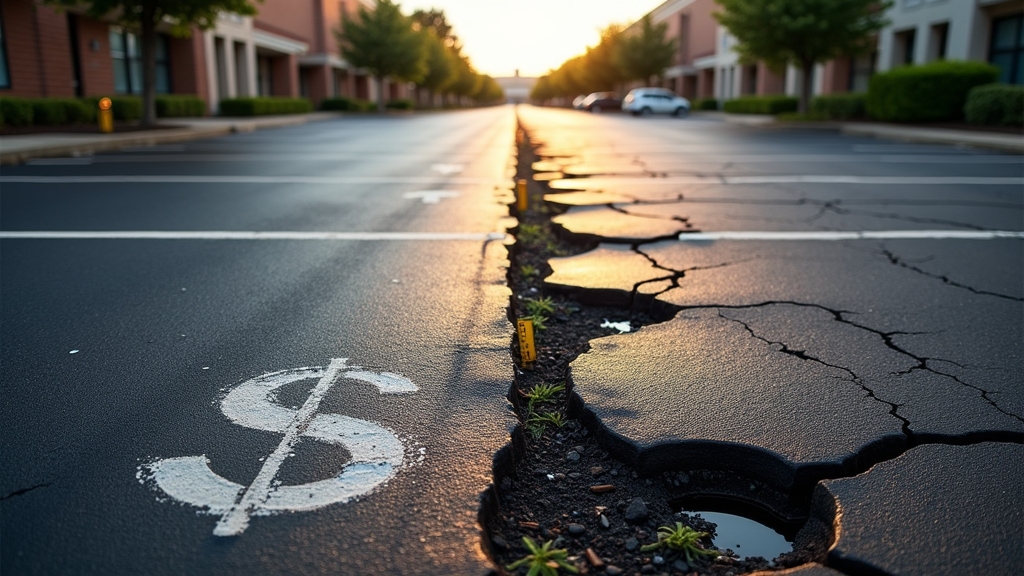
Although a low paving bid can look like an easy win, long-term costs often tell a different story. Initial savings frequently mask hidden costs tied to thinner lifts, reduced compaction time, and lower-spec mixes.
Data from property portfolios show that pavements installed 10–15% cheaper often require major patching within three years and resurfacing by year five, versus seven to ten years for higher-quality work. Those timing gaps drive more service calls, traffic control fees, and business interruption—costs not itemized in bids.
Cheaper pavements fail sooner, triggering unplanned patching, resurfacing, and costly disruption not shown in bids.
A practical approach is to evaluate lifecycle cost per square yard-year. Compare warranty length, maintenance intervals, and historic performance of contractors.
Require documented QC results and materials tickets. Paying moderately more upfront can reduce interventions by 30–50%, minimizing long term consequences and unplanned hidden costs.
Building a Durable Pavement: Base, Drainage, and Materials
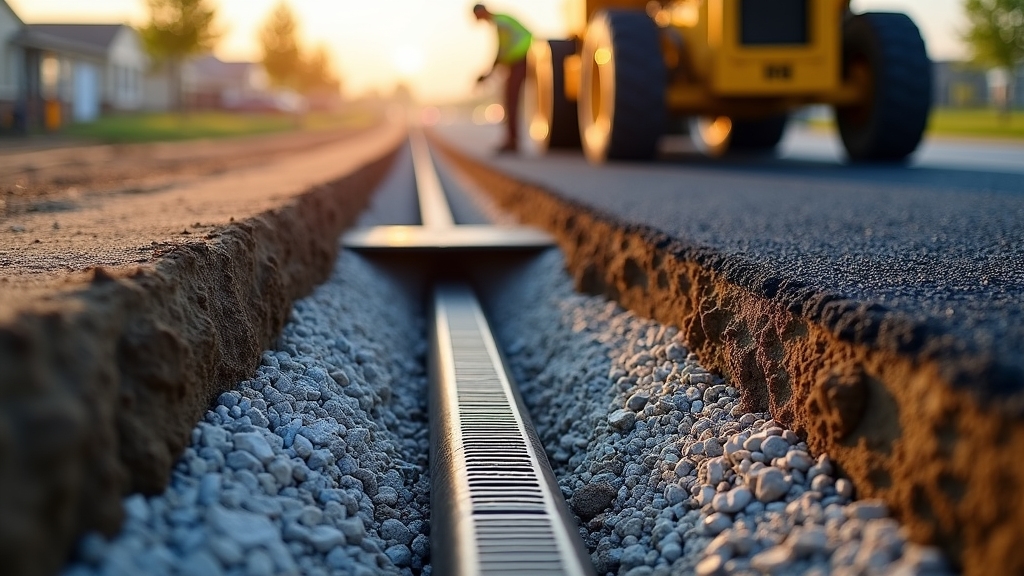
When durability is the goal, performance starts below the asphalt. A parking lot’s lifespan tracks directly to subgrade stability, base thickness, and drainage.
Well-compacted subgrade (95% Modified Proctor) with a geotechnical report reduces settlement risk. Granular base thickness should match loads: 6–8 inches for light cars, 10–12 inches for mixed traffic, thicker for buses or trucks. Positive drainage—2% surface slope, permeable shoulders, and edge underdrains where soils are fine—prevents saturation and freeze–thaw damage.
Effective pavement design pairs structure with traffic counts and climate. Material selection matters: PG-graded binders suited to temperature range, mixes with 5–7% air voids, and quality aggregates with low Los Angeles abrasion.
Consider stabilized bases or geogrids for weak soils. Verified density, smoothness, and thickness guarantee performance.
Maintenance Cycles and How Quality Reduces Them
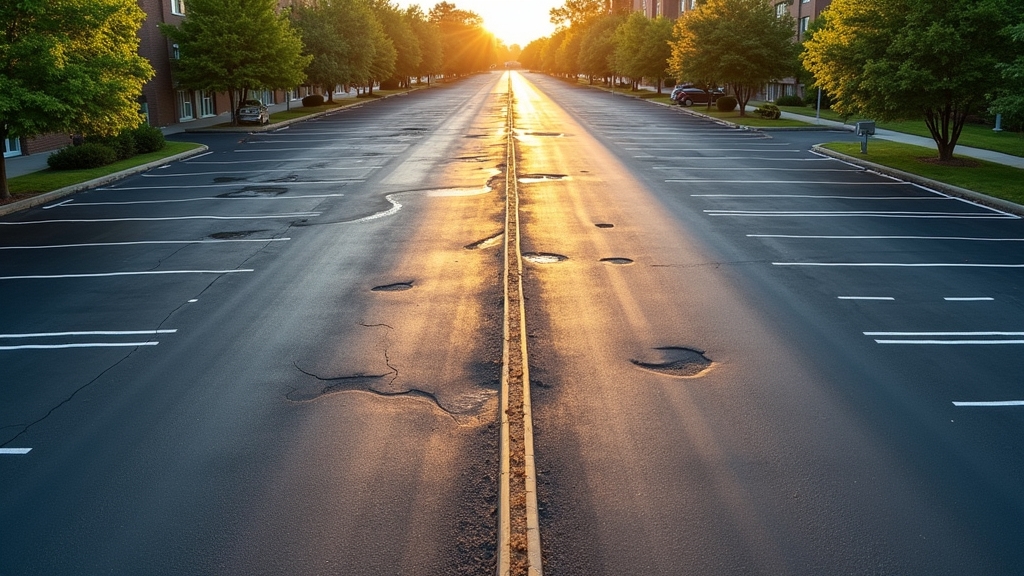
Built with sound subgrade, adequate base, and proper drainage, a parking lot can cut lifecycle maintenance frequency by 30–50% compared to minimally specified sections.
Data from municipal asset programs show thicker base layers and uniform compaction reduce cracking initiation by several years, extending pavement longevity. Sealcoat and crack-seal intervals stretch from 3 to 5 years; mill-and-overlay cycles shift from 10–12 years to 15–18 years. Fewer interventions mean lower annualized cost per square yard.
Thicker bases and uniform compaction delay cracking, extend cycles, and cut annualized cost per square yard
Quality materials and precise joints slow water infiltration, which is the primary driver of distress. Stable edges and proper slopes limit freeze–thaw damage, keeping maintenance frequency predictable.
A documented inspection plan—annual walk-throughs and biennial infrared scans—targets early defects, keeping repairs small and scheduled, and preserving long-term performance.
Downtime, Liability, and Operational Risks
Lower maintenance frequency does more than trim budgets; it reduces business disruption, injury exposure, and claims.
Fewer closures mean fewer operational disruptions: access lanes stay open, deliveries keep schedules, and customer flow holds steady. Data from facility managers commonly show that each closure day can depress site revenue 5–20%, with knock-on staffing and security costs.
Quality paving also narrows liability exposure. Smooth surfaces, proper drainage, and crisp markings cut slip, trip, and collision incidents. Documented pavement condition, ADA-compliant slopes, and night-visible striping reduce allegation strength and defense costs. Durable mixes, thicker sections, and correct subbase preparation extend service windows, spacing out high-impact work.
A practical playbook: benchmark incident rates, schedule preventive work off-peak, maintain inspection logs, correct defects within 48 hours, and communicate detours clearly.
ROI: Comparing 20-Year Budgets for Asphalt and Concrete
Although upfront prices often dominate bids, a 20-year ROI comparison hinges on total lifecycle cost: initial construction, routine maintenance, periodic rehab, and salvage value.
A typical model assumes asphalt installed at a lower initial cost, with sealcoating every 3 years, crack sealing annually, and mill-and-overlay around year 12. Concrete starts higher but requires joint sealing and fewer surface treatments, aided by concrete resilience under heavy loads.
When downtime is priced, asphalt’s quicker repairs offset some rehab costs; however, frequent touchpoints add labor and traffic control.
Scenario analysis shows competitive totals: asphalt remains cost-effective where budgets are constrained and traffic is light. Concrete often wins in heavy-load, heat, or chemical environments.
Documented asphalt longevity and concrete resilience both improve ROI when specifications and maintenance are rigorously executed.
Frequently Asked Questions
How Do Climate and Freeze-Thaw Cycles Affect Long-Term Pavement Performance?
Climate and freeze-thaw cycles accelerate cracking, rutting, and moisture intrusion. Climate impact drives thermal stresses; freeze thaw expands pores, weakening bonds. Proven mitigations include proper drainage, air-void control, polymer-modified binders, thicker bases, deicing management, timely sealing, and region-specific mix designs validated by performance data.
What Warranty Terms Are Typical for High-Quality Parking Lot Installations?
Typical high-quality parking lot installations include 1–3 years workmanship warranty coverage and 5–10 years structural coverage, contingent on meeting installation standards: proper subgrade prep, compaction, asphalt thickness, drainage, and sealcoating. Remedies specify crack repair, resurfacing, or sectional replacement.
How Do Electric Vehicle Chargers Impact Pavement Design Requirements?
Electric vehicle chargers increase localized loads and conduit trenching, altering pavement design. Engineers adjust thickness near charger placement, reinforce slabs for pedestal anchors, account for thermal cycles, protect against leaks, and coordinate electrical load, drainage, and snow removal to prevent settlement, cracking, and utility conflicts.
Are Sustainable or Recycled Materials Viable Without Sacrificing Durability?
Yes. Evidence shows sustainable materials and recycled asphalt can match durability when binder content, gradation, and RAP percentages are optimized. Proper mix design, warm-mix technologies, anti-stripping agents, and quality control deliver equal rutting, cracking, and moisture resistance with cost savings.
How Should Traffic Patterns and Load Types Influence Pavement Thickness?
Pavement thickness should scale with projected traffic patterns and load types. Heavier trucks and concentrated traffic flow demand thicker sections for proper load distribution, reduced strain, and longer life. Engineers use ESALs, subgrade modulus, and reliability targets to size layers.
Final Thoughts
Over the full lifecycle of your parking lot, the cheapest bid is almost never the lowest cost. Long-term data consistently shows that quality paving—built on a solid subgrade, engineered drainage, and premium asphalt or concrete mixes—extends service life, reduces repair frequency, and minimizes downtime. Investing in higher-grade materials and precise workmanship today can save thousands over the next two decades through fewer resurfacing cycles, lower liability exposure, and uninterrupted business operations.
At Parkway Paving LLC, we specialize in commercial asphalt paving, parking lot paving, and asphalt resurfacing that deliver measurable long-term value. Our expert crews ensure every project meets rigorous standards for base compaction, drainage, and material performance—so you get a pavement that lasts and a lifecycle cost that pays you back.
Make your next paving investment count—contact Parkway Paving LLC today or call (862) 596-0642 for a consultation. We’ll help you design and build a parking lot that stands the test of time while protecting your budget, property, and customers.