
Residential Asphalt Paving in Lodi, NJ: Driveways, Walkways, and More
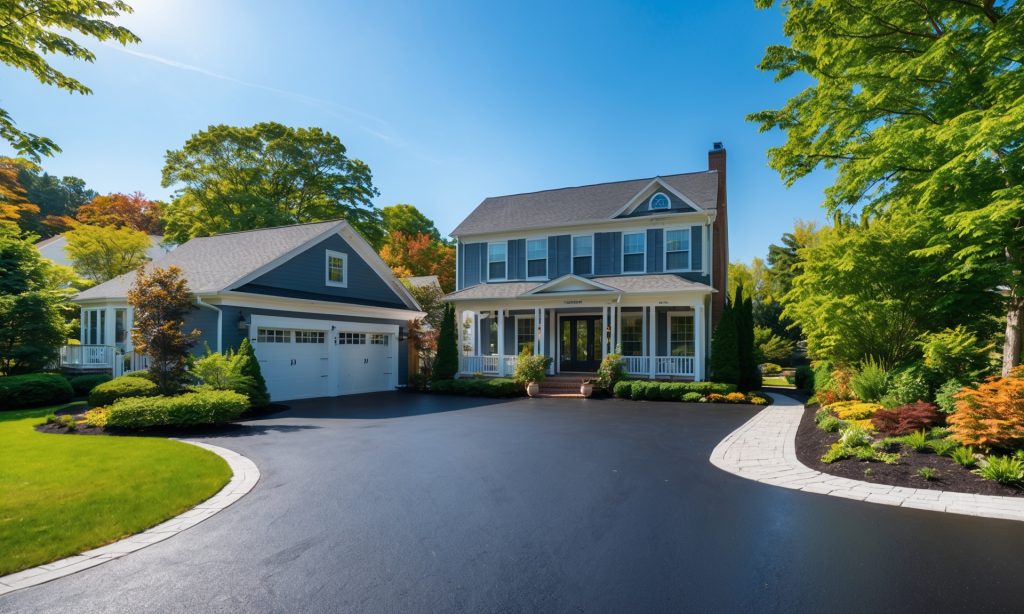
When it comes to enhancing the curb appeal and functionality of your property, few improvements are as transformative as residential asphalt paving. Whether you’re a homeowner looking to revamp your driveway, a small business owner planning to upgrade walkways, or a developer seeking durable solutions for a new project, investing in quality paving can make […]
What Goes Into a Quality Residential Asphalt Paving Project in Lodi, NJ
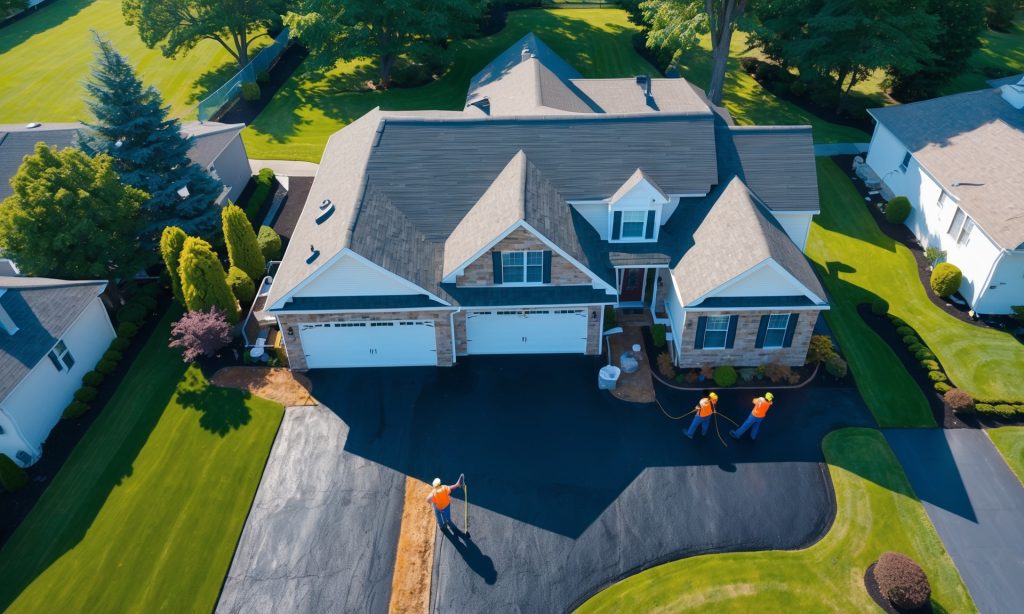
When it comes to residential asphalt paving, homeowners and developers alike want assurance that their investment will stand the test of time. A quality residential asphalt paving project is more than just laying down blacktop, it’s a process that requires meticulous planning, skilled workmanship, and a deep understanding of local conditions. Whether you’re a small […]
Commercial Parking Lot Paving in Lodi, NJ: Planning for Heavy Use and Longevity
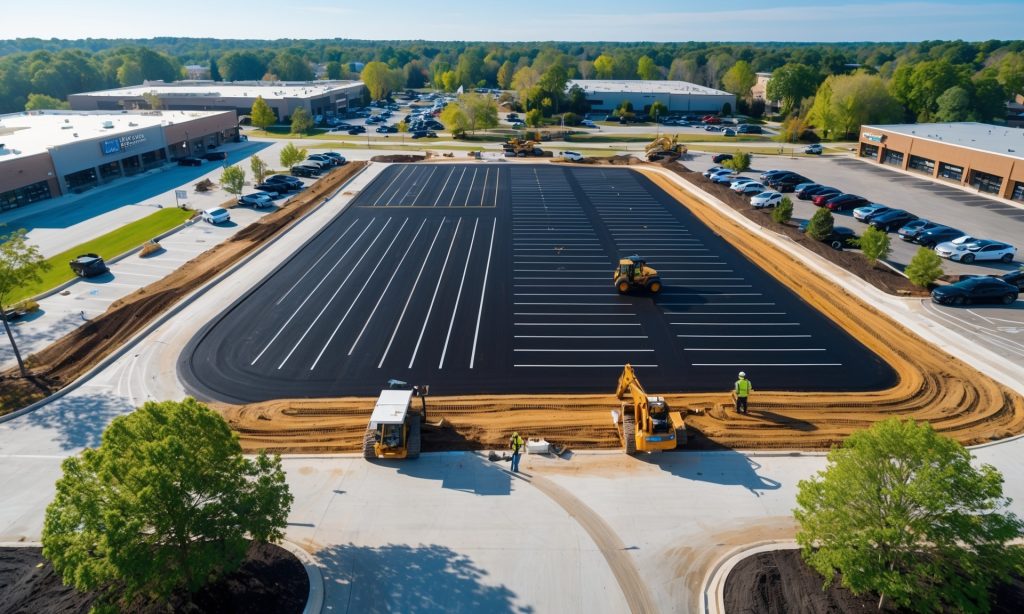
When it comes to commercial asphalt paving Lodi NJ business owners and developers know that a parking lot is more than just a place to park cars. It’s the first impression customers get, a vital part of daily operations, and a significant investment that must withstand heavy use over many years. Planning a parking lot […]
The Benefits of Residential Asphalt Paving for Lodi, NJ Properties
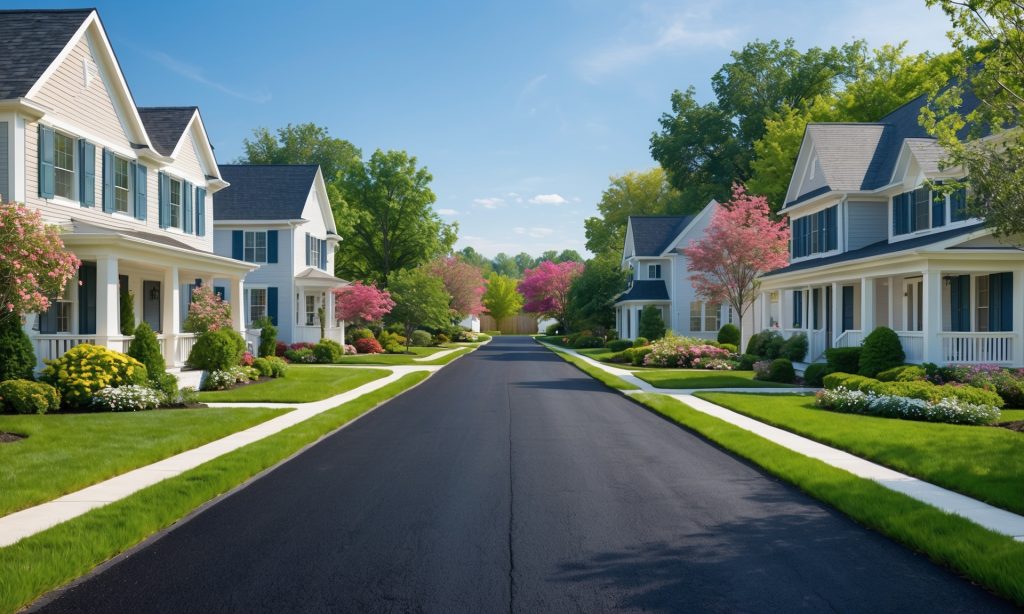
When it comes to enhancing curb appeal, improving safety, and increasing property value, few upgrades rival the impact of residential asphalt paving Lodi NJ homeowners and developers can trust. Whether you’re a small business owner managing rental properties or a general reader curious about home improvement, understanding the full spectrum of benefits that asphalt paving […]
How Commercial Asphalt Paving Supports Business Curb Appeal in Lodi, NJ
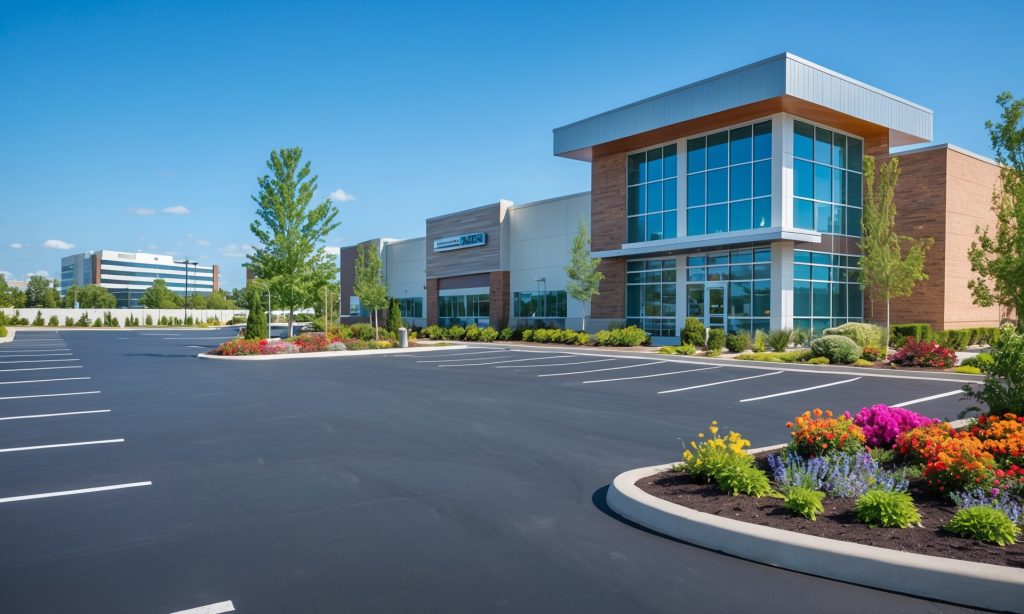
First impressions matter, especially in business. When customers, clients, or tenants arrive at your property, the condition of your parking lot and walkways can speak volumes about your professionalism and attention to detail. Commercial asphalt paving Lodi NJ services play a pivotal role in shaping curb appeal, providing not just a smooth and safe surface, […]
Why Residential Asphalt Paving Is a Smart Choice in Lodi, NJ
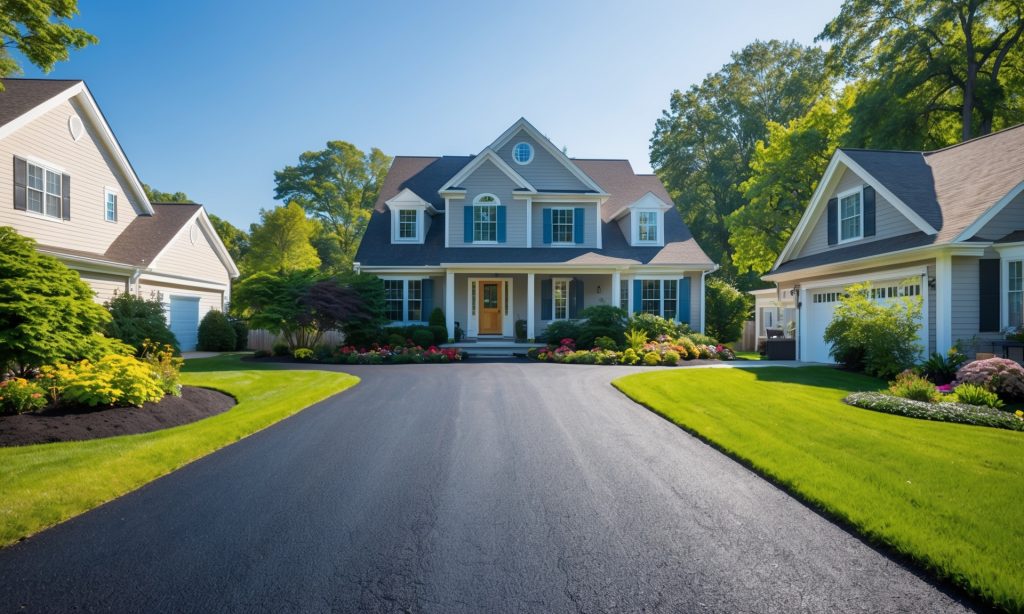
When considering upgrades or repairs for your home or investment property, few projects offer as much value and curb appeal as residential asphalt paving. In the heart of New Jersey, where weather and local demands shape the choices of homeowners and developers alike, the decision to pave with asphalt is more than just a practical […]
How to Choose the Best Residential Asphalt Paving Contractor in Lodi, NJ
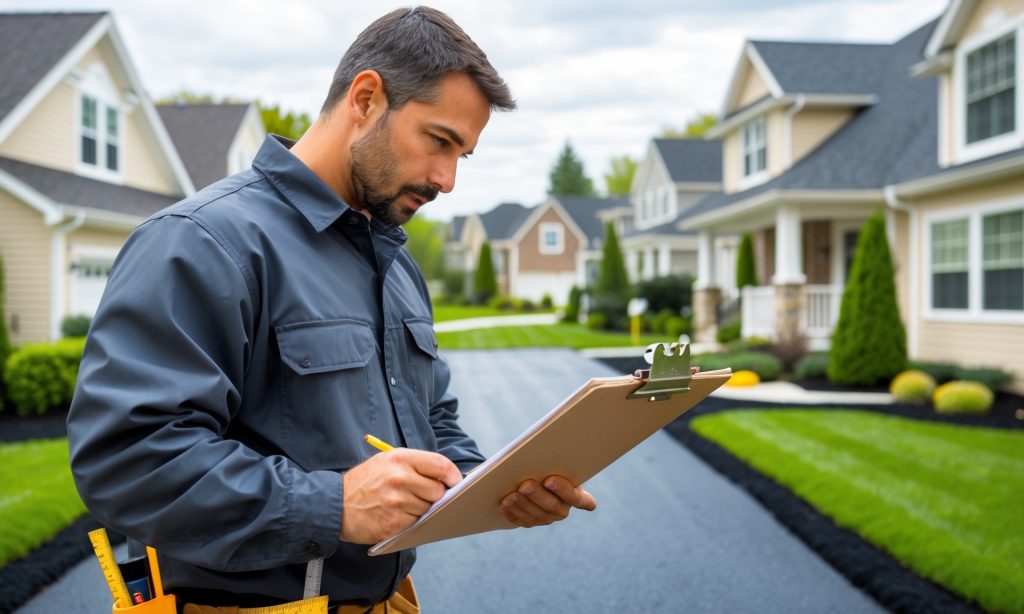
When it comes to upgrading your home’s curb appeal and functionality, few projects are as transformative as a new driveway or walkway. Choosing the right partner for residential asphalt paving Lodi NJ residents can trust is crucial for a lasting, attractive result. Whether you’re a small business owner overseeing rental properties, a developer planning a […]
What to Expect During a Commercial Asphalt Paving Project in Lodi, NJ
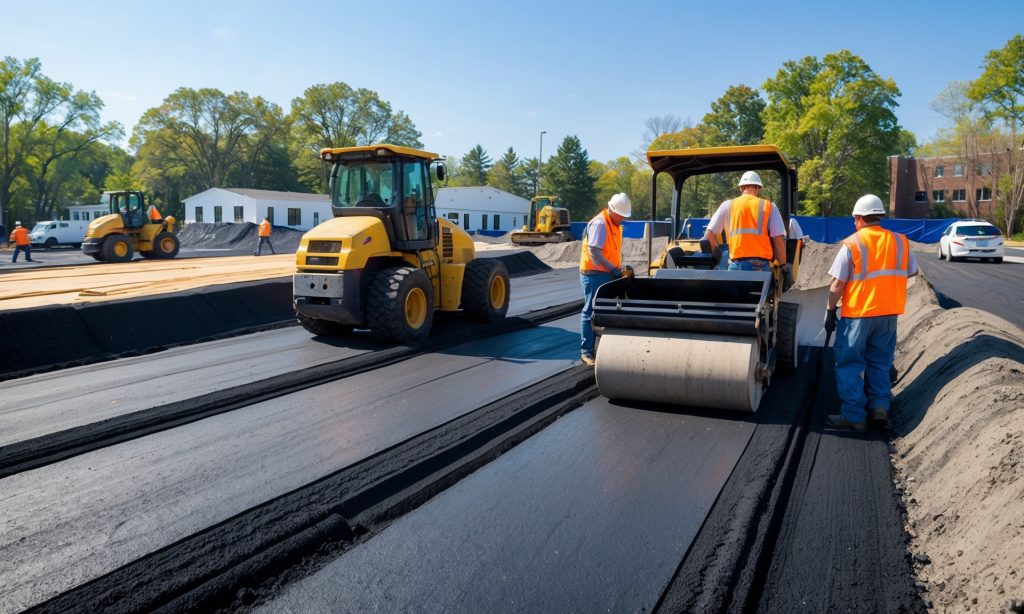
If you’re a small business owner or developer planning a new parking lot or driveway upgrade, understanding what happens during a commercial asphalt paving project is essential. Commercial Asphalt Paving Lodi NJ projects are more than just laying down blacktop, they’re a coordinated effort involving planning, engineering, skilled labor, and precision equipment. Whether you’re new […]
How Commercial Asphalt Paving Improves Traffic Flow and Safety in Lodi, NJ
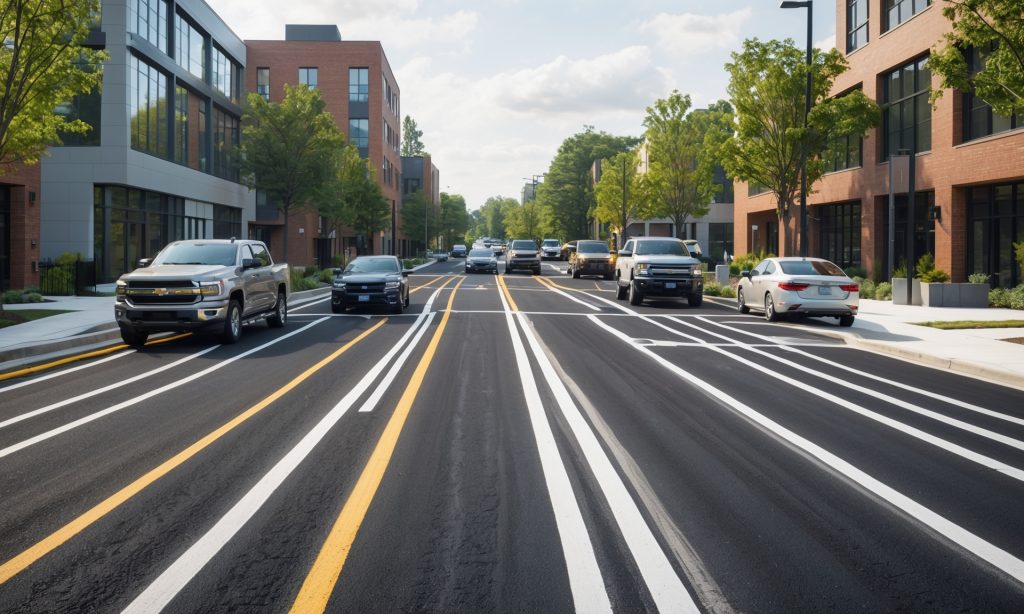
Smooth, safe, and efficient roads are essential for any thriving business community, and commercial asphalt paving plays a pivotal role in making this a reality. For small business owners, developers, and anyone interested in how infrastructure shapes daily life, understanding the impact of commercial asphalt paving Lodi NJ can be eye-opening. Well-designed and properly maintained […]
Why Proper Grading and Drainage Matters for Paving?

Proper grading and drainage make your pavement shed water like a clean windshield. With 1.5–2.5% crossfall and aligned longitudinal slopes, you prevent puddles, potholes, pumping, stripping, and freeze–thaw damage. Water exits to inlets and drains instead of soaking bases and joints. You’ll boost safety, traction, ADA compliance, and lifespan while avoiding costly fixes. Design predictable […]