
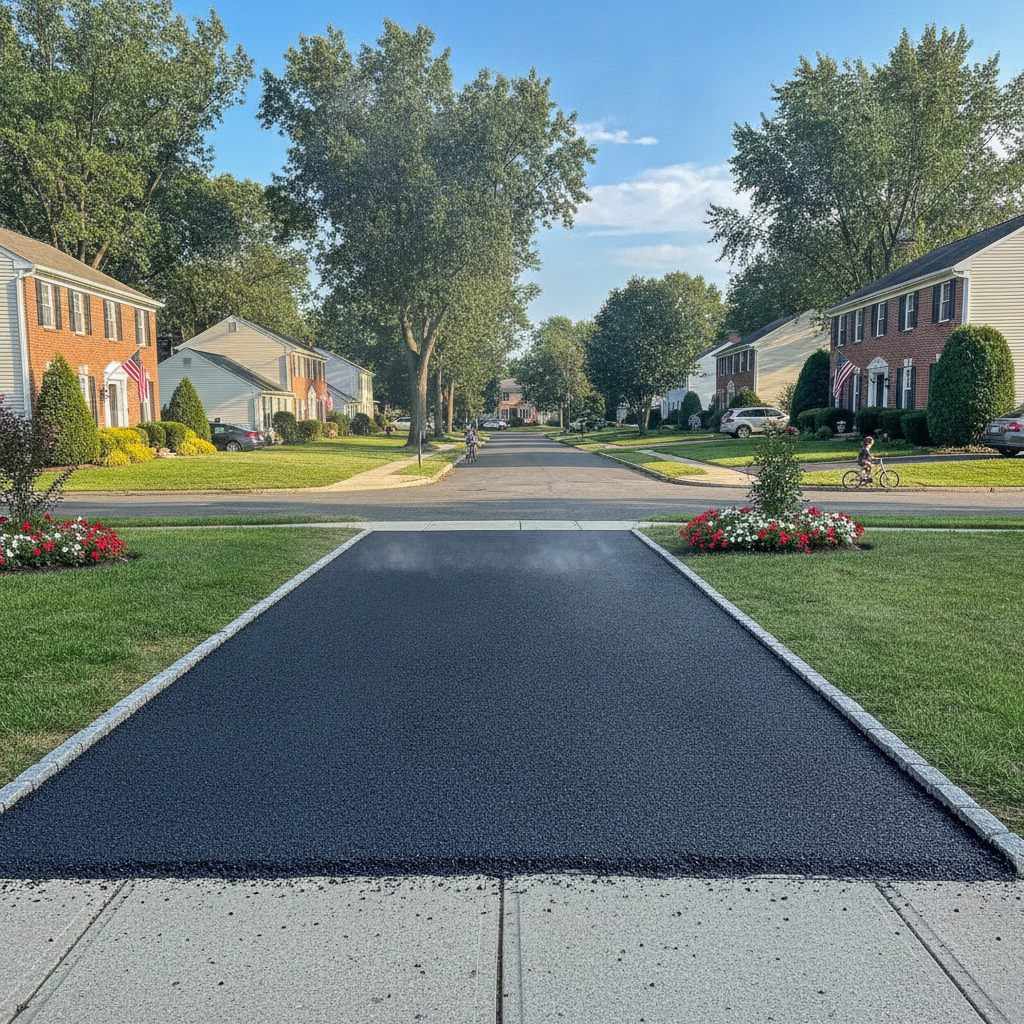
If you’re a homeowner or small business owner considering a new driveway, understanding the right asphalt thickness is more important than you might think. The thickness of your driveway plays a direct role in how long it lasts, how well it stands up to vehicles, and how much maintenance it will need over the years. For those interested in residential asphalt paving Lodi NJ and surrounding areas, making the right decision from the start can help you avoid future headaches and unnecessary expenses. In this article, we’ll break down why thickness matters, how it’s determined, and what you should discuss with your paving contractor. Whether you’re a first-time homeowner, a developer, or simply want to ensure your property investment is protected, this guide will help you make informed choices about your next asphalt driveway project.
Why Asphalt Thickness Matters for Your Driveway
The thickness of an asphalt driveway is a critical factor in its overall performance and lifespan. Too thin, and the surface may crack or fail under the weight of vehicles, especially if you have heavier cars or trucks. Too thick, and you could be paying for materials and labor you don’t actually need. The right thickness ensures your driveway can handle daily use, resist weather changes, and stay smooth for years. For residential properties, the ideal thickness can vary based on soil conditions, drainage, and how the driveway will be used. Understanding this balance helps you avoid premature repairs and ensures your investment pays off in the long run.
Key Factors That Influence Driveway Thickness
Several factors determine the recommended thickness for your driveway. The type of soil beneath the driveway, the expected vehicle load, and the local climate all play a role. For example, clay-heavy soils may require a thicker base to prevent shifting, while areas with frequent freeze-thaw cycles need a bit more depth to resist cracking. If you’re seeking asphalt paving information for a driveway that will see regular truck or RV traffic, your contractor may suggest a thicker layer than for a standard family car. By considering these elements, you’ll ensure your new driveway is built to last, no matter what you park on it.
How Local Conditions Affect Asphalt Performance
Every region presents unique challenges for asphalt driveways. In the neighborhood, seasonal temperature swings and occasional heavy rain can impact the stability of your driveway. Proper thickness helps prevent common issues like rutting, potholes, and surface cracks. If your property is on a slope or near trees with aggressive roots, your paving company might recommend additional thickness or reinforcement. Consulting with an Asphalt Repair Company in Lodi, NJ can help you assess these site-specific concerns and choose the right specifications for your project. This tailored approach ensures your driveway stands up to local conditions year after year.
Comparing Residential and Commercial Driveway Needs
While both residential and commercial driveways require careful planning, their needs can differ significantly. Commercial properties, such as warehouses and industrial yards, often require thicker asphalt to handle frequent heavy vehicle traffic. Homeowners, on the other hand, may only need a standard thickness unless they expect delivery trucks or trailers regularly. If you’re curious about the requirements for larger projects, Commercial Asphalt Paving for Warehouses and Industrial Yards in Lodi, NJ provides insight into the additional considerations for these spaces. Understanding these differences helps ensure you don’t over- or under-build your own driveway.
What to Expect During the Installation Process
When it’s time to install your new driveway, the process involves more than just pouring and rolling asphalt. The crew will start by preparing the subgrade, ensuring it’s stable and properly graded. Next, they’ll add a base layer, which is compacted to provide support for the asphalt above. The final step is laying the asphalt itself at the specified thickness. For commercial spaces, such as parking lots, the process may include additional steps or thicker layers to accommodate heavy use. For more details on planning for durability, see Commercial Parking Lot Paving in Lodi, NJ: Planning for Heavy Use and Longevity. Understanding each phase helps you set realistic expectations and ensures a quality result.
Standard Thickness Guidelines for Residential Driveways
For most residential driveways, industry guidelines suggest an asphalt layer between 2 to 4 inches thick, placed over a well-compacted base. The exact thickness depends on factors such as expected traffic, soil stability, and drainage. A thicker layer may be recommended for driveways that will see heavier vehicles or for properties with less stable soil. It’s important to note that these are general recommendations, and your paving contractor should tailor their approach to your specific property. By following these guidelines, you’ll get a driveway that’s both durable and cost-effective.
The Role of the Base Layer in Driveway Longevity
While the asphalt surface gets most of the attention, the base layer beneath is just as important. A strong, well-compacted base provides essential support, distributing the weight of vehicles and preventing the asphalt from flexing or cracking. For most homes in the area, a crushed stone or gravel base of 4 to 8 inches is standard. If the base is too thin or poorly compacted, even a thick asphalt layer won’t prevent problems down the road. Investing in proper base preparation is one of the best ways to ensure your driveway lasts for many years.
How Driveway Thickness Impacts Maintenance Needs
The right thickness doesn’t just improve durability, it also affects how much maintenance your driveway will require. Thicker driveways are less prone to cracks, potholes, and surface wear, which means fewer repairs over time. On the other hand, a driveway that’s too thin may need patching or resurfacing much sooner than expected. By investing in the correct thickness up front, you can reduce long-term maintenance costs and enjoy a smoother, safer surface for years to come. This proactive approach is especially valuable for busy homeowners and property managers who want to minimize disruptions.
Signs Your Driveway May Need a Thickness Upgrade
If your current driveway shows signs of premature cracking, rutting, or frequent potholes, it may be a sign that the original asphalt layer was too thin. Other red flags include visible base movement, drainage issues, or areas where the surface feels soft underfoot. In these cases, a professional assessment can determine if a thicker overlay or a complete rebuild is necessary. Addressing these issues early can prevent further damage and extend the life of your driveway, saving you money and hassle in the long run.
Questions to Ask Your Paving Contractor
Before starting your project, it’s important to have an open conversation with your paving contractor. Ask about their recommended thickness for both the base and asphalt layers, and how they determine those numbers. Inquire about their experience with local soil conditions and whether they anticipate any special challenges for your property. You should also ask for references or examples of similar projects. By being proactive, you’ll ensure your contractor understands your needs and delivers a driveway that meets your expectations for performance and longevity.
Sample Thickness Recommendations by Driveway Type
| Driveway Type | Base Thickness | Asphalt Thickness |
|---|---|---|
| Standard Residential | 4-6 inches | 2-3 inches |
| Heavy Vehicle/Truck Use | 6-8 inches | 3-4 inches |
| Commercial/Industrial | 8+ inches | 4+ inches |
This table provides a general overview of typical thickness recommendations. Your contractor will adjust these numbers based on your property’s unique needs and local conditions.
Final Thoughts
Choosing the right asphalt thickness is a foundational step in building a driveway that stands the test of time. For those interested in residential asphalt paving Lodi NJ or nearby communities, understanding the factors that influence thickness can help you make smart, cost-effective decisions. From soil conditions and expected vehicle loads to the importance of a solid base, each element plays a role in your driveway’s performance. By working closely with a knowledgeable paving contractor and asking the right questions, you’ll ensure your new driveway is built to last, looks great, and requires minimal upkeep. Investing in proper thickness now means fewer repairs and more peace of mind for years to come.
3 Responses