
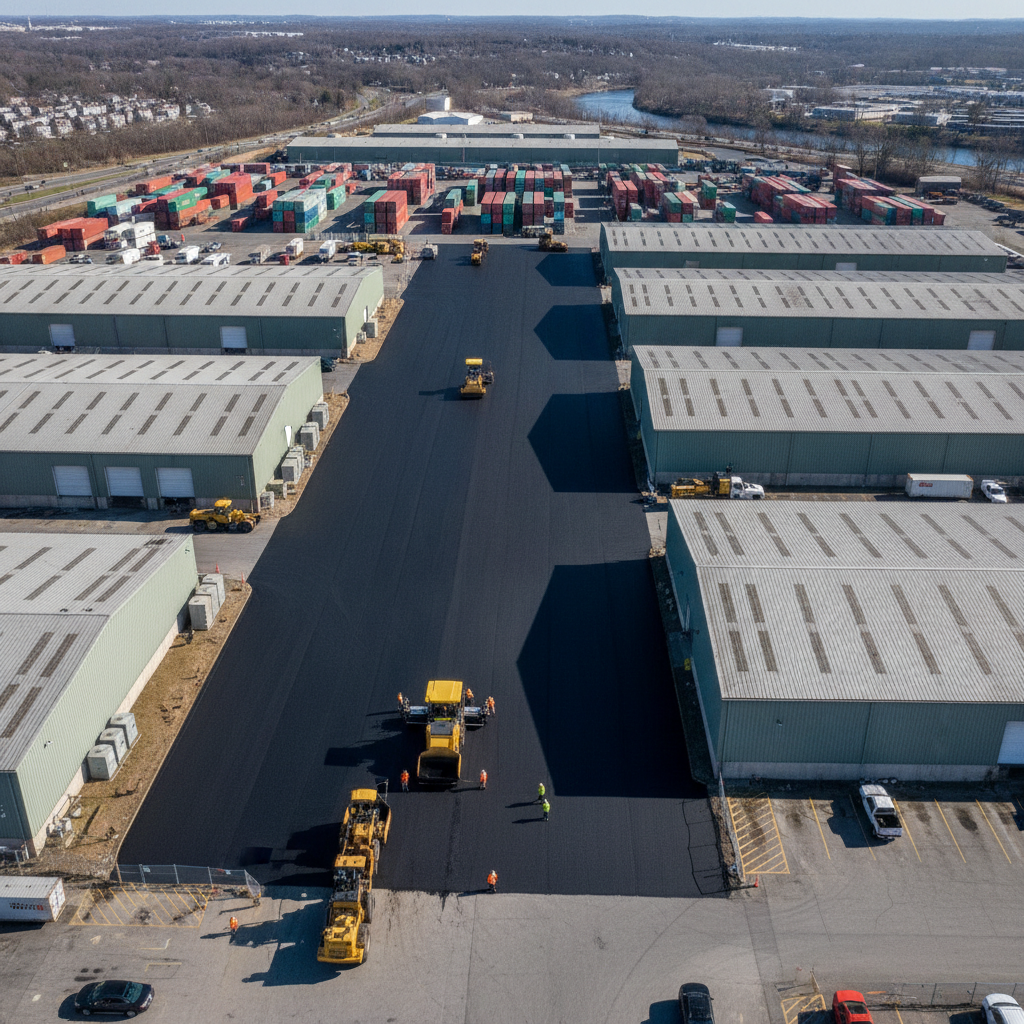
For warehouse and industrial yard owners, the condition of your pavement is more than just a curb appeal issue, it’s a matter of safety, efficiency, and long-term cost savings. Commercial asphalt paving in Lodi NJ offers a powerful solution for businesses seeking to optimize their operations and present a professional image. Whether you’re managing a busy distribution center or a local manufacturing facility, the right paving approach can help you avoid costly repairs, minimize operational disruptions, and ensure your property meets the demands of heavy traffic. In this article, we’ll explore the unique challenges faced by industrial properties, the benefits of choosing asphalt for commercial applications, and the key considerations that set successful paving projects apart. From planning and design to maintenance strategies, you’ll find expert insights tailored to the needs of business owners and developers in this community.
Why Asphalt Is Ideal for Industrial Properties
Industrial yards and warehouses require surfaces that can withstand constant use, heavy vehicles, and large equipment. Asphalt stands out for its durability, flexibility, and cost-effectiveness. Unlike concrete, asphalt can flex under pressure, which helps prevent cracking and surface failure. Its smooth finish makes it easier for forklifts, delivery trucks, and loading equipment to maneuver safely. Additionally, asphalt paving can be installed and cured quickly, minimizing downtime for your business. For those seeking Lodi NJ commercial asphalt paving services, asphalt’s adaptability and resilience make it the preferred choice for demanding industrial environments.
Designing Pavement for Heavy Loads and High Traffic
The design phase is crucial for any commercial paving project, especially when dealing with heavy-duty applications. Engineers consider factors like sub-base thickness, asphalt mix type, and drainage to ensure the pavement can handle the weight and frequency of industrial traffic. Reinforced edges, thicker base layers, and specialized asphalt blends are often used to prevent rutting and surface deformation. For industrial yards, it’s also essential to plan for turning radii and loading zones that accommodate large vehicles. Businesses in the area benefit from asphalt paving solutions for industrial yards that are tailored to their operational needs, ensuring both longevity and safety.
Addressing Common Asphalt Issues in Industrial Yards
Industrial properties face unique challenges, such as oil spills, chemical exposure, and constant abrasion from heavy equipment. These factors can accelerate pavement wear and lead to cracks, potholes, or surface softening. Regular inspections and prompt repairs are key to maintaining a safe and functional yard. Partnering with an Asphalt Repair Company in Lodi, NJ ensures that minor issues are addressed before they escalate into costly damage. Proactive maintenance, such as sealcoating and crack filling, helps protect your investment and keeps your operations running smoothly.
Managing Heavy Vehicle Loads and Surface Stress
Warehouses and industrial yards often experience high concentrations of heavy vehicles, from delivery trucks to forklifts. These loads can cause rutting, surface depressions, and structural fatigue if the pavement isn’t engineered correctly. The use of high-performance asphalt mixes, thicker base layers, and proper compaction techniques are essential for withstanding these stresses. If you’re interested in learning more about this topic, check out How Commercial Asphalt Paving Handles Heavy Vehicle Loads in Lodi, NJ for a deeper dive into engineering strategies for heavy-duty surfaces.
Preparing Your Property for a Successful Paving Project
Preparation is a critical step that can determine the success of a commercial paving project. Site evaluation includes assessing soil stability, drainage patterns, and existing pavement conditions. Clearing debris, grading, and compacting the sub-base are vital for creating a solid foundation. It’s also important to coordinate with your paving contractor to schedule work during periods of low activity to minimize disruption. For a step-by-step guide, see How to Prepare a Lodi, NJ Commercial Property for Asphalt Paving to ensure your project starts on the right foot.
The Role of Drainage in Industrial Asphalt Performance
Proper drainage is essential for any industrial asphalt surface. Without effective water management, standing water can seep into the pavement, weakening the base and leading to cracks or potholes. Industrial yards often require custom drainage solutions, such as trench drains, catch basins, or sloped grading, to move water away from high-traffic zones. Investing in well-designed drainage not only extends the life of your pavement but also helps prevent accidents caused by puddles or ice. Local paving professionals understand the unique drainage challenges faced by industrial properties and can recommend solutions that fit your site’s layout and operational needs.
Safety Considerations for Warehouses and Yards
Safety is a top priority in any industrial environment. Well-maintained asphalt surfaces help reduce the risk of slips, trips, and vehicle accidents. Features like high-visibility striping, signage, and textured surfaces can further enhance safety for both drivers and pedestrians. In addition, proper lighting and clear markings are essential for night operations and busy loading areas. Regular safety audits and prompt repair of any surface hazards ensure that your property remains compliant with workplace safety standards and provides a secure environment for employees and visitors alike.
Cost Factors and Budgeting for Commercial Paving
Budgeting for a commercial asphalt project involves more than just the initial installation cost. Factors such as site preparation, material selection, project size, and required features (like drainage or reinforcement) all influence the final price. It’s important to consider long-term savings from reduced maintenance and increased durability when evaluating your investment. Many local paving companies offer detailed estimates and can help you prioritize features based on your operational needs and budget constraints. Planning ahead and understanding the cost drivers ensures you get the best value for your property.
Comparing Asphalt to Alternative Paving Materials
While asphalt is a popular choice for industrial properties, it’s worth comparing its benefits to other paving materials like concrete or pavers. Asphalt offers faster installation, lower upfront costs, and easier repairs. Concrete, on the other hand, may provide greater rigidity but is more prone to cracking under freeze-thaw cycles and can be more expensive to repair. Pavers are rarely used for heavy-duty industrial applications due to their higher cost and maintenance needs. For most warehouses and industrial yards, asphalt strikes the best balance between performance, cost, and ease of maintenance.
Table: Key Features of Commercial Asphalt Paving
| Feature | Benefit | Industrial Application |
|---|---|---|
| Flexible Surface | Absorbs heavy loads without cracking | Forklift and truck traffic |
| Quick Installation | Minimizes business disruption | Warehouses with tight schedules |
| Easy Repairs | Cost-effective maintenance | High-traffic loading zones |
| Custom Drainage | Prevents water damage | Outdoor storage yards |
| Safety Markings | Improves visibility and safety | Pedestrian and vehicle zones |
Maintenance Strategies for Long-Lasting Pavement
To maximize the lifespan of your industrial asphalt, regular maintenance is essential. This includes routine inspections, timely crack sealing, and periodic sealcoating to protect against moisture and chemical exposure. Keeping the surface clean from debris, oil, and chemicals prevents deterioration. Scheduling repairs during off-peak hours reduces operational disruption. By investing in a proactive maintenance plan, property owners can avoid major repairs and extend the usability of their pavement, ensuring a safe and efficient environment for years to come.
Choosing the Right Contractor for Your Project
Selecting an experienced commercial paving contractor is crucial for the success of your project. Look for companies with a proven track record in industrial applications, positive client testimonials, and a clear understanding of local requirements. A reputable contractor will provide detailed project plans, transparent pricing, and guidance on material selection and site preparation. They should also offer post-installation support and maintenance services. Taking the time to vet your contractor helps ensure your investment delivers the durability, safety, and performance your business needs.
Final Thoughts
Investing in commercial asphalt paving for warehouses and industrial yards offers significant benefits in terms of durability, safety, and operational efficiency. By understanding the unique challenges of industrial environments and working with experienced professionals, property owners can create surfaces that stand up to heavy use and changing weather conditions. From thoughtful design and proper site preparation to ongoing maintenance, every step plays a vital role in the long-term success of your pavement. Whether you’re upgrading an existing yard or planning new construction, making informed decisions about materials, drainage, and contractor selection will help your business thrive in this region for years to come.
2 Responses