
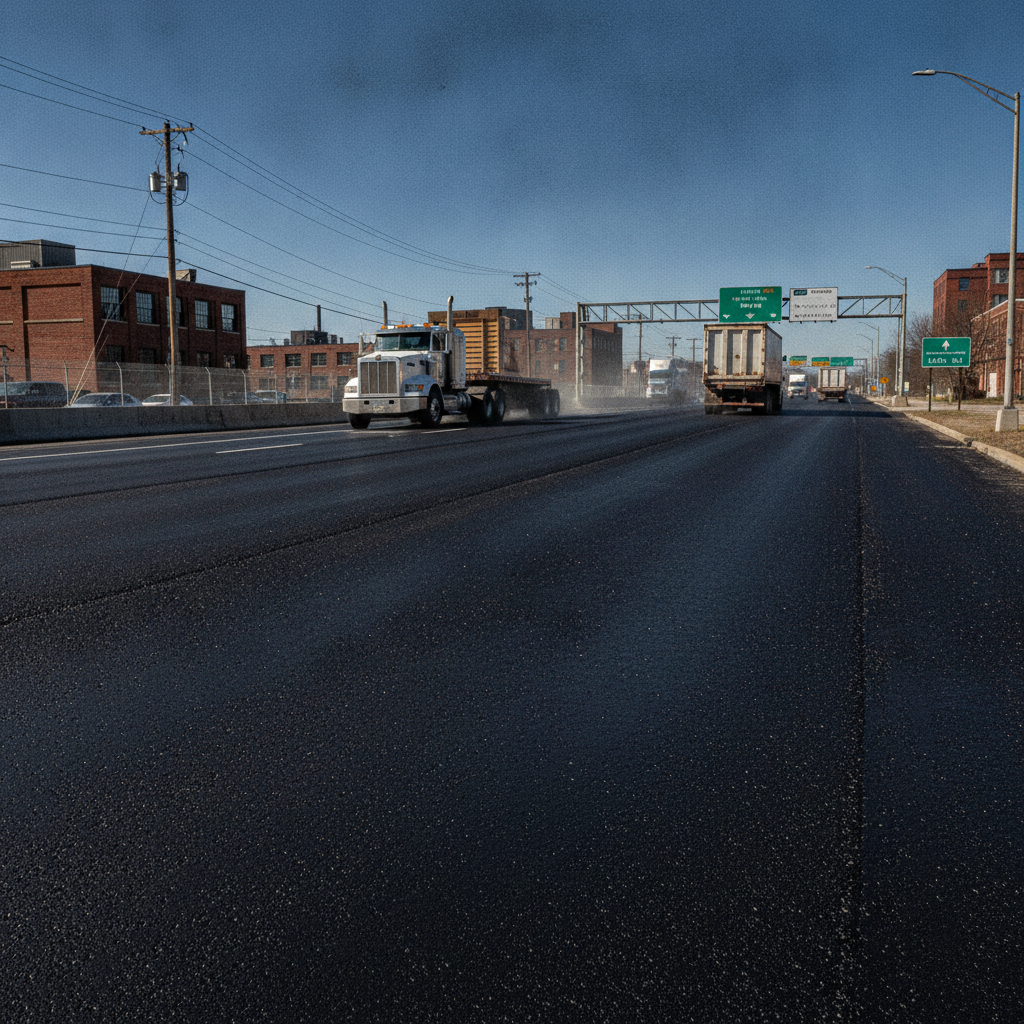
When it comes to supporting the weight of delivery trucks, buses, and other large vehicles, commercial asphalt paving in Lodi, NJ faces unique challenges. Business owners and developers in the area know that a standard parking lot or driveway simply won’t hold up under the constant pressure of heavy loads. The right paving approach is essential for durability, safety, and long-term value. In this article, we’ll explore how modern commercial asphalt paving techniques are specifically designed to handle heavy vehicle traffic, what makes these surfaces last, and how you can ensure your property is built to withstand the demands of high-traffic environments. Whether you manage a retail center, industrial facility, or busy multi-use property, understanding the science and strategy behind robust asphalt paving will help you make informed decisions and protect your investment for years to come.
Understanding the Demands of Heavy Vehicle Loads
Heavy vehicles such as delivery trucks, buses, and construction equipment put immense stress on paved surfaces. Unlike passenger cars, these vehicles have higher axle weights and more frequent stopping and turning, which can accelerate wear and tear. The constant pressure can lead to rutting, cracking, and even base failure if the pavement isn’t engineered for such demands. This is why heavy vehicle paving solutions are essential for commercial properties expecting significant truck or bus traffic. The thickness of the asphalt, the quality of the sub-base, and the materials used all play a role in how well the pavement will stand up to these stresses. By understanding the unique challenges posed by heavy vehicles, property owners can better appreciate the need for specialized paving strategies that go beyond what’s used for residential driveways or light-use lots.
Key Components of Commercial Asphalt Paving Lodi NJ
A successful commercial asphalt project in this region starts with selecting the right materials and design. The mix used for Commercial Asphalt Paving Lodi NJ is typically engineered to be denser and more resilient than residential mixes. Contractors often incorporate larger aggregate stones and higher-grade binders to increase strength and flexibility. The sub-base is also crucial, it must be properly compacted and sometimes reinforced with geotextile fabrics or additional layers to distribute heavy loads evenly. Drainage is another key factor, as standing water can weaken the pavement and lead to premature failure. By focusing on these core components, commercial paving contractors ensure that the finished surface can handle the rigors of heavy vehicle traffic while minimizing maintenance needs and extending the pavement’s lifespan.
The Role of Sub-Base Preparation in Durability
The foundation beneath the asphalt, known as the sub-base, is the unsung hero of any high-traffic pavement. For lots and driveways expected to support heavy vehicles, the sub-base must be meticulously prepared. This involves excavating to the proper depth, removing unsuitable soils, and installing layers of crushed stone or gravel that are compacted to create a stable platform. A well-prepared sub-base prevents shifting and settling, which are common causes of surface cracks and potholes. Local paving experts, such as an Asphalt Repair Company in Lodi, NJ, often stress the importance of this step, as shortcuts here can lead to costly repairs down the line. Investing in proper sub-base preparation is one of the most effective ways to ensure your commercial pavement withstands the stress of heavy traffic over the long term.
How Traffic Patterns Influence Asphalt Design
Not all commercial lots experience the same type of vehicle movement. Areas with frequent turning, braking, or idling, such as loading docks or bus stops, are more prone to surface deformation. Paving professionals analyze traffic patterns to determine where to reinforce the pavement or use specialized mixes. For example, intersections and drive aisles may receive thicker asphalt or additional base layers. Understanding these patterns also helps with planning for safety and efficiency, as highlighted in resources like How Commercial Asphalt Paving Improves Traffic Flow and Safety in Lodi, NJ. By tailoring the pavement design to actual usage, contractors can prevent common issues such as rutting and surface fatigue, ensuring the lot remains functional and attractive for years to come.
Moisture Management and Drainage for Heavy-Use Pavements
Proper drainage is a critical factor in the longevity of any asphalt surface, but it becomes even more vital when heavy vehicles are involved. Water that seeps into the pavement can weaken the base, leading to rapid deterioration under the weight of trucks and buses. Effective moisture management starts with grading the lot to promote runoff and installing features such as catch basins, trench drains, or sloped surfaces. Failing to address drainage can result in costly repairs, as discussed in Why Drainage Problems Cause Asphalt Failure in Lodi, NJ and How Repairs Address Them. By prioritizing moisture control during the design and installation phases, property owners can protect their investment and reduce the risk of premature pavement failure.
Material Innovations for High-Load Asphalt Surfaces
Advancements in asphalt technology have led to the development of specialized mixes designed specifically for heavy-use applications. Polymer-modified asphalts, for example, incorporate synthetic additives that increase flexibility and resistance to deformation. Stone matrix asphalt (SMA) is another innovation, featuring a higher proportion of coarse aggregate for added strength. These materials are engineered to resist rutting, cracking, and surface wear, even under the constant pressure of large vehicles. Such innovations allow commercial property owners to benefit from longer-lasting, more resilient surfaces that require less frequent maintenance. By choosing the right material blend, paving contractors can tailor the pavement to the unique demands of each site, ensuring optimal performance and value.
Comparing Asphalt Thickness for Different Applications
The thickness of an asphalt layer is a key determinant of its ability to support heavy vehicles. While residential driveways may use a thinner layer, commercial lots and roadways often require significantly more depth. For areas with frequent truck traffic, the asphalt may be laid in multiple lifts, each compacted separately to maximize strength. Below is a comparison of typical asphalt thickness recommendations for different types of vehicle loads.
| Application Type | Typical Asphalt Thickness |
|---|---|
| Residential Driveway | 2 to 3 inches |
| Light Commercial Lot | 3 to 4 inches |
| Heavy Truck Parking | 5 to 7 inches |
| Bus Terminals/Industrial Yards | 7+ inches |
Choosing the correct thickness for your application is critical to prevent premature damage and ensure the pavement’s longevity.
Maintenance Strategies for Heavy-Load Asphalt Lots
Even the most robustly constructed asphalt surfaces require ongoing maintenance to stay in top condition. For lots that see frequent heavy vehicle use, regular inspections are key to catching early signs of distress, such as small cracks or surface ruts. Sealcoating can help protect the asphalt from water infiltration and UV damage, while timely crack filling prevents minor issues from becoming major problems. Sweeping and cleaning the lot removes debris that can trap moisture or cause surface abrasion. Establishing a proactive maintenance plan not only extends the life of the pavement but also reduces long-term repair costs and minimizes disruptions to business operations. Property owners should work with experienced paving professionals to develop a schedule tailored to their specific usage patterns and environmental conditions.
The Impact of Seasonal Changes on Asphalt Performance
In regions with distinct seasonal shifts, temperature fluctuations can significantly affect asphalt performance. Freeze-thaw cycles, common in this community, cause the pavement to expand and contract, which can lead to cracking and surface fatigue, especially under the added weight of heavy vehicles. Properly engineered asphalt mixes and sub-base materials help mitigate these effects by providing flexibility and strength. Additionally, timely repairs and maintenance before winter can prevent water from seeping into cracks and causing further damage. Understanding how local climate impacts your pavement allows property owners to take preventative measures and schedule maintenance at optimal times, ensuring their lots remain durable and safe throughout the year.
Cost Considerations for Heavy-Duty Asphalt Paving
Investing in a commercial asphalt lot designed for heavy vehicles is a significant financial decision. While the upfront costs may be higher due to thicker asphalt layers, reinforced sub-bases, and advanced materials, these investments pay off in the long run by reducing the frequency and severity of repairs. Property owners should weigh the initial expense against the expected lifespan and maintenance savings. It’s also important to factor in the potential costs of downtime and liability if the pavement fails prematurely. Working with knowledgeable paving contractors can help you develop a realistic budget and select options that balance durability, performance, and cost-effectiveness for your specific needs.
Choosing the Right Contractor for Your Project
Selecting an experienced paving contractor is crucial when planning a heavy-duty commercial asphalt project. Look for companies with a proven track record in the region and expertise in handling projects similar to yours. A reputable contractor will conduct a thorough site assessment, recommend appropriate materials and designs, and provide a detailed project timeline. They should also be transparent about costs and offer clear communication throughout the process. Checking references and reviewing past projects can help ensure you’re partnering with professionals who understand the unique demands of heavy vehicle paving. The right contractor not only delivers a quality finished product but also stands behind their work with ongoing support and maintenance advice.
Final Thoughts
Designing and installing commercial asphalt paving that can handle heavy vehicle loads is a complex process that requires careful planning, quality materials, and expert execution. From understanding traffic patterns and sub-base preparation to selecting advanced asphalt mixes and prioritizing drainage, every step plays a vital role in the pavement’s long-term performance. For business owners and developers in the area, investing in the right paving solutions not only protects your property but also ensures the safety and satisfaction of everyone who uses it. By working with knowledgeable contractors and staying proactive with maintenance, you can enjoy a durable, attractive surface that stands up to the demands of trucks, buses, and other heavy vehicles for years to come.
One Response