
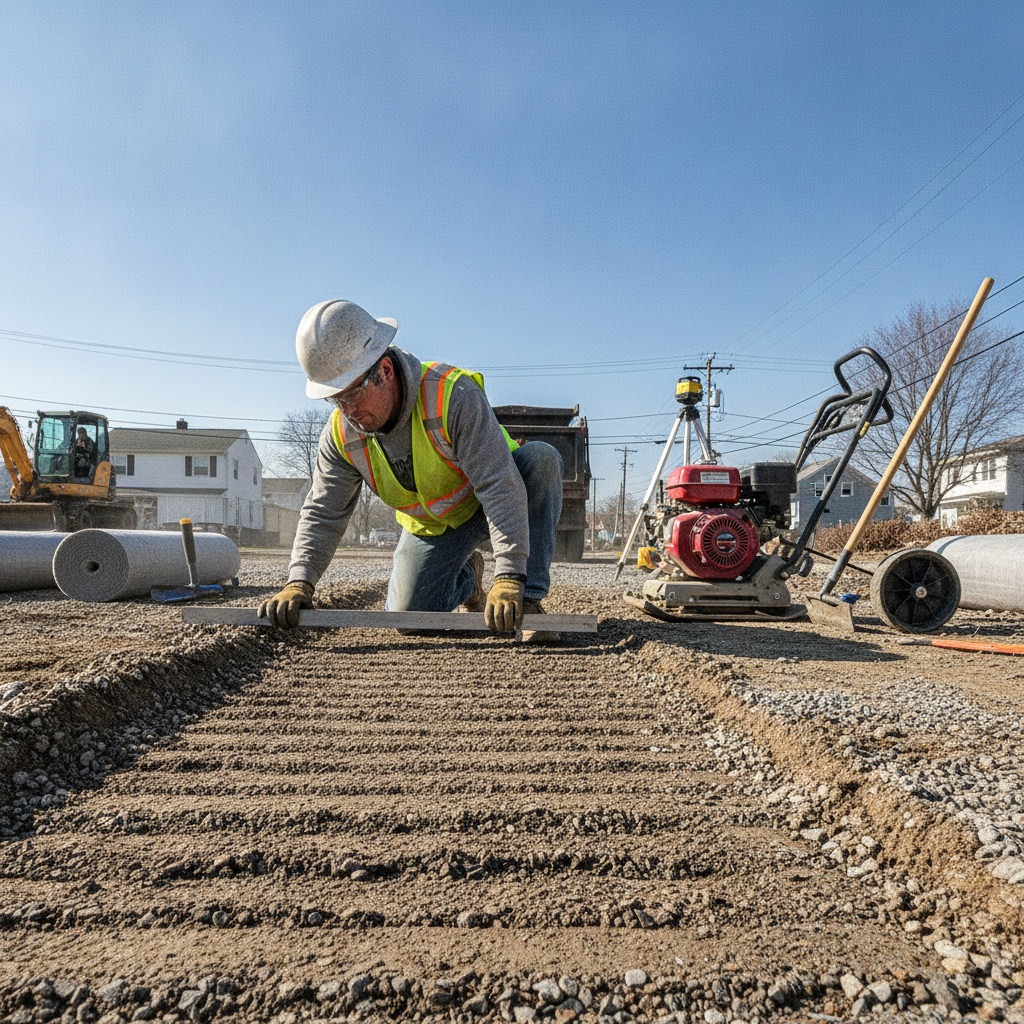
When it comes to keeping driveways, parking lots, and access roads in top shape, few factors are as critical as the foundation beneath the surface. For small business owners, developers, and residents alike, understanding the importance of proper base preparation can mean the difference between a durable, long-lasting asphalt surface and one that quickly succumbs to cracks and potholes. If you’re considering asphalt repair Lodi NJ property owners often need, it’s essential to know that the visible layer is only part of the story. The groundwork underneath is what truly supports the pavement, ensuring it stands up to traffic, weather, and the test of time. In this article, we’ll explore why base preparation is the unsung hero of successful asphalt repairs, what the process involves, and how it impacts the longevity and performance of paved surfaces in this community and beyond. Whether you’re planning a small patch or a major lot overhaul, these insights will help you make informed decisions for your property.
Why the Foundation Matters for Asphalt Repairs
The strength and stability of any asphalt surface depend heavily on what lies beneath. A well-prepared base acts as the backbone of the pavement, distributing loads evenly and preventing premature cracking or sinking. Without a solid foundation, even the best asphalt mix and expert installation can fail to deliver lasting results. For those seeking reliable repairs, it’s important to visit our site to learn about the foundational steps that set the stage for success. Ignoring the base can lead to costly, recurring issues that require frequent fixes and disrupt your business or daily routine. Investing in proper preparation pays off by extending the life of your asphalt and reducing long-term maintenance.
Key Steps in Preparing the Sub-Base
Preparing the sub-base is a multi-step process that requires attention to detail and expertise. The area is first excavated to remove old material and debris, followed by grading to ensure proper water drainage. Next, layers of crushed stone or gravel are added and compacted to create a stable, even surface. This not only supports the asphalt but also helps prevent water from pooling underneath, which can cause erosion and weakening over time. For commercial projects, proper base preparation for asphalt is especially crucial, as heavy vehicles and higher traffic volumes demand extra durability. Skipping any of these steps can compromise the entire repair, leading to uneven surfaces and early failure.
Common Issues Caused by Inadequate Base Work
When the base is not properly prepared, a range of problems can arise soon after the repair is completed. The most common issues include cracking, rutting, and pothole formation, all of which can be traced back to insufficient support beneath the asphalt. These defects not only detract from the appearance of your property but also create safety hazards for vehicles and pedestrians. If you notice frequent repairs are needed, it may be time to consult an Asphalt Repair Company in Lodi, NJ that prioritizes thorough base work. Addressing the root cause rather than just the surface symptoms ensures longer-lasting, more cost-effective results for your pavement.
How Soil Conditions Affect Asphalt Longevity
The type and condition of the soil beneath your pavement play a significant role in how well the asphalt holds up over time. Clay-rich soils, for example, tend to retain water and expand or contract with temperature changes, which can lead to shifting and cracking. Sandy soils, on the other hand, may not provide enough support unless properly compacted and stabilized. Local property owners should be aware of these variables, as they can influence the thickness and composition of both the base and the asphalt layer. For more insights on this topic, check out What Homeowners in Lodi, NJ Should Know About Asphalt Driveway Thickness. Understanding your site’s unique characteristics helps ensure the repair is tailored for maximum durability.
The Impact of Drainage on Pavement Performance
Effective drainage is a critical aspect of any successful asphalt repair. Water that seeps beneath the surface can erode the base, weaken the pavement, and accelerate the formation of cracks and potholes. Proper grading and the use of drainage materials, such as geotextile fabrics or perforated pipes, are essential for directing water away from the pavement structure. Commercial properties, in particular, benefit from these strategies, as they often experience higher volumes of runoff. Learn more about the benefits of good drainage in commercial settings by exploring How Commercial Asphalt Paving Supports Business Curb Appeal in Lodi, NJ. Investing in drainage solutions during base preparation protects your investment and keeps your property looking its best.
Choosing the Right Materials for a Strong Base
Selecting the appropriate materials for the sub-base is a vital step in achieving a resilient asphalt surface. Crushed stone, gravel, and recycled aggregate are commonly used, each offering different benefits depending on the specific site conditions. The ideal base material should be free-draining, easy to compact, and able to withstand the expected traffic loads. In some cases, a combination of materials may be used to balance cost and performance. Local contractors often assess the soil type, intended use, and climate before recommending the best base composition. By prioritizing quality materials, property owners can help ensure their repairs stand up to daily wear and seasonal changes, reducing the need for frequent maintenance.
Compaction: The Secret to a Stable Surface
Proper compaction is a crucial, often overlooked aspect of base preparation. Using heavy rollers or compactors, contractors compress the base material to eliminate air pockets and create a dense, stable layer. This process ensures the base can adequately support the asphalt and resist shifting under load. Inadequate compaction can result in settlement, leading to uneven surfaces and early deterioration. For best results, each layer of the base is compacted separately before the next is added. This attention to detail during preparation is what separates a temporary fix from a long-term solution, providing peace of mind for property owners and a smoother experience for everyone who uses the surface.
Recognizing Signs of Base Failure
Identifying early signs of base failure can save property owners time and money. Common indicators include persistent puddles, surface depressions, and cracks that reappear soon after repairs. These symptoms suggest that water is penetrating the base or that the foundation is shifting under traffic. If left unaddressed, these issues can escalate, requiring more extensive and costly repairs. Regular inspections and prompt attention to problem areas help maintain the integrity of your pavement. Consulting with experienced professionals ensures that repairs address not just the surface but also any underlying base deficiencies, leading to more durable and reliable results.
How Weather and Seasons Influence Base Preparation
Weather conditions play a significant role in the success of asphalt repairs. Heavy rain, freezing temperatures, and rapid temperature swings can all impact the stability and compaction of the base. Ideally, repairs are scheduled during dry, moderate weather to allow for proper curing and compaction. In colder regions, contractors may use additives or special techniques to prevent frost heave and ensure the base remains stable throughout the winter. Understanding local climate patterns helps property owners and contractors plan repairs at the optimal time, reducing the risk of weather-related failures and extending the life of the pavement.
Comparing Asphalt Repair Methods and Their Base Requirements
Different asphalt repair techniques require varying levels of base preparation. For example, full-depth patching involves removing and replacing both the asphalt and the base, ensuring a like-new foundation. Surface overlays, on the other hand, may only address the top layer, which can be problematic if the base is compromised. Infrared repairs blend new and existing asphalt but still rely on a stable base for effectiveness. Choosing the right repair method depends on the severity of the damage and the condition of the underlying layers. Property owners should work with professionals to assess which approach will deliver the best long-term results for their specific situation.
Cost Considerations: Investing in Quality Base Work
While it may be tempting to cut costs by skimping on base preparation, this approach often leads to higher expenses down the road. Investing in thorough, high-quality base work reduces the likelihood of recurring repairs and extends the lifespan of your pavement. The initial cost of proper preparation is offset by fewer disruptions, lower maintenance needs, and a more attractive property. Business owners and developers should view base preparation as a long-term investment rather than an optional expense. By prioritizing quality from the ground up, you protect your property and ensure a smoother experience for everyone who visits or does business at your location.
| Base Preparation Step | Purpose | Impact on Asphalt |
|---|---|---|
| Excavation | Removes old materials and debris | Prevents contamination and ensures a clean start |
| Grading | Shapes the surface for drainage | Reduces water pooling and erosion |
| Base Material Installation | Adds stability and support | Distributes loads and prevents shifting |
| Compaction | Densifies the base material | Ensures a stable, long-lasting surface |
| Final Inspection | Checks for uniformity and stability | Identifies and corrects potential weak spots |
Key Takeaways
Proper base preparation is the foundation of every successful asphalt repair, whether you’re maintaining a small driveway or a busy commercial lot. By focusing on excavation, grading, material selection, compaction, and drainage, property owners in this region can enjoy smoother, safer, and more durable pavement. Investing in quality base work not only extends the life of your asphalt but also minimizes future disruptions and costs. If you’re planning repairs, work with professionals who understand the unique challenges of local soil and weather conditions. With the right approach, your asphalt surface will remain strong and attractive for years to come, supporting your property’s value and curb appeal.
One Response