
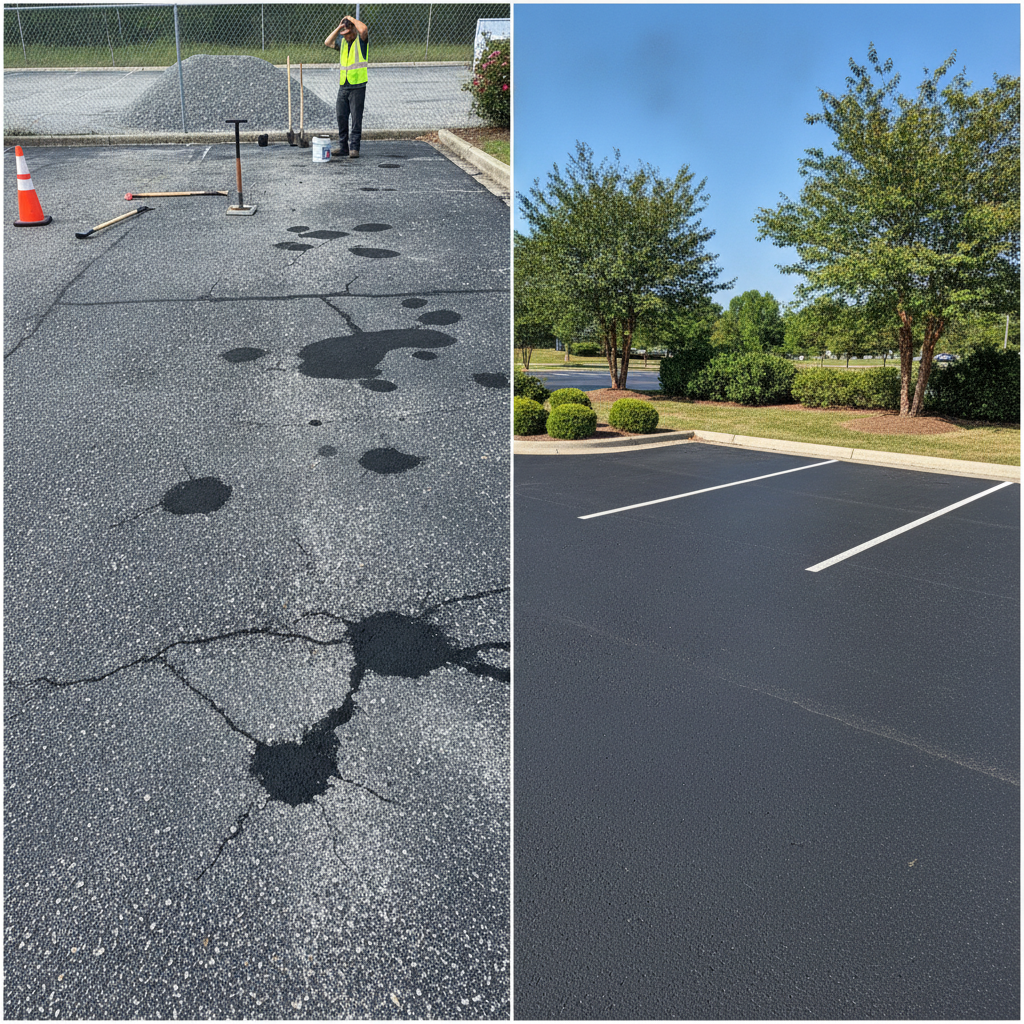
When it comes to maintaining commercial or residential parking lots, one of the most important decisions property owners face is whether to patch problem areas or resurface the entire lot. Both options address issues like potholes, cracks, and uneven surfaces, but they differ in scope, cost, and long-term effectiveness. If you’re considering Asphalt Repair Lodi NJ services, understanding the differences between patching and resurfacing can help you make the right choice for your property. This guide will walk you through the key factors to consider, from the underlying causes of asphalt damage to how each repair method impacts your lot’s longevity and curb appeal. Whether you manage a small business lot, oversee a larger commercial property, or simply want to keep your neighborhood looking its best, making an informed choice can save you money and headaches down the road.
Understanding Asphalt Damage: Causes and Signs
Asphalt is a durable material, but over time, it’s susceptible to a range of issues. Common causes of damage include water infiltration, freeze-thaw cycles, heavy vehicle loads, and exposure to UV rays. These factors can lead to cracks, potholes, raveling, and surface depressions. Early signs of trouble include small cracks and faded striping, which may seem minor but can quickly escalate if not addressed. Recognizing these problems early allows property owners to take action before minor flaws turn into major hazards. For those seeking a Lodi NJ asphalt patching service, understanding the root causes of damage is the first step toward effective maintenance and repair.
When Is Patching the Best Solution?
Patching is typically recommended when damage is localized to specific areas rather than widespread across the entire surface. This method involves removing the damaged asphalt and replacing it with fresh material, effectively restoring the structural integrity of the affected spot. Patching is cost-effective and can be completed quickly, making it ideal for fixing potholes, isolated cracks, or small surface failures. However, patching is not always suitable for lots with extensive wear or underlying base issues. For businesses looking for Asphalt Repair Lodi NJ solutions, patching provides a way to address urgent repairs without the expense of resurfacing the entire lot.
The Resurfacing Process: What to Expect
Resurfacing, also known as overlaying, involves applying a new layer of asphalt over the existing surface. This process restores the lot’s appearance and function, covering up widespread cracks, ruts, and minor depressions. Resurfacing is best suited for lots where the base is still structurally sound but the surface has suffered from age and weathering. The process typically includes cleaning the surface, repairing any major defects, and then laying down a fresh layer of asphalt. For those unsure whether patching or resurfacing is the right move, consulting with an Asphalt Repair Company in Lodi, NJ can help you assess the condition of your lot and plan the most effective solution.
Comparing Costs: Patching vs. Resurfacing
Cost is a major factor for property owners deciding between patching and resurfacing. Patching is generally less expensive upfront since it targets only specific areas. However, if patches are needed frequently, costs can add up over time. Resurfacing, while a larger investment, can extend the life of your lot by many years and reduce the need for repeated repairs. It’s important to consider not just the initial price, but also the long-term value and potential savings on future maintenance. For more detailed information on asphalt thickness and its impact on repair costs, see What Homeowners in Lodi, NJ Should Know About Asphalt Driveway Thickness.
How Commercial Properties Benefit from Full Resurfacing
For warehouses, industrial yards, and other commercial properties, the demands on asphalt are often much greater than for residential lots. Heavy trucks, frequent traffic, and the need for a professional appearance make full resurfacing an attractive option. Resurfacing can address widespread wear, improve drainage, and provide a smooth, safe surface for employees and customers. In addition, a newly resurfaced lot can enhance curb appeal and property value. For business owners interested in large-scale upgrades, Commercial Asphalt Paving for Warehouses and Industrial Yards in Lodi, NJ offers tailored solutions to meet demanding needs.
Longevity and Maintenance Considerations
The lifespan of your asphalt lot depends on the quality of installation, the frequency of maintenance, and the repair methods you choose. Patching can extend the life of a lot with minor issues, but if the underlying base is compromised, problems may reappear. Resurfacing, on the other hand, provides a more uniform surface and can add a decade or more to your lot’s life if maintained properly. Regular sealcoating, prompt crack filling, and keeping the surface clean all contribute to maximizing your investment, regardless of the repair method. Property owners should weigh the benefits of each approach in the context of their long-term maintenance plans.
Assessing Your Lot: Key Factors to Evaluate
Before deciding on patching or resurfacing, it’s crucial to evaluate the current condition of your asphalt. Look for patterns in the damage: are cracks isolated or widespread? Is the surface uneven in multiple locations, or just one area? Check for drainage issues, as standing water can indicate deeper problems. The age of your lot, previous repair history, and the type of traffic it supports all play a role in determining the most effective solution. Consulting with a local paving professional can provide valuable insights and help you avoid unnecessary expenses or premature replacements.
Environmental Impact of Asphalt Repairs
Sustainability is an increasing concern for property owners and developers. Both patching and resurfacing have environmental considerations. Patching uses less material and generates less waste, making it a greener option for small repairs. Resurfacing, however, often incorporates recycled asphalt, reducing the need for new raw materials. Advances in asphalt technology have also led to more eco-friendly binders and improved drainage solutions that minimize runoff. Choosing the right repair method can help you balance environmental responsibility with practical needs, especially when working with contractors who prioritize sustainable practices.
Impact on Curb Appeal and Safety
The appearance and safety of your lot are important for both business and residential properties. Patching can sometimes leave visible seams or color differences, which may affect curb appeal. Resurfacing creates a uniform, fresh look that can enhance the overall impression of your property. More importantly, a smooth surface reduces tripping hazards and improves vehicle traction, contributing to a safer environment for pedestrians and drivers alike. When considering repairs, think about how each option will impact not just function, but also the visual and safety standards you want to maintain.
Making the Decision: Questions to Ask Your Contractor
Choosing between patching and resurfacing is not always straightforward. Before committing, ask your contractor about the underlying causes of your lot’s damage, the expected lifespan of each repair option, and any warranties offered. Discuss how long the work will take, whether it will disrupt business operations, and what kind of maintenance will be required afterward. A reputable contractor should be able to provide a detailed assessment and recommend the solution that best fits your property’s needs and budget. Gathering this information ensures you make a confident, informed decision that will serve your lot well for years to come.
| Repair Method | Best For | Typical Lifespan | Estimated Cost |
|---|---|---|---|
| Patching | Localized damage, potholes, small cracks | 2-5 years (per patch) | Lower upfront, higher if frequent |
| Resurfacing | Widespread surface wear, faded lots | 8-15 years | Higher upfront, lower long-term |
Final Thoughts
Choosing between asphalt patching and resurfacing is a significant decision for property owners in this community. Both methods offer unique benefits, and the right choice depends on the extent of damage, your budget, and your long-term goals for the lot. Patching is ideal for isolated issues and quick fixes, while resurfacing provides a comprehensive upgrade for aging or heavily used lots. By understanding the causes of asphalt deterioration, weighing the costs, and considering the impact on safety and appearance, you can make a choice that protects your investment and keeps your property looking its best. Always consult with a trusted local contractor to evaluate your specific situation and ensure the work is done to the highest standards. With the right approach, your asphalt lot can serve your needs reliably for many years to come.
3 Responses