
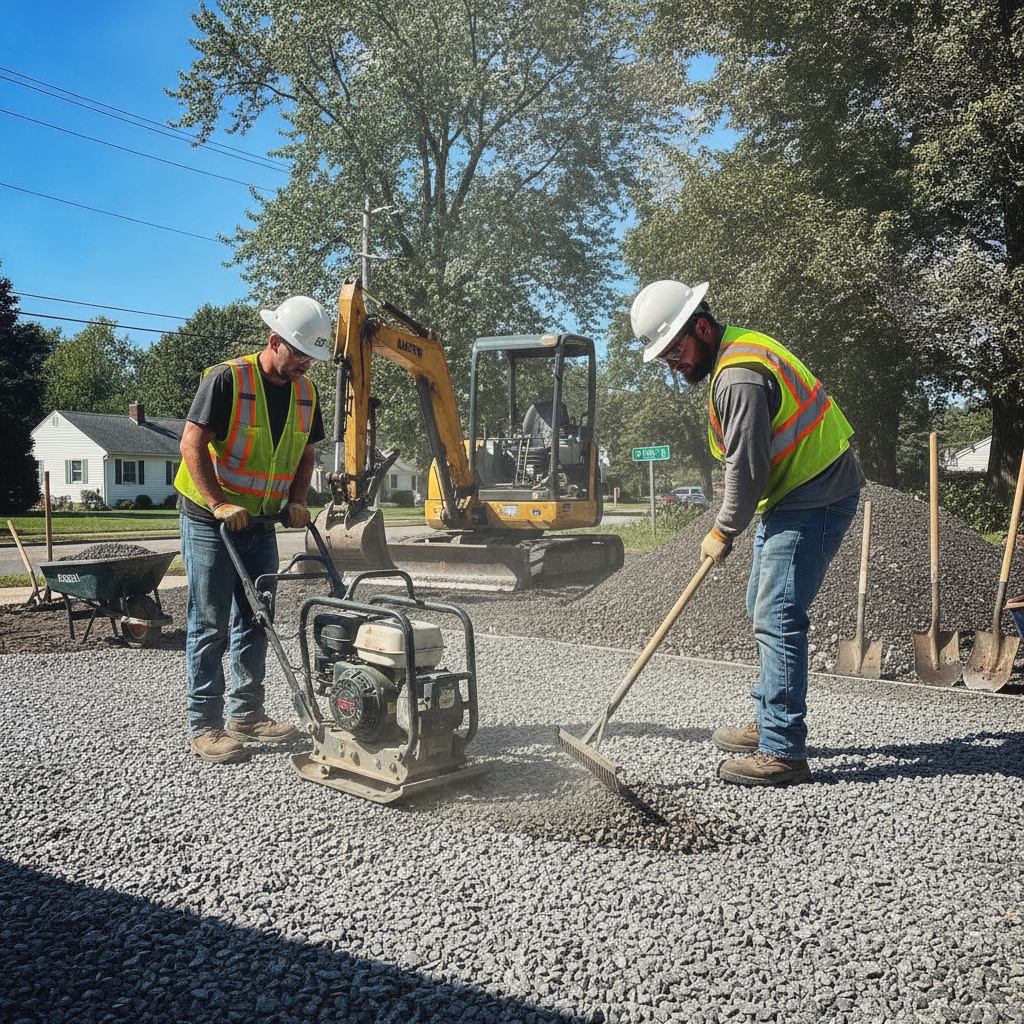
When it comes to installing a new driveway, the excitement of a fresh, smooth surface often overshadows the critical groundwork that makes it all possible. For anyone considering residential asphalt paving Lodi NJ property owners trust, understanding the importance of base preparation is essential. The foundation beneath your driveway determines how well it stands up to daily traffic, harsh weather, and the test of time. Whether you’re a business owner, developer, or simply want a reliable surface for your home, knowing what goes into a proper base can save you from future headaches and costly repairs. In this article, we’ll dig into why base preparation is the unsung hero of every successful asphalt driveway, what steps are involved, and how it directly impacts the durability and performance of your investment. By the end, you’ll see why a strong start is the key to a long-lasting finish.
Understanding the Role of the Base Layer
The base layer is the backbone of any asphalt driveway. It serves as the supportive foundation that distributes weight, absorbs stress, and prevents shifting or cracking of the surface above. Without a well-constructed base, even the highest quality asphalt will eventually fail. The base typically consists of compacted gravel or crushed stone, which provides stability and drainage. This layer must be carefully graded and leveled to ensure water flows away from the driveway, reducing the risk of pooling and erosion. Investing in a strong base is not just a technical requirement, it’s a smart way to protect your property and maximize the value of your Residential Asphalt Paving Lodi NJ project for years to come.
Key Steps in Proper Asphalt Driveway Preparation
Preparing for an asphalt driveway installation involves more than just laying down materials. The process starts with removing existing surfaces, such as old pavement or vegetation, to create a clean slate. Next, the subgrade is assessed and, if necessary, amended to address soft spots or poor soil conditions. After that, the base material is spread and compacted in several layers, each one checked for proper thickness and uniformity. Grading is crucial to ensure water runoff, and the edges are reinforced for added strength. Only after these steps is the asphalt applied. Skipping or rushing any stage of asphalt driveway preparation can lead to premature cracks, potholes, and costly repairs down the road.
How Soil Conditions Affect Driveway Longevity
Soil plays a significant role in the long-term performance of an asphalt driveway. Different soil types, such as clay, silt, sand, or loam, react differently under pressure and moisture. For example, clay soils can expand and contract with changing weather, leading to shifting and cracking above. Sandy soils, on the other hand, may not provide enough support unless properly compacted. This is why professional paving contractors always assess soil conditions before beginning work. By addressing these variables early, you can avoid many of the issues that prompt calls to an Asphalt Repair Company in Lodi, NJ later on. A tailored approach to base preparation ensures your driveway is built to withstand the specific challenges of your property’s landscape.
Drainage Solutions for Lasting Asphalt Performance
Effective drainage is one of the most important factors in preventing asphalt damage. Water that seeps beneath the surface can weaken the base, cause erosion, and lead to cracks or potholes. Proper grading, the use of quality base materials, and the installation of drainage channels or French drains are all strategies that help direct water away from the driveway. In some cases, adding a slight slope or crown to the surface is necessary to ensure runoff. These techniques are especially important when Choosing Between Asphalt Patching and Resurfacing for Lodi, NJ Lots or residential driveways. Investing in drainage solutions during the initial installation can prevent expensive repairs and extend the life of your driveway.
The Impact of Seasonal Changes on Base Preparation
Seasonal weather shifts can have a dramatic effect on both the installation and longevity of an asphalt driveway. Freezing and thawing cycles, heavy rains, and extreme heat all put stress on the base and the surface above. Preparing the base during the optimal season ensures materials are properly compacted and moisture levels are controlled. For example, paving during late spring or early fall, when temperatures are moderate, can lead to better results. Understanding the Best Time of Year for Residential Asphalt Paving in Lodi, NJ helps property owners plan projects for maximum durability. Contractors may also adjust base thickness or materials based on expected weather conditions, further safeguarding your investment.
Common Base Preparation Mistakes to Avoid
Even experienced property owners and contractors can fall into common traps during base preparation. One frequent mistake is underestimating the importance of soil compaction, which can result in uneven settling and surface cracks. Using subpar or insufficient base materials is another pitfall that compromises the driveway’s strength. Failing to grade the base for proper drainage can lead to water pooling and eventual erosion. Lastly, rushing the process or skipping quality checks between layers can create hidden weaknesses. By being aware of these mistakes and working with reputable professionals, you can ensure your driveway is built on a solid foundation that stands the test of time.
Comparing Asphalt Base Materials: What Works Best?
Choosing the right base material is a key decision in the driveway installation process. Crushed stone and gravel are the most common choices, each offering unique benefits. Crushed stone provides excellent compaction and drainage, making it ideal for areas with heavy rainfall. Gravel is often more affordable and easier to work with, but may require additional stabilization in certain soil conditions. In some cases, recycled materials can be used for eco-friendly projects, though they must meet strict quality standards. The best option depends on your property’s needs, local climate, and budget. Consulting with a knowledgeable contractor ensures you select the material that will deliver the longest-lasting results for your driveway.
The Science Behind Compaction and Stability
Compaction is the process of compressing base materials to eliminate air pockets and create a dense, stable foundation. This step is crucial because any voids or loose areas can lead to settling, surface deformation, or cracking over time. Contractors use heavy rollers or plate compactors to achieve the desired density, often making several passes over each layer. The science is straightforward: a well-compacted base can better distribute loads and resist the forces of nature and traffic. Skipping or inadequately performing this step is a recipe for future problems, making compaction one of the most important aspects of asphalt driveway installation.
Signs of a Well-Prepared Base Layer
How can you tell if your driveway’s base was properly prepared? Look for even grading, firm edges, and a compacted surface that feels solid underfoot. There should be no soft spots, loose gravel, or visible ruts. Water should flow smoothly away from the center, with no pooling or puddling after rain. If you notice these signs, it’s a good indication that your contractor took the necessary steps to ensure a durable foundation. A well-prepared base not only supports the asphalt above but also helps prevent costly repairs and extends the life of your investment, giving you peace of mind for years to come.
Cost vs. Value: Investing in Quality Base Preparation
It’s tempting to cut costs by skimping on base preparation, but this short-term savings can lead to long-term expenses. A poorly constructed base often results in frequent repairs, resurfacing, or even complete replacement. On the other hand, investing in quality materials and expert installation pays off with a driveway that lasts for decades. Property owners should view base preparation as a crucial investment in their property’s value and curb appeal. While the upfront cost may be higher, the reduction in maintenance and repair expenses over time makes it a wise financial decision. Quality base work is the foundation of a driveway that looks great and performs reliably year after year.
| Base Material | Benefits | Considerations |
|---|---|---|
| Crushed Stone | Excellent drainage, high stability, long-lasting | Higher cost, heavier equipment needed |
| Gravel | Affordable, easy to spread, good compaction | May require stabilization, less durable in wet areas |
| Recycled Materials | Eco-friendly, cost-effective, reduces waste | Must meet quality standards, variable performance |
Bringing It Together
A beautiful, long-lasting asphalt driveway starts with what’s beneath the surface. Base preparation is not just a technical step, it’s the foundation that supports everything above. From soil assessment and material selection to compaction and drainage, every detail matters. Skipping or rushing these steps can lead to headaches and unexpected costs down the line. By prioritizing quality base work, property owners in this community can enjoy driveways that look great, perform reliably, and add value to their properties for years. Whether you’re planning a new installation or evaluating an existing surface, remember that a strong start is the key to a successful finish. Partnering with experienced professionals ensures your investment is protected from the ground up.
2 Responses