
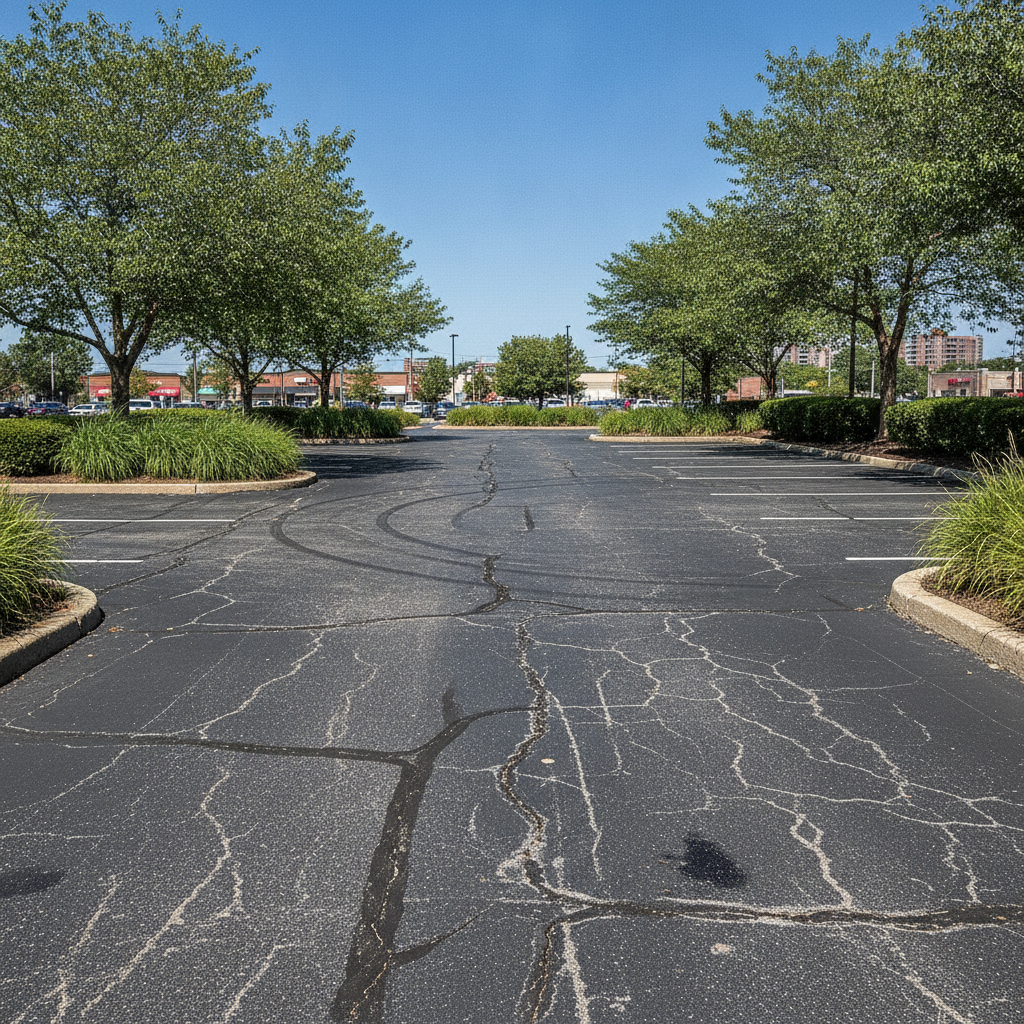
Walk across any busy parking lot at 8 a.m. and you can read its history in the pavement. The darker, polished lanes where delivery trucks turn, the shallow dips near the dumpster pad, the spiderweb cracks around the main entrance: all of it tells a story about repeated load, repeated turning, and repeated weather. For anyone who manages commercial or multi-unit property, understanding that story is the first step toward smarter maintenance. This guide focuses on how traffic intensity shapes pavement damage, and why Asphalt Repair Lodi NJ property managers schedule today is cheaper than the emergency work that follows a neglected lot.
High-traffic asphalt does not fail at random. It fails in predictable places, for predictable reasons, and usually on a predictable timeline. Once you know what to look for, you can inspect your own property, rank problems by urgency, and talk to a contractor with confidence. We will walk through the physics of wear, the zones that suffer most, the warning signs worth acting on, and a practical way to plan repairs without disrupting tenants, customers, or deliveries. Think of it as a field guide for anyone responsible for pavement that thousands of tires cross every month.
Why Heavy Traffic Wears Asphalt Differently
Asphalt is a flexible pavement. It is built to bend slightly under load and recover, which is why it handles temperature swings better than rigid surfaces. But flexibility has limits. Every pass of a vehicle presses the surface down and sends stress into the base below. A passenger car barely registers, while a loaded box truck or garbage hauler delivers many times that stress in a single pass.
Over thousands of repetitions, the binder that holds the stone together fatigues. Fine cracks form, water enters, and the cycle accelerates. Understanding asphalt wear starts with this idea of cumulative load. A lot that sees constant stop-and-go movement ages far faster than a quiet driveway of the same age, even when both were installed with identical materials and care.
Speed matters too. Slow-moving or stationary loads, such as a truck idling at a loading dock, give the surface more time to deform, which is why softening and indentation show up in specific spots rather than across the whole lot.
The Hot Spots on a Commercial Lot
Most properties have the same handful of trouble zones. Entrances and exits take the brunt, because every vehicle brakes, turns, and accelerates there. Drive lanes that run straight through a lot carry the highest volume, so they develop wheel-path rutting first. Corners and curves suffer from twisting forces, where tires scrub the surface as they pivot.
Then come the stationary zones: loading docks, dumpster pads, bus stops, and drive-through queues. These areas combine heavy weight with long dwell times, and they often leak fluids that soften the binder. Parking stalls, by contrast, usually hold up well because vehicles park lightly and leave quickly.
A smart inspection starts by mapping these zones. Walk the property, sketch where vehicles actually travel, and note the age and condition of each area separately. A single lot often contains three or four different wear patterns, and treating it as one uniform surface leads to either overspending in healthy areas or underspending where damage is advancing.
Reading the Warning Signs Early
Pavement rarely fails overnight. It gives signals, and the earlier you catch them, the simpler the fix. Hairline cracks are the first stage, and they usually look harmless. Alligator cracking, a web of interconnected cracks that resembles reptile skin, signals that the layer beneath is losing support. Ruts, which are shallow channels in the wheel paths, mean the surface is deforming under load.
Raveling, where small stones loosen and scatter, tells you the binder has dried out. Potholes are the final stage, not the first, and by the time one appears the surrounding area is typically compromised as well. Standing water after rain points to low spots that will keep deteriorating.
If you want a sense of what professional evaluation looks like, an experienced Asphalt Repair Company in Lodi, NJ will assess these signs together rather than in isolation. A crack near a drain means something different than the same crack in the middle of a quiet lane, and context shapes the right repair choice.
Seasonal Stress in the Northeast
Climate multiplies the effect of traffic. In this part of New Jersey, pavement cycles through freezing nights, warm afternoons, heavy rain, and summer heat. Water that seeps into a small crack freezes, expands, and pries the opening wider. When it thaws, the gap is larger and ready to take on more water. Repeat that a few dozen times each winter and a minor flaw becomes a structural problem.
Summer brings its own challenge. Hot asphalt softens, so heavy vehicles that would leave no mark in October can press ruts into the same surface in July. Road salt and de-icing chemicals add another layer of attack, speeding up binder breakdown and surface scaling.
The practical lesson is timing. Inspect in spring, once the freeze-thaw season has revealed what winter did, and again in early fall, before the next round of cold arrives. Repairs made in those windows have the best chance to cure properly, and they keep small defects from becoming expensive winter emergencies.
Matching the Repair to the Damage
Not every defect needs the same treatment. Crack sealing suits narrow, stable cracks where the base is sound. Patching handles localized failures, from small potholes to sunken sections, by removing the damaged material and replacing it. Mill-and-overlay works when the surface layer has worn out but the foundation remains solid. Full-depth reconstruction is reserved for areas where the base itself has failed.
The key is diagnosing depth. A surface patch over a failing base will fail again within months, wasting the investment. A full rebuild over a surface-only problem burns budget that could have funded other work. Cores, probing, and careful observation help determine which layer is actually at fault.
For owners managing larger sites, planning ahead pays off. Reading about Maximizing Lifespan with Commercial Asphalt Resurfacing in Lodi, NJ can help you understand how resurfacing fits into a longer maintenance plan rather than serving as a one-time rescue.
Residential Parallels Worth Noticing
Commercial managers sometimes overlook how closely their challenges mirror those of homeowners, just at a larger scale. A shared driveway at a townhouse community or a long private drive at a mixed-use property faces the same cracking, edge crumbling, and drainage issues, only with more vehicles pressing on it.
Curb appeal also matters in both worlds. A cracked, faded entrance sends a message about how a property is maintained, whether it is a single-family home or a professional building. Fresh, well-kept pavement signals care and stability to visitors before they ever step inside.
If you oversee residential-style surfaces alongside commercial ones, it helps to understand both approaches. You can learn more here about how residential paving projects are typically handled, then compare the scope, thickness, and expectations with your commercial needs.
Drainage: The Silent Multiplier
If traffic is the hammer, water is the crowbar. Even a perfectly built lot will fail early if it holds water. Flat spots, clogged catch basins, and cracked gutters allow moisture to linger on the surface and seep into the base. Wet bases lose strength, and a weakened base cannot support the loads above it.
During a rainstorm, walk the property and watch where water goes. Puddles that remain hours after rain mark depressions that need correcting. Water streaming across a drive lane instead of toward a drain suggests grading problems. Pay attention to edges, where runoff often undercuts the pavement and causes crumbling.
Sometimes the most effective repair is not on the asphalt at all. Clearing drains, repairing downspout discharge, and regrading small low spots can extend pavement life more than a fresh layer of material. Always check drainage before approving any major paving scope, because new asphalt on a wet base will repeat the same failure.
Choosing Where to Spend First
Budgets are finite, so prioritization matters. A simple ranking system keeps decisions objective. Start with safety: anything that creates a trip hazard, a vehicle hazard, or an accessibility problem goes to the top. Next, address defects that let water reach the base, since those grow fastest. Then handle problems in the highest-traffic zones, where deterioration compounds quickly. Cosmetic issues come last.
The table below offers a quick reference for sorting common defects by urgency and typical response.
| Defect | Typical Urgency | Common Response |
|---|---|---|
| Potholes | Immediate | Cut out and patch |
| Alligator cracking | High | Base repair or removal and replacement |
| Wheel-path rutting | Moderate to high | Mill and overlay |
| Narrow linear cracks | Moderate | Crack sealing |
| Raveling or fading | Low to moderate | Sealcoat or resurfacing |
Scheduling Work Around Daily Operations
The best repair plan still fails if it shuts down your business. Phasing is the answer. Divide the lot into sections and work on one at a time, keeping customer parking and delivery access open elsewhere. Early morning, evening, and weekend windows often suit retail and office properties, while apartment communities may prefer midday work when most residents are away.
Communicate early and clearly. Post signs several days ahead, notify tenants by email, and mark closed areas with cones and barriers. Remind everyone that fresh asphalt needs curing time before it can carry heavy loads, and that turning wheels while stationary can scuff new surfaces.
Weather flexibility is also important. Good paving needs dry conditions and suitable temperatures, so build a backup schedule. A contractor who offers realistic timelines and a contingency plan will save you far more frustration than one who promises a perfect schedule and cannot deliver it.
Building a Simple Inspection Routine
Consistency beats intensity. A short, regular inspection catches problems that a once-a-decade assessment would miss. Walk the property twice a year with a notebook or phone, photographing each defect with a landmark for scale. Over time, those photos create a record showing how quickly damage is advancing.
- Check entrances, exits, and turning areas first, since they wear fastest.
- Look at drainage after a storm, not just on dry days.
- Measure crack width and note whether it grows between visits.
- Track fluid stains near docks, dumpsters, and drive-throughs.
- Record the date and cost of every repair for future planning.
If you want a visual benchmark for what well-maintained pavement can do for a property’s image, consider reading Residential Asphalt Paving and Curb Appeal: A Lodi, NJ Homeowner’s Guide, which shows how surface condition shapes first impressions in a neighborhood setting.
Working With a Contractor You Can Trust
The right partner makes every other step easier. Look for a contractor who inspects before quoting, explains the cause of each defect, and offers more than one option. Be cautious of anyone who recommends full replacement without showing you why, or who proposes a cheap surface fix for a problem that clearly starts in the base.
Ask about drainage, preparation, compaction, and material thickness, because those details determine how long a repair lasts. A written scope, a clear timeline, and a stated warranty are all signs of a professional operation. References from similar properties are valuable, since a contractor who understands busy commercial sites will plan around your traffic rather than ignore it.
Finally, favor communication. Responsiveness before the job usually predicts responsiveness during it. A contractor who answers questions plainly and follows up after completion is worth more than a slightly lower bid from someone who disappears once the check clears.
Your Next Steps
High-traffic pavement is a working asset, and like any asset it rewards attention. The main lessons are simple. Wear follows load, so identify where vehicles actually travel and focus on those zones first. Water multiplies damage, so protect drainage before you spend on surface work. Small defects grow quickly, so act on cracks and soft spots while they are still inexpensive to fix.
Match each repair to the real depth of the problem, and resist the temptation to treat every flaw the same way. Plan work in phases so your tenants, customers, and deliveries keep moving. Keep notes and photos so you can track change over time and justify budget decisions with evidence rather than guesswork.
Start this week with a simple walk around your property. Sketch the traffic paths, mark the trouble spots, and rank them by safety and water risk. Then bring that list to a qualified professional and ask for options at different price points. A short, informed conversation now can prevent a long, costly closure later. Treat your pavement as an investment in the way people experience your property every day, and it will repay you with years of smoother, safer service.
One Response