
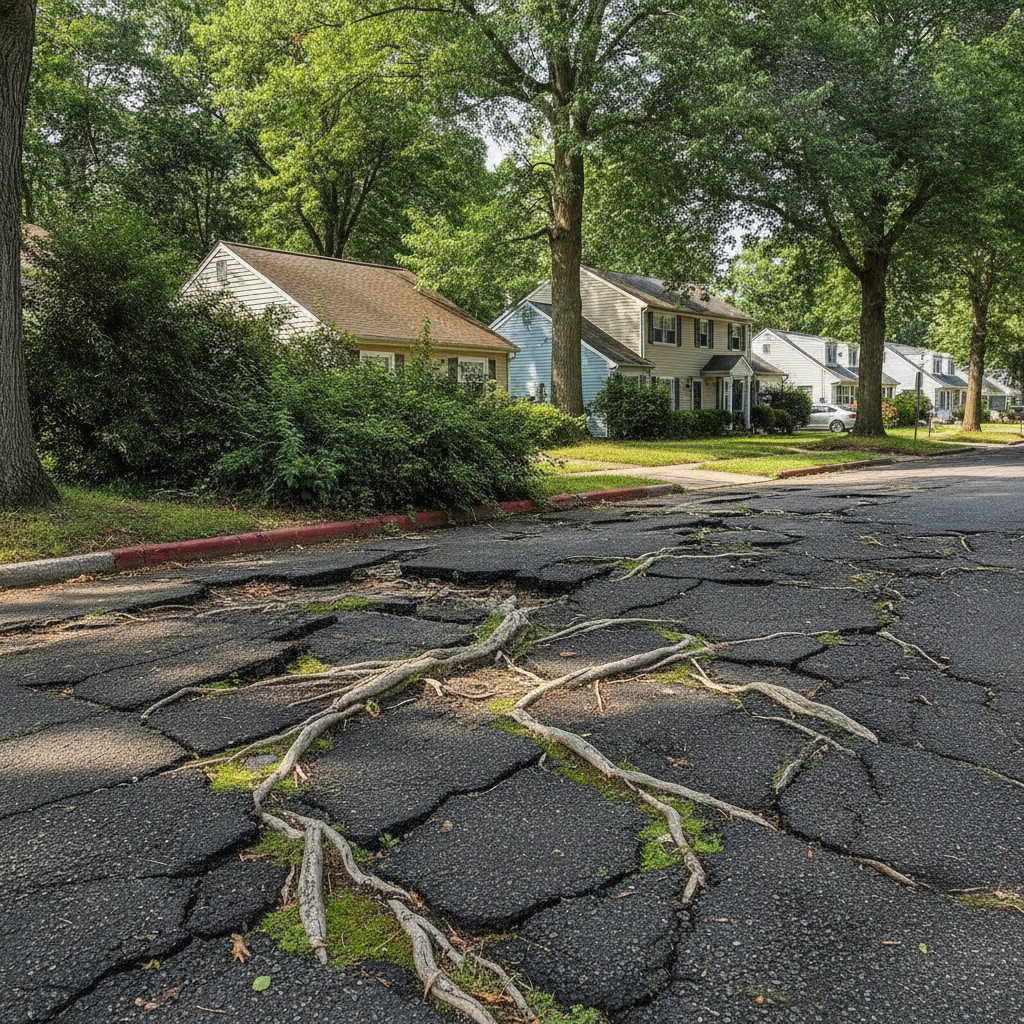
Asphalt surfaces are a staple of modern infrastructure, providing smooth and durable driveways, parking lots, and walkways for homes and businesses alike. Yet, even the most expertly installed asphalt can face unique challenges, especially when it comes to the natural forces at play beneath the surface. In the area, tree roots and shifting ground are two major culprits that can lead to unexpected damage and costly repairs. If you’re considering asphalt repair Lodi NJ property owners often need, understanding how these forces interact with your pavement is crucial. This article explores the science behind tree root growth, ground movement, and their combined impact on asphalt, offering practical insights for small business owners, developers, and anyone who wants to protect their investment in this community.
How Tree Roots Disrupt Asphalt Surfaces
Tree roots are constantly searching for water and nutrients, often extending far beyond the tree’s canopy. As they grow, these roots can push up against asphalt from below, causing cracks, bumps, and even large upheavals in what was once a smooth surface. This process is gradual but relentless, with roots exploiting even the smallest gaps or weaknesses in the pavement. Over time, the pressure from expanding roots can create visible deformities, making the surface unsafe for vehicles and pedestrians. For property owners, these asphalt problems are not just cosmetic, they can lead to liability issues and increased maintenance costs if left unaddressed.
The Science Behind Ground Movement and Asphalt Damage
Ground movement isn’t always dramatic, but even subtle shifts in the soil can have a significant impact on asphalt. Seasonal changes, freeze-thaw cycles, and variations in soil moisture can all cause the ground to expand or contract. When the substrate beneath asphalt moves, the pavement above is forced to flex and bend. Asphalt is strong, but it’s not designed to withstand repeated movement without eventually cracking or settling unevenly. This is especially true in regions where soil composition varies or where water drainage is poor. Local property owners often notice that these issues become more pronounced after heavy rains or sudden temperature changes. Working with professionals like Parkway Paving LLC can help address these underlying causes before they turn into major repair projects.
Common Signs of Root and Soil-Related Asphalt Issues
Recognizing the early warning signs of root and ground movement damage can save property owners time and money. Look for raised sections of pavement, uneven surfaces, or cracks that seem to radiate outward from the edge of a driveway or lot. In some cases, you might notice that water pools in certain areas, indicating a loss of proper drainage due to shifting ground. Tree roots can also create visible ridges or bumps, especially near mature trees. If you spot any of these issues, contacting an Asphalt Repair Company in Lodi, NJ early can prevent minor damage from becoming a major headache.
Preventative Strategies for Property Owners
The best way to handle root and ground movement issues is to prevent them before they start. When planning new asphalt installations, consider the location of existing trees and the types of soil present on your property. Installing root barriers, improving drainage, and choosing flexible asphalt mixes can all help minimize future damage. Regular inspections are also key, catching small cracks or surface changes early makes repairs simpler and less expensive. For commercial properties, consulting with experts in Commercial Parking Lot Paving in Lodi, NJ: Planning for Heavy Use and Longevity can provide tailored solutions that account for both traffic demands and environmental factors.
Choosing the Right Asphalt Mix for Your Needs
Not all asphalt is created equal, and the mix you choose can make a big difference in how well your pavement stands up to tree roots and shifting ground. Some mixes are designed with added flexibility, allowing them to absorb minor movements without cracking. Others are reinforced with polymers or fibers for extra strength. The right choice depends on your property’s unique conditions, including soil type, expected traffic, and proximity to large trees. For business owners, reviewing options with a paving professional can help ensure a longer-lasting surface. Learn more about Choosing the Right Asphalt Mix for Commercial Parking Lots in Lodi, NJ to make informed decisions for your next project.
How Tree Species Affect Pavement Longevity
Different tree species have varying root structures and growth patterns, which can influence how much they impact nearby asphalt. For example, willow and poplar trees are known for their aggressive roots that spread widely and can cause significant upheaval. In contrast, trees like oaks or maples tend to have deeper, less invasive roots. When landscaping near asphalt, consider the long-term implications of your tree choices. Consulting with an arborist can help you select species that are less likely to disrupt pavement, reducing the need for frequent repairs and preserving the appearance of your property for years to come.
Soil Types and Their Impact on Asphalt Stability
Soil composition plays a major role in how asphalt performs over time. Clay-heavy soils expand and contract significantly with moisture changes, leading to greater movement under the pavement. Sandy soils, on the other hand, drain well but may not provide enough support, causing settling or rutting. Loamy soils strike a balance but can still shift if not properly compacted. Understanding the soil type on your property allows for better preparation and the selection of appropriate asphalt mixes and installation methods. Soil testing before paving can reveal potential risks and inform strategies to enhance long-term stability and reduce repair needs.
Table: Comparing Root and Ground Movement Effects
| Cause | Typical Damage | Prevention |
|---|---|---|
| Tree Roots | Raised pavement, cracks, bumps | Root barriers, strategic tree placement |
| Ground Movement | Settling, uneven surfaces, alligator cracking | Soil testing, proper drainage, flexible asphalt mixes |
Repair Options for Damaged Asphalt
When damage from roots or ground movement becomes apparent, timely repairs are essential to prevent further deterioration. Depending on the extent of the problem, options range from simple crack filling and patching to more extensive resurfacing or full replacement. In cases where roots are the primary issue, it may be necessary to remove or trim offending roots and install barriers before repairing the pavement. For ground movement, improving drainage and stabilizing the base can help prevent recurring problems. Consulting with experienced paving contractors ensures that repairs address both the visible damage and the underlying causes, extending the life of your asphalt investment.
Balancing Tree Preservation with Pavement Health
Trees add beauty and value to any property, but their roots can be at odds with asphalt surfaces. Striking a balance between preserving mature trees and maintaining functional pavement requires thoughtful planning. Root pruning, installing physical barriers, and selecting less invasive tree species can help. In some cases, rerouting walkways or driveways away from large trees may be the best solution. Working with both arborists and paving professionals allows property owners to protect their landscape and infrastructure simultaneously, ensuring a harmonious coexistence for years to come.
Long-Term Maintenance Tips for Asphalt Surfaces
Regular maintenance is the key to prolonging the life of your asphalt, especially in areas where tree roots and ground movement are common. Schedule annual inspections to check for early signs of cracking or heaving. Sealcoating every few years can provide an extra layer of protection against moisture infiltration. Address drainage issues promptly to prevent water from undermining the pavement. If you notice new growth or changes near trees, monitor the area closely and consult professionals if problems arise. Proactive care not only saves money in the long run but also keeps your property looking its best.
Final Thoughts
Tree roots and ground movement are natural forces that can challenge even the most well-constructed asphalt surfaces in this city. By understanding how these elements interact with your pavement, you can take proactive steps to prevent damage and extend the lifespan of your investment. From choosing the right materials and planning installations carefully to maintaining a regular inspection schedule, property owners have a range of tools at their disposal. When issues do arise, addressing them promptly with the help of experienced professionals ensures safety, curb appeal, and long-term value. Whether you’re a business owner, developer, or homeowner, staying informed and vigilant is the best way to keep your asphalt in top condition for years to come.
One Response