
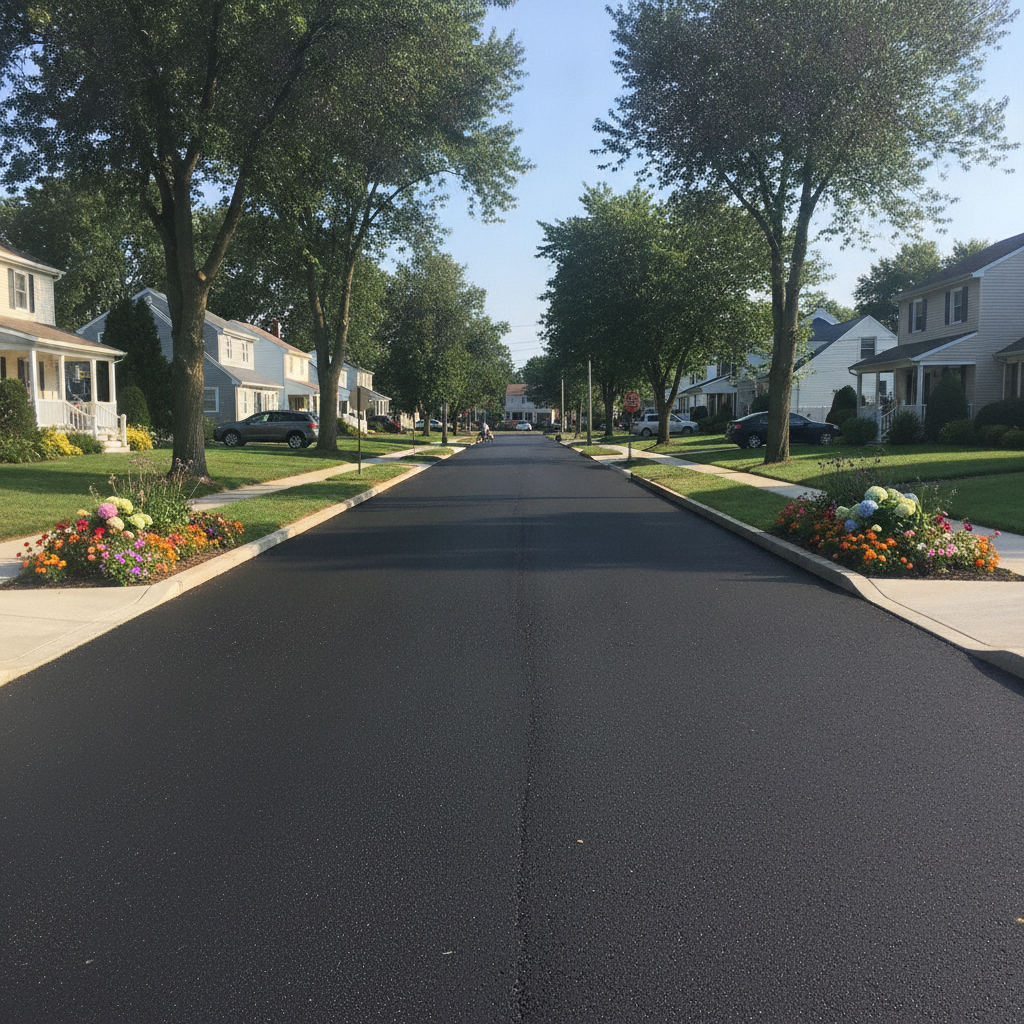
When planning a new driveway or resurfacing an existing one, most homeowners and property managers focus on materials and aesthetics. Yet, the foundation of a long-lasting, trouble-free asphalt surface often comes down to one critical factor: proper grading. For those considering Residential Asphalt Paving Lodi NJ projects, understanding how grading works and why it matters can be the difference between years of smooth driving and costly repairs. In this guide, we’ll explore what grading really means, why it’s essential for asphalt performance, and how it protects your investment from water damage, cracking, and uneven wear. Whether you’re a small business owner, developer, or simply looking to upgrade your home’s curb appeal, knowing the role of grading will help you make smarter decisions and ensure your pavement stands the test of time.
What Is Grading and Why Does It Matter?
Grading refers to the process of shaping and leveling the ground before installing any asphalt surface. It’s more than just smoothing out bumps, grading creates a subtle slope that directs water away from your pavement and foundation. Without this step, even the best asphalt can quickly deteriorate due to water pooling and erosion. In residential settings, proper grading for paving is especially vital because it prevents water from seeping under driveways or walkways, which can lead to cracks, potholes, and even structural damage. By ensuring the ground is prepared with the correct pitch and compaction, you set the stage for a durable, low-maintenance surface. To see how grading fits into the bigger picture, check out this overview of proper grading for paving and why it’s a non-negotiable step for any successful project.
Common Drainage Issues on Residential Properties
Drainage is one of the most overlooked aspects of residential paving, yet it’s often the root cause of many pavement failures. When water is allowed to collect on or beneath an asphalt surface, it can weaken the material, create freeze-thaw cycles, and cause premature cracking. In local neighborhoods, issues like uneven lawns, poor soil compaction, or nearby landscaping can all contribute to drainage problems. Homeowners may notice puddles forming after rain, or water running toward their foundation instead of away from it. These signs indicate that grading may not have been done correctly, or that changes in the landscape have altered water flow. Addressing these issues early is crucial, and working with experts like Parkway Paving LLC can help identify and resolve drainage challenges before they escalate into major repairs.
How Improper Grading Leads to Asphalt Damage
Improper grading is a silent culprit behind many asphalt issues. If the sub-base isn’t sloped correctly, water can seep underneath, eroding the foundation and causing the surface to sink or heave. Over time, this leads to cracks, potholes, and even total pavement failure. In some cases, you might see grass or weeds sprouting through the asphalt, a clear sign that water is finding its way beneath the surface. These problems are not just cosmetic, they can compromise the safety and usability of your driveway or parking area. For property owners in the area, regular inspections by an Asphalt Repair Company in Lodi, NJ can catch grading-related issues early, saving you from more extensive and expensive repairs down the road.
The Science Behind Slope and Water Flow
Creating the right slope is both an art and a science. The goal is to ensure water flows away from the pavement and any nearby structures, typically at a slope of about 2 percent (or a quarter inch per foot). This gentle incline is barely noticeable but makes a world of difference in how water is managed. Too little slope, and water will pool; too much, and you risk erosion or instability. Soil type, compaction, and local weather patterns all play a role in determining the best grading approach. For larger properties or commercial sites, such as those needing Commercial Asphalt Paving for Warehouses and Industrial Yards in Lodi, NJ, the principles are the same but on a bigger scale. Understanding these fundamentals helps ensure your pavement lasts for years with minimal maintenance.
Grading Best Practices for Residential Asphalt Projects
Achieving the right grade starts with a thorough site assessment. Professionals evaluate soil conditions, existing slopes, and drainage patterns to design a plan tailored to your property. They use specialized equipment to remove high spots, fill in low areas, and compact the soil for stability. Attention is paid to transitions between the pavement and other surfaces, such as sidewalks or garage entrances, to prevent trip hazards and water intrusion. For those preparing for a new installation, resources like How to Prepare a Lodi, NJ Commercial Property for Asphalt Paving offer valuable insights that also apply to residential jobs. Ultimately, careful grading ensures your asphalt surface is both functional and attractive, minimizing future headaches.
Recognizing Signs of Grading Problems
Spotting grading issues early can save homeowners significant time and money. Common signs include standing water after rain, visible dips or waves in the pavement, and cracks that seem to reappear even after repairs. You may also notice water running toward your home or garage, rather than away. In some cases, grass or moss growing along the edges of the driveway can indicate that water is not draining properly. If you see these warning signs, it’s wise to consult a paving professional for an assessment. Prompt action can prevent minor issues from developing into major structural concerns, protecting both your pavement and your property’s value.
The Role of Sub-Base Preparation in Grading
A well-prepared sub-base is the unsung hero of any successful paving project. Before asphalt is laid, the underlying soil and aggregate must be properly graded, compacted, and stabilized. This foundation supports the weight of vehicles and helps distribute loads evenly, reducing the risk of settling or shifting. Inadequate sub-base preparation can cause the pavement to crack, rut, or sink, even if the surface looks perfect at first. Professionals use laser-guided equipment to achieve precise grades and ensure consistency across the entire area. Investing in quality sub-base work pays dividends in the form of longer-lasting, more resilient asphalt surfaces for homes and businesses alike.
How Grading Supports Asphalt Longevity
Proper grading is one of the most effective ways to extend the life of your asphalt pavement. By directing water away from the surface and foundation, grading reduces the risk of erosion, freeze-thaw damage, and sub-base weakening. This proactive approach minimizes the need for frequent repairs and helps maintain a smooth, attractive appearance. In the region, where seasonal weather can be unpredictable, well-graded driveways and lots are better equipped to handle heavy rain, snow, and temperature fluctuations. Ultimately, investing in expert grading up front leads to lower maintenance costs and greater peace of mind for property owners.
Comparing Grading Methods: Manual vs. Machine
There are two primary approaches to grading: manual and machine-assisted. Manual grading relies on skilled workers using hand tools to shape and level the ground, which is ideal for small or hard-to-reach areas. Machine grading, on the other hand, uses heavy equipment like graders and compactors to achieve precise slopes over larger surfaces. Each method has its advantages, manual grading offers flexibility and attention to detail, while machine grading ensures speed and consistency. The best projects often combine both techniques, using machines for broad areas and manual tools for finishing touches. Choosing the right method depends on your property size, budget, and specific needs.
Table: Key Steps in a Residential Asphalt Grading Project
| Step | Description |
|---|---|
| Site Assessment | Evaluate soil, drainage, and existing slopes to plan grading strategy. |
| Clearing and Excavation | Remove debris, vegetation, and old pavement to expose the sub-base. |
| Sub-Base Grading | Shape and compact the sub-base to achieve the desired slope and stability. |
| Fine Grading | Use manual or machine methods to refine the grade before paving. |
| Final Inspection | Verify slope, drainage, and compaction before asphalt installation. |
Why Local Expertise Makes a Difference
Working with professionals who understand the unique challenges of this community is invaluable. Local paving experts are familiar with the area’s soil types, weather patterns, and common drainage issues. They can anticipate potential problems and recommend solutions tailored to your specific property. Additionally, experienced contractors are up to date on best practices and can ensure compliance with any relevant codes or guidelines. When it comes to grading and paving, local knowledge translates into better results, fewer surprises, and a smoother overall experience for homeowners and developers alike.
Final Thoughts
Proper grading is the foundation of every successful residential asphalt paving project. By investing in expert preparation and understanding the science behind water flow and soil stability, property owners can protect their driveways and walkways from premature wear, costly repairs, and drainage headaches. As we’ve seen, the right slope, a well-prepared sub-base, and attention to detail during installation all play critical roles in the longevity and performance of your asphalt surface. Whether you’re upgrading your home, managing a development, or simply want to avoid common paving pitfalls, prioritizing grading will pay off for years to come. For the best results, always work with experienced local professionals who know how to tailor solutions to your unique property and environment.
One Response