
Sealcoat frequency matters because it protects your asphalt surfaces from deterioration, extends their lifespan, and boosts curb appeal. You should sealcoat every 1-3 years, depending on wear and traffic volume. Signs like cracks, fading, or water pooling indicate it’s time for maintenance. Factors like weather conditions can impact sealcoating effectiveness, so timing your application is essential. Discover more about choosing sealcoat products and whether DIY or professional services are best for you.
Key Takeaways
- Regular sealcoating every 1-3 years prevents costly repairs and extends the lifespan of asphalt surfaces.
- Timely maintenance protects against UV rays, moisture, and chemicals, reducing deterioration risks.
- Faded surfaces or visible cracks signal the need for immediate sealcoating to maintain integrity.
- Environmental factors like temperature and humidity influence the effectiveness of sealcoating applications.
- Consistent inspections help identify wear patterns, ensuring optimal scheduling for maintenance.
The Benefits of Regular Sealcoating
When you sealcoat your asphalt regularly, you’re not just enhancing its appearance; you’re also extending its lifespan. This simple maintenance task provides crucial surface protection that shields your driveway or parking lot from harmful elements like UV rays, moisture, and chemicals.
By applying sealcoat, you create a barrier that prevents cracks and deterioration, ultimately saving you money on costly repairs.
Regular sealcoating is key for longevity enhancement. It helps maintain the structural integrity of your asphalt, allowing it to withstand heavy traffic and weather fluctuations.
Plus, fresh sealcoat gives your surface a sleek, black finish that improves curb appeal, making your property look well-cared-for.
Incorporating sealcoating into your maintenance routine not only preserves your asphalt but also boosts its value.
Signs You Need Sealcoating
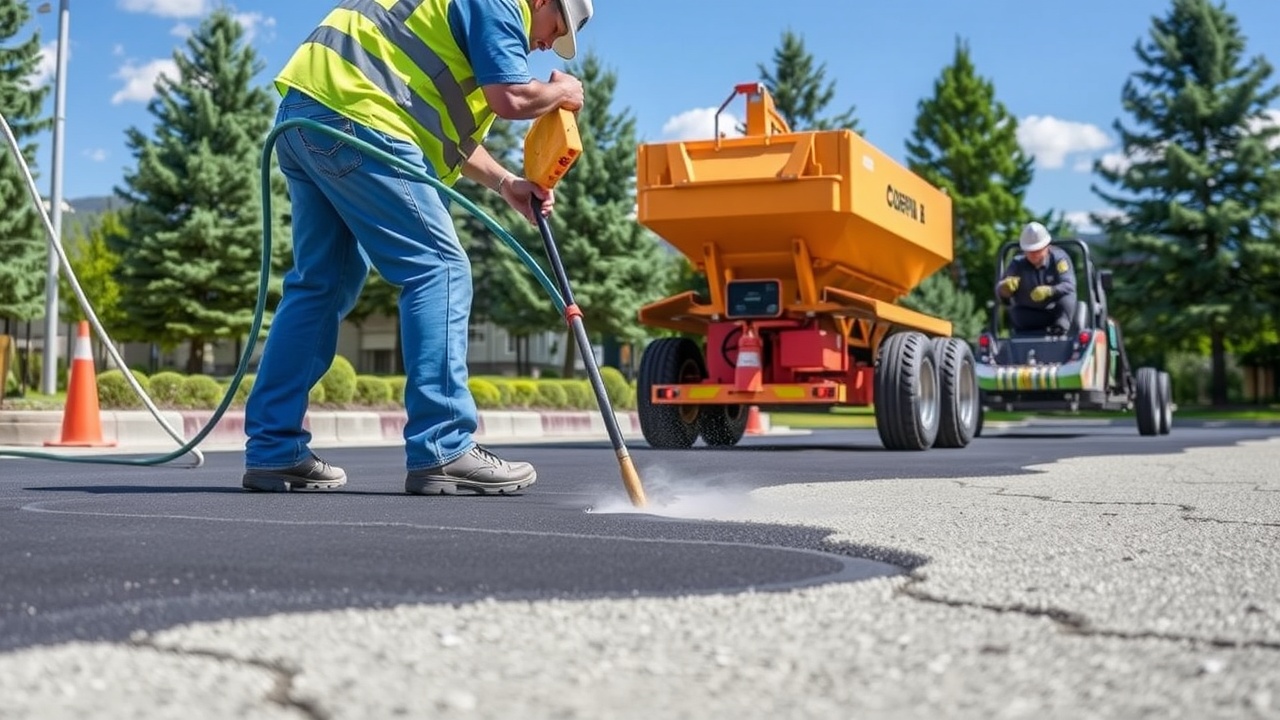
If you notice cracks and potholes forming on your pavement, it’s a clear sign you need sealcoating.
A faded surface color and areas where water pools can also indicate that your asphalt’s protective layer is wearing thin.
Keeping an eye out for these signs can help you maintain a durable and attractive surface.
Cracks And Potholes Forming
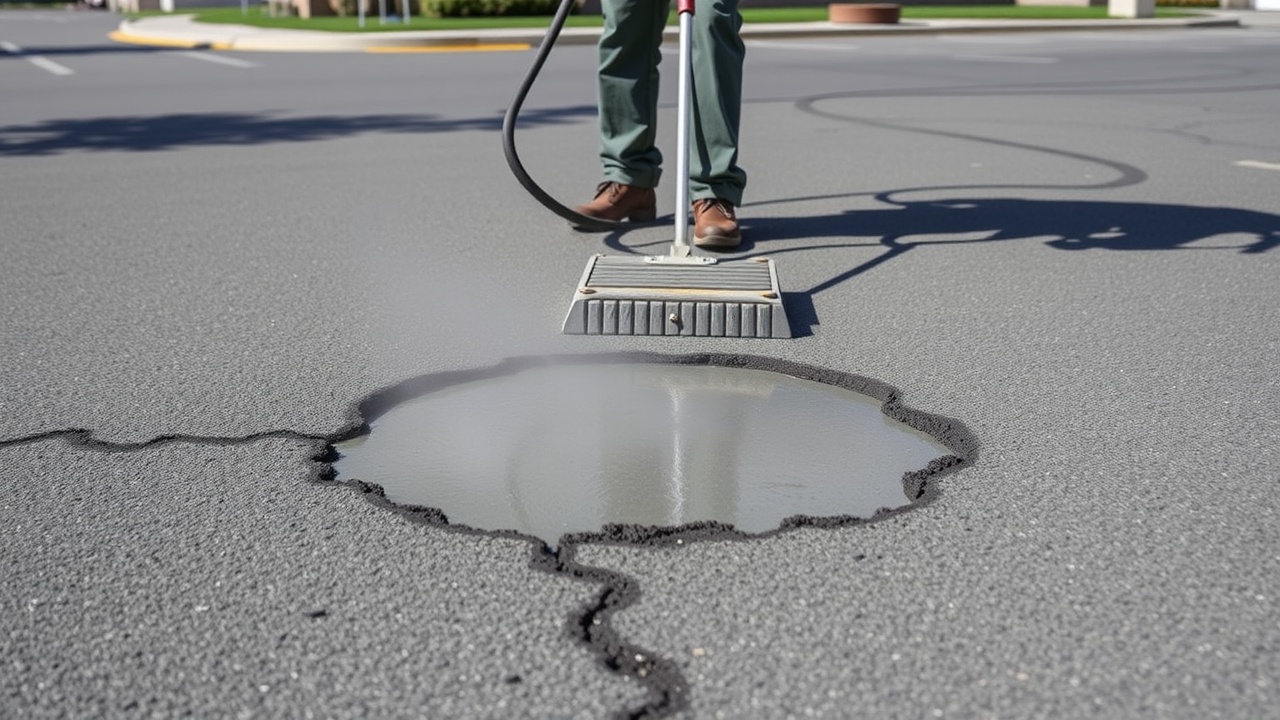
As cracks and potholes begin to form on your pavement, it’s a clear sign that sealcoating is overdue. These imperfections not only detract from your property’s appearance but also signal underlying issues that need attention.
Sealcoating acts as a protective barrier, helping with crack prevention and minimizing the risk of further damage. If you notice any cracks widening or potholes developing, it’s essential to address them quickly. Ignoring these problems can lead to costly pothole repair later on.
Regularly scheduled sealcoating can save you time and money in the long run, ensuring your pavement remains in top condition. Don’t wait for small issues to escalate; proactive maintenance is key to preserving your investment.
Faded Surface Color
A faded surface color is one of the most noticeable signs that your pavement needs sealcoating. When you see your asphalt losing its rich, dark hue, it’s a clear indication that the protective layer has worn away.
This fading not only affects the appearance but also signals diminished surface durability. Without sealcoating, your pavement becomes more susceptible to damage from UV rays and harsh weather.
By investing in color restoration through sealcoating, you can revitalize the look of your driveway or parking lot while enhancing its strength. Regular maintenance helps prevent further deterioration, ensuring your pavement remains attractive and resilient for years to come.
Don’t ignore that faded surface—take action to protect your investment!
Water Pooling Issues
Have you noticed water pooling on your pavement after a rainstorm? This could be a sign that your sealcoat is wearing thin.
Proper sealcoating helps maintain your pavement’s surface texture, guaranteeing effective water drainage. When the sealcoat deteriorates, the surface can become uneven, leading to water accumulation.
Pooling water not only creates unsightly puddles but also increases the risk of damage to your pavement over time.
If you see these issues, it’s time to contemplate reapplying sealcoat. Regular maintenance can prevent costly repairs and keep your pavement looking its best.
Don’t wait for the damage to worsen; act now to guarantee your pavement’s longevity and safety.
How Often Should You Sealcoat?
How often should you sealcoat your driveway to keep it in top shape? Ideally, you should sealcoat every two to three years. This timing helps maximize your sealcoat lifespan and protects your driveway from the elements.
Factors like weather conditions and traffic can influence how often you need to apply sealcoat, but sticking to this schedule is a solid maintenance tip.
Keep an eye on the surface; if you notice fading or cracks, it might be time for an application sooner than expected. Regular inspections can help you catch issues early, saving you money in the long run.
Factors Influencing Sealcoat Timing
When it comes to sealcoating, you need to take into account several key factors that influence timing.
Environmental conditions like temperature and moisture play an essential role, while traffic volume can also affect how often you should sealcoat.
Understanding these elements will help you make informed decisions for your pavement maintenance.
Environmental Conditions Impacting Timing
While you might be enthusiastic to apply sealcoat, environmental conditions play an important role in determining the right timing. Temperature fluctuations can affect how the sealcoat adheres to the pavement; ideally, you want consistent temperatures between 50°F and 90°F.
High humidity levels can also hinder the drying process, leading to a less effective seal. Seasonal changes are vital, too; applying sealcoat before winter can protect your pavement from harsh conditions.
Additionally, consider UV exposure, which can degrade the sealcoat over time. By keeping these factors in mind, you’ll guarantee your sealcoat application is successful and lasts longer, providing the protection your pavement needs.
Traffic Volume Considerations
Environmental conditions aren’t the only factor to contemplate; traffic volume also considerably impacts sealcoat timing. High traffic patterns, especially from heavy vehicle types, accelerate surface wear, demanding more frequent maintenance.
Seasonal changes can exacerbate this, as shifts in temperature and moisture affect the load capacity of your pavement. By monitoring traffic volume, you can better schedule sealcoating, helping you manage maintenance costs effectively.
Ignoring these factors might compromise traffic safety, leading to potential hazards. Additionally, a well-timed sealcoat reduces long-term environmental impact, preserving the asphalt for years.
How to Choose the Best Sealcoat Product
How can you determine the best sealcoat product for your pavement? Start by understanding the different sealcoat types available. Each type has unique properties suited for various conditions, so product comparisons can make your choice easier.
Here’s a quick table to help you:
| Sealcoat Type | Key Features |
| Coal Tar | Highly durable, UV resistant |
| Asphalt Emulsion | Fast-drying, eco-friendly |
| Latex-based | Flexible, great for temperature changes |
Consider factors like traffic volume, climate, and surface condition when selecting a product. For example, if your pavement experiences heavy traffic, a coal tar sealcoat might be ideal for its durability. On the other hand, if environmental impact is a concern, an asphalt emulsion could be your best bet. By weighing these aspects, you can confidently choose the best sealcoat product for your needs.
DIY or Professional Sealcoating?
Choosing the right sealcoat product is just the beginning; the next step is deciding whether to tackle the project yourself or hire a professional. Both approaches have their merits, and understanding the differences can help you make an informed choice.
Consider these factors:
- DIY Techniques: You might save money, but guarantee you have the right equipment and skill requirements to achieve quality results.
- Professional Advantages: Experts offer quality assurance and can complete the job faster, minimizing your time investment.
- Cost Comparison: While DIY may seem cheaper upfront, consider the long-term benefits of hiring a pro to avoid frequent reapplications.
Ultimately, weigh your time investment against the quality you want.
If you’re confident in your skills and have the necessary tools, DIY could work. However, for peace of mind and a polished finish, a professional might be worth the extra cost.
How Sealcoating Saves You Money
Sealcoating can save you a significant amount of money in the long run. By investing in regular sealcoating, you’re not just applying a protective layer; you’re preventing costly repairs down the road. Think of it as a smart financial choice.
A cost comparison between well-maintained surfaces and neglected ones shows that sealcoated driveways require fewer repairs, which translates into substantial long-term savings.
When you sealcoat your asphalt, you shield it from harmful UV rays, moisture, and chemicals that can cause deterioration. Without this protection, you risk cracking and potholes, leading to expensive overhauls.
Plus, a well-maintained surface enhances your property’s curb appeal, which can increase its value.
In short, sealcoating isn’t just about aesthetics; it’s a savvy way to manage your budget effectively. By prioritizing sealcoating, you’ll enjoy a durable surface and save money in the long run.
Frequently Asked Questions About Sealcoating Timing
Timing your sealcoating is just as important as the application itself. Understanding when to sealcoat your asphalt can help you avoid common sealcoat myths and timing misconceptions that might lead to costly mistakes.
Here are a few FAQs to take into account:
- How often should I sealcoat? Most experts recommend every 1-3 years, depending on usage and wear.
- Can I sealcoat in any weather? No, extreme temperatures and moisture can hinder proper adhesion.
- Is it too late if my asphalt looks worn? It’s never too late to sealcoat, but timing can impact effectiveness.
How Weather Affects Asphalt Durability
While many factors influence asphalt’s durability, weather conditions play an essential role in its longevity. Asphalt temperature greatly affects its flexibility and strength; extreme heat can cause softening, while cold can lead to brittleness.
Moisture levels and rainfall frequency contribute to erosion, increasing wear on your asphalt surface. Additionally, freeze-thaw cycles can crack the pavement as water seeps in and expands when frozen.
Humidity effects also come into play, promoting mold and algae growth, which can deteriorate the surface over time. UV exposure from sunlight breaks down asphalt binders, leading to fading and cracking.
Wind abrasion can further erode your pavement, particularly in dry conditions. Seasonal changes bring varying challenges, so staying aware of your local climate is key.
Frequently Asked Questions
Can Sealcoating Be Applied During Winter Months?
You shouldn’t apply winter sealcoating during cold weather. The low temperatures can hinder proper adhesion and curing, leading to poor results. It’s best to wait for warmer months to guarantee an effective sealcoat application.
What Is the Best Time of Year for Sealcoating?
The best time for sealcoating is late spring. During this season, temperatures are ideal, allowing the sealant to cure properly. You’ll enjoy the spring benefits of a well-maintained surface that lasts throughout the year.
How Long Does Sealcoating Typically Last?
Sealcoating typically lasts around two to three years. Factors affecting durability include weather, traffic volume, and surface preparation. Regular maintenance can extend the sealcoating lifespan, helping you protect your pavement investment effectively.
Will Sealcoating Affect My Driveway Color?
Yes, sealcoating can affect your driveway’s color. Different sealcoat types offer varying levels of color preservation. Choosing a high-quality sealant helps maintain your driveway’s appearance, ensuring it stays vibrant and protected from fading.
Can I Walk on Sealcoated Surfaces Immediately?
You shouldn’t walk on sealcoated surfaces immediately. Sealcoat needs time to dry properly for ideal surface traction. Typically, wait at least 24 to 48 hours before walking to avoid damaging the finish.
Conclusion
Final Thoughts
Sealcoat frequency plays a critical role in protecting your asphalt from premature wear, costly repairs, and structural damage. Sticking to an optimal maintenance schedule—typically every 1 to 3 years based on traffic, weather exposure, and surface condition—helps preserve durability, enhance curb appeal, and extend the overall lifespan of your pavement. Addressing fading, minor cracks, and surface wear early ensures your asphalt continues to perform and look its best.
If you’re unsure when or how often to sealcoat, Parkway Paving LLC can help you create a maintenance plan tailored to your property’s needs. Learn more about our team on the About Us page, explore our professional Asphalt Sealcoating services, or combine sealcoating with long-term solutions like Asphalt Resurfacing for maximum protection.
When you’re ready to safeguard your pavement and maximize your investment, visit our Contact page to request a quote or schedule a consultation. Parkway Paving LLC is ready to help you maintain strong, long-lasting asphalt surfaces with a sealcoating schedule you can rely on.