
You’re constantly battling potholes and cracked pavement, dealing with frustration and expense. Potholes cause vehicle damage, accidents, and costly repairs. You’ll save time and money by fixing them. Sealing your pavement extends its lifespan and improves appearance. By addressing potholes and sealing your pavement, you’ll prevent further damage – and that’s just the start of what you can discover to keep your roads and driveways safe.
Key Takeaways
- Reduces vehicle damage and costly repairs.
- Prevents accidents from uneven surfaces.
- Extends pavement lifespan and appearance.
- Enhances safety for pedestrians and drivers.
- Saves money on long-term maintenance costs.
Understanding The Dangers Of Potholes And Cracked Pavement
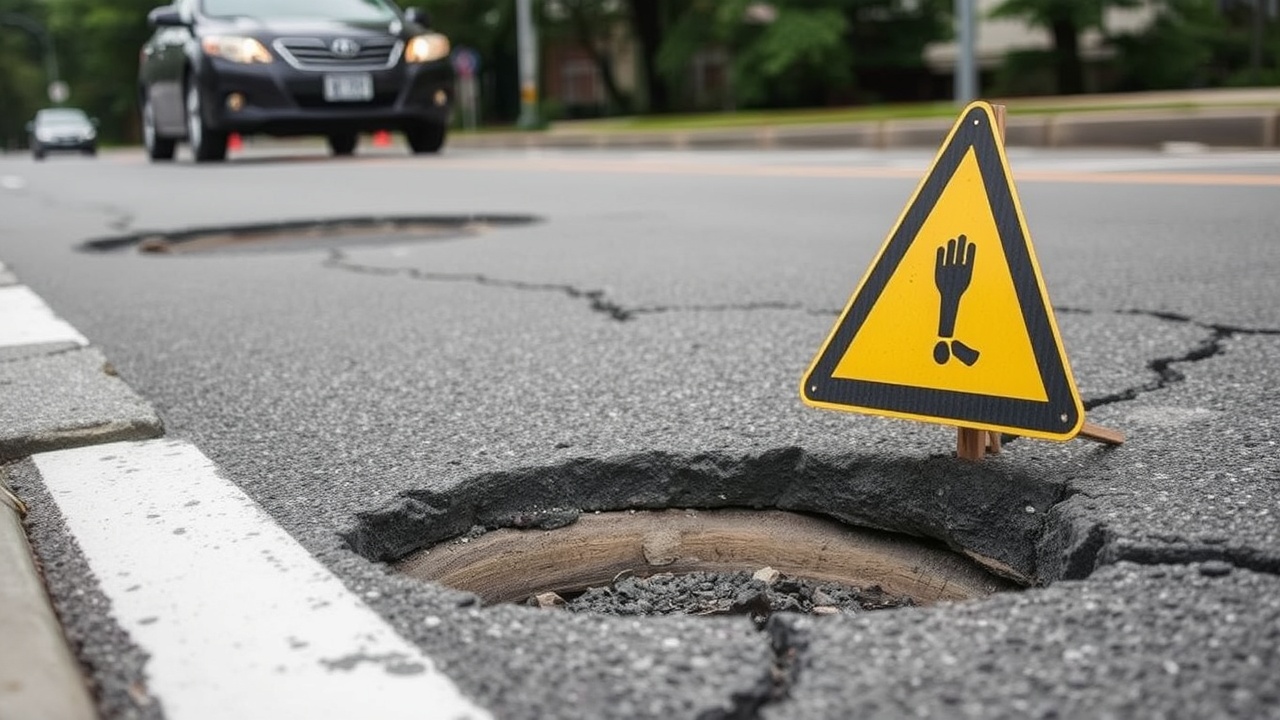
Because you’re likely no stranger to the frustration of driving on rough roads, you know that potholes and cracked pavement can be more than just a nuisance – they can be outright hazardous. You’ve probably experienced the jarring impact of hitting a pothole, which can cause significant vehicle damage. This can lead to costly repairs, not to mention the risk of accidents.
Pedestrian injuries can also occur when walking on cracked pavement, as uneven surfaces can cause tripping and falling. You should be aware of these dangers and take them seriously. By understanding the risks, you can take steps to mitigate them and guarantee a safer environment for everyone. It’s essential to address potholes and cracked pavement to prevent accidents and reduce the risk of vehicle damage and pedestrian injuries.
Identifying The Causes Of Pothole Formation And Pavement Damage
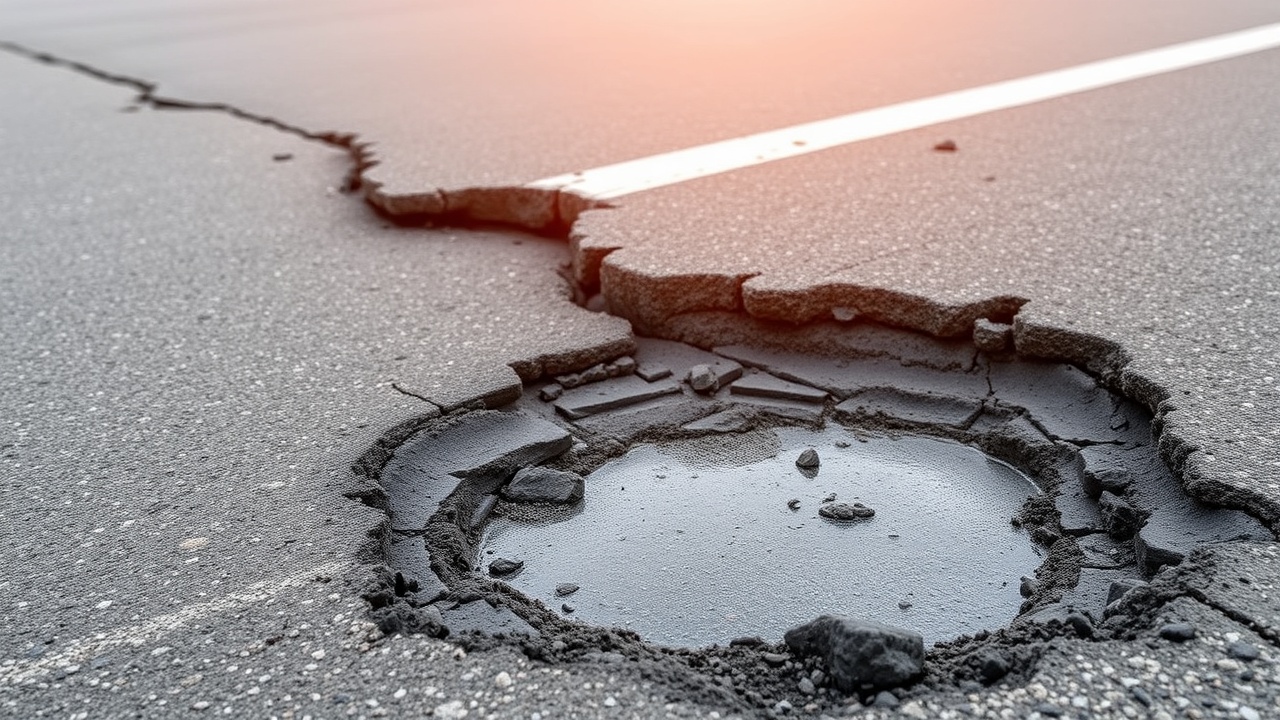
You’re about to identify the main causes of pothole formation and pavement damage, which include water damage, traffic wear, and soil erosion.
As you investigate these factors, you’ll find that water damage can seep into pavement cracks, weakening its structure.
You’ll discover that traffic wear and soil erosion also play significant roles in damaging pavement, and understanding these causes is essential to fixing potholes and sealing pavement effectively.
Water Damage
How do potholes form, and what role does water play in damaging pavement?
You’ll find that water seeps into cracks, freezes, and expands, causing damage.
This leads to:
- Mold Growth in pavement cracks
- Electronics Corrosion from water exposure
- Pavement erosion
- Cracking and breaking
- Weakening of pavement structure
You can’t ignore water’s impact on pavement, as it accelerates damage and pothole formation, requiring costly repairs.
Traffic Wear
As traffic volume increases, it puts additional stress on pavement, contributing substantially to pothole formation and damage. You’ll notice that heavy traffic, especially with high axle loads, accelerates pavement deterioration.
When vehicles, particularly large trucks, drive on the pavement, their axle loads exert immense pressure, causing the pavement to flex and eventually crack. This repeated stress leads to potholes and damage.
You can’t avoid traffic, but you can mitigate its effects by maintaining your pavement and addressing issues promptly, reducing the risk of further damage and extending the pavement’s lifespan. Regular maintenance is key.
Soil Erosion
Traffic’s impact on pavement is just one factor – water’s infiltration into the soil beneath the pavement is another major contributor to pothole formation and damage.
You’ll notice it when water can’t drain properly.
To prevent this, you can:
- Plant riparian buffers
- Use cover crops
- Reduce runoff
- Improve drainage systems
- Stabilize soil particles.
By taking these steps, you’ll reduce soil erosion and prevent potholes from forming.
This helps maintain pavement integrity, reducing the need for costly repairs.
You’ll save time and money in the long run by addressing soil erosion proactively.
How To Fix Potholes Effectively And Prevent Further Damage
Pothole repair requires you to act quickly, filling the damaged area before it worsens. You’ll need to go through the permit process, making sure you have the necessary approvals. This step is essential, as it helps you avoid fines and penalties.
| Step | Action | Outcome |
| 1 | Assess damage | Identify extent |
| 2 | Gather materials | Prepare crew |
| 3 | Fill pothole | Restore surface |
| 4 | Inspect work | Confirm quality |
With proper crew training, you can efficiently repair potholes, preventing further damage.
The Importance Of Sealing Your Pavement For Longevity
Because you’ve fixed the potholes, it’s time to think about sealing your pavement to extend its lifespan.
You’re taking an important step towards aesthetic preservation and protecting your investment.
Sealing your pavement provides UV protection, preventing damage from the sun’s rays.
Consider the following benefits:
- Reduces maintenance costs
- Improves pavement durability
- Enhances appearance
- Increases safety
- Extends lifespan
Choosing The Right Materials And Techniques For Pavement Repair
You’ll want to assess your pavement’s condition to determine the best materials and techniques for repair. This involves evaluating the extent of damage and identifying the underlying causes. You’ll need to take into account factors like climate, traffic, and usage patterns.
When selecting materials, you should conduct Material Testing to verify they meet your pavement’s specific needs. It’s also essential to check for Supplier Certification to guarantee the quality of the materials.
Maintaining Your Pavement To Prevent Future Potholes And Cracks
As you’ve completed the repair process, it’s time to shift your focus to maintaining your pavement to prevent future damage.
You’re taking a proactive approach to prevent potholes and cracks. To do this, consider:
- Creating a maintenance scheduling plan
- Setting aside funds for budget planning
- Regularly inspecting your pavement for damage
- Fixing small cracks before they become large problems
- Sealing your pavement to protect it from the elements.
By following these steps, you can extend the life of your pavement and save money in the long run.
You’ll be able to prevent future potholes and cracks, reducing the need for costly repairs.
Frequently Asked Questions
How Often Should I Seal My Pavement?
You should seal your pavement seasonally, adjusting your maintenance schedule to every 2-3 years, depending on weather conditions, to make sure it remains protected and durable, don’t you seal it too frequently though.
Can I Fix Potholes Myself?
You can fix potholes yourself using proper Safety Gear and Repair Tools, but it’s essential you follow guidelines to make sure it’s done safely and effectively to avoid further damage or injury.
What Causes Pavement to Deteriorate?
You notice pavement deteriorates when moisture intrusion occurs, and UV degradation breaks down its surface, causing cracks, and you must act to prevent further damage.
Is Sealing Pavement Really Necessary?
You’ll reduce maintenance cost benefits and minimize environmental impact by sealing, it’s necessary to protect your investment, saving you money and decreasing pavement’s ecological footprint over time, don’t you.
How Long Does Sealant Last?
You’ll find sealant lasts depending on Application Temperature and Storage Life, typically 2-5 years, but it’s not a one-time fix, you’ll need to reapply it periodically for maximum pavement protection, won’t you?
Final Thoughts
Fixing potholes and sealing your pavement isn’t just about looks—it’s about safety, performance, and protecting your investment. When potholes and cracks are left untreated, they can quickly expand, create trip hazards, damage vehicles, and lead to far more expensive repairs. Prompt repairs paired with routine protection—like timely asphalt sealcoating—help slow deterioration, reduce long-term maintenance costs, and keep surfaces smoother and more durable year-round.
If you’re dealing with recurring potholes, widespread cracking, or worn-out pavement, the best next step is a professional evaluation. Parkway Paving LLC can recommend the right solution—whether that’s targeted repairs, asphalt resurfacing to restore aging pavement, new installations through residential asphalt paving or asphalt driveway paving, or larger-scale projects like commercial asphalt paving and parking lot paving. To get expert guidance and a clear plan for your property, contact Parkway Paving LLC today via the Contact page or learn more about the company on the About Us page.