
You choose eco-friendly paving materials because they let rain soak into the ground, reducing puddles, erosion, and stress on your drains. Permeable and recycled surfaces stay cooler underfoot, cut runoff pollution, and often last longer than basic asphalt or concrete. While you may pay a bit more upfront, you typically save on maintenance, drainage infrastructure, and replacement. You also boost curb appeal and comfort, and you’re about to see how these options can work on your property.
Key Takeaways
- Eco-friendly paving reduces stormwater runoff through permeable designs, helping prevent flooding, erosion, and pollution entering local waterways.
- Sustainable materials like recycled aggregates and plant-based binders lower resource use and overall environmental footprint.
- Cooler, more comfortable surfaces improve outdoor usability in hot weather compared to heat-retaining traditional asphalt and concrete.
- Durable, low-maintenance systems extend lifespan and reduce long-term repair and replacement costs.
- Using local and recycled materials supports regional economies and minimizes transportation-related emissions.
What Is Eco-Friendly Paving?
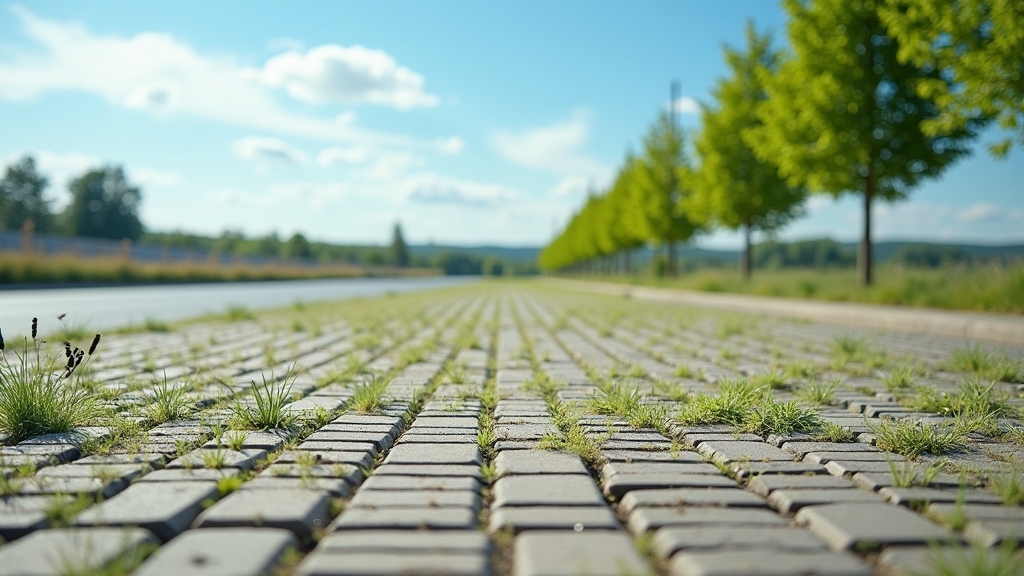
Although it might look similar to traditional asphalt or concrete at first glance, eco-friendly paving uses materials and designs that reduce environmental impact over the long term. When you choose this type of surface, you’re selecting systems that work with natural water cycles instead of fighting them.
Eco-friendly paving usually includes permeable layouts—like gaps, grids, or porous structures—that let rainwater pass through to the ground below.
You’ll also see a focus on sustainable materials. These can include recycled aggregates, reclaimed brick or stone, plant-based binders, or lighter-colored mixes that absorb less heat.
Instead of relying only on virgin resources, eco-friendly paving often combines existing waste streams with carefully engineered products. You’re not just putting down a hard surface; you’re creating a functional layer that respects local soils, drainage patterns, and long-term durability while lowering the overall environmental impact of your driveway, walkway, patio, or parking area at home.
Key Benefits for Your Property and the Planet
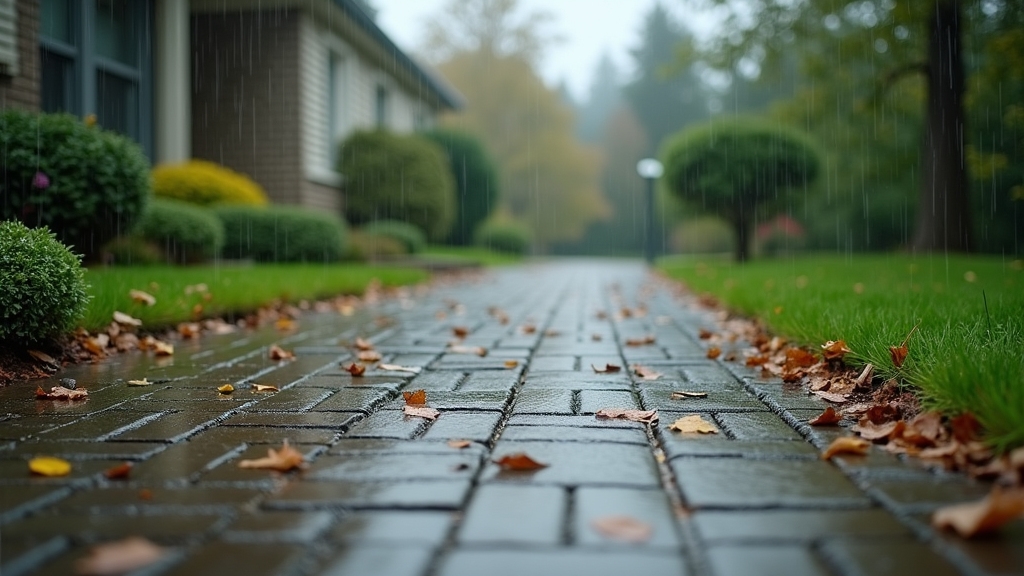
When you switch to eco-friendly paving, you’re not just making a “green” choice—you’re gaining practical advantages that you’ll notice every day. Permeable pavers let rain soak into the ground, reducing puddles and strain on drains. That protects waterways and boosts your property’s resilience during storms.
You’ll also gain comfort and appearance. Many eco-friendly materials reflect sunlight and store less heat, so areas feel cooler in summer. Their textures and colors upgrade property aesthetics, whether you’re designing driveway, patio, or path.
| Benefit | What it means for you |
| Better drainage | Drier surfaces, less erosion |
| Cooler surfaces | More comfortable outdoor use |
| Durability | Less frequent replacement |
| Local materials | Smaller transportation footprint |
| Recycled content | Strong sustainability impact |
Over time, these advantages lower maintenance costs and align home with sustainability impact.
Eco-Friendly Paving vs. Asphalt and Concrete
Instead of defaulting to asphalt or standard concrete, compare how eco-friendly paving performs on the things you care about most: cost, longevity, comfort, and environmental impact.
You’ll see that asphalt looks cheap upfront but needs regular sealing and earlier replacement. Standard concrete lasts longer yet cracks under freeze–thaw cycles and heavy loads. In a durability comparison, many eco-friendly alternatives distribute weight more evenly, resist cracking, and let water drain, reducing stress on the surface and base.
You notice differences in comfort and environmental impact. Dark asphalt absorbs heat, creating hot surfaces and raising temperatures. Conventional concrete reflects glare and sends stormwater straight to drains, often carrying pollutants.
Greener options let rain soak through, easing runoff and helping replenish groundwater. While some sustainable systems cost more at installation, you can save over time through reduced maintenance, extended service life, and lower drainage and cooling costs on your property.
Main Types of Eco-Friendly Paving Materials
When you’re ready to move beyond traditional asphalt and concrete, you’ll find two main eco-friendly paving categories to contemplate.
You can choose permeable pavement options that let water pass through, reducing runoff and easing pressure on storm drains.
You can also use recycled aggregate surfaces that repurpose existing materials, cutting waste and lowering your project’s environmental impact.
Permeable Pavement Options
Although traditional asphalt and concrete seal the ground, permeable pavement options let water pass through the surface and into the soil below, easing pressure on storm drains and reducing runoff.
You can choose among several permeable paver types that balance strength, aesthetics, and infiltration. Porous asphalt, pervious concrete, and open-joint pavers each create tiny pathways that guide rain into carefully designed base layers and water retention systems.
These systems slow, filter, and store rainfall, helping recharge groundwater instead of flushing pollution into streets.
- Feel relief knowing flooding risk around your home drops.
- Enjoy cleaner streams after storms.
- Watch puddles disappear faster from your driveway.
- Value shade trees that benefit from deeper soil moisture.
- Take pride in visibly climate-resilient landscaping.
Recycled Aggregate Surfaces
Because paving consumes so many raw materials, recycled aggregate surfaces offer a practical way to cut waste and shrink your project’s footprint.
You replace a large share of virgin stone with crushed concrete, reclaimed asphalt, or industrial by‑products, all processed into stable, graded aggregates. By choosing these recycled materials, you divert debris from landfills and lower the energy used for extraction and transport.
You can use recycled aggregate for driveways, walkways, base layers, or low‑speed roads. When you specify proper compaction and drainage, you still achieve strong surface durability and consistent performance under traffic.
You’ll also find that recycled aggregate often costs less than traditional options, helping you balance environmental goals with budget and long‑term maintenance needs without sacrificing safety, reliability, or everyday usability.
How Permeable Pavers Improve Drainage
Instead of forcing rainwater to sheet across hard surfaces and into storm drains, permeable pavers let water pass through joints or porous blocks and soak into the ground below.
By spreading infiltration across your driveway, patio, or walkway, you boost drainage efficiency and reduce shallow flooding and icy puddles. Beneath the surface, a base layer of clean, angular stone temporarily stores water, then releases it slowly into surrounding soil.
This simple structure supports smarter stormwater management that works with natural cycles instead of fighting them. You’ll notice the difference when you see:
- Faster draining surfaces after storms
- Fewer muddy areas along edges
- Less standing water attracting mosquitoes
- Driveways that stay safer in winter
- Landscapes that feel resilient, not fragile
Costs, Lifespan, and Long-Term Savings
Permeable pavers don’t just manage water better; they also change how you spend money on your outdoor surfaces over time. You’ll notice the difference first in the initial investment. Eco-friendly systems can cost slightly more upfront than plain concrete or asphalt, because they use specialized bases and higher-quality units. However, their long term durability, low maintenance needs, and reduced drainage costs usually balance that gap—and often beat it.
| Factor | Short Term | Over 20+ Years |
| Material cost | Moderate–High | Stable |
| Installation | Slightly higher | Rarely repeated |
| Maintenance | Simple cleaning | Lower repair bills |
| Drainage systems | Often smaller | Ongoing savings |
| Surface lifespan | Decades | Fewer full replacements |
Because the surface lasts longer, you avoid frequent tear-outs, hauling fees, and disruption. That protects your budget.
How to Choose the Right Paving for Your Project?
When you choose eco-friendly paving, you’ll first need to assess your site conditions—soil type, drainage, slope, and local climate all influence what’ll perform best.
Then you can match materials and designs to those conditions so your paving stays durable and low-maintenance.
Finally, you’ll balance budget and sustainability, weighing upfront costs against long-term savings, environmental impact, and available incentives.
Assessing Site Conditions
Although eco-friendly paving products might look similar on the surface, the right choice depends heavily on your site’s specific conditions.
Start with a thorough site evaluation so you understand how water moves, where shade falls, and how people will use the space. Then perform basic soil analysis to see how well the ground drains and how stable it is.
Consider how you want the space to feel and function:
- Protect nearby trees and the living soil beneath your feet.
- Keep stormwater on-site, nourishing gardens instead of sewers.
- Create safe, comfortable paths for bare feet, bikes, and wheels.
- Preserve quiet, using textures that soften footsteps and rain.
- Support long-term resilience, so your paving ages with dignity, not damage, even under heavy use and changing weather.
Balancing Budget And Sustainability
Even with clear site conditions and design goals, choosing eco‑friendly paving usually comes down to balancing what you’d like to build with what you can realistically spend.
Start by defining performance needs: load capacity, lifespan, and maintenance. Then compare materials by total lifecycle cost, not just purchase price.
Permeable pavers or reinforced gravel might meet budget constraints better than high‑end permeable concrete, while still improving drainage and reducing heat. Ask suppliers for recycled content options and local materials to cut transport emissions and costs.
When you price installation, include base preparation and future repairs.
Finally, rank your priorities: stormwater performance, appearance, durability, or lowest upfront cost. This makes your sustainable choices practical, transparent, and easier to defend over time for you and communities nearby.
Design Ideas for Attractive Sustainable Paving
Instead of treating sustainability as a limitation, you can use eco-friendly paving as a design feature that adds character, color, and texture to your outdoor space.
Start by imagining how sustainable aesthetics can guide the overall mood: calm, playful, or boldly modern. Choose eco friendly colors that echo nearby plants, rooflines, or stonework so everything feels intentionally connected.
Let sustainable colors and forms set the mood, tying your landscape softly to its surroundings
Blend materials to create visual rhythm—recycled brick borders around permeable stone, or contrasting gravel bands that gently direct movement. Curved paths soften hard lines, while geometric patterns make small spaces feel structured and purposeful.
Use these ideas to spark what you truly want to feel when you step outside:
- Serenity in a quiet, planted courtyard
- Pride in a distinctive, one-of-a-kind entry
- Warmth in a gathering space for friends
- Delight in playful stepping-stone routes
- Connection to nature through textures that age gracefully
Let these impressions guide each choice you make today.
Installation and Maintenance Best Practices
When you install eco-friendly paving with care and maintain it regularly, you protect both its performance and its environmental benefits.
Start with proper installation techniques: excavate to the recommended depth, create a stable, well-compacted base, and use permeable aggregates that support drainage. Lay pavers level but not sealed tight, so joints allow water infiltration. Always follow manufacturer guidelines for edge restraints and joint fillers; they prevent shifting and protect porous surfaces from clogging.
After installation, apply simple maintenance tips. Sweep debris often so leaves and sediment don’t block pores. When weeds appear in joints, remove them by hand or with a low-toxicity, biodegradable treatment.
For porous concrete or asphalt, use a gentle pressure wash at intervals the supplier suggests, aiming to restore permeability without eroding material. Avoid harsh de-icers and solvents that can damage binders.
Inspect the surface yearly and repair settled areas promptly to keep water flowing.
How Green Paving Adds Comfort and Resale Value
Thoughtful installation and upkeep do more than keep eco-friendly paving working well; they also make your outdoor spaces more comfortable and can boost your home’s resale value.
When you choose permeable pavers or light-colored surfaces, you immediately feel the difference underfoot and around you. Cooler walkways, drier paths, and softer connections between hardscape and planting beds create everyday ease.
You’re not just improving looks; you’re building comfort features buyers can see and feel. Green paving signals lower maintenance, better drainage, and practical beauty, all powerful drivers of resale enhancement.
- Imagine stepping outside and feeling the ground stay cool, even on hot days
- Picture rainstorms that drain smoothly instead of pooling around your foundation
- Sense the quiet confidence of sturdy, non-crumbling paths under your feet
- Notice how greenery between pavers softens harsh edges and views
- Feel pride knowing investment benefits wallet and the planet
Frequently Asked Questions
Are There Local Regulations or Permits Specific to Eco-Friendly Paving Installations?
Yes, you’ll often face local regulations and specific permit requirements for eco-friendly paving, especially permeable systems. Check your city’s planning department, stormwater authority, and HOA rules; they’ll explain drainage standards, base materials, and inspections needed.
Can Eco-Friendly Paving Be Safely Combined With Heated Driveway or Snow-Melt Systems?
You can safely combine eco-friendly paving with heated systems for driveways or snow-melt when you verify material compatibility, follow manufacturer guidelines, protect permeable drainage layers, and use experienced installers who size heating elements and controls.
How Do I Find Contractors Experienced Specifically in Green Paving Technologies?
You find qualified green paving contractors by checking green paving certifications, reading sustainable contractor reviews, asking local environmental groups, verifying past permeable projects, and interviewing installers about materials, stormwater performance, and long-term maintenance plans carefully.
Can Existing Asphalt or Concrete Surfaces Be Retrofitted Into Eco-Friendly Paving Systems?
Yes, you can retrofit many asphalt or concrete surfaces into eco-friendly systems by using permeable overlays, asphalt recycling, concrete rejuvenation, added drainage layers, and vegetated borders that reduce runoff, enhance groundwater recharge, and improve sustainability.
Are Eco-Friendly Paving Materials Compatible With Electric Vehicle (EV) Charging Areas?
Yes, you can use eco-friendly paving in EV charging areas; you’ll guarantee EV charging compatibility by selecting permeable sustainable materials, reinforcing load-bearing zones, protecting conduit routes, and following codes and guidelines for safe, long-lasting performance.
Final Thoughts
When you choose eco-friendly paving, you do more than upgrade a driveway, patio, or parking area—you invest in everyday comfort, curb appeal, and long-term value. Permeable and recycled surfaces help reduce runoff, protect local ecosystems, and keep your outdoor spaces cooler and safer. By pairing sustainable materials with smart design and simple ongoing care, you create a surface that looks great, performs well, and lasts longer than basic, heat-soaking pavement. For many homeowners, that can mean blending eco-friendly options with durable residential asphalt paving and design ideas from resources like Enhancing Property with Residential Paving.
The same approach works for businesses and multifamily properties. You can improve drainage, reduce maintenance, and support green goals by combining permeable or recycled systems with engineered asphalt resurfacing, long-lasting commercial asphalt paving, and thoughtful parking lot paving. The team at Parkway Paving LLC can walk your site, discuss climate and drainage, and recommend a mix of eco-friendly and conventional solutions tailored to your traffic, budget, and sustainability goals—starting with a simple conversation and an honest assessment.
If you’re ready to see how green paving could work on your property, reach out to Parkway Paving LLC today. Learn more about us, explore options like how asphalt resurfacing can revitalize your pavement, then call or text (862) 596-0642 or request an estimate through the contact page. With the right eco-friendly materials and a trusted paving contractor on your side, you don’t just pave your property—you improve your home, your comfort, and the planet.