
You’ll find various line striping services nearby, including professional parking lot striping and custom designs that feature logos or unique patterns. There are also temporary markings for events and safety features like crosswalks. These services enhance visibility and organization, keeping traffic flowing smoothly. When choosing a provider, it’s important to evaluate their experience and equipment. If you’re curious about the different types of services and how to choose the right company, there’s more to explore.
Key Takeaways
- Search local directories or Google Maps to find line striping companies in your area and their service offerings.
- Check customer reviews and ratings to evaluate the quality of local line striping services.
- Compare pricing and service packages among nearby providers to find the best fit for your project.
- Inquire about experience and expertise in line striping to ensure reliable and professional results.
- Look for companies that offer guarantees on their work for added peace of mind.
Understanding Line Striping: What Is It?
Line striping is an essential service that enhances visibility and organization in parking lots, roads, and various other surfaces. You mightn’t realize how vital it’s until you see the difference it makes.
Various line striping techniques exist, each tailored to specific needs. For example, some contractors use paint for short-term markings, while others opt for thermoplastic materials for durability and longevity.
When you think about line striping materials, consider how they impact safety and aesthetics. Reflective paints improve night visibility, while eco-friendly options cater to sustainability concerns.
Understanding these techniques and materials helps you make informed choices for your project.
Why Line Striping Matters: Key Applications
When it comes to line striping, you can’t overlook its importance in enhancing safety and navigation.
Not only does it improve the aesthetic appeal of your space, but it also plays a vital role in compliance with regulations.
Understanding these key applications can make a significant difference in how your area functions and looks.
Safety and Navigation Enhancement
Proper line striping plays an important role in enhancing safety and navigation on roads and parking lots alike. By following safety guidelines, you help guarantee that drivers and pedestrians can navigate spaces efficiently. Line striping serves as vital navigation aids, guiding vehicles and foot traffic while minimizing accidents.
| Type of Line | Purpose | Importance |
| Solid Lines | Lane separation | Prevents collisions |
| Dashed Lines | Passing zones | Increases traffic flow |
| Crosswalks | Pedestrian safety | Enhances visibility |
| Arrows | Direction guidance | Reduces confusion |
Investing in professional line striping services not only improves safety but also fosters an organized environment for everyone.
Aesthetic Appeal and Branding
Beyond safety and navigation, line striping plays a significant role in enhancing the aesthetic appeal of your property. When you invest in quality line striping, you’re not just marking spaces; you’re creating a visual impact that reflects your brand’s identity.
Consistent and well-maintained striping can align with your branding strategies, making your property more inviting and professional. Whether it’s a parking lot or a sports court, the colors and patterns you choose can convey a message about your business.
This visual coherence not only attracts customers but also builds trust and recognition. So, consider how line striping can elevate your property’s appearance and reinforce your brand in the eyes of your audience.
Compliance With Regulations
Guaranteeing compliance with regulations isn’t just a legal obligation; it’s essential for the safety and functionality of your property.
By maintaining proper line striping, you meet regulatory compliance and adhere to safety standards that protect everyone who uses your space. Clear markings guide traffic, prevent accidents, and help organize parking areas effectively.
Whether you manage a commercial lot or a public facility, following these standards minimizes liability and enhances user experience.
Neglecting line striping could lead to confusion, accidents, or even legal repercussions.
The Importance of Line Striping for Safety
Safety is paramount in any parking lot or roadway, and effective line striping plays an essential role in achieving it.
Proper line striping greatly enhances the safety impact by guiding drivers and pedestrians alike. Here’s why it’s vital:
- Visibility Enhancement: Bright, well-defined lines improve visibility, especially at night or in poor weather conditions, helping drivers navigate safely.
- Traffic Flow Management: Clear markings indicate lanes, crosswalks, and directional arrows, reducing confusion and minimizing the risk of accidents.
- Space Utilization: Well-striped areas maximize parking space, ensuring that vehicles are parked properly and efficiently, further decreasing the likelihood of collisions.
Types of Line Striping Services Available
When it comes to line striping services, you’ll find a variety of options tailored to meet specific needs. One popular choice is standard parking lot striping, which guarantees clear and organized spaces for vehicles.
If you’re looking for something unique, many companies offer custom designs, allowing you to incorporate logos or special patterns into your layout.
Seasonal applications are another key service. For instance, you might want to add temporary markings for special events or adjust your layout for winter conditions. This flexibility can help keep your space functional year-round.
Additionally, you may also find services that focus on safety features, like crosswalks and directional arrows, enhancing traffic flow and pedestrian safety.
Understanding these options can help you make informed decisions about how best to maintain your property and meet your specific needs.
Choosing the Right Line Striping Company

When choosing the right line striping company, consider their experience and expertise in the field.
Look closely at the range of services they offer and the quality of equipment and materials they use.
Making an informed choice can guarantee you get the best results for your project.
Experience and Expertise
Choosing the right line striping company can make all the difference in your project’s outcome. You want to guarantee that the team you hire has the necessary experience and expertise.
Here are three key factors to take into account:
- Years in Business: Look for companies with a solid track record. Longevity often indicates reliability.
- Portfolio of Work: Request examples of past projects. This will give you insight into their style and quality.
- Expert Insights and Service Evaluations: Check reviews and testimonials. Positive feedback from previous clients can highlight their professionalism and effectiveness.
Service Range Offered
Evaluating the service range offered by a line striping company is vital for guaranteeing your project meets all your needs.
Look for various service options, like parking lot striping, road marking, or custom designs. Check local providers for their geographic coverage to verify they can handle your specific location.
Understanding their pricing structures is essential, as it helps you budget effectively. Don’t forget to read customer reviews; they can provide insight into service frequency and reliability.
Additionally, inquire about project timelines to make sure your project stays on schedule. Finally, confirm if they offer service guarantees, as this can give you peace of mind about the quality of their work.
Equipment and Materials Used
Understanding the equipment and materials a line striping company uses can greatly impact the quality and durability of your project.
When choosing a company, consider these key elements:
- Striping Materials: High-quality paints and thermoplastics guarantee longevity and visibility. Look for companies using environmentally friendly options.
- Application Techniques: Advanced techniques like airless spray or machine application provide smoother lines and better adhesion, reducing the need for rework.
- Equipment: Professional-grade striping machines enhance precision and efficiency, contributing to a cleaner finish.
Evaluating Quality in Line Striping: Key Indicators
When evaluating the quality of line striping services, you should look for several key indicators that can make a significant difference in the final result.
First, check for Quality Assurance practices; a reputable service often provides guarantees on their work, guaranteeing they meet high standards. Look for reviews or testimonials that reflect their commitment to delivering excellent results.
Check for Quality Assurance practices; reputable services offer guarantees and showcase testimonials reflecting their commitment to excellence.
Next, consider Service Reliability. A reliable service should adhere to timelines and be responsive to your inquiries. Ask about their process to guarantee they follow proper protocols for surface preparation and paint application, as this directly impacts durability and visibility.
Finally, observe the attention to detail in their past projects. Clean, crisp lines indicate professionalism, while uneven or faded stripes can signal a lack of care.
Equipment Used in Professional Line Striping
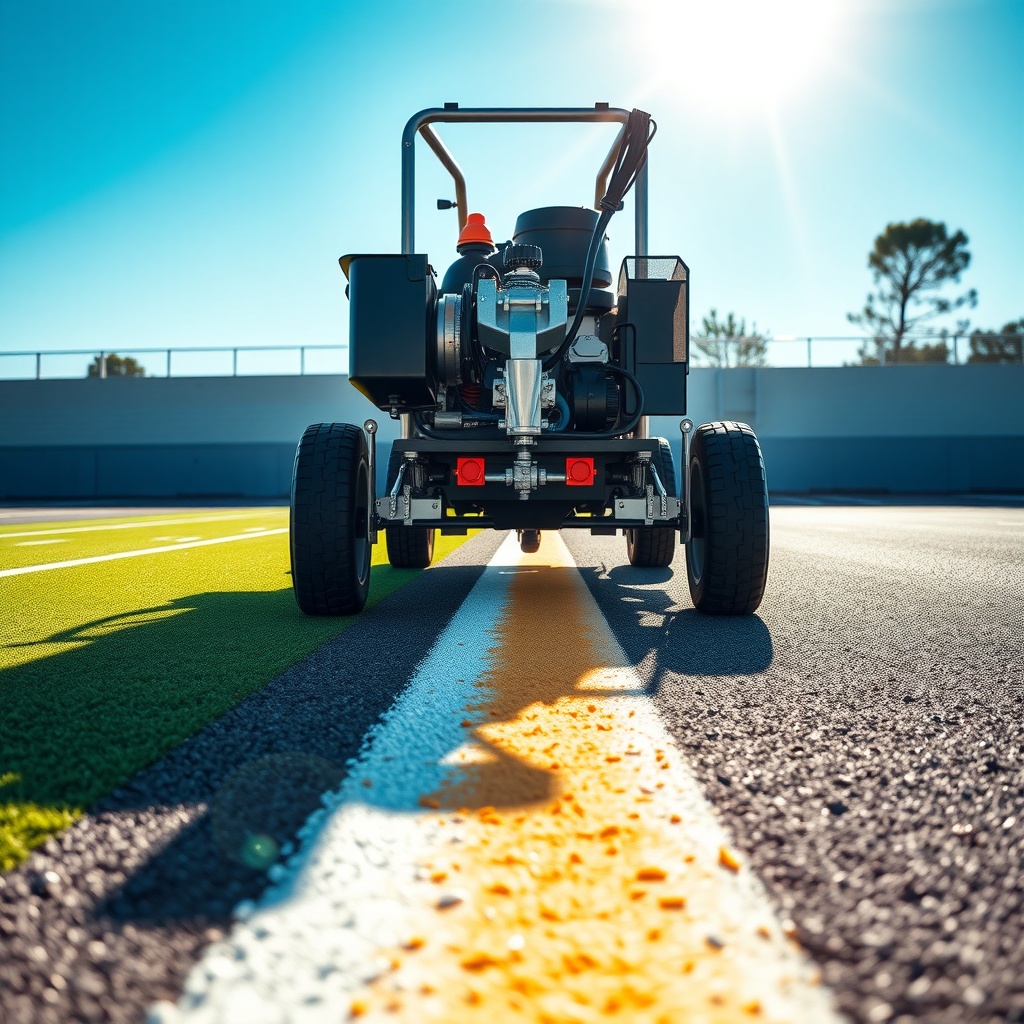
When it comes to professional line striping, the right equipment makes all the difference.
You’ll want to understand the various types of striping machines, the techniques used for paint application, and the essential safety gear involved.
Knowing this will help you choose the best service for your needs.
Types of Striping Machines
In the world of professional line striping, the right equipment makes all the difference. Understanding the various machine types can enhance your projects considerably.
Here are three common types of striping machines:
- Airless Sprayers: These utilize high pressure to atomize paint, offering smooth finishes and quick application methods.
- Walk-Behind Stripers: Ideal for smaller areas, they provide precision and control, but may require more effort and time.
- Ride-On Stripers: Great for larger jobs, they combine speed and efficiency, though they come with higher maintenance requirements and cost analysis.
Paint Application Techniques
Mastering paint application techniques is essential for achieving crisp, durable lines in professional striping. You’ll often rely on spray techniques for even coverage and quick application.
Stencil applications can help create sharp designs, allowing for greater creativity in your color choices. When selecting your materials, consider using eco-friendly paints that meet environmental standards without sacrificing quality.
Reflective coatings can enhance visibility, especially at night, while durability factors will guarantee your lines withstand wear and tear.
Explore different texture options to match your project’s needs, and keep an eye on drying times to facilitate fast turnaround. By understanding these elements, you’ll enhance both the aesthetics and longevity of your striping work.
Safety Equipment Essentials
While you focus on achieving precise and vibrant line striping, prioritizing safety equipment is essential to protect yourself and those around you.
Here are three key pieces of safety gear you should always have on hand:
- High-Visibility Clothing: Wearing bright, reflective clothing helps guarantee you’re seen by passing vehicles and other workers, minimizing the risk of accidents.
- Safety Goggles: Protect your eyes from paint splatter and dust. This essential tool keeps your vision clear while you work.
- Respirator Mask: Using a respirator mask prevents inhalation of harmful fumes from paint, safeguarding your health during the application process.
Materials for Line Striping: What You Should Know
When it comes to line striping, understanding the materials involved is essential for achieving durable and visually appealing results. You’ll want to take into account various paint types, such as water-based or solvent-based, depending on your needs. Application techniques also play a vital role; using the right tools guarantees even coverage. Don’t skip surface preparation—cleaning and priming can greatly affect adhesion.
Here’s a quick overview of key factors to take into account:
| Factor | Importance | Examples |
| Durability Factors | Guarantees longevity | High-quality paints |
| Color Choices | Influences visibility | Bright, reflective colors |
| Weather Considerations | Affects application timing | Avoiding rain or extreme heat |
Environmental Considerations in Line Striping
As you explore line striping services, it’s crucial to evaluate the environmental impact of the materials and methods used. Opting for eco-friendly materials and sustainable practices can minimize that impact considerably.
Evaluating the environmental impact of line striping services is essential for promoting sustainable practices and eco-friendly materials.
Here are some key considerations:
- Paint Composition: Choose water-based paints over solvent-based ones. They emit fewer volatile organic compounds (VOCs) and are less harmful to the environment.
- Application Methods: Look for companies that utilize advanced techniques, like spray systems that reduce excess paint waste, ensuring a cleaner job.
- Waste Management: Inquire about how the service handles leftover materials. Responsible disposal and recycling practices can further lessen environmental harm.
Pricing Factors for Line Striping Services
Understanding the pricing factors for line striping services can help you make informed decisions. Various elements influence the costs you’ll encounter. One major factor is the size of the area to be striped; larger spaces typically require more materials and labor, affecting pricing strategies.
Additionally, the type of paint used can impact costs. High-quality, durable paints may cost more upfront but can save you money in the long run by reducing maintenance needs.
You’ll also find different service packages, which can bundle multiple services like parking lot marking or curb painting. These packages often provide better value compared to individual services, so it’s wise to explore your options.
Lastly, seasonal demand can affect pricing; booking during peak times might incur higher rates. Being aware of these factors can help you choose the best line striping service for your budget and needs.
Line Striping and Local Regulations: What You Need to Know?
Have you ever considered how local regulations can impact your line striping project? Understanding the local guidelines is essential for guaranteeing your project runs smoothly and complies with all necessary rules.
Considering local regulations is crucial for ensuring your line striping project is compliant and runs seamlessly.
Here are three key points to keep in mind:
- Permitting Requirements: Many areas require permits for line striping projects, especially in public spaces.
Check with your local authority to avoid fines.
- Design Standards: Local regulations often dictate specific designs, colors, and dimensions for line striping.
Make sure your plans align with these standards to maintain regulatory compliance.
- Safety Regulations: Certain guidelines may focus on safety measures, such as visibility and placement of lines.
Adhering to these can enhance safety for pedestrians and drivers alike.
Prepare Your Space for Line Striping
Before you start line striping, make certain to clear the area of any obstacles.
Next, measure where you want the lines to go for accurate placement.
Finally, choose the right paint to guarantee durability and visibility.
Clear the Area
To guarantee a smooth line striping process, start by clearing the area of any obstacles. Effective area preparation guarantees the job goes off without a hitch.
Here’s how to get your space ready:
- Remove Vehicles: Confirm no cars or trucks are parked in the area to be striped.
- Clear Debris: Sweep away dirt, leaves, and any other debris that could interfere with the line striping.
- Mark Hazards: Identify and mark any potential hazards, like potholes or uneven surfaces, during your site assessment.
Measure Line Placement
Measuring line placement is essential for achieving a professional look in your striping project. To start, use line measurement techniques like measuring tapes or chalk lines to guarantee your lines are straight and evenly spaced.
Mark your desired locations with stakes or spray paint for quick reference. Focus on placement accuracy; even minor mistakes can affect the overall appearance and functionality of your space.
It’s a good idea to double-check your measurements before painting. If you’re marking parking spaces, consider local regulations for dimensions.
Taking the time to measure correctly will save you from having to redo your work later. With accurate line placement, you’ll create a clean, organized look that enhances safety and aesthetics.
Choose Appropriate Paint
Choosing the right paint is crucial for a successful line striping project. Your choice impacts both the appearance and longevity of your stripes. To guarantee you select the best option, consider these factors:
- Paint Durability: Look for paints that withstand heavy traffic and weather conditions. The longer your stripes last, the less maintenance you’ll need.
- Eco-Friendly Options: If sustainability is important to you, explore low-VOC or water-based paints that minimize environmental impact.
- Visibility: Bright, reflective colors enhance safety, especially in parking lots or on roads. Make certain your paint stands out against the surface.
Scheduling Line Striping: Best Practices
When you’re planning line striping for your property, timing is essential to guarantee minimal disruption for your customers or tenants.
To optimize your scheduling strategies, consider booking during off-peak hours, such as early mornings or weekends. This way, you can avoid busy periods and keep traffic flowing smoothly.
It’s also wise to check the service availability of local line striping companies. Some may have flexible schedules, while others might be booked weeks in advance.
Don’t hesitate to communicate your needs clearly; this can help the service provider accommodate your timeline better.
Additionally, keep weather conditions in mind. Ideal temperatures and dry conditions are necessary for proper paint adhesion.
Maintenance Tips for Longevity of Line Striping
To guarantee your line striping lasts as long as possible, regular maintenance is key. Implementing a few straightforward strategies can enhance paint durability and minimize environmental impact.
Here are three essential tips:
- Conduct Regular Inspections: Frequently check for wear, fading, or damage caused by traffic patterns and weather considerations.
Early detection helps you address issues before they escalate.
- Prioritize Surface Preparation**: Verify surfaces are clean and dry** before applying new stripes.
Proper preparation enhances adhesion and prolongs the life of your markings.
- Schedule Timely Reapplication****: Depending on color selection and exposure to elements, plan for routine reapplication.
This not only maintains visibility but also boosts cost effectiveness over time.
Reporting Line Striping Issues
When you notice problems with your line striping, it’s essential to report them promptly.
Common issues can lead to safety hazards, so understanding the reporting procedures helps maintain clear and effective markings.
Let’s explore why timely reporting matters and how you can do it efficiently.
Common Line Striping Problems
While line striping enhances safety and organization in parking lots and roadways, issues can arise that compromise its effectiveness.
Recognizing these common problems helps guarantee a safer environment:
- Paint Fading: Over time, exposure to sunlight and weather effects can cause paint to lose its color, making lines hard to see.
- Uneven Lines: Improper application can lead to uneven lines, creating confusion and potential safety hazards for drivers and pedestrians.
- Improper Spacing: If lines are spaced incorrectly, it can lead to overcrowding or wasted space, complicating traffic flow.
Addressing these issues promptly is essential for maintaining clear and effective line striping.
Proper surface adhesion during application can also mitigate many of these problems.
Reporting Procedures Explained
After addressing common line striping problems, knowing how to report these issues can make a significant difference in maintaining safety and organization.
Start by identifying the specific problem, whether it’s faded lines or misaligned markings. Use available reporting methods, such as online forms, phone calls, or dedicated apps, to submit your concerns.
Be clear and concise in your description to guarantee effective communication. Don’t forget to include the location and any relevant details, which can aid in issue tracking.
Following up on your report is also essential; it helps confirm your concerns are addressed promptly.
Importance Of Timely Reporting
Timely reporting of line striping issues is essential for maintaining safety and efficiency on the roads. When you notice problems, quick action can prevent accidents and improve traffic flow.
Here’s why effective communication matters:
- Safety First: Reporting issues immediately helps guarantee vehicles and pedestrians are safe, reducing the likelihood of collisions.
- Timely Updates: Quick reports allow for prompt repairs, which keeps road markings clear and visible, aiding navigation.
- Resource Allocation: By communicating issues effectively, you help local agencies prioritize and allocate resources better, guaranteeing timely fixes.
Your vigilance in reporting line striping problems not only contributes to safer roads but also fosters a collaborative environment where everyone benefits from clear communication.
Innovations in Line Striping Technology
Innovations in line striping technology have transformed how businesses approach parking lot maintenance and safety. You can now leverage smart technology to enhance efficiency and effectiveness in your operations.
Automated striping systems guarantee precision application, reducing human error and saving time. With digital mapping, you can plan your layouts more accurately, optimizing space usage.
Moreover, advanced coatings and sustainable materials provide lasting results while being eco-friendly solutions that benefit the environment.
Remote monitoring capabilities allow you to track the condition of your stripes in real-time, assuring they stay visible and safe. AI integration offers predictive maintenance, alerting you when it’s time for a refresh.
Plus, user-friendly equipment simplifies the process, making it accessible even for those new to line striping. By embracing these innovations, you’ll improve safety and aesthetics in your parking areas while staying ahead of the competition.
Comparing DIY vs. Professional Line Striping
When deciding between DIY and professional line striping, it’s vital to weigh the pros and cons of each approach. Here are a few key factors to take into account:
- DIY Limitations: You might lack access to specialized equipment, which can affect surface preparation and the overall quality of your work.
Your skill requirements may also fall short for larger or more complex projects.
- Professional Advantages: Hiring experts guarantees high-quality results, as they bring experience and quality assurance to the table.
They also have better equipment access, which can enhance the project’s longevity.
- Cost Considerations: While DIY may seem cheaper initially, factor in time efficiency and potential rework costs.
Professionals might charge more upfront, but their work often offers better long-term value.
Ultimately, choose the option that aligns with your project scope and desired outcome.
Finding Local Line Striping Services Near You
If you’ve decided to go the professional route for line striping, finding the right local services is your next step. Start by checking local reviews to gauge customer satisfaction. This feedback can help you identify reliable companies that meet your needs.
Next, make service comparisons to find the best fit. Look at factors like pricing, available services, and turnaround times. You may want to create a simple table to track your findings:
| Service Provider | Customer Rating |
| Company A | 4.5/5 |
| Company B | 4.0/5 |
| Company C | 4.7/5 |
Frequently Asked Questions
How Long Does Line Striping Typically Take to Complete?
Line striping typically takes a few hours to a day, depending on time factors like weather and surface preparation, as well as the project scope. You’ll get a clearer idea after discussing your specific needs.
What Weather Conditions Affect Line Striping Services?
Weather conditions like temperature impacts and humidity effects greatly affect line striping. High humidity can delay drying, while extreme temperatures may cause paint to cure improperly. Ideal conditions guarantee a smooth, durable finish for your project.
Are There Specific Color Options for Line Striping?
Yes, you’ve got several color options for line striping. Colors like yellow and white enhance visibility and meet safety regulations. Consider color psychology too; different hues can evoke specific feelings and behaviors in drivers.
Can Line Striping Be Applied Over Existing Lines?
Yes, line striping can be applied over existing lines using various techniques. Just follow maintenance guidelines to guarantee proper adhesion and durability. It’s essential to prepare the surface for the best results and longevity.
What Should I Do if My Line Striping Fades?
If your line striping fades, consider applying fresh paint or retro-reflective materials. Regular maintenance, like cleaning the surface, enhances longevity. Explore fading solutions and consult professionals for best practices tailored to your specific needs.
Final Thoughts
Clear, durable line striping is a simple upgrade that makes a big difference in safety, traffic flow, and the overall appearance of your property. Whether you need fresh parking stall layouts, crosswalks, directional arrows, or updated markings to meet current site needs, the right striping plan helps protect your pavement investment and keeps your lot organized and easy to navigate.
At Parkway Paving LLC, we help property owners improve parking areas from the ground up—starting with a sound surface and the right maintenance approach. If your lot needs repairs or prep before new markings, we can evaluate options like parking lot paving, commercial asphalt paving, asphalt resurfacing, and protective asphalt sealcoating so your layout stays visible and performs as it should.
If you’re planning new striping or want to improve safety and organization on your property, reach out today to discuss your project: Contact Parkway Paving LLC.