
The best sealcoating schedule depends on your asphalt’s traffic levels and local climate. If you have high traffic, aim for every 1 to 2 years; lighter traffic areas can stretch to 3 to 5 years. Warmer climates and seasonal changes may require more frequent applications. Look for signs like faded color, cracks, or rough texture as indicators that it’s time for a sealcoat. There’s more to reflect on about maintaining your asphalt for peak performance.
Key Takeaways
- High traffic areas typically require sealcoating every 1 to 2 years for optimal protection and longevity.
- Lighter traffic zones can extend sealcoating intervals to 3 to 5 years, depending on surface conditions.
- Regular inspections for signs like cracks, fading, and rough texture can indicate the need for sealcoating.
- Environmental factors, such as sunlight and weather, influence how often sealcoating should be applied.
- Implementing a routine maintenance schedule helps prevent costly repairs and extends the lifespan of asphalt surfaces.
Understanding Sealcoating: What Is It?
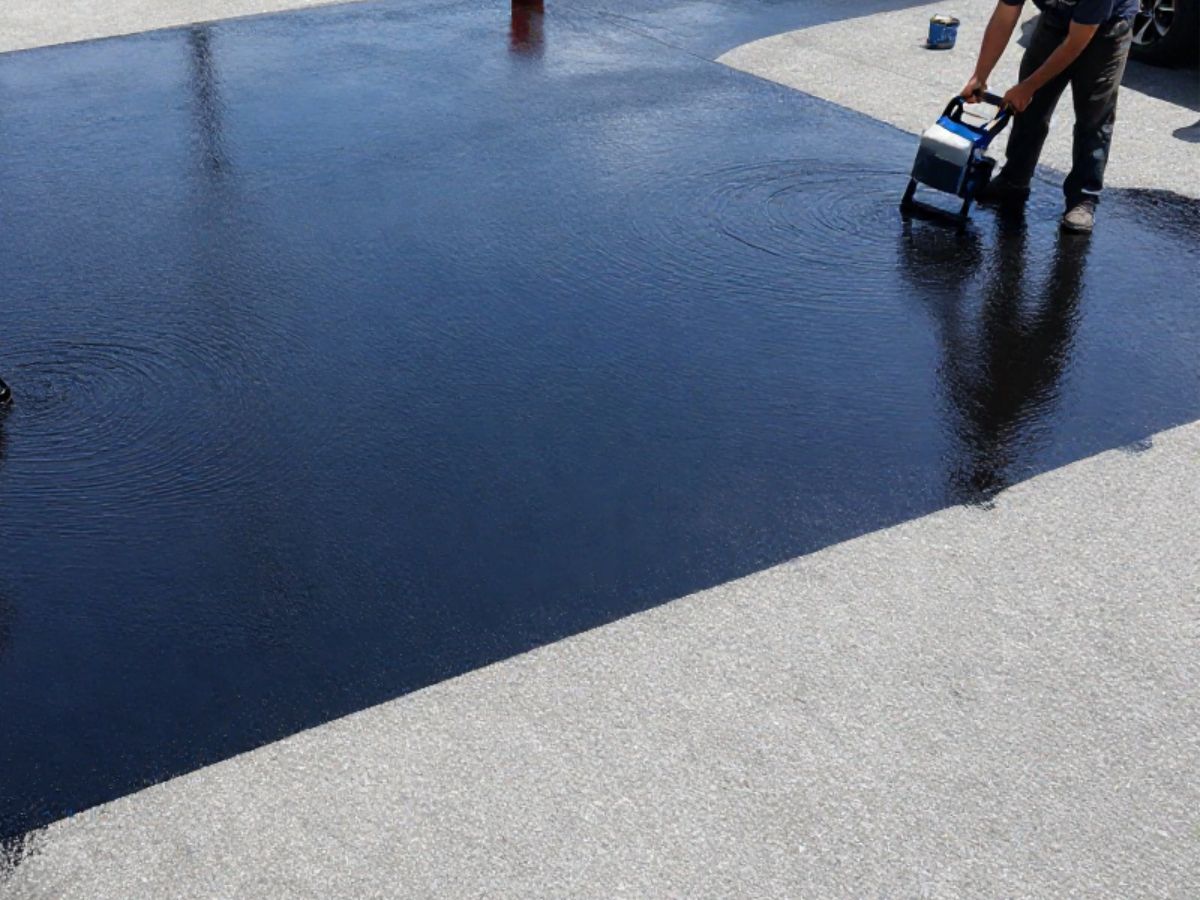
Sealcoating is a protective layer applied to asphalt surfaces, and it plays an important role in maintaining your driveway or parking lot. By applying sealcoating, you can greatly enhance the longevity of your asphalt.
One of the primary sealcoating benefits is that it shields against harsh weather, UV rays, and oil spills, which can cause cracks and deterioration over time.
Using effective sealcoating techniques, you can guarantee an even application that adheres well to the surface. It’s vital to clean the area before application, removing any debris or cracks that could compromise the seal.
Additionally, applying sealcoat during ideal weather conditions—ideally when temperatures are between 50°F and 90°F—will yield the best results.
Why a Sealcoating Schedule Is Essential
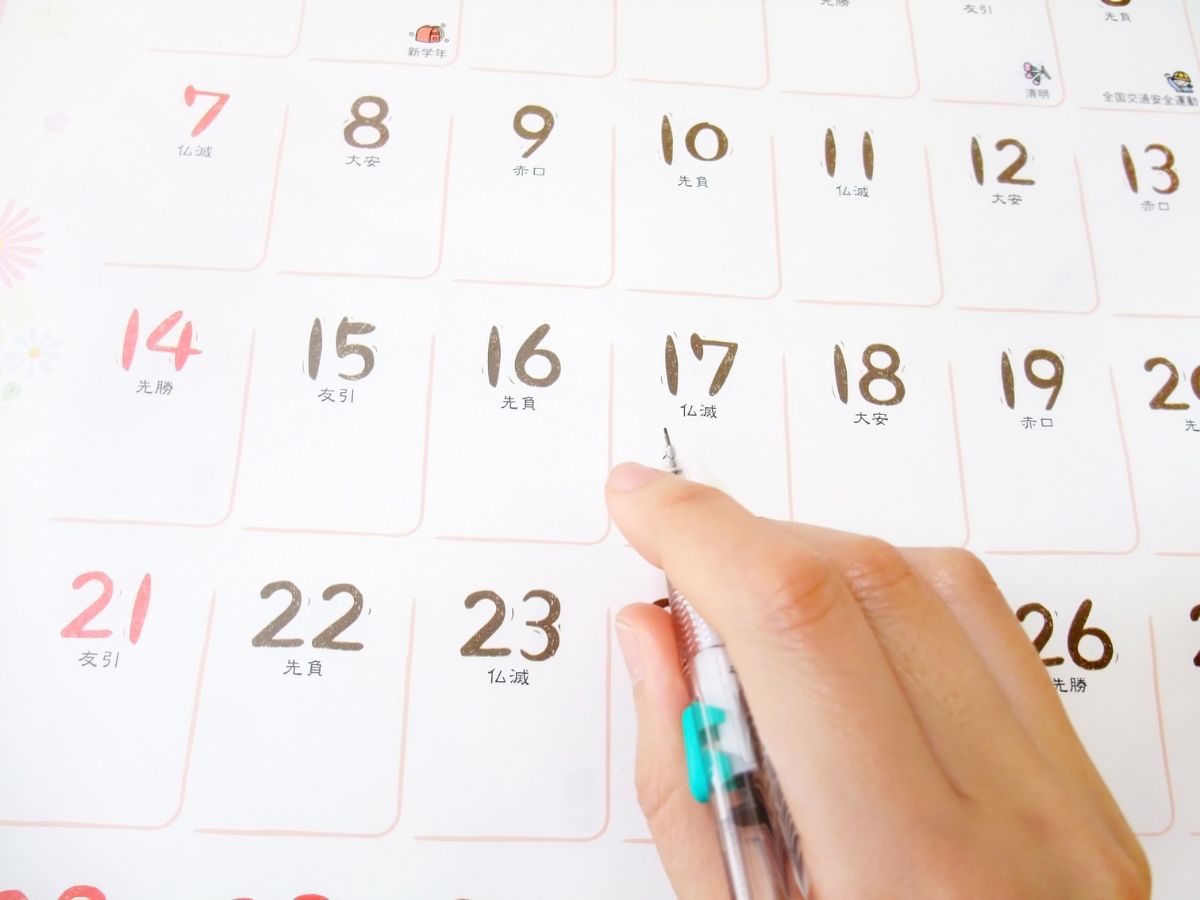
Creating a sealcoating schedule is essential for maintaining the integrity of your asphalt surfaces. When you prioritize a regular schedule, you’re investing in preventive maintenance that extends the lifespan of your pavement and enhances its appearance.
Here are a few reasons why having a solid plan is vital:
- Prevents Damage: Regular sealcoating protects against cracks and weathering.
- Cost Efficiency: A proactive approach reduces costly repairs down the line.
- Improves Safety: Well-maintained surfaces minimize hazards like potholes or uneven ground.
- Enhances Curb Appeal: Freshly sealed asphalt boosts the aesthetic value of your property.
Factors That Influence Sealcoating Frequency
While many factors can influence how often you should sealcoat your asphalt, understanding these variables is essential for effective maintenance.
First, consider the sealcoating materials you use; higher-quality products often require less frequent application and provide better protection. If you’re using a more affordable sealant, you might find yourself needing to reapply sooner.
Next, think about your application techniques. Properly applying sealcoating not only enhances durability but also guarantees even coverage, which can affect longevity. If you apply it too thinly or unevenly, you might need to sealcoat more often.
Environmental factors, like sunlight exposure and weather conditions, also play a role. Areas with heavy traffic or extreme weather may need more frequent sealcoating.
How Often Should You Sealcoat?
When it comes to sealcoating, your frequency will depend on several factors.
You’ll want to evaluate the weather conditions and assess the surface’s condition regularly.
Keeping these elements in mind will help you determine the best schedule for your sealcoating needs.
Factors Affecting Frequency
Understanding the factors that affect how often you should sealcoat your pavement is essential for maintaining its longevity and appearance. Several elements play a role in determining your sealcoating schedule:
- Traffic Levels: High traffic can wear down sealcoating materials faster.
- Pavement Condition: Cracks or damage may require more frequent application.
- Sealcoating Materials: Different materials offer varying levels of durability and protection.
- Application Techniques: Proper techniques can extend the life of each sealcoating layer.
Weather Considerations
Weather plays an essential role in determining how often you should sealcoat your pavement. Temperature effects can greatly impact the curing process of sealant.
Ideally, you want to apply sealcoat when temperatures are between 50°F and 90°F. Too hot, and the sealant may dry too quickly; too cold, and it won’t cure properly.
Humidity impact also matters. High humidity can extend the drying time, while low humidity can help it cure faster.
It’s best to avoid rainy days when sealcoating since moisture can compromise adhesion. Pay attention to the weather forecast, and plan your sealcoating schedule around ideal conditions to guarantee a long-lasting finish and protect your investment effectively.
Surface Condition Assessment
To maintain your pavement’s integrity, evaluating its surface condition regularly is essential for determining how often you should sealcoat.
Here are some key factors to contemplate during your assessment:
- Surface wear: Check for visible wear patterns that indicate the need for sealcoating.
- Damage assessment: Look for cracks or holes that might require repair techniques before sealcoating.
- Seasonal effects: Be aware of how weather changes can impact your pavement’s condition.
- Traffic impact: Evaluate how heavy traffic may accelerate surface deterioration.
Sealcoating Intervals for Various Conditions
Sealcoating intervals can vary considerably based on several factors, such as traffic patterns, climate, and the condition of the pavement. If you have high traffic areas, you might want to sealcoat every one to two years to maintain the surface’s integrity.
Sealcoating intervals depend on traffic patterns and pavement condition, with high traffic areas needing attention every one to two years.
In contrast, lighter traffic zones could stretch that interval to three to five years.
Temperature and moisture levels also play an important role. Warmer climates may require more frequent applications to protect against UV damage, while cooler, drier conditions can extend the intervals.
Understanding the sealcoating benefits, like enhanced durability and improved appearance, can help you prioritize your maintenance schedule.
Utilizing proper application techniques is essential; a well-executed sealcoat not only lasts longer but also provides better protection.
Regular assessments of your pavement’s condition will guide you in determining the best sealcoating intervals for your specific circumstances.
Seasonal Considerations for Sealcoating
While you might be enthusiastic to schedule sealcoating, seasonal considerations can considerably impact the timing and effectiveness of the application. Understanding these factors helps guarantee you get the best results.
- Seasonal Temperature: Aim for temperatures between 50°F and 90°F for ideal drying.
- Rain Effects: Avoid sealcoating right before or after rain; moisture can weaken the seal.
- Winter Preparation: Consider sealing before winter to protect against freeze-thaw cycles that can damage asphalt.
- Summer Heat: During extremely hot days, the sealant may dry too quickly, affecting adhesion.
Signs Your Asphalt Needs Sealcoating?
If you notice your asphalt’s color fading, it’s a clear sign it might need sealcoating.
Look for visible cracks or oil stains, as these indicate that your surface is losing its protective layer.
Addressing these issues promptly can save you from more extensive repairs down the line.
Fading Color Appearance
A faded color appearance on your asphalt can be one of the first signs that it’s time for sealcoating. This fading indicates your pavement’s color longevity is compromised, making it vulnerable to further damage.
You should look out for these fading signs:
- Dullness: The surface loses its rich black color.
- Discoloration: You notice patches of gray or light hues.
- Surface wear: The texture appears rough and uneven.
- UV damage: Sun exposure leads to fading and degradation.
Addressing these issues promptly helps maintain your asphalt’s integrity and extends its lifespan.
Visible Cracks Formation
As you inspect your asphalt, you’ll likely notice visible cracks forming, which can signal that it’s time for sealcoating. These cracks don’t just affect the appearance; they can lead to more significant damage if left untreated.
To keep your asphalt in good shape, prioritize crack prevention. Regularly check for small fissures and fill them promptly to avoid further deterioration.
Incorporate maintenance tips into your routine, like cleaning debris and sealing your asphalt every few years. A proactive approach not only enhances durability but also saves you money in the long run.
If you see cracks appearing, don’t hesitate—schedule that sealcoating to protect your investment and extend the lifespan of your asphalt.
Oil Stains Presence
Noticing oil stains on your asphalt can be a clear indicator that it’s time for sealcoating. These stains not only mar the appearance but can also cause long-term damage if left untreated.
Here are some key points to evaluate:
- Identify the Source: Determine if the oil is from vehicles or machinery.
- Prioritize Oil Stain Removal: Clean the stains promptly to prevent further penetration.
- Examine Stain Prevention: Applying sealcoating can create a barrier against future spills.
- Schedule Regular Maintenance: Regular inspections can help you catch stains early, reducing repair costs.
How Regular Sealcoating Benefits Your Asphalt
Regular sealcoating rejuvenates your asphalt, extending its lifespan and enhancing its appearance. By applying a protective layer, you’re safeguarding your pavement from harmful elements like UV rays, water, and oil spills. This not only prevents cracks and deterioration but also promotes asphalt longevity, saving you money on costly repairs down the line.
The sealcoat acts as a barrier, minimizing the penetration of moisture that can lead to potholes and structural damage. You’ll notice the surface looks fresh and new, improving your property’s curb appeal.
Additionally, regular maintenance through sealcoating helps maintain a smooth driving surface, enhancing safety for you and your visitors. The sealcoating benefits extend beyond aesthetics; it considerably contributes to the durability of your asphalt.
Mistakes to Avoid When Sealcoating
When you’re sealcoating, it’s easy to overlook essential details like weather conditions and surface preparation.
Ignoring these factors can lead to poor results and wasted time.
Let’s explore some common mistakes to avoid for a successful sealcoating project.
Ignoring Weather Conditions
While it may be tempting to sealcoat regardless of the weather, doing so can lead to significant issues. You need to be aware of how weather impacts your sealcoating project, especially with seasonal variations. Ignoring these factors can cause poor adhesion and premature wear.
Consider these weather conditions before sealcoating:
- Rain: It can wash away the sealant if it’s applied too soon.
- Extreme Heat: High temperatures can cause the sealant to dry too quickly.
- Cold Temperatures: Sealant may not cure properly in cooler weather.
- Humidity: Excess moisture can affect adhesion and drying times.
Skipping Surface Preparation
Surface preparation is crucial for a successful sealcoating job, and skipping it can lead to major problems.
If you don’t remove surface contaminants like dirt, oil, and debris, the sealant won’t bond properly. This weakens the surface and may cause the sealcoating to peel or wear away quickly.
Preparation importance can’t be overstated; it sets the foundation for your entire project. Always clean the surface thoroughly and repair any cracks or potholes before applying sealant.
Taking these steps guarantees a smoother, longer-lasting finish. Remember, investing time in preparation saves you money and effort in the long run.
Don’t overlook this critical step; it’s the key to a durable sealcoating result.
Choosing a Professional Sealcoating Service
How do you choose the right professional sealcoating service for your needs? Start by researching potential companies to guarantee they meet your expectations.
Look for key factors that can guide your decision:
- Professional Qualifications: Check if they’ve certifications and training in sealcoating techniques.
- Experience: Consider how long they’ve been in the business and their expertise in handling various surfaces.
- Service Reviews: Read customer testimonials and online reviews to gauge their reputation and reliability.
- Warranty and Insurance: Confirm they provide a warranty for their work and have liability insurance for added protection.
Frequently Asked Questions
Can Sealcoating Be Done in Cold Weather?
You shouldn’t sealcoat in cold weather. Cold weather affects the sealcoating material’s adhesion and curing process, requiring temperatures above 50°F for ideal results. Always check the sealcoating temperature guidelines before starting your project.
How Long Does Sealcoating Take to Dry?
Sealcoating typically takes 24 to 48 hours to dry, depending on weather conditions. Warmer temperatures and low humidity speed up the drying process, while cold or damp conditions can extend it. Keep an eye on the forecast!
Is Sealcoating Safe for Pets and Children?
Yes, sealcoating’s generally safe for pets and children once it’s fully dry. To guarantee sealcoating safety, keep them away during application and drying. Always follow pet precautions to avoid any exposure to chemicals.
What Equipment Is Needed for DIY Sealcoating?
For DIY sealcoating, you’ll need essential sealcoating tools like a squeegee, brush, and roller. Familiarize yourself with effective DIY techniques to guarantee a smooth application and lasting results on your pavement surfaces.
Can I Drive on Sealcoated Asphalt Immediately?
No, you shouldn’t drive on sealcoated asphalt immediately. Allow at least 24-48 hours for it to cure. Follow sealcoating tips for maximum benefits, ensuring your surface lasts longer and stays protected against damage.
Final Thoughts
At Parkway Paving LLC, we know that the best sealcoating schedule depends on the condition of your asphalt, the amount of traffic it handles, and the weather conditions it faces throughout the year. Staying proactive with routine sealcoating helps protect your surface from wear, moisture, and oxidation while preserving its appearance and extending its overall lifespan.
If you want to keep your pavement protected with the right maintenance plan, our team is here to help with professional asphalt sealcoating, reliable asphalt resurfacing, and expert commercial asphalt paving and residential asphalt paving services. Contact Parkway Paving LLC today to schedule a consultation and let us create the right sealcoating plan to keep your asphalt looking its best and performing for years to come.