
As a contractor, you know effective lot drainage is essential for maintaining property value and safety. Start by evaluating site conditions and grading with at least a 2% slope to guide water. Consider advanced solutions like permeable pavers and rain gardens to enhance efficiency. Don’t forget to choose the right materials and maintain systems regularly to prevent issues. Curious about practical tips and successful case studies to elevate your drainage projects? There’s more to explore.
Key Takeaways
- Conduct thorough site evaluations to identify specific drainage issues and assess soil type and slope direction.
- Implement effective grading principles, maintaining a 2% slope to direct water toward drainage areas.
- Utilize advanced drainage solutions like permeable pavers and rain gardens for sustainable and efficient water management.
- Select appropriate materials such as gravel and perforated pipes, considering performance and environmental impact.
- Schedule regular maintenance checks to ensure optimal drainage functionality and collaborate with contractors for tailored solutions.
Understanding the Importance of Lot Drainage
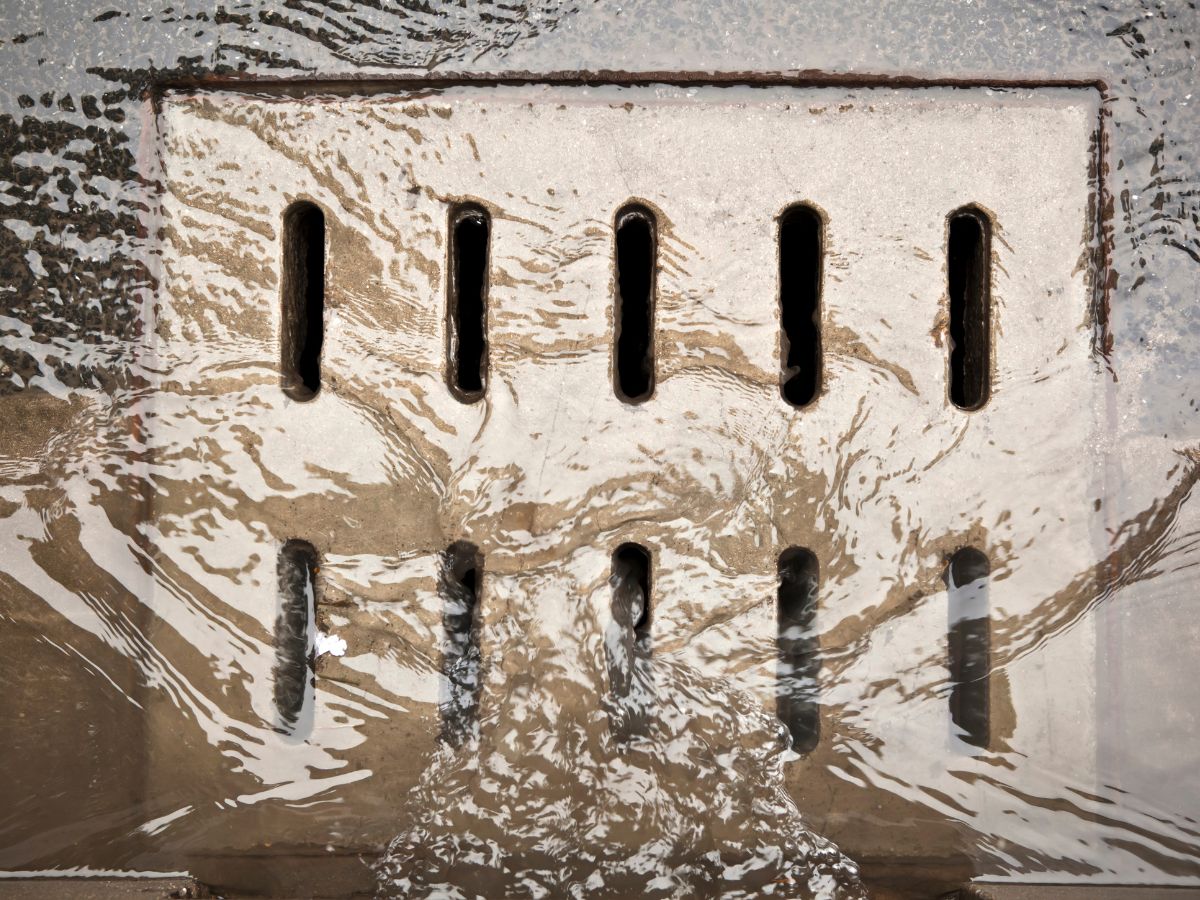
By implementing proper drainage solutions, you can enjoy numerous drainage benefits, such as reduced standing water and improved soil health. This not only keeps your landscape looking great but also protects your investment in the long run.
Plus, a well-drained lot can enhance your property’s curb appeal, making it more attractive to potential buyers. Ultimately, investing in effective drainage systems is a smart choice that pays off, ensuring your property remains safe, functional, and appealing for years to come.
Identifying and Solving Common Drainage Issues
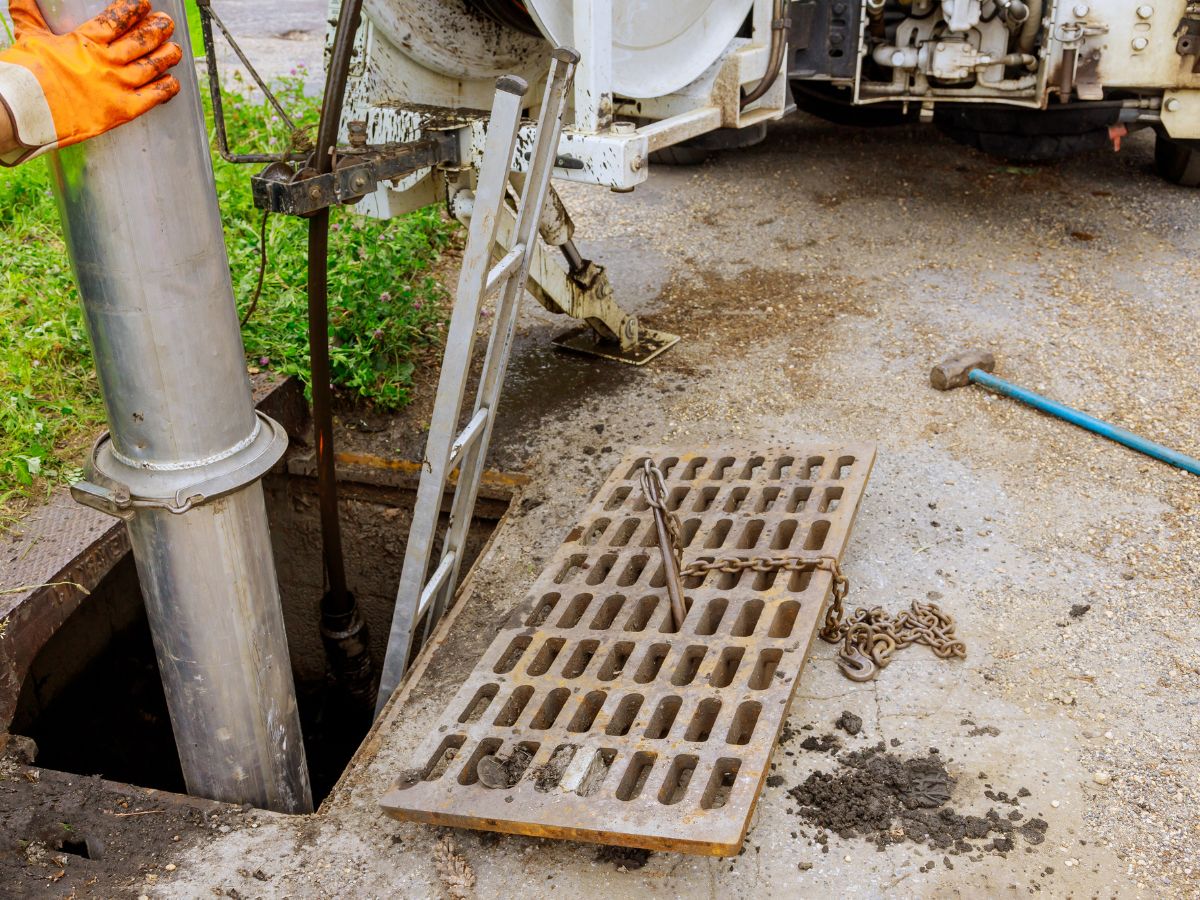
To tackle drainage issues effectively, you first need to assess your site conditions.
Common problems like pooling water or soil erosion can often stem from overlooked factors.
Assessing Site Conditions
Proper assessment of site conditions is essential for effective lot drainage solutions. Start with a thorough site evaluation to identify slopes, vegetation, and current drainage patterns. A detailed soil analysis helps you understand water retention and drainage capabilities.
Here’s a simple table to guide your assessment:
| Factor | Importance |
| Site Evaluation | Identifies existing drainage issues |
| Soil Type | Determines water absorption rate |
| Slope Assessment | Affects water flow direction |
| Vegetation | Impacts water retention |
Common Drainage Problems
When you tackle lot drainage, identifying common problems is crucial for finding effective solutions. Water pooling is often the first sign of inadequate site drainage, leading to soil erosion and potential flooding.
To prevent this, focus on proper landscape grading and effective runoff management. Regular drainage maintenance guarantees your system functions at peak performance, while poor installation techniques can exacerbate issues.
Implementing a robust drainage system with effective water diversion strategies can minimize flood risks. Addressing these problems early not only protects your property but also enhances its overall value.
Key Grading Principles for Effective Lot Drainage
Effective lot drainage hinges on a few key grading principles that guarantee water flows away from your property.
First, you should establish a slope, ideally a 2% grade, directing water toward designated drainage areas. This involves employing various grading techniques to create contours that channel runoff effectively.
Establish a 2% slope to effectively channel water toward drainage areas using proper grading techniques.
Next, consider your drainage design; it should incorporate swales and berms to manage water flow efficiently.
Additionally, avoid any depressions that could trap water, as they lead to pooling and potential damage.
Regular maintenance is essential, too—keep ditches clear of debris.
Advanced Drainage Solutions Every Contractor Should Know
In today’s complex construction landscape, knowing advanced drainage solutions can set you apart as a contractor. Utilizing innovative technologies like permeable pavers and advanced geo-synthetic materials not only enhances drainage efficiency but also aligns with sustainable practices.
These methods help manage stormwater effectively, reducing runoff and promoting groundwater recharge. Implementing smart drainage systems, such as rain gardens and bioswales, can further aid in creating eco-friendly landscapes while meeting local regulations.
Additionally, exploring real-time monitoring systems allows you to optimize drainage solutions based on weather conditions. By embracing these advanced techniques, you’ll not only improve project outcomes but also demonstrate your commitment to environmentally responsible practices, making you a preferred choice among clients.
Select the Best Materials for Effective Drainage
When selecting materials for effective drainage, you need to take into account both common options and their performance.
Not all materials function equally, so understanding their strengths and weaknesses is essential.
Let’s explore which materials will best suit your drainage needs.
Common Drainage Materials
Choosing the right materials for drainage can make all the difference in preventing water issues on your property. Common drainage materials include gravel, perforated pipe, and geotextiles. Each has its own installation techniques and regional differences that affect performance metrics.
Conducting a cost analysis will help you choose materials that fit your budget while considering environmental considerations. Always check for material availability and get supplier recommendations to guarantee you have what you need on hand.
Additionally, think about project timelines; some materials may require longer setup times. After installation, follow maintenance tips to keep your drainage system functioning efficiently. This proactive approach will save you time and money in the long run.
Material Performance Comparison
Selecting the right materials for drainage is just the beginning; understanding how they perform in various conditions is equally important. Different drainage material types, like gravel, perforated pipes, and geotextiles, each have unique performance metrics that can greatly influence your project’s success.
For instance, gravel offers excellent permeability but may require regular maintenance, while perforated pipes can efficiently redirect water but need careful installation. Evaluating how these materials withstand weather extremes, soil types, and load-bearing requirements helps you make informed choices.
How to Keep Your Drainage Systems in Top Shape
To guarantee your drainage systems function effectively, regular maintenance is key. Start with seasonal checks to identify any blockages or wear.
Conduct soil analysis to confirm proper drainage and moisture levels. If you notice persistent issues, consider drainage upgrades to enhance performance.
Conducting soil analysis is essential for ensuring optimal drainage and moisture balance; consider upgrades if issues persist.
Collaborate with a contractor who understands local regulations and can provide tailored installation tips. Effective runoff management is vital, so keep gutters and downspouts clear.
Regularly inspect your system to catch problems early, preventing costly repairs down the line. By prioritizing these steps, you’ll maintain a reliable drainage system that protects your property and enhances its value.
Stay proactive, and your drainage will serve you well for years to come.
Case Studies of Successful Lot Drainage Projects
While many property owners face challenges with drainage, several successful case studies demonstrate effective solutions that can inspire your own projects.
One notable example involved a suburban home where innovative drainage technology innovations, such as permeable pavers, were used to manage excess water. This approach not only improved drainage but also enhanced the property’s aesthetic appeal.
In another case, a community park utilized landscape integration techniques, incorporating bioswales and rain gardens to redirect runoff. This solution not only resolved flooding issues but also created beautiful green spaces.
Frequently Asked Questions
What Permits Are Required for Drainage Projects?
You’ll typically need permits for drainage projects, including land disturbance and building permits. Check local drainage regulations to confirm compliance, as permit types can vary based on your project’s scope and location.
How Can I Assess Soil Drainage Capacity?
To assess soil drainage capacity, you can conduct drainage tests like the percolation test. Identify soil types in your area; sandy soils drain quickly, while clay retains water. This helps you understand your drainage needs better.
What Are the Costs Associated With Drainage Solutions?
Drainage solutions can vary widely in costs. You’ll need a thorough cost analysis, factoring in installation expenses like materials, labor, and any necessary permits. Understanding these elements helps you budget effectively for your project.
How Does Weather Impact Drainage Effectiveness?
Weather greatly impacts drainage effectiveness. Heavy rainfall patterns can lead to soil saturation, causing water to pool instead of draining. You’ll need to adapt your drainage solutions based on these changing weather conditions for ideal performance.
Can I DIY My Lot Drainage System?
Yes, you can DIY your lot drainage system. With the right drainage materials and DIY tools, you’ll be able to create an effective solution. Just make sure you research and plan thoroughly before starting your project.
Final Thoughts
Effective lot drainage is one of the smartest investments you can make to protect your pavement, improve safety, and support the long-term value of your property. At Parkway Paving LLC, we understand that the right drainage strategy helps prevent water damage, reduces surface wear, and keeps your lot performing the way it should. Whether you need expert help with parking lot paving, surface protection through asphalt sealcoating, or improvements with asphalt resurfacing, our team is ready to deliver reliable solutions tailored to your property. If you want durable results and professional guidance for your next paving or drainage-related project, contact Parkway Paving LLC today to get started.