
If you’re looking to understand municipal road repair and surface sealing, start by evaluating road conditions and identifying repair needs, like cracks and potholes. Different repair methods, such as pothole patching and crack sealing, enhance safety and extend road longevity. Budgeting for these repairs involves gathering contractor quotes and prioritizing urgent fixes. Engaging your community helps pinpoint issues and improve transparency. Stay tuned to learn about best practices and overcoming challenges in maintaining safe, reliable roads.
Key Takeaways
- Regular assessments identify repair needs such as cracks, potholes, and surface erosion to maintain road safety and functionality.
- Different repair techniques, like cold patching and crack sealing, extend road lifespan and improve durability against weather impacts.
- Effective budgeting involves evaluating road conditions and gathering contractor quotes to prioritize urgent repairs.
- Community engagement through feedback and public meetings enhances repair prioritization and fosters trust in the repair process.
- Monitoring repair success involves using tools like profilometers for surface smoothness and gathering resident feedback through surveys.
What You Need to Know About Municipal Road Repair
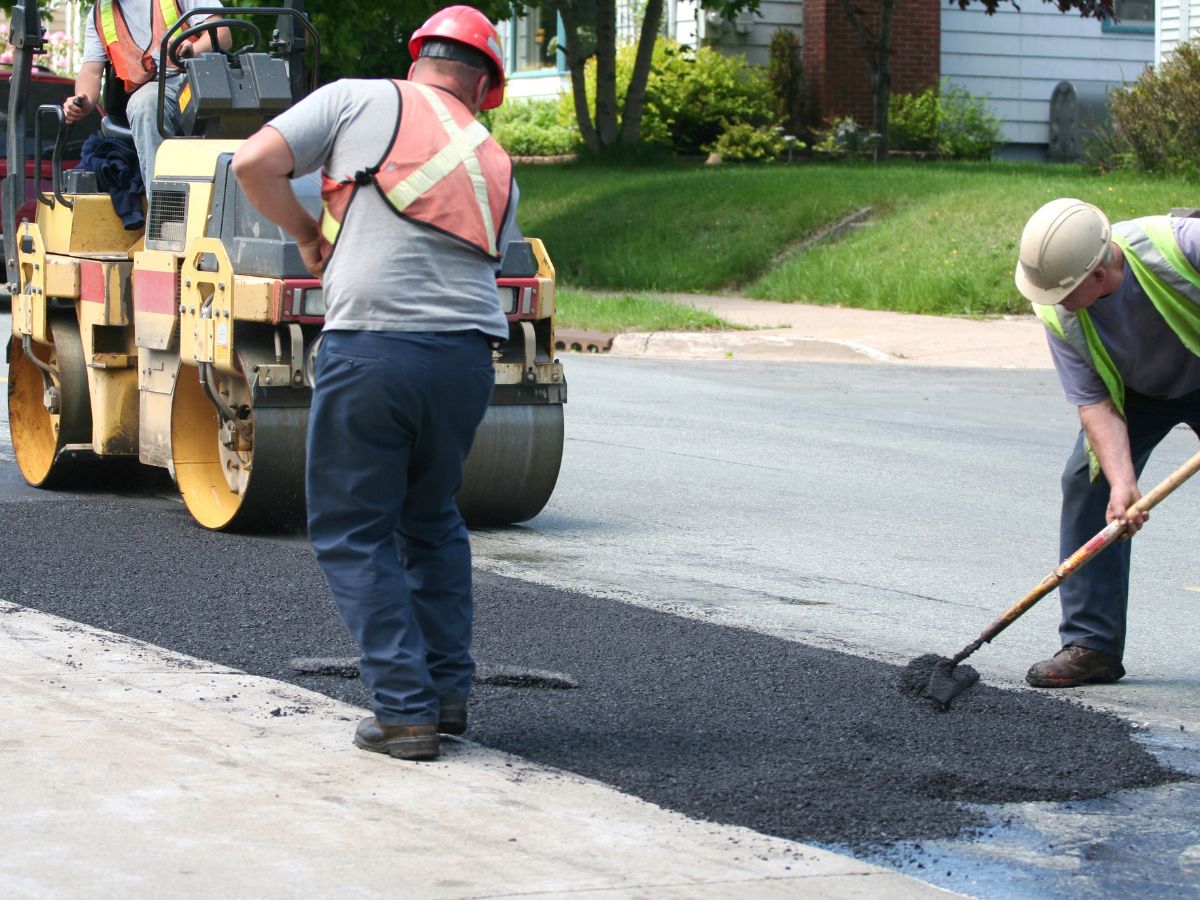
When it comes to municipal road repair, understanding the process can save you time and frustration. Road maintenance involves regular assessments and repairs to keep streets safe and functional.
Typically, local governments prioritize repairs based on factors like traffic volume and current road conditions.
Community involvement plays an essential role in this process. When residents voice concerns or report issues, it helps officials identify areas needing attention. You can participate by attending town hall meetings or using online platforms to share feedback.
Being informed about how these repairs work not only empowers you but also fosters a collaborative environment. Together, you can guarantee your neighborhood remains well-maintained and accessible, making a positive impact on daily commutes and overall safety.
How to Identify the Need for Repairs and Sealing?
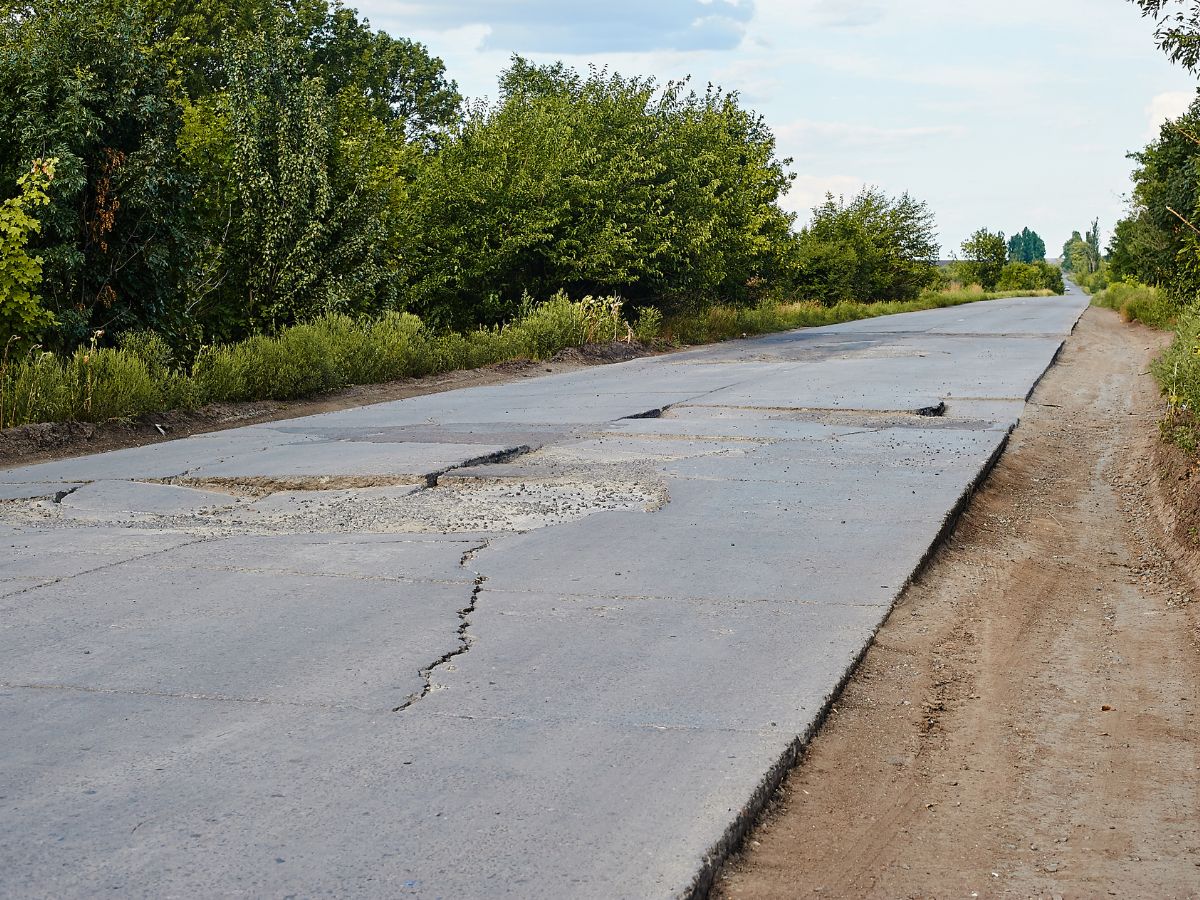
Identifying the need for repairs and sealing on municipal roads is essential for maintaining safety and functionality. Start by looking for common repair indicators like cracks, potholes, and surface erosion.
Identifying repair needs on municipal roads is vital for safety; watch for cracks, potholes, and surface erosion.
If you notice extensive wear or water pooling, it’s a sign that sealing techniques may be necessary. Regular inspections can help you spot these issues early.
Pay attention to how the road surface looks and feels; rough patches or discoloration often indicate underlying problems.
Don’t forget to monitor traffic patterns; increased wear in high-traffic areas might require more frequent repairs.
Different Types of Road Repairs You Should Consider
When it comes to maintaining your roads, knowing the right repair techniques can make all the difference.
You should consider options like pothole repair techniques, crack sealing methods, and various surface treatments.
Each method has its advantages, so let’s explore what fits your needs best.
Pothole Repair Techniques
You should consider cold patching for quick fixes, which involves applying a mix of asphalt and aggregate directly into the pothole. For more permanent solutions, hot mix asphalt is ideal, as it bonds better with existing pavement.
Additionally, innovative repair technologies like infrared patching use heat to bond new asphalt with the old, creating a seamless surface.
Don’t forget to implement pothole prevention strategies, such as regular inspections and timely maintenance, to minimize future issues.
Crack Sealing Methods
While you may focus on pothole repairs, addressing cracks in the roadway is equally essential for maintaining safety and extending pavement life.
Crack sealing is a proactive repair technique that prevents water infiltration and further damage. You’ve got a few methods to choose from, including hot-pour and cold-pour sealants.
Hot-pour sealants are ideal for larger cracks, as they’re flexible and durable when applied at high temperatures. On the other hand, cold-pour sealants are easier to apply and work well for smaller cracks.
Regardless of the method, make certain to clean the crack thoroughly before sealing to guarantee proper adhesion.
Surface Treatment Options
To enhance the durability and safety of your roadways, exploring various surface treatment options is essential. Each method has unique benefits that can greatly improve your roads.
Here are some effective options you should consider:
- Chip sealing: Offers a durable, cost-effective solution for surface protection.
- Fog sealing: Restores the surface’s flexibility and prevents cracking.
- Slurry seal: A mixture that fills small cracks and provides a smooth finish.
- Micro surfacing: Revitalizes worn surfaces with a polymer modified mixture.
- Seal coat: Protects against moisture and UV damage, extending road life.
Using rejuvenating agents with hot mix or cold mix options can further enhance the effectiveness of these treatments, ensuring your roads remain safe and reliable.
Why Surface Sealing Extends Road Lifespan
When you invest in surface sealing, you’re not just enhancing the road’s appearance; you’re considerably extending its lifespan. This process boosts surface durability, reducing the need for frequent maintenance.
By protecting against weather considerations like rain and heat, surface sealing minimizes the environmental impact of road degradation. It also promotes cost efficiency, as fewer repairs mean lower expenses over time.
Effective traffic management is achieved when roads are well-maintained, ensuring smooth transit for your community. Through careful material selection, urban planning can incorporate durable solutions that engage community involvement in upkeep.
Ultimately, surface sealing is a smart strategy for lifespan extension, allowing roads to serve you and your community effectively for years to come.
Choosing the Best Materials for Effective Road Repair
Choosing the right materials for road repair can greatly impact the longevity and performance of your roads. By selecting high-quality asphalt types, you enhance repair durability and reduce future maintenance costs.
Selecting high-quality materials for road repair significantly boosts durability and minimizes future maintenance expenses.
Consider these emotional factors when making your choice:
- Safety: A well-repaired road keeps drivers and pedestrians safe.
- Community pride: Smooth, durable roads reflect a commitment to your community.
- Environmental impact: Quality materials can minimize the carbon footprint.
- Cost-effectiveness: Investing in better materials saves money in the long run.
- Aesthetics: Well-maintained roads improve the overall appearance of your area.
How to Plan and Budget for Road Repairs
To effectively plan and budget for road repairs, you need to start by evaluating the current conditions of your roads.
Next, estimate the costs involved in those repairs and identify which projects should take priority.
This approach guarantees that your resources are allocated efficiently and effectively.
Assess Current Road Conditions
Evaluating current road conditions is essential for effective planning and budgeting of road repairs. You need to employ various road assessment techniques and condition evaluation methods to get a clear picture of your roads’ state.
This helps you prioritize repairs and allocate funds wisely.
- Cracked pavement can lead to accidents.
- Potholes damage vehicles and frustrate drivers.
- Uneven surfaces can hinder emergency services.
- Poorly maintained roads lower property values.
- Unsafe roads impact community connectivity.
Estimate Repair Costs
Once you’ve assessed the current road conditions, the next step is estimating repair costs to confirm you can effectively plan and budget for necessary work.
Start by gathering quotes from contractors to get a realistic idea of expenses. Consider material costs, labor, and any additional fees. A thorough cost estimation helps you identify which repairs are most urgent and feasible within your budget.
Don’t forget to analyze your budget; this will show you where funds can be allocated for road repairs. By balancing your budget analysis with accurate cost projections, you’ll confirm that you’re ready to tackle the most pressing issues first, ultimately leading to safer and more efficient roadways.
Prioritize Repair Projects
While you may have a list of potential road repair projects, prioritizing them effectively is essential for maximizing your budget and resources.
Start by using repair prioritization strategies that consider factors like safety, traffic volume, and community impact. Engage residents through community input methods, such as surveys or public meetings, to understand their concerns and preferences. This not only builds trust but also guarantees you’re addressing the most pressing issues.
Here are some key considerations:
- Safety hazards that endanger drivers and pedestrians
- Roads that serve high traffic areas
- Areas with frequent complaints from residents
- Infrastructure that supports local businesses
- Projects that enhance community connectivity
Taking these steps will help you allocate funds more efficiently and improve residents’ quality of life.
Best Practices for Implementing Road Repairs
Implementing effective road repair strategies can greatly enhance the longevity and safety of municipal roadways.
Start by prioritizing preventive maintenance; regular inspections help identify issues before they escalate. Engage your community by encouraging feedback about road conditions and repair needs. This builds trust and guarantees that you’re addressing the most pressing concerns.
When planning repairs, consider using durable materials that can withstand local weather conditions. Additionally, schedule repairs during off-peak hours to minimize disruption.
Collaborate with local contractors who understand the community’s needs and can deliver quality work efficiently.
Overcoming Common Challenges in Road Maintenance
Facing road maintenance challenges head-on is essential for any municipality aiming to keep its infrastructure in top shape.
You’ll face issues like pavement deterioration, equipment limitations, and weather impacts. Budget constraints can hamper maintenance scheduling, while labor shortages and material availability often complicate your efforts.
To overcome these hurdles, consider the following:
- Engage the community for support and understanding
- Embrace technology integration for efficient solutions
- Prioritize regulatory compliance to avoid penalties
- Develop a flexible maintenance schedule to adapt to changing conditions
- Foster partnerships for resource sharing and collaboration
How to Measure the Success of Road Repairs?
To effectively measure the success of road repairs, you’ll want to focus on several key indicators that reflect both immediate outcomes and long-term durability. Start by monitoring road performance metrics like surface smoothness and skid resistance. Regular assessments will help you gauge repair effectiveness evaluation.
Here’s a quick table to guide you:
| Indicator | Measurement Method |
| Surface Smoothness | Profilometer readings |
| Skid Resistance | Coefficient of friction |
| Crack Occurrence | Visual inspections |
| User Feedback | Surveys and reports |
| Maintenance Frequency | Scheduled inspections |
Frequently Asked Questions
How Often Should Municipal Roads Be Inspected for Repairs?
You should inspect municipal roads at least twice a year. This frequency helps you identify issues early, ensuring repairs meet safety criteria and prolonging road lifespan. Regular assessments keep infrastructure safe and efficient for everyone.
What Are the Environmental Impacts of Road Repair Methods?
Road repair methods can greatly impact the environment. By using pavement recycling and eco-friendly materials, you can reduce waste and lower emissions, promoting a healthier ecosystem while maintaining durable road surfaces.
How Do Weather Conditions Affect Road Repair Effectiveness?
Weather impacts road repair effectiveness considerably. If you choose the right timing—avoiding rain or extreme temperatures—repairs bond better and last longer, ensuring your work withstands environmental challenges and provides smoother, safer surfaces for drivers.
Can Residents Influence Road Repair Priorities in Their Municipality?
Yes, residents can influence road repair priorities in their municipality. By engaging in community discussions and submitting repair petitions, you can voice your concerns and help prioritize the repairs that matter most to your neighborhood.
What Is the Typical Lifespan of Various Road Repair Materials?
Asphalt typically lasts 15-20 years, while concrete can endure 30-40 years. You’ll find asphalt’s longevity suitable for lighter traffic, but concrete’s durability offers greater strength for heavier loads and harsher conditions.
Final Thoughts
Keeping municipal roads in strong condition requires the right repair strategy, quality materials, and a long-term approach to surface protection. At Parkway Paving LLC, we understand that timely road repair and surface sealing help extend pavement life, improve safety, and reduce the need for more costly repairs down the line. Whether you need dependable support for commercial asphalt paving, added pavement protection through asphalt sealcoating, or restoration with asphalt resurfacing, our team is ready to deliver durable, professional results. If you are planning a roadway improvement project and want a trusted paving contractor on your side, contact Parkway Paving LLC today to get started.