
Level repair’s key to reviving your pavement perfectly. It tackles issues like settlement cracks and surface erosion, preventing costly damage down the line. To keep your pavement looking great and durable, regular inspections and timely maintenance are vital. You’ll want the right tools and materials for effective repairs, along with eco-friendly options for sustainable solutions. Stick around to discover more about essential techniques and practical tips to achieve long-lasting results for your pavement.
Key Takeaways
- Timely level repair, such as mudjacking, restores pavement integrity and prevents further damage, saving money long-term.
- Regular inspections help identify cracks and surface damage early, allowing for prompt repairs and prolonging pavement life.
- Use high-quality materials and tools, like self-leveling compounds and concrete mixers, for effective and lasting repairs.
- Consider eco-friendly options, like recycled asphalt and permeable pavements, for sustainable and efficient pavement revival.
- Weigh DIY efforts against professional services based on skills and time to ensure quality repairs and optimal results.
Understanding Level Repair: What Is It?
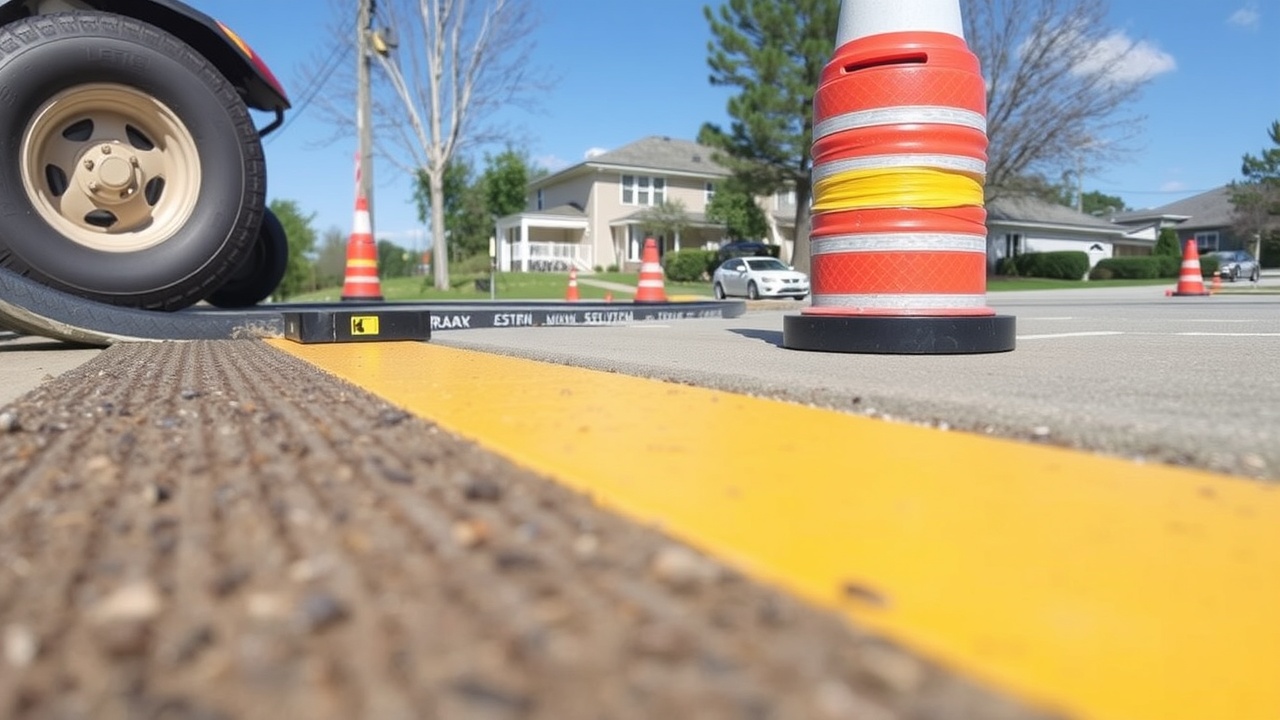
Level repair is an essential process in maintaining pavement integrity. This method addresses uneven surfaces, ensuring a smooth and safe driving experience.
One of the key level repair benefits is the prevention of further damage, which can save you money in the long run. By employing effective leveling techniques, like mudjacking or slab replacement, you can restore your pavement to its original state.
These techniques work by lifting the sunken areas and redistributing weight evenly, enhancing durability. Additionally, level repair improves aesthetics, making your pavement look well-maintained.
Common Issues That Require Level Repair
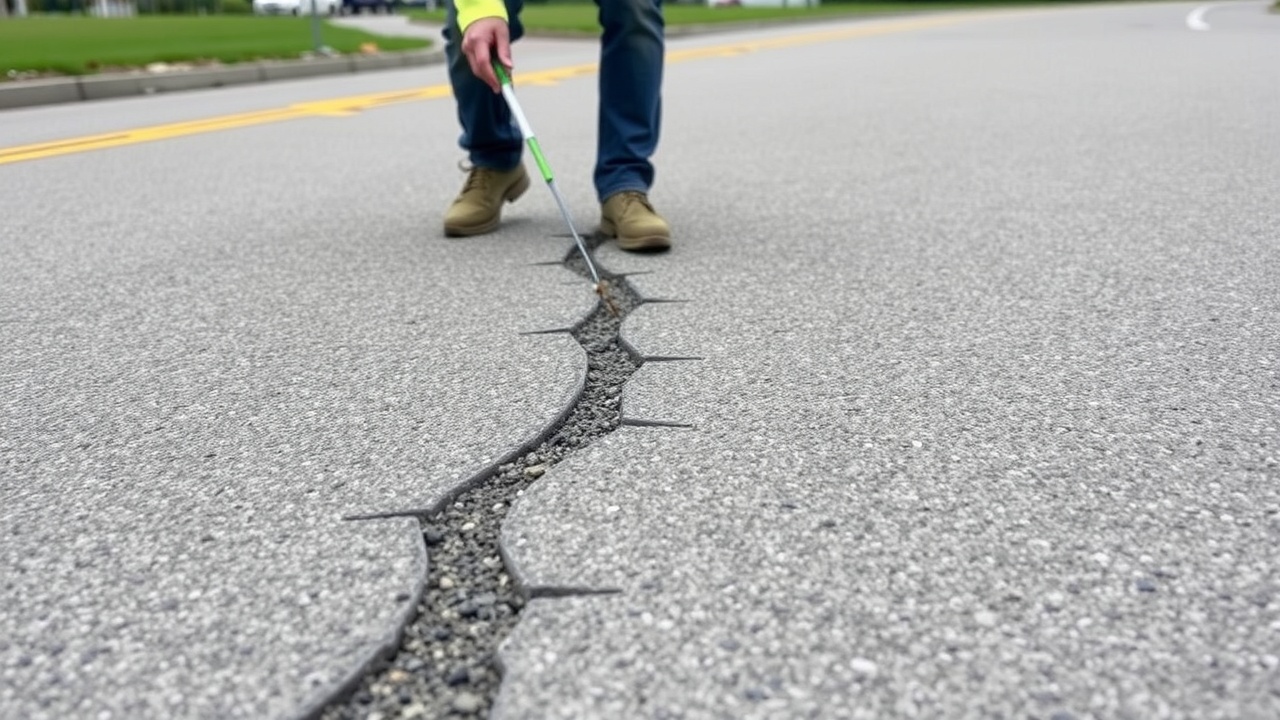
Uneven pavement surfaces can lead to various issues that necessitate level repair. One common problem is settlement cracks, which occur when the ground beneath the pavement shifts, causing unsightly fissures. These cracks can worsen over time, making your pavement not only look bad but also unsafe.
Another issue is surface erosion, which happens due to weather conditions and heavy traffic. Erosion can create depressions and bumps, further compromising the integrity of your pavement.
If you notice any of these problems, it’s crucial to address them promptly. Ignoring them can lead to more significant damage and costly repairs down the line. By recognizing these common issues early, you can keep your pavement in top shape and maintain its longevity.
Why Timely Maintenance Prevents Expensive Repairs
When you catch minor issues early, you save money and avoid major damage down the road.
Regular maintenance not only keeps your pavement looking good but also extends its lifespan.
Early Detection Saves Money
Timely maintenance can be your best ally in preserving the integrity of your pavement, as catching issues early often prevents costly repairs down the line.
By scheduling regular preventative inspections, you can identify small cracks or surface damage before they escalate into major problems. Early intervention not only saves you money but also extends the life of your pavement.
When you address minor issues promptly, you avoid the headaches of extensive repairs that can disrupt your daily operations. Plus, a well-maintained pavement enhances the aesthetics of your property, attracting clients and visitors alike.
Stay proactive and invest in maintenance to keep your pavement in top shape and your repair costs low. Your wallet will thank you!
Avoiding Major Damage
Because pavement issues can quickly escalate into major problems, regular maintenance is essential for preventing costly repairs.
By taking preventative measures, you can extend the life of your pavement and avoid expensive fixes down the road.
Here are some key actions you should consider:
- Regular inspections to identify minor cracks or damage early.
- Sealcoating to protect the surface and minimize wear.
- Pothole repairs to prevent water infiltration and further deterioration.
- Surface treatments like overlays to enhance durability and appearance.
Prolonging Pavement Lifespan
Regular maintenance not only keeps your pavement looking good but also greatly extends its lifespan.
By regularly evaluating the condition of your pavement materials, you can identify minor issues before they escalate into costly repairs. Simple repair techniques, like sealing cracks and filling potholes, prevent water from seeping in and causing further damage.
It’s essential to choose the right materials for these repairs, ensuring they’re compatible with your existing pavement. Ignoring maintenance might save you time now, but it can lead to significant expenses down the road.
How to Assess Pavement Damage Effectively
How can you tell if your pavement needs repairs? Regular pavement inspections are essential for maintaining safety and aesthetics.
Regular pavement inspections are crucial for ensuring safety and preserving the visual appeal of your surfaces.
Use effective pavement inspection techniques to identify issues early. Here are some signs to look for:
- Cracks or potholes that can deepen over time
- Uneven surfaces or depressions causing drainage issues
- Fading or discoloration indicating material degradation
- Surface raveling or loose aggregate affecting traction
Employ damage assessment tools, like infrared thermography or visual surveys, to evaluate the severity of the damage.
By recognizing these signs promptly, you can decide on the necessary repairs, ensuring your pavement remains safe and functional for all users.
Regular assessment is key to prolonging the life of your pavement.
Tools and Materials Needed for Level Repair
After identifying the signs of pavement damage, it’s time to gather the right tools and materials for level repair.
You’ll need essential tools like a concrete mixer, trowel, and leveling board to guarantee a smooth finish. A broom and pressure washer will help clean the area before you start, assuring better adhesion.
For leveling materials, choose high-quality asphalt or concrete mix that matches your pavement type. A self-leveling compound can be particularly effective for minor dips and cracks.
Don’t forget safety gear, such as gloves and goggles, to protect yourself while working. Having everything on hand will make the repair process smoother and more efficient, leading to a perfectly leveled pavement in no time.
Step-by-Step Guide to Level Repair Techniques
Now that you’ve gathered your tools and materials, it’s time to tackle the leveling process.
You’ll follow a straightforward application process to guarantee your pavement gets the attention it needs.
Let’s break down the steps to make your repair as effective as possible.
Tools Required For Leveling
To achieve a smooth and even pavement surface, you’ll need a few essential tools that make the leveling process efficient and effective.
Having the right equipment can greatly enhance your leveling techniques, guaranteeing a professional finish.
Here’s a list of must-have tools:
- Leveling Rake: Helps spread materials evenly across the surface.
- Trowel: Ideal for smoothing out small areas and corners.
- Screed Board: Perfect for leveling larger sections, providing a straight edge.
- Compact Roller: Ensures that the surface is compacted properly, preventing future settling.
With these essential tools at your disposal, you’re well on your way to achieving a flawless pavement surface.
Prepare yourself and get ready for a successful leveling project!
Step-By-Step Application Process
With the right tools in hand, you’re ready to tackle the pavement leveling process. Start by evaluating the area and conducting a cost analysis to determine materials needed.
Before you begin, make sure you wear safety gear—gloves and goggles are essential.
Next, prepare the surface by cleaning it thoroughly and filling any cracks. Mix your leveling compound according to the manufacturer’s instructions.
Pour the compound into the low spots, using a trowel to guarantee an even spread. Allow it to cure as directed, checking for levelness with a straightedge.
Finally, seal the surface to protect your work. By following these steps, you’ll achieve a perfectly leveled pavement that stands the test of time.
How to Fill Cracks and Potholes Effectively
Properly filling cracks and potholes can greatly extend the life of your pavement and improve its appearance. Here’s how to effectively tackle crack sealing and pothole patching:
Proper maintenance through crack sealing and pothole patching enhances pavement longevity and aesthetics.
- Identify the Damage: Check for cracks wider than 1/4 inch and any potholes.
- Clean the Area: Remove debris, dirt, and loose material to guarantee a good bond.
- Choose the Right Material: Use crack filler for small cracks and a suitable pothole patch for larger areas.
- Apply Correctly: For crack sealing, pour the filler and smooth it out.
For pothole patching, fill the hole and compact it for a stable surface.
Level Repair Techniques for Resurfacing Uneven Pavement
Uneven pavement can be a major nuisance, creating safety hazards and detracting from your property’s appearance.
To tackle this issue, start with pavement grading, which involves adjusting the base to guarantee proper drainage and support.
After grading, you can move on to surface leveling, where you apply a layer of asphalt or concrete to fill in low spots and create a smooth surface.
It’s essential to use the right materials for durability and to follow the manufacturer’s guidelines for application.
For best results, consider using a level or laser guide to check your work as you go.
Choosing the Right Sealant for Your Pavement
When it comes to protecting your pavement, choosing the right sealant is essential.
You’ll find various types of sealants, each suited for different conditions and applications.
Let’s explore the options and key factors to take into account before making your decision.
Sealant Types Overview
Choosing the right sealant for your pavement is essential for maintaining its integrity and longevity.
Different sealants offer unique sealant benefits and varying levels of sealant durability. Here’s a quick overview of popular sealant types to evaluate:
- Asphalt-based sealants: Excellent for flexibility and weather resistance.
- Coal tar sealants: Highly durable, providing superior protection against UV rays and chemicals.
- Acrylic sealants: Water-based options that are eco-friendly and easy to apply.
- Polyurethane sealants: Known for their strength and longevity, ideal for high-traffic areas.
Application Considerations Explained
Before you apply a sealant to your pavement, it’s important to take into account several factors that can impact its effectiveness.
First, consider the type of repair materials already used; compatibility is vital. Different sealants work better with specific asphalt or concrete mixtures.
Next, think about the application techniques. Some sealants require special tools or methods, which can influence your project’s timeline and outcome.
Weather conditions also play a role; applying sealant in extreme temperatures can lead to poor adhesion and durability.
Finally, assess the level of wear and tear on your pavement. Choosing the right sealant tailored to these factors will guarantee your pavement is protected and looks great for years to come.
DIY Level Repair vs. Hiring Professionals: What to Consider
While you might feel tempted to tackle pavement repairs yourself, it’s essential to weigh the pros and cons of DIY versus hiring professionals.
Consider these factors before deciding:
- Skill Level: Are you comfortable using DIY techniques, or do you lack experience?
- Time Investment: Do you have the time to commit, or would you prefer to focus on other tasks?
- Quality of Work: Can you guarantee the same level of quality as professional services?
- Cost-Effectiveness: Will the potential savings justify the risk of doing it yourself?
Ultimately, choosing between DIY level repair and professional help depends on your skills, time, and budget.
Assess your situation carefully to make the best decision for your pavement needs.
What Will Level Repair Cost You?
How much should you budget for level repair? The cost can vary widely based on several cost factors.
For instance, the size and condition of your pavement, the materials used, and the method of repair all play crucial roles in determining pricing estimates. Typically, you might expect to spend anywhere from $1 to $3 per square foot for basic repairs, but more extensive damage can raise that cost considerably.
Additional factors include local labor rates and any necessary permits. To get a clearer idea of what you might spend, it’s wise to obtain multiple quotes from local contractors.
How to Choose a Reliable Pavement Repair Service
Finding a reliable pavement repair service can feel overwhelming, but knowing what to look for can make the process smoother.
Start by researching potential companies and focus on these key aspects:
- Customer reviews: Check online platforms for feedback from previous clients to gauge satisfaction.
- Experience: Look for companies with a proven track record in pavement repair.
- Service guarantees: Ascertain they offer warranties on their work, which indicates confidence in their services.
- Free estimates: A reliable service should provide a transparent quote without hidden fees.
Preventative Measures to Avoid Future Damage
To keep your pavement in top shape, you need a regular maintenance schedule that addresses wear and tear before it escalates.
Don’t forget the importance of prompt crack sealing and investing in proper drainage solutions to prevent water damage.
Taking these preventative measures will save you time and money in the long run.
Regular Maintenance Schedule
While it’s easy to overlook, establishing a regular maintenance schedule for your pavement is crucial in preventing future damage.
By adhering to a consistent maintenance frequency, you can catch potential issues early and save on costly repairs later. Here are some key activities to include in your schedule:
- Conduct preventative inspections at least twice a year to assess surface conditions.
- Clean debris and vegetation from cracks and edges regularly to avoid water damage.
- Sealcoat your pavement every few years to protect against UV rays and moisture.
- Address minor repairs immediately to prevent them from escalating.
Taking these steps will guarantee your pavement remains in top shape, extending its lifespan and enhancing your property’s curb appeal.
Prompt Crack Sealing
Cracks in your pavement can quickly lead to larger issues if left unattended, so sealing them promptly is crucial for maintaining its integrity.
By investing in crack sealing, you’re taking a proactive approach to pavement preservation. This process involves applying a specialized sealant to fill cracks, preventing moisture and debris from infiltrating and causing further damage.
When you seal cracks early, you not only extend the life of your pavement but also save money on costly repairs down the line.
Regular inspections can help you identify these cracks before they worsen. Ultimately, staying ahead of potential problems guarantees your pavement remains safe, smooth, and visually appealing, enhancing your property’s overall value and functionality.
Proper Drainage Solutions
Effective drainage solutions are essential for preventing future pavement damage because they help manage water runoff and reduce the risk of erosion.
To achieve this, consider implementing the following strategies:
- Install drainage systems: Properly designed drainage systems direct water away from your pavement, minimizing pooling and saturation.
- Utilize surface grading: Confirm your pavement is graded correctly to facilitate water flow and prevent water from settling on the surface.
- Regular maintenance: Keep drainage systems clear of debris and sediment to maintain their effectiveness.
- Incorporate catch basins: These can collect excess water and help direct it into proper drainage channels.
Regular Maintenance Practices for Long-Lasting Pavement
To guarantee your pavement remains in good condition for years to come, embracing regular maintenance practices is essential.
Start with regular pavement inspections to identify cracks, potholes, or other damage early. Catching issues early can save you money in the long run.
Implementing preventative maintenance, like sealing cracks and applying surface treatments, helps protect your pavement from moisture and wear.
You should also keep the surface clean by removing debris and vegetation, which can lead to deterioration.
Regularly check drainage systems to confirm water flows away from your pavement, preventing pooling.
Eco-Friendly Options for Pavement Repair and Revival
While traditional pavement repair methods often rely on harsh chemicals and non-renewable resources, eco-friendly options are becoming increasingly popular for their sustainability and effectiveness.
Traditional pavement repair methods often depend on harsh chemicals, but eco-friendly alternatives are gaining traction for their sustainable benefits.
You can make a significant impact by choosing green technologies and sustainable materials. Here are some eco-friendly options to contemplate for your pavement repair and revival:
- Recycled Asphalt: Using reclaimed asphalt saves resources and cuts costs.
- Permeable Pavement: This allows water to drain, reducing runoff and erosion.
- Bio-based Sealants: These use natural ingredients, minimizing harmful emissions.
- Warm Mix Asphalt: Produced at lower temperatures, it reduces energy consumption and emissions.
Real-Life Examples of Successful Pavement Revivals
When cities invest in innovative pavement revival projects, the results can transform both the landscape and community engagement.
One inspiring case study comes from a mid-sized city that replaced cracked asphalt with permeable pavers, markedly reducing stormwater runoff and improving local aesthetics. Residents not only appreciated the smoother streets but also embraced new green spaces.
Another success story involves a downtown area revitalizing its aging roads with a rubberized asphalt mix, enhancing durability and noise reduction.
These real-life examples show how strategic investments in pavement revival can lead to safer, more appealing environments.
Frequently Asked Questions
How Long Does Level Repair Typically Last Before Needing Maintenance?
Typically, a level repair lasts around 3 to 5 years before you’ll need maintenance. Factors like weather and traffic can affect this repair lifespan, so it’s wise to check the maintenance frequency regularly.
Can Level Repair Be Performed in Cold Weather?
Yes, you can perform level repair in cold weather, but you need to take into account material selection carefully. Using cold-weather materials guarantees proper adhesion and durability, preventing issues like cracking or premature failure in low temperatures.
What Are the Signs That My Pavement Needs Level Repair?
You’ll know your pavement needs level repair when you see visible cracks or experience surface unevenness. These issues can lead to further damage if not addressed, so it’s best to tackle them sooner rather than later.
Are There Warranties Available for Level Repair Services?
Yes, many level repair services offer warranty coverage and repair guarantees. It’s crucial to ask about specifics, as these warranties can protect your investment and guarantee the quality of the work done on your pavement.
How Can I Prevent Weeds From Growing in Repaired Pavement?
To prevent weeds in repaired pavement, use weed prevention methods like applying herbicides and maintaining joint sealing. Regular pavement maintenance, including cleaning and inspections, also helps keep your surface clear of unwanted plant growth.
Final Thoughts
To summarize, level repair can transform your pavement, restoring it to its former glory and extending its lifespan. By understanding common issues, assessing damage early, and taking timely action with services like professional asphalt resurfacing and protective asphalt sealcoating, you can avoid costly repairs while keeping your surfaces smooth, safe, and visually appealing. Pairing these level repair techniques with a consistent maintenance plan for your parking lot paving or commercial asphalt paving also supports eco-friendly practices that contribute to a healthier environment over time.
If you’re ready to revive your pavement and protect your investment, turn to Parkway Paving LLC for expert guidance and customized solutions. Whether you need commercial pavement restoration or help with residential asphalt paving, our team can recommend the best level repair and maintenance strategies for your property. Learn more about who we are on our About Us page, or contact us today to schedule an assessment and start giving your pavement the long-lasting care it deserves.