
When choosing between hot mix asphalt and cold patch, consider your repair needs. Hot mix is perfect for larger, permanent fixes in high-traffic areas, offering durability for 10-15 years. Cold patch is great for quick, minor repairs that you can apply in any weather, but it lasts only 1-3 years. If you’re looking for cost-effective solutions or how to apply either method successfully, there are plenty of details waiting for you to explore.
Key Takeaways
- Choose hot mix asphalt for larger, permanent repairs with a lifespan of 10-15 years, especially in high-traffic areas.
- Opt for cold patch for quick, temporary fixes suitable for minor issues and various weather conditions, lasting 1-3 years.
- Consider application processes; hot mix requires heating and more preparation, while cold patch is easy to use right out of the bag.
- Evaluate cost-effectiveness; cold patch is cheaper initially but may incur higher long-term costs due to frequent repairs compared to hot mix.
- Assess weather performance; cold patch excels in unpredictable weather, while hot mix is best applied in warm, dry conditions.
Hot Mix Vs. Cold Patch: Which Is Right for Your Repair?
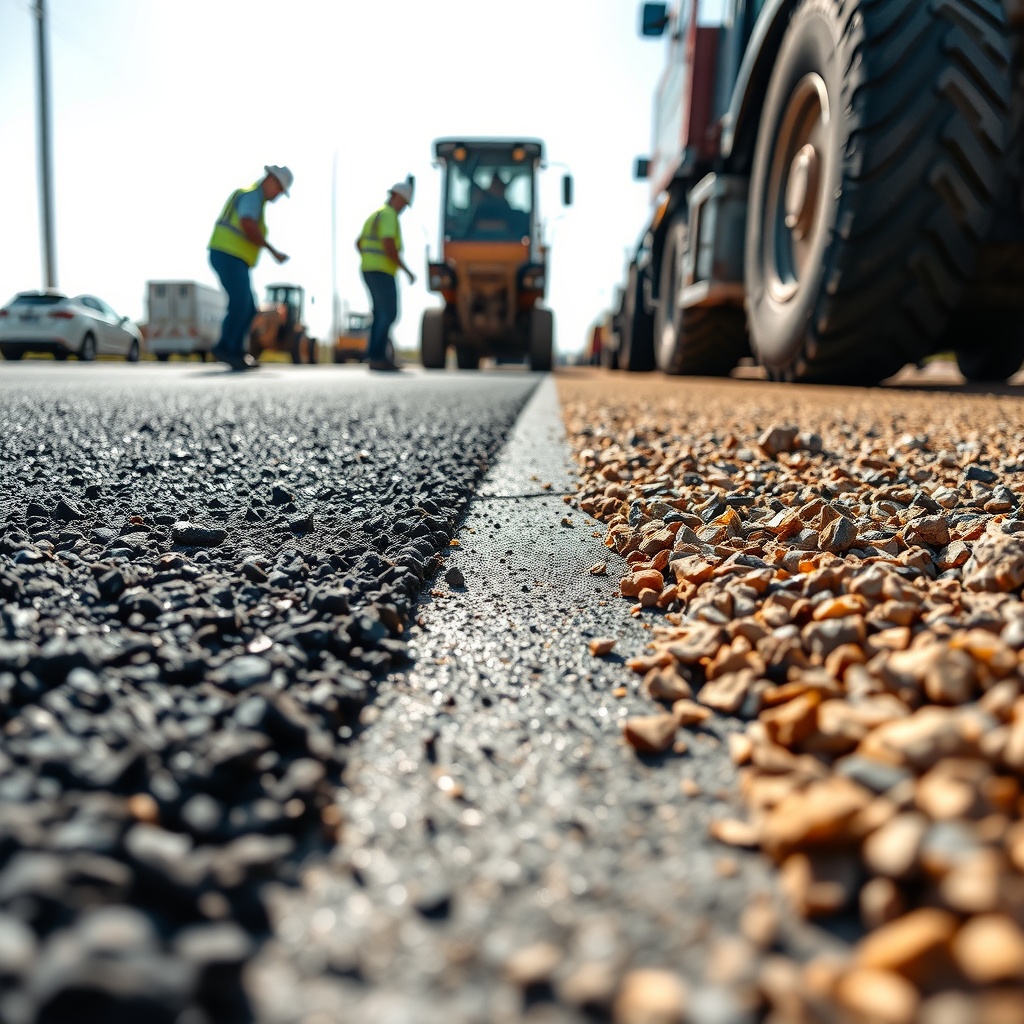
When it comes to repairing asphalt, how do you choose between hot mix and cold patch? Your decision hinges on factors like asphalt performance and the repair’s intended longevity.
Hot mix asphalt is ideal for larger, more permanent repairs. It’s heated before application, allowing it to bond effectively with existing asphalt, resulting in strong, durable surfaces. If you’re looking for a long-lasting solution, this might be your best bet.
On the other hand, cold patch is convenient for smaller, quick fixes. It requires no heating, making it easy to apply in various weather conditions. However, while it can provide decent asphalt performance, it typically doesn’t match the longevity of hot mix repairs.
Ultimately, consider the size of your repair and how long you want it to last. Choosing the right option can greatly impact your asphalt’s overall durability and functionality.
Understanding Hot Mix Asphalt

Hot mix asphalt is made from a careful blend of aggregates, asphalt binder, and additives, ensuring durability and strength.
You’ll typically see it applied at high temperatures, which allows for easy manipulation and quick setting.
Understanding its composition and application process can help you make informed decisions for your paving projects.
Composition And Materials Used
Understanding the composition of hot mix asphalt is essential for anyone involved in paving projects. This material primarily consists of aggregates, asphalt binder, and additives. The combination of these components considerably influences asphalt durability, ensuring long-lasting surfaces that can withstand traffic and weather.
Here’s a quick breakdown of the materials:
| Component | Purpose | Benefits |
| Aggregates | Provides structure and strength | Enhances durability |
| Asphalt Binder | Binds aggregates together | Improves flexibility |
| Additives | Enhances performance | Supports repair techniques |
Temperature And Application Process
The application of hot mix asphalt relies heavily on precise temperature control. When you heat the asphalt mix to the right temperature—typically between 300°F and 350°F—it guarantees proper adhesion and compaction.
If the temperature drops too low, you risk compromising the integrity of the surface.
Application timing is also essential; you want to lay the asphalt while it’s still hot to achieve peak performance. If you delay, the mix can cool, making it harder to work with.
Always check the weather conditions, as a damp or cold environment can impact both temperature control and application timing.
What Is Cold Patch Asphalt?
Cold patch asphalt is a versatile material designed for quick repairs on roads and pavements.
It’s known for its ease of use and effectiveness in various weather conditions.
Let’s explore its key characteristics and the ideal applications where it shines.
Key Characteristics Of Cold Patch
When you’re faced with a pothole or crack in your pavement, cold patch asphalt offers a quick and effective solution.
One of the main cold patch advantages is its ease of use; you can apply it in various weather conditions without needing special equipment. It’s ready to use right out of the bag, making it a go-to option for DIY repairs.
However, cold patch limitations do exist. It’s generally less durable than hot mix asphalt, which means it may not hold up as well under heavy traffic or extreme temperatures.
Understanding these characteristics helps you make informed decisions based on your repair needs and conditions. Cold patch can be a handy fix, but be aware of its long-term performance issues.
Ideal Applications For Cold Patch
If you’re looking for a quick fix for minor pavement issues, cold patch asphalt is an excellent choice. It works wonders for filling small potholes, cracks, and surface defects, especially in residential driveways or low-traffic areas.
You can apply it anytime, even in damp conditions, making it ideal for urgent repairs. However, be aware of cold patch limitations; it’s not suitable for high-traffic zones or large-scale repairs, where hot mix asphalt would be more effective.
Additionally, while cold patch can provide temporary relief, it mightn’t offer the long-lasting durability of other options. Understanding these cold patch applications and limitations helps guarantee you make the right choice for your pavement needs.
Comparative Analysis: Hot Mix Vs. Cold Patch Features
While both hot mix asphalt and cold patch have their specific uses, understanding their features can help you make the right choice for your paving needs. When evaluating performance, hot mix asphalt provides superior durability and longevity, making it ideal for high-traffic areas. On the other hand, cold patch is easier to work with and requires no special equipment, making it suitable for quick repairs.
Here’s a comparative analysis:
| Feature | Hot Mix Asphalt | Cold Patch |
| Temperature | Requires heating | Used at ambient temperature |
| Installation Time | Longer setup time | Quick and immediate |
| Lifespan | 10-15 years | 1-3 years |
| Environmental Impact | Higher due to emissions | Lower, as it’s often eco-friendly |
Consider these aspects carefully, as they’ll influence your project’s success and sustainability.
Advantages of Hot Mix Asphalt for Repairs
Hot mix asphalt stands out for repairs due to its exceptional durability and performance under heavy loads. One key advantage is its durability factors; it can withstand wear and tear better than many alternatives. This means you won’t need to worry about frequent repairs.
However, it does have temperature sensitivity, requiring specific conditions for ideal application. When using proper application techniques, you guarantee a strong bond that enhances longevity.
Repair timelines are also favorable with hot mix asphalt. Once laid down, it sets quickly, allowing for efficient project completion and minimal disruption. This makes it ideal for busy areas that can’t afford extended downtime.
Benefits of Cold Patch for Quick Fixes
When you need a quick fix for potholes or cracks, cold patch is your go-to.
Its easy application process means you can tackle repairs without extensive preparation, and it holds up well in various weather conditions.
Plus, it’s a cost-effective solution that keeps your budget intact while maintaining your pavement’s integrity.
Easy Application Process
If you’re facing a sudden pothole or crack in your driveway, cold patch offers an incredibly straightforward solution. This material is designed for easy application, making it perfect for quick fixes. You don’t need specialized tools or extensive training; just a few user-friendly methods will get the job done.
Simply clean the area, apply the cold patch, and compact it down.
With basic application techniques, you can achieve a durable repair without waiting for professional help. Plus, cold patch can be used in various temperatures, so you can tackle those pesky issues whenever they arise.
Its simplicity and effectiveness make it a go-to choice, ensuring your driveway remains smooth and safe with minimal effort.
Weather Resistance Benefits
Although weather can be unpredictable, cold patch proves to be a reliable solution for quick repairs. Its impressive weather resistance makes it ideal for various seasonal considerations. Whether it’s rainy, snowy, or hot, cold patch can set quickly and endure tough conditions without compromising its integrity.
| Weather Condition | Cold Patch Performance | Hot Mix Asphalt Performance |
| Rain | Excellent | Moderate |
| Snow | Good | Poor |
| Heat | Stable | Vulnerable |
| Cold | Effective | Time-sensitive |
Cost-Effective Solution
Cold patch not only withstands various weather conditions but also offers a cost-effective solution for quick repairs.
If you’re looking to save money while addressing pavement issues, here are some benefits to evaluate:
- Lower Initial Costs: Cold patch materials are generally cheaper than hot mix asphalt, making them a great choice for tight budget considerations.
- Quick Application: You can apply cold patch quickly, reducing labor costs and minimizing disruption.
- Long-Term Savings: By addressing potholes and cracks promptly, you can prevent more extensive damage, leading to significant long-term savings on repairs.
Choosing cold patch means you’re making smart financial decisions while keeping your pavement safe and functional.
Don’t overlook this effective solution for your next repair!
Weather Impacts: When to Choose Hot Mix or Cold Patch?
When considering weather impacts on your paving project, the choice between hot mix asphalt and cold patch can greatly affect the outcome.
Hot mix asphalt works best in warm weather conditions, as it requires specific temperature fluctuations for peak application. If you’re facing seasonal effects like freeze-thaw cycles, hot mix can provide a durable solution when temperatures are above 50°F.
On the other hand, cold patch is ideal for cooler temperatures and high moisture levels. It sets quickly, making it suitable for urgent repairs during unpredictable weather.
If humidity impacts your project, cold patch can still adhere well without the need for perfect conditions. Always factor in climate considerations and repair timing; knowing your area’s environmental factors can help you choose wisely.
Ultimately, being weather-ready guarantees your repairs last longer and perform better.
Cost Comparison: Hot Mix Vs. Cold Patch
Choosing between hot mix asphalt and cold patch often comes down to cost. Understanding the key cost factors can help you make a more informed decision. Here’s what you should consider:
- Material Quality: Hot mix typically offers better durability, which may lead to long-term savings on maintenance expenses.
- Labor Costs: Hot mix requires skilled labor and specialized equipment, often increasing immediate costs, while cold patch is easier and quicker to install, reducing labor expenses.
- Repair Frequency: If your project scope includes frequent repairs, cold patch might seem budget-friendly initially, but the need for ongoing maintenance can add up.
When you weigh installation time and seasonal pricing, think about your budget considerations.
While cold patch might save money upfront, hot mix could provide better value over time due to its longevity and reduced repair frequency.
How to Install Hot Mix Asphalt Repairs
Installing hot mix asphalt repairs requires careful preparation and attention to detail, especially if you’ve weighed the initial costs against long-term benefits.
First, gather your repair tools, including a shovel, tamper, and compactor. Next, clean the repair area thoroughly, removing debris, loose asphalt, and any vegetation.
Gather your essential tools—shovel, tamper, and compactor—then clean the area by removing debris and loose asphalt for a solid foundation.
Once the area is prepped, use installation techniques like cutting out damaged sections in a square or rectangular shape to guarantee a proper fit.
Heat the hot mix asphalt and pour it into the repair area, filling it slightly over the surface.
Use a tamper to compact the mix firmly, ensuring it bonds well with the existing asphalt.
Finally, allow the repair to cure according to manufacturer guidelines.
Effective Application of Cold Patch Asphalt
Applying cold patch asphalt effectively can make a world of difference in your repairs. To maximize the benefits of cold patch techniques, follow these steps:
- Clean the Area: Remove any loose debris, dirt, or water from the damaged spot. A clean surface guarantees better adhesion.
- Apply the Cold Patch: Pour the cold patch asphalt into the hole, overfilling slightly. This helps compensate for settling as it cures.
- Compact the Material: Use a tamper or plate compactor to press down the patch. Proper compaction enhances stability and longevity, showcasing cold patch advantages.
Asphalt Longevity: Hot Mix Vs. Cold Patch Durability
While both hot mix asphalt and cold patch have their uses, understanding their durability can greatly impact your repair decisions.
Hot mix asphalt typically offers a longer asphalt lifespan due to its ability to bond more effectively and withstand heavy traffic. It’s ideal for high-traffic areas, as it can endure the wear and tear that comes with frequent use.
On the other hand, cold patch is more suited for temporary fixes and low-traffic areas. Its durability isn’t as robust, which means you might find yourself facing a higher repair frequency if you choose this option for significant damage.
While it’s convenient for quick jobs, it may not hold up as long as hot mix asphalt under stress.
Ultimately, evaluating the specific conditions of your pavement will help you decide which option best suits your needs for lasting repairs.
Avoid These Common Asphalt Repair Mistakes
Choosing the right asphalt repair method is only the beginning. To guarantee a successful project, you need to avoid common mistakes that can compromise your efforts.
Here are three key pitfalls to watch out for:
- Inadequate Preparation: Skipping surface cleaning can lead to poor adhesion. Always clear debris and cracks before applying any patch.
- Improper Techniques: Many DIY enthusiasts underestimate the importance of proper techniques. Inadequate compaction or applying material too thick can cause premature failure.
- Ignoring Weather Conditions: Timing errors, like working in rain or extreme heat, can ruin your repair. Always check the forecast before starting.
Frequently Asked Questions
Can Hot Mix Asphalt Be Used in Winter Weather Conditions?
Yes, you can use hot mix asphalt in winter, but it has temperature limitations. Its winter performance might suffer in extremely cold conditions, so verify the temperature is within the recommended range for best results.
How Long Does Cold Patch Asphalt Last Compared to Hot Mix?
Cold patch asphalt typically lasts one to three years, while hot mix can last five to ten. Durability comparison shows hot mix’s strength, but application techniques for cold patch make it convenient for quick repairs.
Is Hot Mix Asphalt Environmentally Friendly?
Yes, hot mix asphalt can be environmentally friendly. You can recycle asphalt, reducing waste. However, temperature effects during production and application might impact its sustainability, so consider these factors when choosing materials for your project.
What Tools Are Needed for Applying Cold Patch Asphalt?
To apply cold patch asphalt, you’ll need a shovel, tamper, and possibly a trowel. Follow repair tips and application techniques for the best results, ensuring a solid, long-lasting fix for your pavement issues.
Can I Mix Hot and Cold Patch Asphalt for Repairs?
You shouldn’t mix hot and cold patch asphalt for repairs. Their differing properties can lead to compatibility issues, compromising the repair methods’ effectiveness. Stick to one type for best results and durability.
Final Thoughts
Hot mix asphalt and cold patch both have their place—it all comes down to the size of the repair, the traffic level, and how long you need the fix to last. Cold patch can be a practical short-term option for minor, urgent potholes, but it’s rarely the best long-term solution for high-traffic driveways, entrances, or parking areas. When durability, smoothness, and long-term value matter most, hot mix asphalt is typically the smarter investment.
At Parkway Paving LLC, we help property owners choose the right repair approach based on real site conditions, not guesswork. Whether you need a long-lasting fix for a driveway through asphalt driveway paving, a more cost-effective restoration option like asphalt resurfacing, or ongoing protection with asphalt sealcoating, our team can recommend the best path to extend the life of your pavement.
If you’re deciding between a temporary patch and a permanent repair, contact us for a straightforward evaluation and estimate: Contact Parkway Paving LLC.