
To choose between asphalt repair and replacement, you’ll weigh pavement age, damage type, and how deep problems go. You’ll inspect for hairline cracks, alligator cracking, potholes, drainage issues, and soft spots that signal base failure. Then you’ll compare long-term costs, safety risks, climate impacts, and how long you want the pavement to last. When you connect these ten factors, you can confidently decide whether patching or full-depth replacement makes the most sense for your pavement.
Key Takeaways
- Evaluate damage extent and depth; localized surface issues favor repair, while widespread alligator cracking or soft, spongy areas typically require full-depth replacement.
- Consider pavement age and recent repair history; asphalt over 15–20 years with recurring failures is usually more cost-effective to replace than keep patching.
- Assess base and drainage conditions; standing water, rutting, and repeated potholes signal subbase problems that patches alone cannot fix.
- Compare lifecycle costs and safety; inexpensive patches may be short-lived, whereas replacement improves long-term performance, markings visibility, and liability protection.
- Factor in climate, traffic loads, and future plans; light-use driveways may justify targeted repairs, while busy parking lots or long-term ownership often warrant engineered replacement.
Quick Checklist: Asphalt Repair Vs Replacement
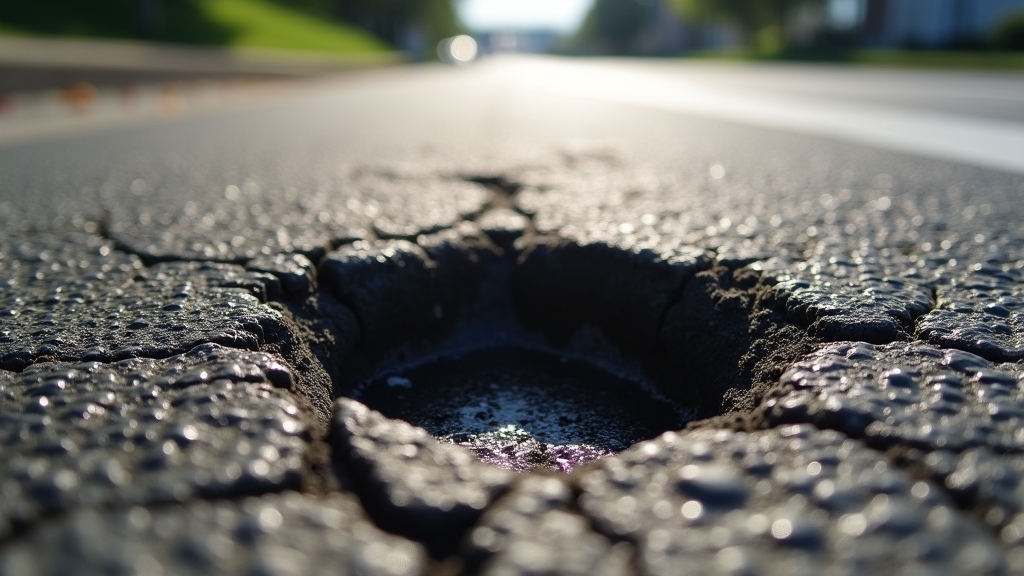
Before you spend thousands on your pavement, run through this quick checklist to decide if repair or full replacement makes more sense:
Look at the damage pattern. Are problems limited to scattered cracks and a few potholes, or do you see widespread alligator cracking and sinking areas? Localized issues usually respond well to focused repair techniques like crack sealing, patching, or thin overlays.
Next, check how deep the damage goes. If issues stay in the top layer, repairs are typically economical. If the base feels soft, moves under vehicles, or holds water, structural failure may justify replacement.
Probe below the surface: stable top layers favor repair; soft, saturated bases often demand full replacement.
Consider drainage: standing water, rutting, or repeated edge breakup often signal underlying issues that simple fixes won’t solve.
Finally, compare long‑term budgets. Add projected repeat repairs over five to ten years and weigh them against one‑time replacement costs, including downtime, permits, and potential property value gains.
Use professionals to confirm decisions.
Pavement Age: When Repairs Stop Working
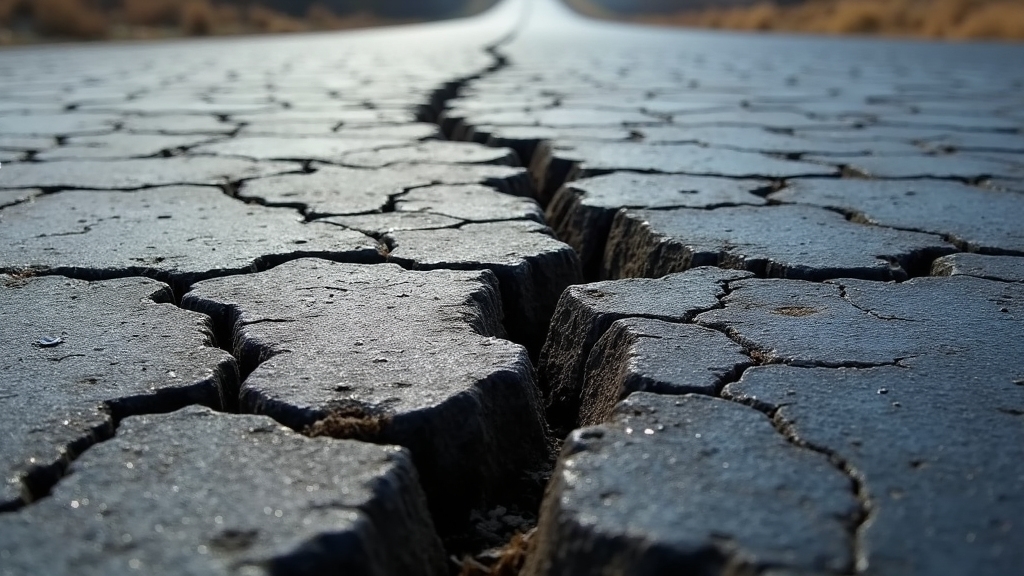
As asphalt ages, even the best patching and crack sealing eventually stop delivering good value.
Pavement doesn’t fail overnight; its structure gradually weakens from UV exposure, water, traffic, and freeze–thaw cycles. Early in the pavement lifespan, small, isolated defects respond well to simple repairs, and you recover performance at a relatively low cost.
As the surface reaches 15–20 years, you usually see a turning point in repair effectiveness. You may still “fix” problems, but each fix lasts a shorter time and requires more frequent visits.
Underneath, the base may be tired, meaning new patches sit on a weak foundation. At this stage, repeated repairs often just chase symptoms instead of addressing the real cause.
When you’re budgeting, look at age, overall condition, and how long recent repairs have lasted. If repairs stop holding, replacement or major rehabilitation often becomes the more economical long‑term choice for your asphalt investment.
Cracks, Alligatoring, and Potholes: Repair or Replace?
How do you know when cracks, alligatoring, or potholes deserve a quick fix versus a full replacement? Start by looking at the extent and depth of the damage.
Hairline or narrow cracks that don’t connect can usually be managed with crack sealing and periodic monitoring. But when those lines link into classic alligatoring patterns, simple sealant won’t restore strength; you’re often better off milling and replacing the affected area.
Potholes demand even closer attention. Small, isolated holes that formed from localized pothole causes—like a drainage issue or a one‑time overload—often respond well to cut‑and‑patch repair techniques. You remove weak material, compact a solid base, and install new hot‑mix asphalt.
However, if potholes keep reappearing in the same spots, or you see clusters across a lane or parking bay, patching becomes a temporary bandage. At that point, planning for larger‑scale replacement usually protects your budget long‑term over the years.
Surface Issues Vs Structural Failures in Asphalt
You need to know whether you’re looking at simple surface-level distress or signs of deep structural damage before you choose repair or replacement.
When you can identify issues like minor raveling, hairline cracks, or light surface wear, you’re more likely to address them with cost-effective repairs.
But when you recognize problems such as widespread rutting, severe base movement, or recurring deep cracks, you’re likely facing structural failure that calls for full-depth replacement.
Identifying Surface-Level Distress
Cracks, bumps, and color changes on asphalt often reveal whether you’re dealing with simple surface distress or deeper structural failure.
To identify surface-level issues, start with a deliberate surface inspection. Walk the pavement, note hairline cracks, shallow potholes, raveling, and faded striping. These problems usually stay confined to the top layer and don’t greatly affect how firm the pavement feels underfoot or under a vehicle.
During damage assessment, pay attention to patterns. Random, isolated flaws often point to aging, weather exposure, or minor use-related wear. When you catch these early, you can usually solve them with sealing, patching, or thin overlays instead of more disruptive work.
Regularly scheduling brief inspections each season helps you spot surface distress before it spreads and raises repair costs.
Recognizing Deep Structural Damage
Surface flaws only tell part of the story; the real concern starts when the pavement’s base and subbase begin to break down.
You’re no longer dealing with cosmetic issues when you see alligator cracking, deep rutting, or depressions that hold water after every storm. These signs suggest fatigue through the entire asphalt layer and into the supporting soils.
At this stage, spot repairs rarely last. You need a thorough foundation assessment to understand how stable the underlying materials are. A structural evaluation, often including cores or ground-penetrating radar, reveals whether the pavement has enough remaining strength.
If loads consistently exceed that strength, replacement or full-depth reclamation usually makes more sense than repeated patching or thin overlays. That decision protects budgets, safety, and long-term performance.
Base and Drainage Problems That Demand Replacement
When your asphalt problems trace back to failing subbase integrity or chronic drainage issues, patching the surface won’t fix what’s really wrong.
You’re dealing with water and structural weaknesses that keep breaking the pavement from underneath. In these cases, you need to evaluate full-depth replacement to restore a stable, long-lasting surface.
Failing Subbase Integrity
Although asphalt problems often appear on the surface, many of the most serious issues start deep in the subbase.
When the stone foundation loses strength through contamination, poor compaction, or repeated overloading, the pavement above can’t stay stable. You’ll see widespread alligator cracking, rutting, and depressions that return soon after patching.
At this point, subbase evaluation becomes critical. A qualified contractor cores the pavement, tests materials, and checks thickness to confirm whether the base has truly failed.
If it has, surface-level repair techniques won’t last, no matter how carefully they’re done. You’ll need full-depth reclamation or complete removal and replacement to rebuild a sound structure, restore load-bearing capacity, and protect any new asphalt investment over the longest realistic service life for your pavement system.
Chronic Drainage Issues
Persistent standing water and slow-draining pavement don’t just create puddles—they signal deeper base and drainage failures that repairs can’t fix for long. When water lingers on your asphalt, it seeps through cracks, weakens the base, and accelerates potholes and alligator cracking.
You can seal coat, patch, or overlay, but without correcting the underlying water management, the same problems will return quickly.
Chronic drainage issues usually mean the pavement was built with insufficient slope, clogged or missing drains, or a compromised stone base. At this point, you’re not just fixing asphalt; you’re redesigning how water leaves the site.
Full-depth replacement lets your contractor regrade, rebuild the base, and install proper drainage solutions so runoff flows away and your new pavement lasts far longer with confidence.
Driveways Vs Parking Lots: Traffic, Use, and Wear
Because driveways and parking lots experience very different patterns of traffic, they age and deteriorate in distinct ways that affect whether repair or full replacement makes sense.
Your driveway usually sees lighter, more predictable loads—family cars, delivery vans, maybe an occasional moving truck. Cracking, edge breakdown, and isolated depressions often relate to base weaknesses or neglected driveway maintenance, but they’re usually localized and easier to address with patching, crack filling, and periodic sealcoating.
Parking lot usage is harsher and more varied. You’ve got higher traffic volumes, heavier vehicles, turning movements, and frequent stopping that grind away at the surface.
Oil leaks, UV exposure, and plowing speed up raveling and pothole formation across broader areas. When you see widespread alligator cracking, rutting in drive lanes, or repeated failures in the same spots, it often signals structural fatigue, pushing you to evaluate more extensive rehabilitation instead of simple surface repairs.
Cost, Lifespan, and ROI: Repair Vs Replacement
Those different wear patterns in driveways and parking lots don’t just change how pavement fails; they also change what makes financial sense over time.
When you compare repair and replacement, you’re really doing a cost analysis over the life of your pavement. A simple patch or overlay usually costs less upfront, but its lifespan expectations are shorter, especially where heavy vehicles or turning traffic stress the surface.
Replacement demands more money now, yet it resets the structural clock. New asphalt, built on a solid base, can often deliver decades of service with routine maintenance. That longer horizon spreads out your initial expense.
You’ll want to match your strategy to remaining structural strength. If the base is sound and damage is limited, focused repairs often yield the best return.
Once fatigue cracking and widespread depressions appear, full-depth replacement typically offers stronger long-term ROI than repeated short-lived fixes over time.
Safety, Liability, and When Patches Aren’t Enough
As you weigh repair vs replacement, you can’t ignore the hidden safety red flags lurking beneath surface cracks and potholes.
If you overlook them, you increase your liability risk every time a vehicle gets damaged or a person trips and falls on your property.
You need to recognize the indicators of structural failure so you know when simple patches aren’t enough and full replacement becomes the safer choice.
Hidden Safety Red Flags
Even when a parking lot or driveway looks “good enough,” hidden safety red flags can turn worn asphalt into a liability minefield.
Hairline cracks may seem harmless, but they let in water that weakens the base, creating soft spots and future sinkholes. Slight depressions collect water and ice, masking trip points and slippery areas. Faded striping hides traffic patterns, while uneven changes at ramps or drains catch wheels and mobility devices.
You spot some of these hidden hazards by walking the site slowly, at different times of day and in different weather.
Professional safety inspections go further, using tools to identify structural failure beneath the surface. When red flags show widespread or recurring issues, it’s a signal to evaluate more than basic patching alone.
Liability Risks Of Neglect
When minor asphalt issues get ignored, they don’t just grow into bigger repair bills—they grow into legal and safety risks with real consequences. Crumbling edges, heaved sections, and deepening potholes increase the chance of trips, falls, and vehicle damage on your property.
Once you know about these hazards, you’re expected to act.
- Neglecting timely repairs can be viewed as a breach of duty, opening you to negligence consequences if someone gets hurt.
- Courts and insurers often ask whether you documented hazards and pursued fixes quickly, or simply patched over problems.
- Severe damage can even jeopardize portions of your liability insurance coverage, leaving you personally responsible for settlements, legal fees, and long‑term financial strain.
Addressing issues early protects people, property, and your bottom line.
Indicators Of Structural Failure
Though surface wear is normal, certain patterns signal that your asphalt’s structure is failing and simple patches won’t cut it. Pay attention to widespread alligator cracking, deep potholes that return soon after repair, and sections that feel spongy or move under load. These are major failure signs, showing the base layers have lost structural integrity.
Long dips that hold water, sudden height changes at joints, or ruts in wheel paths also suggest foundation problems, not just cosmetic wear. When you see interconnected issues over more than a quarter of the surface, continued patching can increase safety and liability risks.
At that point, you should consider core testing, drainage review, and a full-depth replacement plan instead of another overlay to protect users and property values.
Climate, Weather, and Best Timing for Asphalt Work
Because asphalt responds directly to temperature and moisture, climate and weather largely determine whether repair or replacement will last or quickly fail. You need to think through seasonal considerations and local weather impacts before scheduling work.
Hot, dry conditions help new asphalt compact and bond; cold or wet conditions trap moisture, weaken the base, and shorten pavement life.
- Aim for moderate temperatures, usually between 50°F and 85°F, so the mix stays workable long enough to achieve proper compaction without scuffing or early rutting.
- Avoid rainy or freeze–thaw periods; water in the base or seams later expands as ice, opening cracks and accelerating pothole formation.
- Consider your region’s extremes: in hot climates, schedule work outside peak heat to reduce softening and tracking; in cold climates, target late spring through early fall, when the ground has thawed and crews can seal joints effectively for longer-lasting, more predictable pavement performance overall.
Match Asphalt Repair or Replacement to Your Long-Term Goals
Weather and timing affect how long asphalt lasts, but your long-term goals ultimately decide whether repair or full replacement makes more sense.
Start by clarifying how long you want this pavement to serve you. If you’ll sell the property soon, targeted repairs and sealcoating may align better with your long term strategy, controlling costs while keeping the surface presentable. If you expect heavy traffic or long ownership, investing in a thicker, well‑engineered replacement can reduce emergencies and disruption.
Use maintenance planning to connect today’s choice with future budgets. Ask: What performance level do I need, and for how long? How much downtime can I tolerate? Can I fund periodic crack filling and overlays, or is a one-time reconstruction wiser?
When you view repair and replacement as tools within a long term strategy, you can phase work, avoid surprise failures, and protect both pavement life and property value.
Frequently Asked Questions
Do I Need Permits or HOA Approval Before Asphalt Repair or Replacement?
You usually need approval before starting asphalt work, so check local permit requirements and your HOA guidelines. Call your city, review community rules, and get written confirmation to avoid fines, delays, or forced project changes.
How Environmentally Friendly Are Different Asphalt Repair and Replacement Methods?
They’re reasonably eco friendly when you choose methods that reuse pavement, cut trucking, and lower emissions. Repairs disturb less material; replacements use more resources but can include recycled materials and eco friendly options if planned.
What Warranties Should I Expect for Asphalt Repair Versus Full Replacement?
You should expect repair warranties to run about one to three years, covering localized failures, while replacement warranties typically span five to ten years, protecting pavement performance, drainage, and major defects when you maintain it.
How Do I Choose a Qualified Asphalt Contractor for My Project?
You don’t guess; choose a qualified asphalt contractor by checking licenses, insurance, references, and detailed bids that clearly outline materials and project timelines; verify contractor qualifications through certifications, warranties, site visits, transparent communication on scheduling.
How Disruptive Are Asphalt Projects to Daily Access, Noise, and Parking?
They’re moderately disruptive; you’ll face temporary access limits, construction noise, and reduced parking. Contractors phase work, use clear traffic management plans, coordinate parking options, and apply sound mitigation so you still access nearby businesses safely.
Final Thoughts
When you weigh asphalt repair versus full replacement, look beyond quick fixes and cosmetic patches. Walk through all ten key considerations—pavement age, crack and pothole patterns, base and drainage issues, traffic loads, climate, safety, and long-term plans—before you decide. In many cases, targeted repairs, sealcoating, and asphalt resurfacing can stretch the life of a driveway or parking lot. In others, a full, engineered replacement delivers better lifecycle costs, performance, and curb appeal, especially when paired with ongoing asphalt sealcoating and smart maintenance. For homeowners, that may mean combining strategic repairs with residential asphalt paving or a new asphalt driveway paving plan; for businesses, it often means rethinking parking lot paving and broader commercial asphalt paving strategies so your surface matches real-world use.
The best way to make that call is to partner with an experienced contractor who can inspect your pavement, take cores where needed, and lay out repair, overlay, and replacement options side by side. Parkway Paving LLC offers exactly that kind of guidance, along with resources like how asphalt resurfacing can revitalize your pavement, how to get the most out of your residential asphalt paving services, and why asphalt paving is ideal for commercial properties. With solid data and a clear scope, you can choose the mix of repair and replacement that truly protects your pavement, budget, and curb appeal for years to come.
If you’re ready to find out whether your asphalt needs repair, resurfacing, or full replacement, reach out to Parkway Paving LLC today. Call or text (862) 596-0642 or request a quote through the contact page to schedule an on-site assessment. When you act before minor issues turn into structural failures, you avoid costly surprises and get a smoother, safer surface that’s built to last.