
When picking someone to pave your driveway or parking lot, you need to make sure they know what they’re doing. This is a big job that costs a lot of money, and you want it to last for many years. Good contractors have licenses, insurance, and use the right tools. They should tell you exactly what materials they’ll use and how thick the asphalt will be. A good warranty should cover both big problems (like the asphalt breaking apart) and small issues (like tiny cracks). Don’t just pick the cheapest company – they might not do a good job, and you’ll end up spending more money later to fix it!
Asphalt is a special mix of rock, sand, and sticky tar-like material that makes strong, smooth black surfaces for driving and parking. When it’s put down the right way, it can last for 15-20 years. But when it’s not installed correctly, you might see cracks, holes, and bumps showing up in just a year or two. That’s why picking a good contractor is so important.
Key Takeaways
- Make sure the contractor has a license and insurance. This shows they are a real business that follows the rules.
- Ask for details about the materials they’ll use. Good asphalt has the right mix of ingredients to make it strong.
- Look for warranties that cover big problems (5-7 years) and small problems (1-2 years). A warranty is a promise to fix things if they break.
- Get everything in writing before the work starts. This way, both you and the contractor know exactly what should happen.
- Beware of prices that seem too low – good work costs money. If someone’s price is much lower than others, they might be skipping important steps.
- Check that they have the right equipment for the job. Good contractors have special machines that help them do the job right.
- Look at other driveways or parking lots they’ve paved. This helps you see if they do good work.
- Make sure they explain how they’ll prepare the ground before putting down asphalt. This step is really important for making the asphalt last.
| Good Contractors | Bad Contractors |
| Have proper licenses | No license or expired license |
| At least $1M liability insurance | Little or no insurance |
| Detailed written contracts | Vague verbal agreements |
| Use modern paving equipment | Use old or worn-out equipment |
| Provide 5-7 year structural warranties | Short warranties or none at all |
| Explain the whole process | Give little information |
| References from past customers | No references available |
| Professional communication | Late to respond or unprofessional |
Checking If a Contractor Is Good
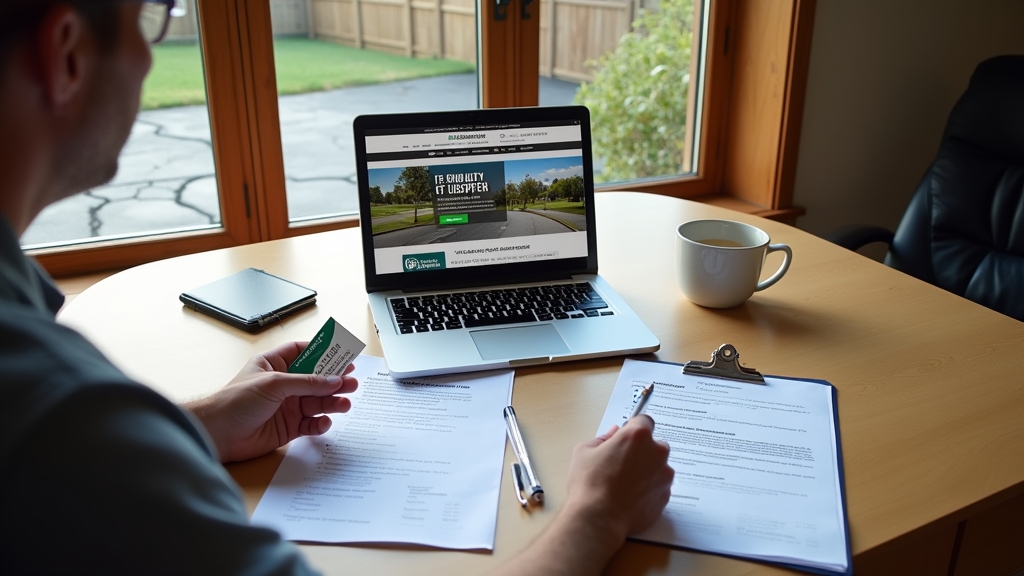
Before hiring someone to pave your driveway or parking lot, check these things:
- Do they have a license for your state? Ask for their license number and check it with your state’s contractor board. Different states have different rules, so make sure your contractor follows the rules in your state.
- Do they have insurance? This should include at least $1 million in liability insurance. This protects you if something goes wrong. Also check if they have workers’ compensation insurance for their employees.
- Do they have their own equipment or do they rent it? Contractors who own their equipment usually know how to use it better.
- Are they members of paving groups like the National Asphalt Pavement Association? Being part of these groups shows they care about doing good work.
- How long have they been in business? Contractors who have been working for many years usually know what they’re doing.
- Can they give you names of people they’ve worked for before? You can call these people and ask if they were happy with the work.
- Do they understand how water flows on your property? Good contractors know that water needs to flow away from buildings to prevent damage.
Always check a contractor’s license with your state before starting any asphalt project.
Good contractors will be happy to answer all your questions. If a contractor seems annoyed by your questions or won’t give you straight answers, that’s a warning sign. Look for someone else who will treat you with respect.
Why You Need a Clear Plan
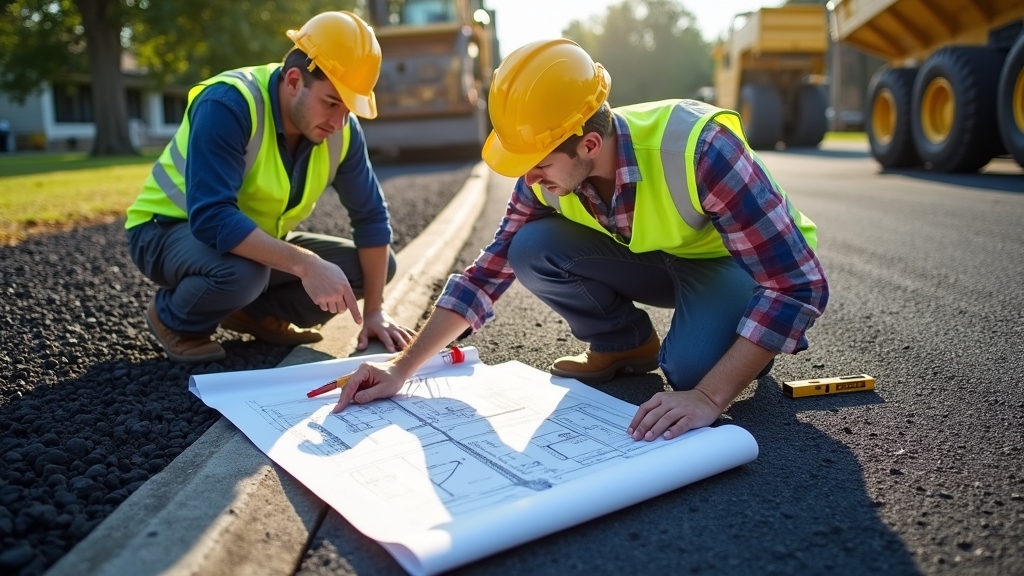
A good asphalt job needs a clear plan that says:
- What materials will be used – the mix of rock, sand, and binder (the sticky part)
- How thick the asphalt will be – usually 2-3 inches for driveways and 3-4 inches for parking lots
- How smooth the final surface should be – so water runs off properly
- How the edges will be finished – to make them strong and neat
- How the ground will be prepared – sometimes old asphalt needs to be removed
- How drainage will be handled – so water doesn’t pool on the surface
- When the work will start and finish – weather can affect this
- What happens if there are delays or problems – who is responsible
If you don’t have these details in writing, it’s hard to know if the job was done right. A good plan also helps prevent arguments later about what was supposed to be done.
For example, if your plan says the asphalt should be 3 inches thick, you can check to make sure it really is that thick. Without a plan, a contractor might make the asphalt too thin to save money, and it won’t last as long.
| What Should Be in Your Contract | Why It’s Important |
| Exact thickness of asphalt | Makes sure you get what you pay for |
| Type of asphalt mix | Different mixes work better for different uses |
| Drainage details | Prevents water damage |
| Start and finish dates | Lets you plan around the work |
| Total price and payment terms | Prevents surprise costs |
| Change order process | Explains what happens if plans change |
| Warranty information | Protects you if problems happen |
| Clean-up details | Ensures your property will look good when done |
Understanding Your Warranty
A good warranty should cover both:
- Big problems like the asphalt breaking apart or sinking (5-7 years) – these are called “structural” problems
- Small problems like little cracks or color changes (1-2 years) – these are called “cosmetic” problems
Make sure the warranty says exactly what is covered and for how long. Some contractors might say they have a “5-year warranty,” but when you read the details, it only covers very specific problems or the coverage gets smaller each year.
| Warranty Type | What’s Covered | Typical Length |
| Structural | Base failure, deep cracks, sinking | 5-7 years |
| Cosmetic | Surface cracks, color fading, small holes | 1-2 years |
| Materials | Problems with asphalt mix | 1-5 years |
| Workmanship | Problems caused by poor installation | 1-3 years |
Ask these questions about the warranty:
- What exactly is covered? Get a list of specific problems that are included.
- Who decides if something is covered? Is it you, the contractor, or someone else?
- Do you have to do special maintenance to keep the warranty valid? Some warranties require you to seal your asphalt every 2-3 years.
- What happens if you find a problem? Will they fix it for free, or will you have to pay part of the cost?
- Is the warranty transferable? This means if you sell your house, the new owner would still have the warranty.
A good warranty shows that the contractor believes in their work. If they only offer a short warranty or one that covers very little, they might not be confident in the quality of their work.
Why the Cheapest Bid Might Cost More Later
Picking the cheapest contractor often means paying more money later. Cheap bids usually mean:
- Lower quality materials that wear out faster – they might use recycled asphalt that isn’t as strong
- Rushed work that causes cracks and holes sooner – they might not take time to compact the asphalt properly
- Poor drainage that leads to water damage – water sitting on asphalt can cause it to break down
- Thinner asphalt that doesn’t hold up to heavy vehicles – saving an inch of thickness saves money but makes the pavement much weaker
- Skipping important steps like properly preparing the ground underneath – this is like building a house on a bad foundation
- Using old or poorly maintained equipment that doesn’t do the job right – like trying to cut wood with a dull saw
Cutting corners on paving jobs means expensive fixes later on.
| Cost Comparison Over 15 Years | Cheap Contractor | Quality Contractor |
| Initial cost | $5,000 | $6,000 |
| Lifespan before replacement | 7 years | 15+ years |
| Replacement cost | $5,000 (adjusted for inflation) | $0 |
| Repair costs | $1,500 | $500 |
| Total 15-year cost | $11,500 | $6,500 |
Good contractors might charge 15-20% more, but the work will last much longer. Think of it this way: if you pay 20% more for a job that lasts twice as long, you’re actually saving money!
Here’s an example: Let’s say you get two bids for your driveway – $5,000 from a cheap contractor and $6,000 from a good one. The cheap job might last 7 years before needing to be replaced, while the good job might last 15 years. Over 15 years, the cheap option would cost you $10,000 (doing it twice), while the good option would only cost $6,000.
How to Spot a Good Contractor
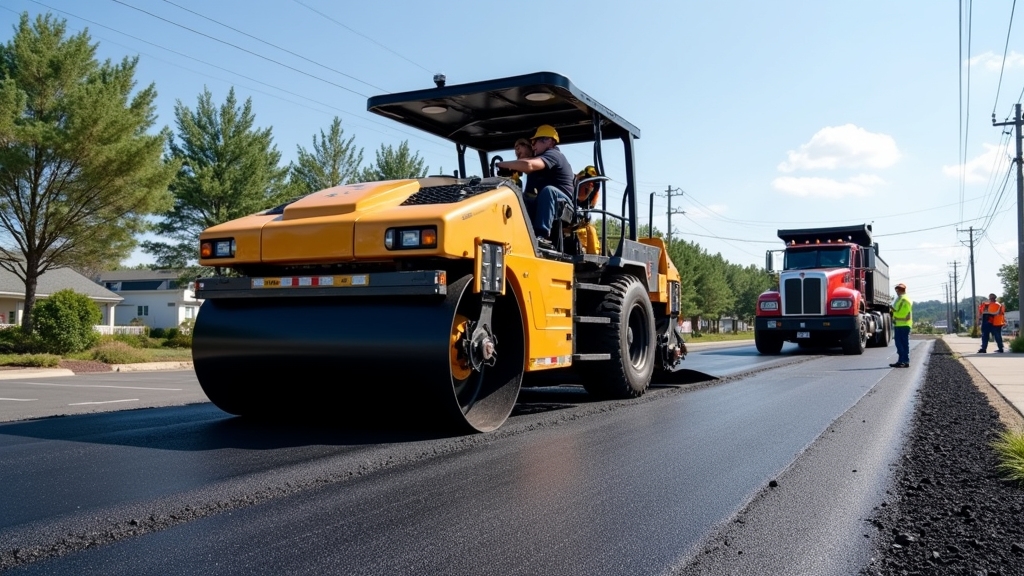
Good contractors have:
- Modern paving machines with special controls to make the surface smooth and even
- Rollers that pack the asphalt properly so it’s strong and doesn’t get holes
- High-quality asphalt mix that meets industry standards
- Trucks that keep the asphalt hot on the way to your house – cold asphalt doesn’t work well
- Tools for measuring how thick the asphalt is and how well it’s packed down
- Equipment for preparing the ground properly before laying asphalt
- Safety gear for their workers to prevent accidents
- Clean, well-maintained trucks and equipment – this shows they take care of their tools
Don’t be afraid to ask about their equipment and where they get their materials. Good contractors are proud of their tools and the materials they use. They should be able to explain why they use certain materials and how their equipment helps them do a better job.
You can also ask to see pictures of their equipment or even visit a job site where they’re working to see for yourself. This gives you a chance to see how they work and if they keep the work area clean and organized.
Project Timeline and Management
Good paving needs the right weather and careful planning. A good contractor will:
- Tell you exactly when they’ll start and finish the job
- Check the weather forecast and plan around rain or very hot days
- Make sure the ground is ready before they start – sometimes it needs to be dug up or leveled
- Have a plan for if the weather turns bad – like covering fresh asphalt to protect it from rain
- Tell you when you can drive on the new asphalt – usually after 3 days for cars
- Explain what happens at each step of the job so you know what to expect
- Have enough workers to do the job quickly and correctly
- Keep you updated if there are any changes to the schedule
| Typical Asphalt Project Timeline | What Happens |
| Day 1 | Remove old pavement or prepare ground |
| Day 2 | Fix drainage issues and prepare base |
| Day 3 | Apply first layer of asphalt |
| Day 4 | Apply final layer of asphalt |
| Day 5-7 | Asphalt cures (gets harder) |
| Day 8 | Final inspection and cleanup |
| Day 30 | Asphalt fully hardened |
Ask contractors how often they finish jobs on time. Good ones will be honest about their schedule and what might cause delays. They should also be able to tell you what they do when something unexpected happens, like finding bad soil under your old driveway that needs to be fixed before the new asphalt goes down.
Remember that weather can affect paving jobs a lot. Asphalt needs to be put down in dry weather when it’s not too cold (above 50°F). If the weather is bad, a good contractor will reschedule rather than do a poor job just to finish on time.
Common Questions
How Soon Can I Drive on New Asphalt?
You should wait 3 days before driving on new asphalt. Light cars can go on it after 1 day, but don’t park on it or make sharp turns for 30 days. New asphalt is like a freshly baked cookie – it’s still soft and can get dents or marks if you’re not careful. On hot summer days, the asphalt might stay soft longer, so be extra careful. Heavy trucks should stay off new asphalt for at least a week, and you should avoid parking in the same spot for long periods during the first month.
How Do I Take Care of New Asphalt?
Clean it twice a year, fill cracks when they appear, and seal it every 3-5 years. Clean up oil spills right away because oil can damage asphalt. In the winter, be careful with snow removal – metal shovels can scratch new asphalt, and some ice melting chemicals can damage it. It’s best to use plastic shovels and sand instead of salt for the first year. Also, try to keep heavy trucks off your asphalt when possible, and don’t let water pool on the surface – it should always drain away.
| Maintenance Schedule | What To Do |
| Every 6 months | Clean surface with water |
| Every 1-2 years | Fill any cracks that appear |
| Every 3-5 years | Apply sealcoat protection |
| Immediately | Clean up oil or gas spills |
| After installation | Wait 6-12 months before first sealing |
| Winter care | Use plastic shovels and sand instead of salt |
How Does Weather Affect Paving?
It needs to be above 50°F to pave. Rain and very hot weather can cause problems. When it’s too cold, the asphalt cools too quickly and doesn’t compact properly. When it’s too hot (over 90°F), the asphalt might stay too soft for too long. Rain is a big problem because water and asphalt don’t mix well – rain can wash away the binder that holds the asphalt together. That’s why good contractors check the weather forecast carefully before scheduling your job.
Can You Pave Over My Old Driveway?
Sometimes, if the old driveway is still in good shape. We’ll check it first to see. This is called an “overlay” and can save money if the base is still strong. But if your old driveway has lots of cracks, holes, or uneven areas, it’s usually better to remove it and start fresh. Think of it like painting a wall – if the old paint is peeling badly, you need to remove it before putting on new paint. We’ll look for signs of drainage problems too, because those need to be fixed before putting down new asphalt.
How Long Will My New Asphalt Last?
A good asphalt job should last 15-20 years if it’s done right and you take care of it. Regular maintenance like sealing cracks and keeping the surface clean will help it last longer. The climate where you live affects how long asphalt lasts too – places with freezing winters and hot summers are harder on asphalt than places with mild weather. Heavy traffic wears asphalt faster, so a driveway that’s just used for a couple of cars will last longer than one used by heavy trucks. Signs that your asphalt is getting old include lots of small cracks, faded color from black to gray, and rough texture instead of smooth.
| Asphalt Problems | What They Look Like | Possible Causes |
| Alligator cracks | Cracks that look like animal skin | Poor base, heavy traffic |
| Potholes | Deep holes in the surface | Water damage, freeze/thaw cycles |
| Raveling | Surface becoming rough and loose | Poor compaction, old age |
| Rutting | Long dents where tires drive | Weak base, heavy vehicles |
| Edge cracks | Cracks along the edges | Poor edge support, water damage |
| Oil spots | Dark, shiny spots | Vehicle leaks |
Final Thoughts
Picking the right paving contractor is about more than just price – it’s about getting work that lasts. Always check that your contractor has a license and insurance. Make sure your contract clearly says what materials they’ll use and how thick the asphalt will be. Ask about warranties that cover both big and small problems.
Remember that good asphalt work requires skill and experience. It’s not just about pouring black material on the ground – it’s about preparing the base properly, using the right mix of materials, applying them at the right temperature, and compacting everything correctly. Each step is important for making sure your driveway or parking lot lasts a long time.
Think of your asphalt project as an investment in your property. A well-done job not only looks better but can increase your property value and save you money on repairs in the long run. It’s worth taking the time to find a contractor who will do the job right the first time.
Working with a proven team like Parkway Paving LLC gives you peace of mind that your job will be done right. From driveway paving to commercial asphalt projects, we use top-quality materials and give clear warranties. We’ve been in business for many years and have the experience, equipment, and skilled workers needed to handle any asphalt project, big or small.
Ready to start your project? Contact Parkway Paving LLC today or call (862) 596-0642 for a free quote. We’ll explain the whole process, answer all your questions, and help you get a driveway or parking lot that looks great and lasts for years to come.