
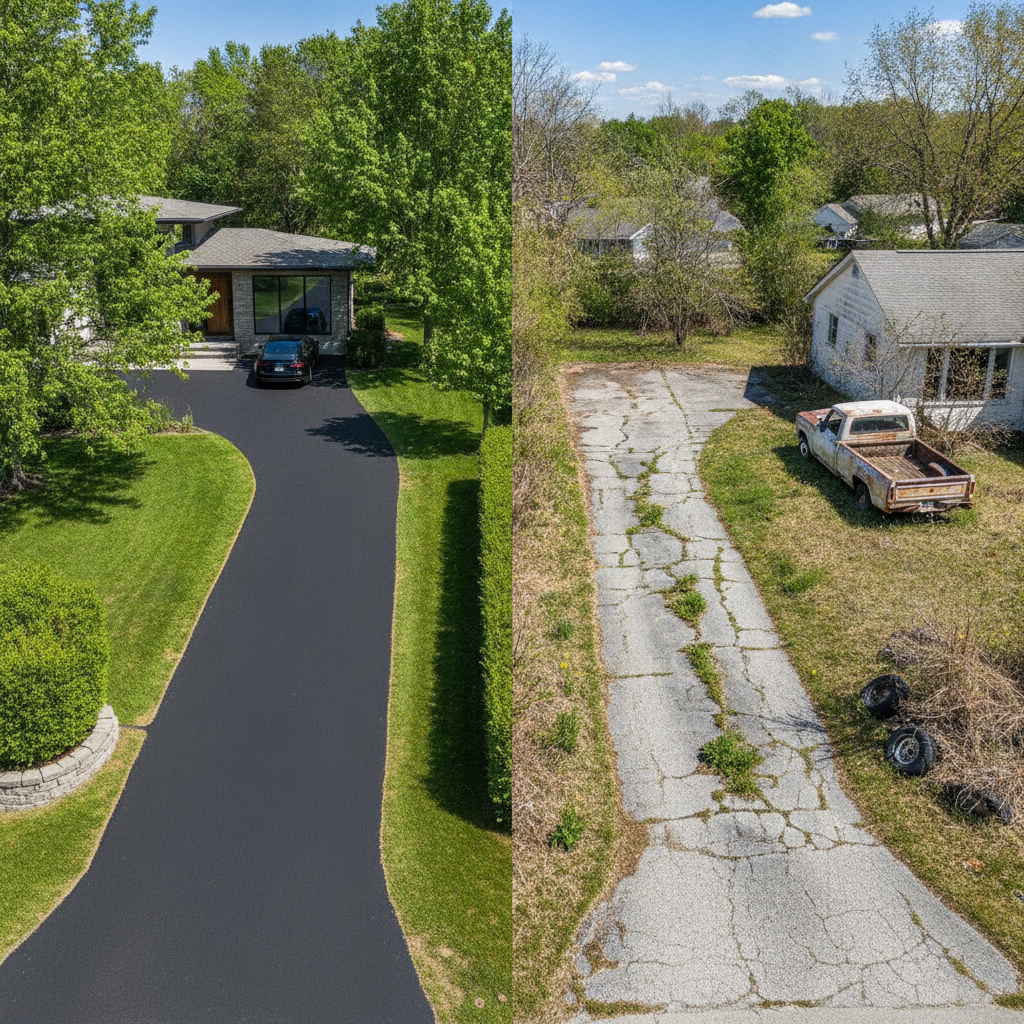
A driveway is one of the hardest working surfaces on any property, and yet it is also one of the most neglected. Most homeowners only think about it when a crack becomes a trip hazard or a pothole starts swallowing tire pressure. By then, the damage has usually been building for years. The truth is that a well-built asphalt surface can serve a household for decades, but it rarely gets the chance, because small habits and oversights quietly chip away at its lifespan. If you are weighing residential asphalt paving in Lodi NJ, or trying to get more years out of a surface you already own, knowing what to avoid is just as valuable as knowing what to do.
This guide walks through ten of the most common mistakes that shorten the life of an asphalt driveway. Some are about what happens during installation. Others are about everyday behavior, like where you park, how you shovel snow, or what you pour down the edge of the pavement. A few are about timing and the temptation to wait just one more season. None of these require specialized knowledge to fix, but all of them cost real money when ignored. Whether you own a small home, manage a rental, or are a small business owner with a modest paved entrance, the principles are the same. Pavement is a system, and it fails when any single part of that system is neglected. Let us look at where things most often go wrong, so you can protect your investment and avoid expensive surprises down the road.
Mistake 1: Skipping Proper Base Preparation
The asphalt you see is only the top layer of a larger structure. Beneath it sits a compacted stone base that carries the load and moves water away from the surface. When that base is too thin, poorly compacted, or built over soft soil, the pavement above it will fail no matter how good the asphalt mix is. Sinking spots, alligator cracking, and uneven dips almost always trace back to a weak foundation rather than a bad top coat.
Homeowners sometimes accept a low bid without asking what is happening below the surface. A crew that skips excavation, ignores organic material, or rushes compaction can finish a job quickly and cheaply, but you will pay for it within a few seasons. Before signing anything, ask how deep the base will be, what material is used, and how it will be compacted. A quality contractor will answer plainly. When you are ready to compare options for new work or driveway asphalt repair and sealcoating, the base conversation should always come first.
Mistake 2: Ignoring Drainage Around the Driveway
Water is the single biggest enemy of asphalt. It seeps into small openings, softens the base, and then expands when it freezes, pushing the surface apart from underneath. A driveway that sheds water properly will last far longer than one where puddles sit for hours after a storm. Yet many homeowners never look at where rain actually goes once it hits the pavement.
Check whether your driveway has a gentle slope that directs water away from the garage and the foundation. Look for low spots where water collects, and notice whether downspouts or sump pump discharge pipes empty onto the edge of the pavement. Even a small amount of repeated saturation weakens the area. Simple fixes like extending a downspout, clearing debris from a nearby drain, or regrading a shallow patch of soil can dramatically reduce long-term damage. Good drainage costs very little compared with replacing a failed section, and it protects the base you already paid to install.
Mistake 3: Leaving Small Cracks Unsealed
A hairline crack looks harmless, which is exactly why it gets ignored. But every opening in the surface is an invitation for water, road salt, and plant roots. Over a single winter, a narrow crack can widen, branch out, and trap moisture that freezes and thaws repeatedly. What could have been a quick, inexpensive fix becomes a patch, and eventually a section that needs to be torn out.
Make a habit of walking your driveway each spring and fall. Note any cracks wider than a credit card edge, and fill them before the weather turns. Consistent asphalt driveway maintenance does not require a big budget or special tools for minor issues, only attention and timing. The goal is to keep water out of the structure. Sealing early, while the edges are still clean and the crack is shallow, produces the best bond and the longest-lasting repair. Waiting until cracks are crumbling at the edges makes every future repair harder and less durable.
Mistake 4: Putting Off Professional Repairs
There is a natural tendency to wait and see whether a problem gets worse. With asphalt, it nearly always does. Potholes grow, depressions deepen, and edges crumble faster once the structure has been compromised. Delaying a repair by even one winter can double the affected area, because freezing water works through weak spots with surprising force.
Knowing when to bring in help matters. Small surface issues can be handled with careful DIY filler, but sunken areas, widespread cracking, and failing edges call for experienced hands. Working with a trusted Asphalt Repair Company in Lodi, NJ gives you a proper diagnosis, so you fix the cause rather than just covering the symptom. Patching over a base failure with fresh asphalt is a common and costly mistake, because the new material fails right along with the old foundation. A short consultation can save you from paying for the same repair twice.
Mistake 5: Overloading the Surface With Heavy Vehicles
Residential driveways are designed for passenger cars, light trucks, and the occasional delivery. They are not built for loaded dump trucks, concrete mixers, moving trucks, or heavy equipment parked for long periods. A single oversized vehicle turning sharply on a warm day can leave ruts, scrapes, and shoved edges that never fully recover.
The same logic applies to small business owners with a paved entrance or side lot. Frequent heavy traffic wears pavement much faster than occasional use, and the stress concentrates where vehicles turn or stop. If you are curious how repeated loads affect surfaces over time, read What Lodi, NJ Property Managers Should Know About High-Traffic Asphalt Wear for a useful look at the pattern. For homeowners, the practical takeaway is simple: schedule large deliveries to park on the street, and warn contractors before they arrive with heavy machinery.
Mistake 6: Parking in the Same Spot Every Day
Asphalt is a flexible material, and that flexibility is part of what makes it durable. But it also means that concentrated weight can leave marks, especially in summer heat when the surface softens. A kickstand, a trailer tongue, a motorcycle, or even the same tire placement day after day can create permanent depressions.
The fix is almost laughably simple. Vary where you park, and use a wide plywood board under kickstands and jack stands. If you have a boat, camper, or utility trailer, support the tongue on a flat piece of lumber so the load spreads out. Rotate vehicles when more than one is parked on the driveway. These small habits cost nothing, and they prevent the kind of localized damage that is surprisingly hard to correct. Pay special attention during the hottest weeks of the year, when pavement is at its softest and most vulnerable to marking.
Mistake 7: Using the Wrong Snow and Ice Removal Methods
Winter is hard on pavement, but the way you respond to it can make things better or worse. Metal shovels and aggressive plow blades can gouge the surface and tear up edges, especially on older asphalt. Heavy use of harsh de-icing chemicals can also contribute to surface breakdown and wash into nearby soil and plants.
A plastic shovel with a rubber edge is gentler and still effective. If you hire a plowing service, make sure they raise the blade slightly so it skims rather than scrapes. Use de-icers sparingly, and consider sand for traction instead of relying on chemicals for every storm. Clear snow promptly so it does not compact into ice that has to be chipped away. Avoid chopping at ice with a pick or hard tool, which can crack the surface. A little patience and the right tool protect the driveway through the coldest months, and they keep repair bills down come spring.
Mistake 8: Neglecting the Edges and Surroundings
The outer few inches of a driveway have no pavement beyond them to hold things in place, which makes them the weakest part of the structure. Cars drifting over the edge, growing grass, and eroding soil all contribute to crumbling shoulders. Once an edge breaks away, water gets in more easily, and the damage creeps inward.
Support the edges by keeping soil or gravel packed firmly against the pavement, and trim grass and weeds that push into cracks. Avoid driving on the very edge, especially when the ground is wet and soft. Tree roots are another quiet threat, because they can lift and fracture pavement from below. If a large tree sits close to the driveway, consider having roots managed professionally before they cause real damage. A few minutes of edge care each season keeps the perimeter intact and the entire surface stronger.
Mistake 9: Letting Oil, Gas, and Chemicals Sit
Asphalt is a petroleum-based product, which means petroleum-based fluids can soften and dissolve it. A slow oil leak, a spilled can of gasoline, or leftover solvent can leave a soft, discolored patch that breaks down under traffic. The longer the spill sits, the deeper it penetrates.
Clean spills as soon as you notice them. Blot fresh liquid with absorbent material like cat litter or sawdust, then scrub with a mild degreaser and rinse thoroughly. Avoid harsh solvents that can do more harm than the original spill. If a vehicle is leaking, place a drip pan underneath until it is repaired. Battery acid, paint, and cleaning products can also stain and weaken the surface. Treat the driveway like the working surface it is, and keep an eye on the spot where your vehicles usually sit, since that is where leaks tend to show up first.
Mistake 10: Skipping Sealcoating Altogether
Sealcoating is a protective layer that shields asphalt from sunlight, water, and chemicals. Without it, the surface oxidizes, turns gray, and becomes brittle. Over time, the binder that holds the stones together dries out, and the pavement begins to ravel and crack more readily.
Timing matters just as much as having it done. Applying sealer too soon after new paving can trap oils that need to cure, while waiting too long allows the damage to take hold. Most surfaces benefit from a first application after a curing period, then periodic reapplication as the coating wears. Sealcoating also improves appearance, giving the driveway a clean, uniform look that boosts curb appeal. The table below summarizes how common mistakes compare in cost and avoidability.
| Common Mistake | Typical Result | How Easy to Avoid |
|---|---|---|
| Weak base preparation | Sinking and widespread cracking | Requires choosing the right contractor |
| Poor drainage | Water damage and freeze-thaw breakup | Easy with simple grading fixes |
| Unsealed cracks | Widening cracks and potholes | Easy with regular inspection |
| Heavy vehicle loads | Ruts and crushed edges | Easy with planning |
| Skipped sealcoating | Oxidation and raveling | Easy with a maintenance schedule |
Building a Simple Care Routine That Works
Avoiding these mistakes is easier when you turn good intentions into a routine. Think of driveway care as a short seasonal checklist rather than a project. In spring, walk the surface, note new cracks, check drainage, and clear debris from the edges. In summer, watch for soft spots and avoid concentrating weight in one place. In fall, fill cracks before freezing weather, clean leaves, and make sure downspouts are directed away from the pavement. In winter, use gentle tools and measured amounts of de-icer.
Keeping a simple note of what you see each season helps you catch patterns early. Take a few photos of any problem area so you can compare it over time. If something changes quickly, that is a signal to call a professional rather than wait. This low-effort habit turns surprise repairs into planned maintenance, and it keeps small issues from becoming large ones. Consistency, not complexity, is what extends the life of a driveway.
Final Thoughts
An asphalt driveway rarely fails because of a single dramatic event. More often, it declines slowly through a series of small oversights: a skipped crack seal, a puddle that never drains, a heavy truck parked in the wrong spot, a repair that waited one winter too long. The encouraging part is that nearly every one of these mistakes is preventable, and most of the prevention costs far less than the damage it avoids.
If you are planning a new installation, start with the fundamentals: a strong base, good drainage, and a contractor who explains their process clearly. If you already have a driveway, build a seasonal routine, address cracks early, protect the edges, and keep harmful fluids off the surface. Treat sealcoating as part of ownership rather than an optional extra, and be careful with the tools and chemicals you use in winter.
For homeowners, landlords, and small business owners alike, a well-kept driveway does more than carry vehicles. It protects property value, improves safety, and makes a strong first impression. Put these lessons into practice, stay observant, and bring in professional help when the signs call for it. A little attention today keeps your pavement strong for many seasons to come.