
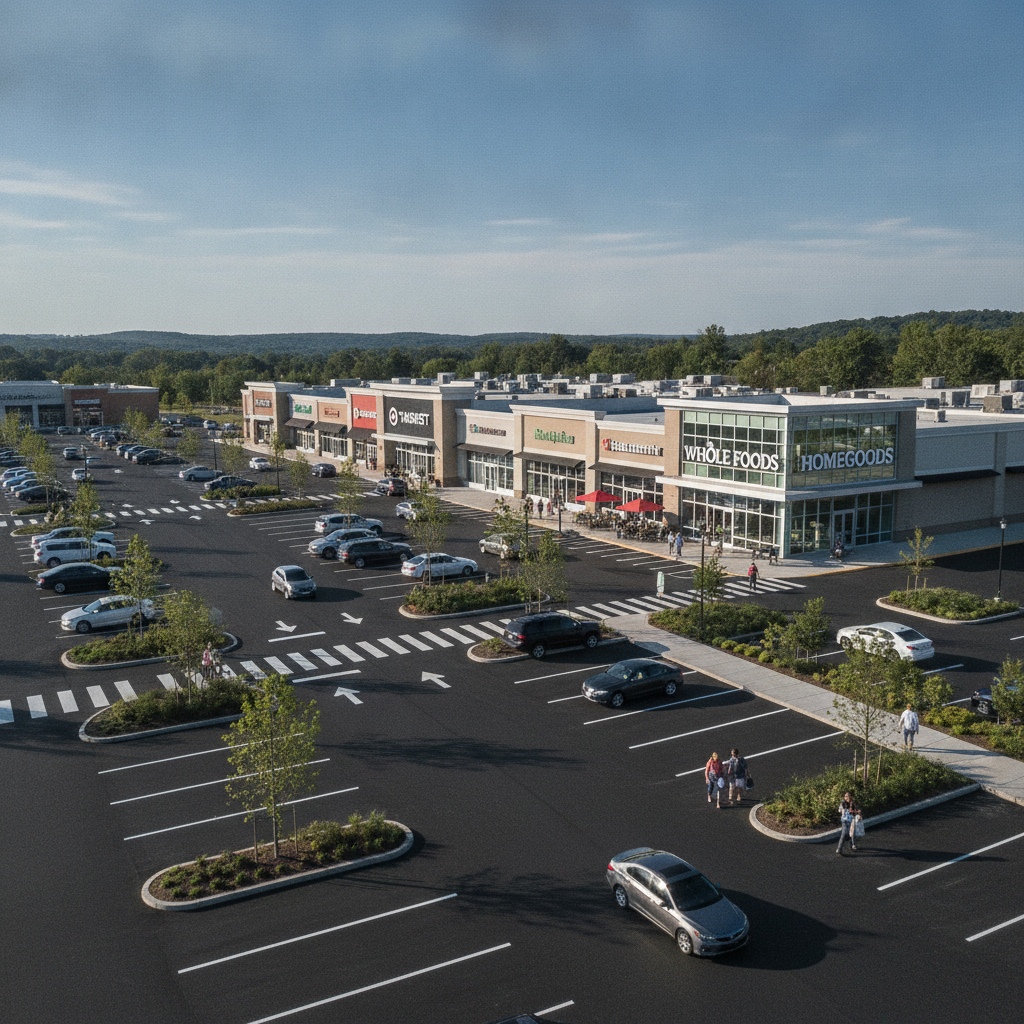
Think about the last time you pulled into a shopping plaza. Before you noticed a single storefront, your tires told you something about the place. Smooth pavement with crisp white stall lines feels organized and cared for. Potholes, faded markings, and puddles that never drain feel like a warning. For tenants, shoppers, and landlords alike, the parking surface is the first handshake of the entire property, and it happens before anyone walks through a door.
That is why commercial asphalt paving in Lodi NJ deserves more thought than it usually gets. Retail centers face a unique mix of pressures: delivery trucks rolling in at dawn, thousands of car trips on a busy Saturday, dumpster pads that concentrate weight, and a climate that swings from humid summers to freezing, salt-covered winters. Each of these puts stress on the pavement in a different way.
This guide is written for small business owners, developers, and property managers who want to understand how paving decisions affect customer traffic, liability, and long-term cost. We will walk through how retail lots differ from other paved spaces, what a sound project looks like from start to finish, how to schedule work around trading hours, and how to compare bids with confidence. You do not need an engineering background to follow along. You just need a clear picture of what good paving involves, so you can ask smart questions and protect your investment.
Why Retail Pavement Is Its Own Category
A shopping plaza lot is not just a bigger version of a driveway. It carries a constantly changing mix of loads and behaviors. Passenger cars make up most of the traffic, but grocery delivery trucks, waste haulers, and snow removal equipment all add concentrated weight in specific zones. Drive lanes near entrances see far more wear than back stalls, and turning movements twist and scuff the surface in ways straight travel never does.
Because of this, a one-size-fits-all pavement design rarely works. The best projects treat the lot as a set of zones, each with its own needs. Entrances and main aisles often call for a thicker, stronger section, while low-use perimeter stalls can be lighter. Understanding this early helps owners avoid both overspending on areas that do not need it and underbuilding the areas that take the real punishment.
If you are weighing options, it helps to see how parking lot and driveway paving for retail plazas compares with simpler surfaces, since the planning and load assumptions are quite different.
First Impressions and Foot Traffic
Shoppers decide quickly whether a center feels worth their time. A clean, well-striped lot signals that the landlord invests in the property, and by extension that the tenants are stable businesses. Customers rarely say, “I skipped that store because of the pavement,” but they do choose the plaza that feels easier and safer to navigate.
Practical details matter here. Clear stall lines reduce door dings and fender benders. Bright directional arrows keep traffic flowing in one direction instead of creating standoffs. Smooth transitions at curb cuts and entrances prevent scraped bumpers and rattled cargo. When a lot works well, people park faster, walk in sooner, and leave with a better memory of the visit.
For small business owners who lease space, the condition of the shared lot is something worth raising with the landlord. For developers, it is one of the most visible line items in a property’s overall appeal. Reputable commercial asphalt paving services in Lodi can evaluate how your layout, striping, and surface condition are shaping that first impression and recommend upgrades that fit the budget.
Reading the Warning Signs Early
Pavement rarely fails overnight. It sends signals for months or years first, and owners who learn to read them can act while repairs are still affordable. The most common early signs include hairline cracks, fading color, rough texture where fine material has worn away, and small depressions where water lingers after rain.
Alligator cracking, a web of interconnected fractures, usually points to a problem beneath the surface rather than a surface blemish. Potholes form when water seeps into cracks, freezes, expands, and then leaves a void that traffic breaks apart. Edge crumbling near curbs and landscaping often signals weak support or poor drainage at the perimeter.
A simple habit helps: walk the property once a quarter with a notepad and phone camera. Photograph problem areas, note the date, and compare over time. That record makes conversations with contractors far more productive, and it can help you decide whether you need patching or a bigger fix. A trusted Asphalt Repair Company in Lodi, NJ can assess whether localized repairs will hold or whether the damage runs deeper.
Water: The Quiet Enemy of Every Lot
If you want to know why pavement fails, follow the water. Large flat lots collect enormous volumes of rainfall and snowmelt, and where that water goes determines how long the surface lasts. Standing water softens the base, accelerates cracking, and creates slip and ice hazards that put customers at risk.
Good drainage design starts with proper slope so water moves toward inlets rather than pooling in stalls. It continues with clear catch basins, intact curbing, and gutters that are not buried in debris. Even a perfectly paved surface can fail early if downspouts discharge onto it or if a clogged drain sends runoff across the lot.
Property managers should check drainage after heavy storms, when problems are easiest to spot. Look for puddles that persist more than a day, stained or eroded edges, and sediment washed into drive aisles. To understand the damage that unmanaged runoff can cause, it is worth reading about The Impact of Poor Stormwater Runoff on Asphalt Surfaces in Lodi, NJ, which explains how moisture quietly shortens pavement life.
What Lies Beneath Determines What Lasts
The asphalt you see is only the top layer of a system. Underneath sits an aggregate base, and beneath that, native soil. If the base is thin, poorly compacted, or contaminated with soft material, even premium asphalt on top will crack and rut. This is why two lots paved in the same year can look completely different five years later.
Proper preparation includes removing failed material, correcting soft spots, grading to the right slope, and compacting the base in controlled layers. These steps are invisible once the project is finished, which is exactly why some bidders cut corners on them. A low price often reflects a thinner base or skipped compaction, and the cost shows up later as early failures.
The principle applies at every scale, from a single driveway to a multi-acre center. For a deeper look at the reasoning, see Why Base Preparation Matters for Asphalt Driveways in Lodi, NJ, then apply the same logic to your own larger project when you review bids.
Choosing Between Repair, Overlay, and Full Replacement
Not every worn lot needs to be torn out. Retail owners generally choose among three paths, and the right one depends on how deep the problems go. Matching the fix to the real condition is the single biggest way to control cost without sacrificing performance.
| Approach | Best For | Typical Trade-Off |
|---|---|---|
| Crack sealing and patching | Lots with isolated damage and a sound base | Lowest cost, but only delays larger work if problems are widespread |
| Mill and overlay | Surfaces worn on top with a healthy base | Fresh surface without full reconstruction, limited by underlying condition |
| Full-depth replacement | Failed base, deep alligator cracking, drainage correction | Highest upfront cost, longest-lasting result |
Many centers use a blend, replacing the worst zones such as entrances and delivery lanes while overlaying or repairing the rest. A contractor who walks the whole property before quoting will usually propose this kind of targeted plan.
Scheduling Work Around Business Hours
Tenants worry about one thing more than the cost of paving: lost sales while the lot is torn up. The good news is that careful scheduling can keep most stores open. Phasing is the key concept. Instead of closing the entire lot, crews pave one section at a time while customers use the remaining stalls and a clearly marked temporary route.
Night and early-morning work is another option, particularly for grocery anchors and restaurants that depend on steady flow. Weekend closures may suit offices better than shops. The right choice depends on your tenant mix, so ask each business about its slowest hours before drafting the schedule.
Communication matters as much as logistics. Give tenants written notice well ahead of time, post signs at entrances, and designate a single contact person for questions. When everyone knows what to expect and when, the disruption feels manageable rather than chaotic. Asphalt also needs time to cool and cure, so build in a realistic buffer before reopening traffic on fresh sections.
Striping, Signage, and Accessibility Details
A paving project is the ideal moment to refresh everything that goes on top of the asphalt. Fresh striping makes a new surface look finished and restores the traffic patterns your lot relies on. It is also the time to reconsider layout, since reorganizing stalls, adding a pickup lane, or widening a tight turn is easiest when the surface is already being rebuilt.
Accessibility deserves careful attention. Accessible stalls, access aisles, ramps, and routes to entrances must meet applicable standards, and these requirements can affect where crews place slopes and transitions. Rather than guessing, confirm the requirements that apply to your property with your contractor and local officials before work begins.
Do not overlook wheel stops, bollards, fire lanes, and loading zone markings. These small items prevent damage to storefronts and keep emergency access clear. Including them in the original scope avoids change orders later and ensures the finished lot looks cohesive rather than patched together over several visits.
Comparing Bids Without Getting Lost
Three bids for the same lot can arrive with three very different prices, and the lowest is not always the best deal. The trick is to compare scopes, not totals. Ask each contractor to spell out the thickness of new asphalt, the depth and type of base, how they will handle drainage, and what is included for striping and cleanup.
A thorough proposal will describe the sequence of work, the equipment used, the expected timeline, and the warranty terms. Vague line items like “pave lot” make it impossible to tell whether you are getting a thin cap over a failing base or a proper rebuild. Request references from similar retail or commercial projects and, if possible, visit a lot they paved a few years ago.
Also confirm that the contractor carries appropriate insurance and will coordinate with your property manager on traffic control. Reliable firms welcome these questions because clear expectations protect both sides. If a bidder resists detail, treat that as useful information about how the project might go.
Protecting Your Lot After the Crew Leaves
New pavement is a major investment, and a little follow-through goes a long way. Fresh asphalt is softer in its first weeks, especially in warm weather, so keep heavy turning and parked delivery trucks off new sections until the contractor says it is ready. Avoid pressure washing too aggressively and watch for oil and fuel drips, which can soften the binder over time.
Build a simple maintenance rhythm. Sweep regularly so debris does not clog drains. Seal small cracks promptly before water gets in. Reapply striping as it fades. Schedule periodic sealcoating according to your contractor’s recommendation to slow oxidation and protect against moisture and chemicals.
Winter requires its own care. Use deicing products sensibly, since heavy chemical use can be tough on surfaces and nearby landscaping, and instruct snow crews to set plow blades correctly so they do not gouge edges or catch raised manholes. A few smart habits can add years of useful life and keep the lot looking sharp for tenants and shoppers.
Planning a Paving Budget Across the Years
The smartest owners treat pavement as an asset with a lifecycle rather than a surprise expense. Instead of waiting for visible failure, they plan small, regular spending on sealing, patching, and striping, then set aside funds for a major rehabilitation on a realistic timeline. This approach smooths out cash flow and avoids emergency repairs at the worst possible moment.
For multi-tenant properties, consider how costs are allocated through common area maintenance charges, and be transparent with tenants about planned work. Prices for materials and labor vary widely from season to season, so get fresh quotes rather than relying on old numbers, and ask contractors how timing might affect your cost.
Finally, think about value beyond the invoice. A well-built lot lowers liability from trip hazards, reduces tenant complaints, and supports higher occupancy and rents over time. When you weigh the long view, the cheapest option today is rarely the least expensive one over the life of the property.
The Bottom Line
A shopping plaza lives and dies by how easy it is to visit, and the pavement under customers’ tires is a big part of that story. Retail lots face heavy, varied traffic, constant exposure to water and temperature swings, and the added pressure of keeping businesses open during construction. Meeting those demands takes more than a fresh black surface. It takes a base built to carry the load, drainage that actually drains, and a layout that guides people safely from car to storefront.
The practical path is straightforward. Inspect your property regularly and document what you see. Match the fix to the true condition, whether that is crack sealing, an overlay, or full replacement. Plan phased work around your tenants’ busiest hours, and compare bids by scope rather than price alone. After the crew leaves, protect your investment with sweeping, sealing, thoughtful snow management, and periodic striping.
If you manage or own a center in the area and are not sure where your lot stands, the best first step is an honest evaluation from an experienced local contractor. Ask questions, request detail, and expect clear answers. Pavement is one of the largest and most visible assets on any retail property, and with the right planning it can serve tenants and shoppers well for many years while protecting your bottom line.