
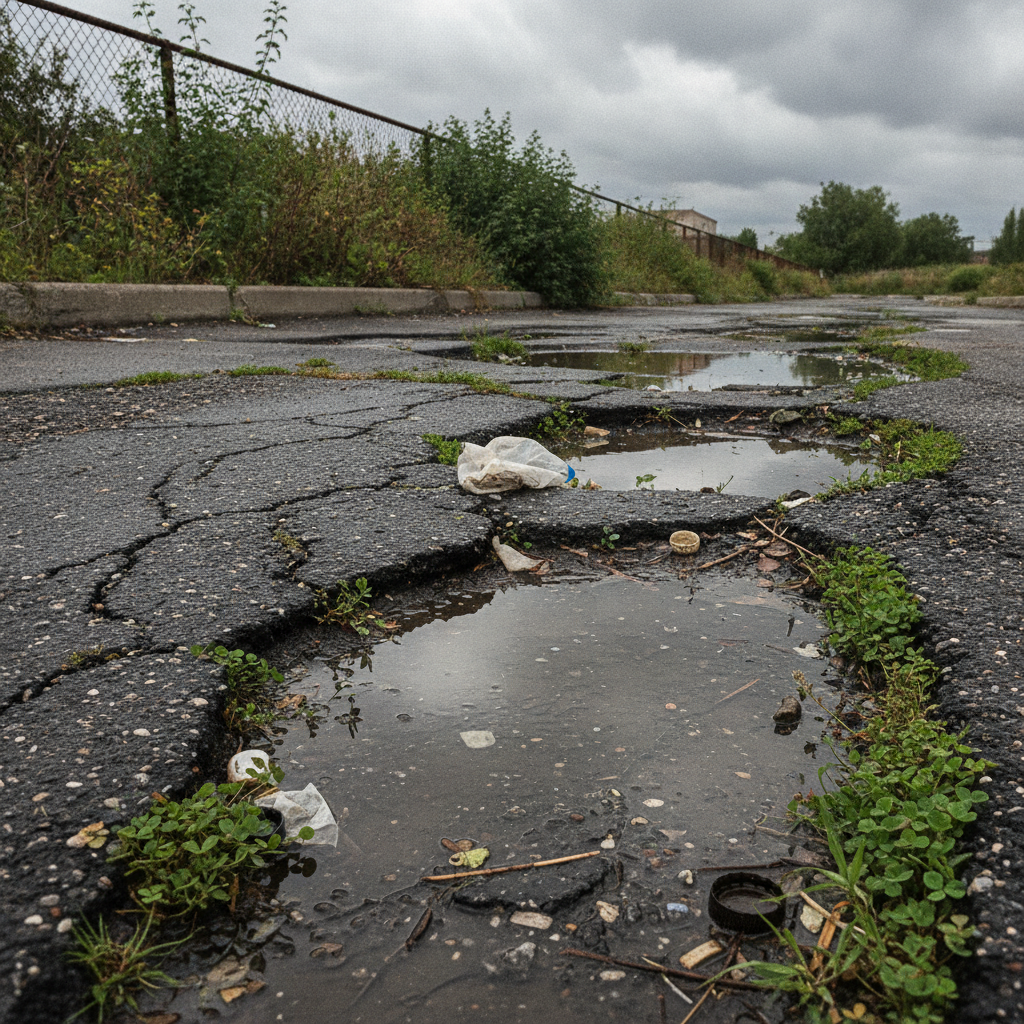
Stormwater runoff is a challenge that many property owners and managers face, especially when it comes to maintaining durable asphalt surfaces. The way water moves across pavement can make or break the longevity of parking lots, driveways, and access roads. For those seeking Asphalt Repair Lodi NJ services, understanding the impact of poor stormwater management is crucial. Water that isn’t properly directed or drained can quickly transform a smooth, reliable surface into one riddled with cracks, potholes, and safety hazards. In this article, we’ll explore how stormwater runoff affects asphalt, the signs of damage to watch for, and proactive steps you can take to protect your investment. Whether you own a small business, oversee a development, or simply want to keep your property in top shape, these insights will help you make informed decisions about maintenance and repairs.
Why Stormwater Runoff Matters for Asphalt Longevity
Stormwater runoff is more than just a nuisance, it’s a primary factor in the premature aging of asphalt surfaces. When rainwater or melting snow flows across pavement, it seeks the path of least resistance. If the surface is not properly graded or lacks adequate drainage, water can pool in low spots, seep into tiny cracks, and eventually undermine the structural base beneath the asphalt. Over time, this constant exposure leads to erosion, softening of the subbase, and a weakened pavement layer. For property owners considering Lodi NJ asphalt surface repair, addressing stormwater issues is essential to prevent recurring damage and costly repairs. Investing in proper drainage and regular maintenance pays off by extending the life of your asphalt and reducing long-term expenses.
Common Signs of Water Damage on Pavement
Recognizing the early warning signs of water-related asphalt damage can save you from bigger headaches down the road. Look for telltale indicators such as standing water after rainfall, alligator cracking (a network of interconnected cracks resembling reptile skin), and potholes that seem to appear overnight. You might also notice raveling, where the surface begins to break apart and lose aggregate, or depressions that collect water. These issues are often the direct result of poor stormwater management and can quickly escalate if not addressed. For commercial properties, timely Asphalt Repair Lodi NJ is critical to maintaining a safe and attractive environment for customers and employees. Catching these problems early allows for targeted repairs and prevents more extensive (and expensive) reconstruction later.
How Water Weakens Asphalt from the Inside Out
Water is one of asphalt’s greatest enemies because it can infiltrate the pavement structure in subtle but destructive ways. When runoff is not properly channeled, it seeps through surface cracks and penetrates the underlying layers. The subbase, which provides essential support, becomes saturated and loses its load-bearing capacity. As vehicles continue to drive over weakened areas, the pavement flexes and eventually breaks apart. This process accelerates during freeze-thaw cycles, as trapped water expands and contracts, widening cracks and creating new ones. Partnering with a reputable Asphalt Repair Company in Lodi, NJ ensures that both surface and subbase issues are addressed, not just the visible symptoms. Effective repairs restore the structural integrity of your pavement and help guard against future water intrusion.
The Role of Drainage Systems in Preventing Surface Damage
A well-designed drainage system is the first line of defense against stormwater damage. Catch basins, trench drains, and properly sloped surfaces all work together to direct water away from vulnerable areas. Without these features, even the best-laid asphalt can succumb to water-related deterioration. In regions with frequent freeze-thaw cycles, such as this community, drainage becomes even more critical. Water that lingers on the surface or beneath the pavement can freeze, expand, and cause significant cracking. For a deeper dive into how climate impacts pavement, see How Seasonal Freeze-Thaw Cycles Affect Commercial Asphalt in Lodi, NJ. Investing in drainage improvements, whether during new construction or as a retrofit, is a proactive way to safeguard your property and minimize future repair costs.
Seasonal Impacts on Stormwater and Asphalt Performance
The changing seasons bring unique challenges for asphalt maintenance, especially when it comes to managing stormwater. In spring, melting snow and heavy rains can overwhelm drainage systems and expose weaknesses in pavement. Summer storms may cause rapid runoff, while autumn leaves can clog drains and create pooling. Winter is particularly harsh, as freeze-thaw cycles intensify the effects of trapped moisture. Timing repairs and maintenance to align with these seasonal patterns can make a big difference. For residential properties, understanding the Best Time of Year for Residential Asphalt Paving in Lodi, NJ helps ensure that new surfaces cure properly and are less vulnerable to water damage. Staying aware of seasonal risks allows property owners to plan ahead and address issues before they escalate.
Comparing Asphalt and Concrete: Stormwater Resilience
When it comes to stormwater resilience, both asphalt and concrete have their strengths and weaknesses. Asphalt is flexible and can better withstand minor ground movement, but it is more susceptible to water infiltration if not properly maintained. Concrete is less permeable and often lasts longer, but it can crack under freeze-thaw stress and is more expensive to repair. In the area, many property owners choose asphalt for its cost-effectiveness and ease of repair, but this choice requires a commitment to regular inspections and maintenance. Understanding the differences between these materials helps you make informed decisions about which surface best suits your property’s needs, especially in regions prone to heavy rainfall and temperature fluctuations.
Design Strategies for Effective Stormwater Management
Proactive design is key to preventing stormwater from damaging your pavement. This starts with proper grading to ensure water flows away from buildings and critical areas. Incorporating permeable surfaces, such as porous asphalt or pavers, can help reduce runoff by allowing water to seep through and be absorbed into the ground. Installing features like bioswales, rain gardens, and retention basins further enhances your property’s ability to manage excess water. For businesses and developers, working with experienced paving contractors ensures that these elements are integrated into site plans from the outset. Thoughtful design not only protects your investment but also supports local stormwater regulations and environmental goals.
Routine Maintenance Practices to Minimize Water Damage
Regular maintenance is the most effective way to keep stormwater from undermining your asphalt surfaces. This includes inspecting for and sealing cracks, cleaning debris from drains and catch basins, and ensuring that surface grading remains intact. Promptly addressing minor issues prevents them from escalating into major repairs. For small business owners, scheduling seasonal inspections and working with local paving professionals can provide peace of mind and extend the life of your pavement. Maintenance also involves monitoring landscaping to ensure roots and soil do not disrupt drainage patterns. By making these practices part of your routine, you’ll reduce the risk of costly water-related damage and keep your property looking its best year-round.
How Poor Runoff Affects Safety and Liability
Beyond structural concerns, poor stormwater management can create serious safety and liability risks. Standing water increases the likelihood of slips and falls, especially in high-traffic areas. Potholes and uneven surfaces caused by water damage can damage vehicles and pose trip hazards for pedestrians. For businesses, these issues not only affect customer satisfaction but can also lead to costly legal claims. Addressing runoff problems promptly demonstrates a commitment to safety and can help reduce insurance premiums. Investing in proper drainage and timely repairs protects both your property and the people who use it every day.
Cost Considerations: Repair vs. Prevention
When weighing the costs of asphalt maintenance, prevention is almost always more affordable than repair. While installing drainage systems or upgrading pavement may require upfront investment, these measures save money over time by reducing the frequency and severity of repairs. Neglecting stormwater issues can result in rapid deterioration, leading to expensive patching, resurfacing, or even full replacement. For developers and business owners, factoring stormwater management into project budgets pays off in the long run. Comparing the costs of proactive versus reactive approaches helps clarify the value of regular inspections, timely maintenance, and smart design choices.
| Stormwater Issue | Potential Asphalt Damage | Recommended Action |
|---|---|---|
| Standing Water | Surface softening, potholes | Improve grading, install drains |
| Clogged Drains | Pooling, accelerated cracking | Regular cleaning and inspection |
| Improper Slope | Water infiltration, base erosion | Regrade surface, re-pave if needed |
| Cracked Pavement | Subbase saturation, potholes | Seal cracks, repair promptly |
| Blocked Gutters | Overflow, edge deterioration | Clear debris, maintain gutters |
Final Thoughts
Stormwater runoff is an often-overlooked factor that can dramatically affect the lifespan and safety of your asphalt surfaces. By understanding how water interacts with pavement and taking steps to manage runoff, property owners in this city and beyond can protect their investments and avoid costly repairs. Whether you’re dealing with an aging parking lot or planning new construction, prioritizing drainage and routine maintenance is essential. The right approach not only extends the life of your asphalt but also contributes to a safer, more attractive property for everyone who visits. Stay proactive, work with trusted professionals, and remember that a little prevention goes a long way in keeping your pavement strong and resilient for years to come.
2 Responses