
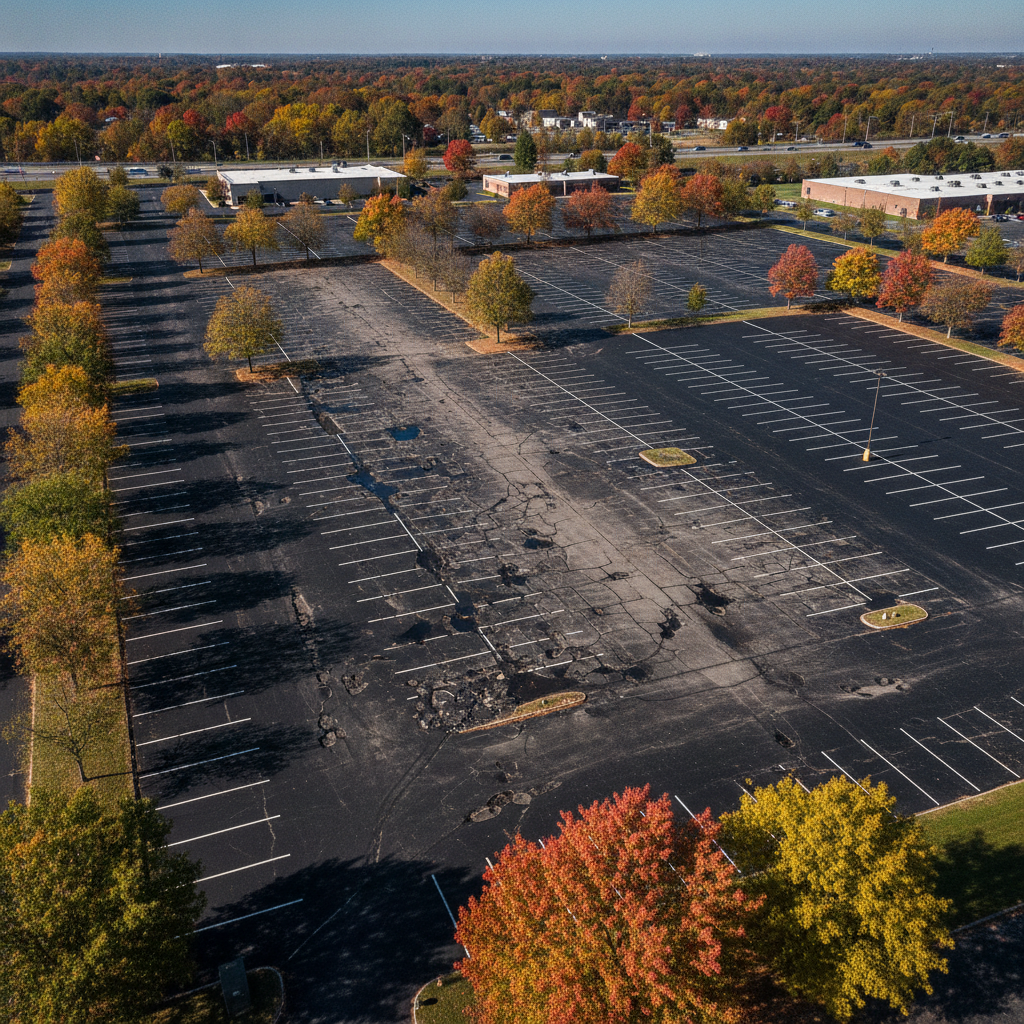
If you own or manage a commercial property in the area, you know that the changing seasons bring more than just a shift in temperature. The freeze-thaw cycles that define local winters can have a dramatic impact on your commercial asphalt surfaces. Understanding how these cycles affect your pavement is crucial for anyone considering commercial asphalt paving Lodi NJ projects or looking to extend the lifespan of existing lots. In this article, we’ll break down the science behind freeze-thaw damage, reveal what signs to watch for, and share actionable tips to help you protect your investment. Whether you’re a small business owner, developer, or just curious about how the weather shapes our local infrastructure, you’ll find practical insights and expert perspectives right here. Let’s dig into how these seasonal changes can influence both the performance and appearance of your commercial asphalt.
Understanding Freeze-Thaw Cycles in Commercial Asphalt Paving Lodi NJ
Freeze-thaw cycles occur when temperatures fluctuate above and below freezing, causing water trapped in pavement to freeze, expand, and then thaw. This repeated expansion and contraction is especially common in this region, and it’s a leading cause of wear on commercial asphalt surfaces. When water seeps into small cracks or pores in the asphalt, it freezes overnight and expands, pushing the pavement apart. As temperatures rise during the day, the ice melts, leaving behind slightly larger gaps. Over time, these cycles can turn hairline cracks into major fissures and even create potholes. For anyone planning Lodi NJ commercial asphalt paving, it’s important to understand how these cycles can impact both new and existing lots. Proper installation and ongoing care are key to minimizing damage and maintaining a safe, attractive surface for your customers and tenants.
How Moisture Penetration Leads to Pavement Weakness
Moisture is the silent enemy of asphalt. When rain or melting snow finds its way into the tiny openings on the pavement’s surface, it sets the stage for future problems. As temperatures drop, the water freezes and expands, exerting pressure on the surrounding asphalt. This process weakens the pavement’s structure, making it more susceptible to cracking and crumbling. Even small amounts of moisture can trigger this cycle, especially if the surface isn’t properly sealed or if existing cracks go unaddressed. Over time, the cumulative effect of repeated freeze-thaw cycles can lead to significant deterioration. For property owners, understanding the seasonal weather effects on pavement is the first step toward proactive maintenance and long-term durability.
Recognizing Early Signs of Freeze-Thaw Damage
Spotting freeze-thaw damage early can save you from bigger, more expensive repairs down the road. Some of the first indicators include small surface cracks, minor depressions, and areas where the asphalt looks rough or uneven. As the cycles continue, these issues can escalate into larger cracks, potholes, and even sections of pavement that start to heave or sink. If you notice standing water after a rain, that’s another warning sign that your lot may be vulnerable to further freeze-thaw damage. Regular inspections, especially in late winter and early spring, are essential for catching problems before they get worse. Consulting an Asphalt Repair Company in Lodi, NJ can help you assess the condition of your lot and recommend the best course of action for repairs or preventative maintenance.
Comparing Repair Options for Freeze-Thaw Damage
When freeze-thaw cycles have taken a toll on your asphalt, choosing the right repair strategy is crucial. Options range from simple crack filling and patching to more extensive resurfacing or full-depth replacement. Crack filling is effective for minor surface cracks, while patching addresses localized damage like potholes. For widespread deterioration, resurfacing can provide a fresh, smooth layer without the cost of a full replacement. However, if the damage extends deep into the base layers, a complete overhaul may be necessary. Each solution has its pros and cons, depending on the extent of the damage and your budget. To make an informed decision, consider consulting resources like Choosing Between Asphalt Patching and Resurfacing for Lodi, NJ Lots to weigh your options and determine the best path forward for your property.
Seasonal Maintenance Strategies That Work
Proactive maintenance is the best defense against freeze-thaw damage. Before winter sets in, seal any existing cracks and apply a quality sealcoat to protect the surface from moisture intrusion. Regular sweeping and debris removal help keep drainage systems clear, preventing water from pooling and seeping into the pavement. In the spring, inspect your lot for new damage and address any issues promptly. Scheduling repairs during the warmer months ensures that materials bond properly and last longer. For those considering new projects, timing is everything. Learn more about the Best Time of Year for Residential Asphalt Paving in Lodi, NJ to maximize the longevity and performance of your investment. By staying ahead of the seasons, you can keep your commercial asphalt in top shape year-round.
The Science Behind Asphalt’s Freeze-Thaw Vulnerability
Asphalt is a flexible material, but its composition makes it vulnerable to the stresses of freeze-thaw cycles. The aggregate and binder that form the pavement can develop microscopic gaps over time, especially under the pressure of heavy vehicles and fluctuating weather. When water enters these gaps and freezes, it can cause the binder to lose adhesion, leading to raveling and surface degradation. The repeated expansion and contraction also weakens the bond between the asphalt and its base, which can cause sections to lift or crack. Understanding these scientific principles helps property owners appreciate why regular maintenance and timely repairs are so important. By addressing small issues before they escalate, you can help your pavement withstand even the harshest seasonal changes.
How Drainage Design Influences Freeze-Thaw Resilience
Proper drainage is a key factor in protecting asphalt from freeze-thaw damage. When water is allowed to pool on the surface or seep into the base, it increases the risk of cracking and pothole formation. Effective drainage systems, such as well-placed catch basins and sloped surfaces, direct water away from the pavement and prevent accumulation. During the design and installation phase, ensuring that your lot has adequate grading and drainage infrastructure can make a significant difference in long-term durability. Even older lots can benefit from retrofitted drainage solutions, which help minimize water infiltration and reduce the impact of freeze-thaw cycles. Investing in drainage improvements is a smart way to extend the life of your commercial asphalt and avoid costly repairs down the line.
Material Innovations That Combat Freeze-Thaw Damage
Advancements in asphalt technology have led to new materials and additives designed to withstand the rigors of freeze-thaw cycles. Modified binders, for example, enhance flexibility and resilience, allowing the pavement to better absorb the stresses of expansion and contraction. Some mixes incorporate polymers or fibers that reinforce the asphalt, making it less prone to cracking and raveling. These innovations are especially valuable in regions with frequent temperature swings. When planning a new installation or major repair, ask your contractor about the latest materials available for your project. Choosing the right mix can make your lot more durable, reduce maintenance costs, and provide a smoother, safer surface for years to come.
The Role of Traffic Load in Freeze-Thaw Deterioration
Heavy traffic can accelerate the effects of freeze-thaw cycles on commercial asphalt. The weight of vehicles, especially trucks and delivery vans, puts additional stress on already weakened pavement. When combined with moisture infiltration and temperature changes, this stress can cause cracks to widen and deepen more quickly. High-traffic areas, such as entrances, exits, and loading zones, are particularly vulnerable. To mitigate these effects, consider reinforcing these sections with thicker pavement or specialized materials. Regular inspections and prompt repairs in high-use zones can help prevent minor issues from turning into major hazards. Adapting your maintenance strategy to account for traffic patterns is an effective way to preserve the integrity of your lot throughout the year.
Budgeting for Freeze-Thaw Related Repairs and Upgrades
Planning for freeze-thaw damage is an essential part of managing a commercial property. Setting aside a maintenance budget allows you to address issues quickly and avoid larger expenses down the road. Costs can vary depending on the extent of the damage and the repair method chosen. Preventative measures, such as crack sealing and sealcoating, are generally more affordable than major repairs or full replacements. Investing in high-quality materials and regular inspections can also reduce long-term costs. Work with your paving contractor to develop a maintenance schedule and budget that fits your needs. By being proactive, you can protect your investment and ensure your lot remains safe and attractive for tenants and visitors.
| Freeze-Thaw Effect | Visible Signs | Recommended Action |
|---|---|---|
| Surface Cracking | Thin, spiderweb-like cracks | Crack sealing and monitoring |
| Pothole Formation | Holes or depressions in pavement | Patching or resurfacing |
| Surface Heaving | Raised or uneven areas | Leveling and drainage improvement |
| Raveling | Loose aggregate on surface | Sealcoating or overlay |
Final Thoughts
Seasonal freeze-thaw cycles are a fact of life for commercial property owners in this community, but they don’t have to spell disaster for your asphalt. By understanding how these cycles work and recognizing early warning signs, you can take proactive steps to protect your investment. Whether it’s through timely maintenance, smart material choices, or thoughtful drainage design, there are plenty of strategies to minimize damage and extend the life of your pavement. Remember, the key is to stay ahead of the seasons: address small issues before they become major problems, and work with experienced professionals who understand the unique challenges of our local climate. With the right approach, your commercial asphalt can remain safe, functional, and visually appealing year after year, no matter what the weather brings.
One Response