
You shouldn’t treat “repave every 10–15 years” as a hard rule. In a mild climate with good drainage and regular maintenance, your driveway can last well beyond 15 years. In harsh freeze-thaw areas, with heavy vehicles or poor base prep, you may need new pavement sooner. Watch for widening cracks, potholes, and standing water to judge timing. If you want to stretch that interval—and know when repaving beats patching—you’ll find practical ways to decide next.
Key Takeaways
- Most residential driveways need full repaving roughly every 10–15 years, depending on climate, traffic, and maintenance quality.
- Asphalt commonly requires repaving in the 10–15 year range, with sealcoating every few years extending its service life.
- Concrete can last longer than 15 years, but significant cracking or heaving may require earlier partial or full replacement.
- Visible signs like spreading cracks, potholes, rutting, and standing water often mean repaving is needed sooner than the typical 10–15 years.
- Plan financially for a 10–15 year repaving cycle by estimating costs per square foot and saving annually with a 10–20% contingency.
Do You Really Need to Repave Every 10–15 Years?
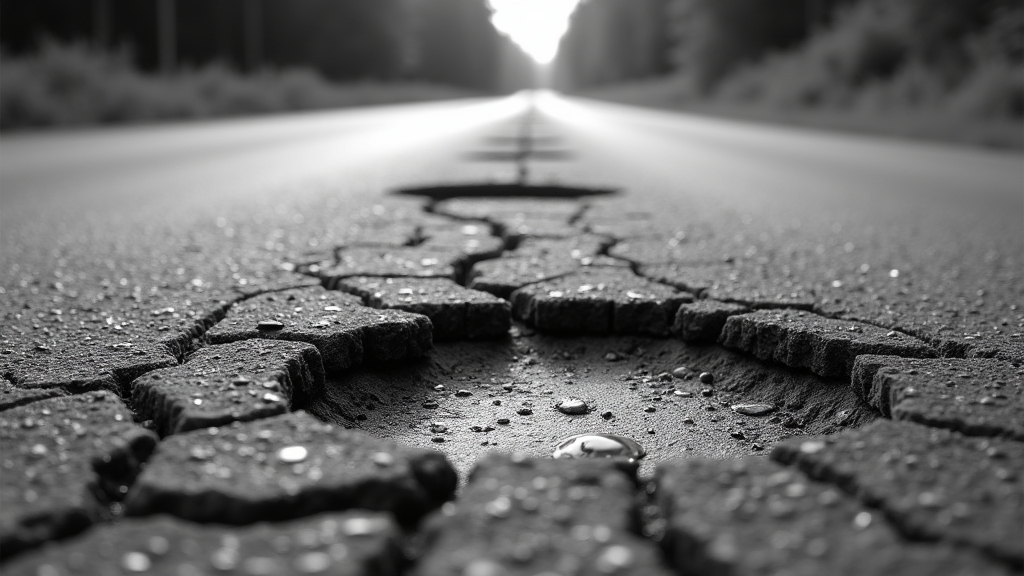
So how true is the advice that you should repave every 10–15 years? You’ve probably heard that number from contractors, neighbors, or online guides, but it’s often oversimplified.
Your driveway lifespan doesn’t follow a fixed countdown timer. It depends on climate, drainage, base preparation, materials, and how you maintain it over time.
Your driveway doesn’t age on a schedule; climate, drainage, materials, and maintenance ultimately decide its true lifespan
Many repaving myths come from assuming every driveway ages the same way. If you live in a mild climate, sealcoat regularly, and keep water from pooling, your surface can last well beyond 15 years.
On the other hand, harsh freeze–thaw cycles and heavy vehicles can shorten that span.
Instead of treating 10–15 years as a rule, treat it as a planning window. You’re not required to schedule repaving the moment your driveway hits a certain birthday; you’re better off understanding the conditions that either stretch or shrink its practical life for your specific home and usage.
Signs Your Driveway Needs Repaving Sooner Than 10 Years
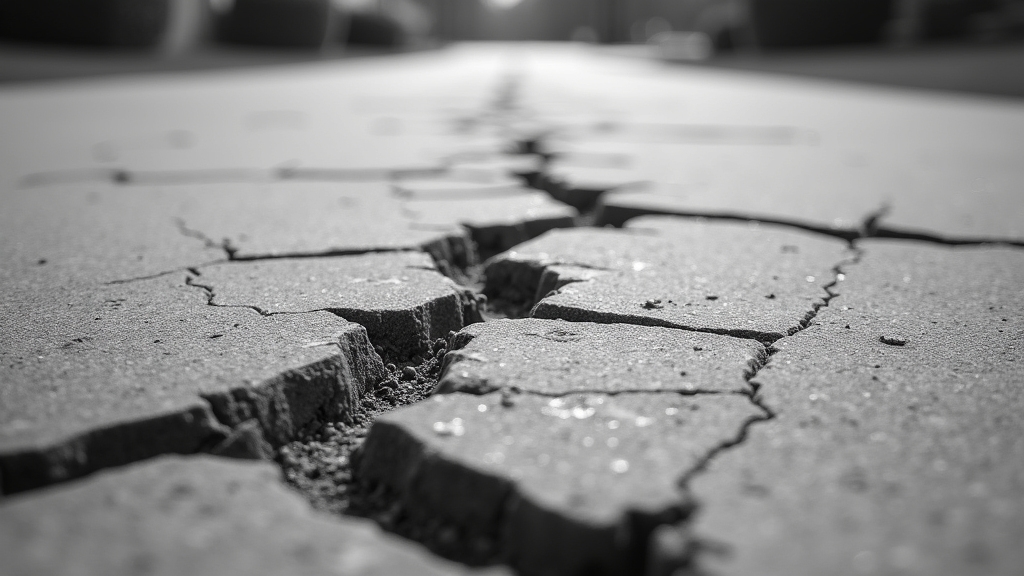
You don’t always have to wait a full decade to repave—your driveway often shows you when it needs help sooner.
Worsening cracks and potholes, along with standing water or poor drainage, signal that the surface and base are breaking down.
You might also notice fading color and rutting in the wheel paths, which indicate wear that simple sealing won’t fix.
Worsening Cracks And Potholes
Even if your driveway isn’t yet a decade old, worsening cracks and growing potholes are clear signs it needs attention sooner than the typical 10-year mark. They show the surface has lost flexibility and the base layer may be weakening. You can fill tiny gaps, but when cracks keep widening, branching, or crumbling at the edges, patching becomes temporary. Frequent pothole repair is another warning; repeated holes often mean water and traffic have damaged deeper layers. At this point, focusing on crack prevention alone won’t restore structural strength—you’re usually better off planning a full repave.
| Sign | What you notice | What it suggests |
| Spreading cracks | Lines lengthen, connect | Base fatigue |
| Edge breakup | Crumbling along sides | Loss of support |
| Recurring potholes | Spots fail again | Deep damage |
Drainage Problems And Pooling
When water lingers on your driveway after rain instead of draining away, it’s more than a minor nuisance—it’s a sign the surface has settled, warped, or lost its proper slope.
Those shallow puddles let water seep into tiny gaps, soften the base, and accelerate cracking. You might notice recurring birdbaths, wet spots along the edges, or water flowing toward your garage instead of the street.
Once drainage problems reach this point, simple patching won’t fix the underlying grade issues. You’ll need more extensive drainage solutions—often a full repave—to reestablish correct slope and restore structural support.
Addressing pooling early improves safety, protects your foundation, and offers long‑term pooling prevention rather than constant spot repairs. If puddles persist after cleaning drains, repaving is usually overdue anyway.
Fading Color And Rutting
Although fading color might seem like a cosmetic issue, it often signals that your driveway’s top layer is oxidizing and losing the protective oils that keep it flexible.
When you notice color fading from deep black to dull gray, the surface usually becomes brittle, which makes it easier for cracks, potholes, and rutting issues to form under traffic and temperature swings.
Rutting shows up as wheel-path grooves where your tires always travel. These low spots trap water, concentrate weight, and stress the asphalt base.
If ruts grow deeper than a half inch, or you feel your car “drop” into them, the structure is likely failing. At that point, sealcoating isn’t enough—you’ll need milling and repaving much sooner than the typical 10–15-year cycle for durability.
Repair or Repave? How to Choose the Right Fix
Before you spend money on your driveway, you need to assess how severe the pavement damage really is.
Then you can compare the cost and expected longevity of simple repairs versus a full repave.
Finally, consider how each option affects safety and curb appeal, since cracks, ruts, and fading can impact both.
Assessing Pavement Damage
If your pavement looks rough but you’re not sure how bad it really is, a structured assessment helps you decide whether simple repairs will do or a full repave is smarter.
Start with basic pavement inspection techniques: walk the surface, note where cracks, rutting, and standing water appear, and photograph everything.
Use simple damage assessment tools like a straightedge, tape measure, and chalk to mark problem areas and track changes over time.
Focus on:
- Fine, narrow cracks that stay mostly dry
- Alligator cracking, potholes, or loose aggregate
- Depressions, birdbaths, or heaving at edges
- Exposed base, severe raveling, or recurring patches
When you map the distress type, severity, and spread, you’ll see whether targeted repairs are enough or widespread failure suggests repaving may be needed.
Cost And Longevity
Once you’ve mapped out the damage, the next step is deciding what makes more sense for your budget and the long-term life of your pavement: repair or repave.
Start with a simple cost analysis. Add up contractor estimates, likely maintenance, and your timeline for replacement. Spot repairs usually cost less now but can add up if the base is failing.
Full repaving costs more upfront yet often delivers longer service life, especially when drainage and sub-base are upgraded. Compare options by price per expected year of use.
Also weigh paving materials: thinner overlays wear out faster than thicker asphalt or concrete sections. When ongoing patching nears half the price of resurfacing, repaving often becomes the better investment.
That approach keeps decisions clear, objective, predictable.
Safety And Curb Appeal
Even when the numbers look close, safety and curb appeal often tip the scales between repairing and repaving. You can’t ignore safety considerations: deep cracks, heaving, or sunken areas create tripping hazards and can damage tires or suspensions.
When those issues spread across large sections, repaving usually offers the safer long‑term fix. At the same time, driveway aesthetics influence how guests — and buyers — see your home.
- Hairline cracks and minor stains: spot repairs and sealing usually suffice.
- Multiple patches, mismatched colors, and sagging edges: repaving restores a clean, unified look.
- Standing water after rain: poor drainage suggests a new base and full repave.
- You’re planning to sell soon: a fresh surface can boost first impressions and perceived value for your home’s exterior.
How Climate and Weather Change Your Repaving Schedule
Anyone planning a repaving project has to factor in local climate and day‑to‑day weather, because both directly control how long your pavement lasts.
Climate impact shows up over years: hot regions soften asphalt, while freeze‑thaw cycles in colder areas force water into tiny cracks, then expand and break the surface. If you live where temperatures swing wildly, you’ll likely repave closer to every 10 years than 15.
Daily weather patterns matter too. Frequent heavy rain erodes edges and washes out base material, especially where drainage is poor. Long dry spells can shrink underlying soils, letting slabs shift and open joints. Coastal areas face salt‑laden moisture that accelerates surface breakdown.
To set a realistic schedule, watch how quickly small cracks, rutting, or puddles appear after installation. If they develop early and repeat after repairs, assume your climate demands shorter repaving intervals and plan your budget accordingly for the future.
How Traffic and Vehicle Weight Affect Repaving
While climate sets the background pace for pavement wear, the amount and type of traffic rolling over it every day often do more to determine how soon you’ll repave.
You need to look closely at your traffic patterns, not just how many vehicles use the surface but what they weigh and how they move. Repeated heavy loads create tiny flexes, which grow into cracks, rutting, and base failure.
Consider:
- Daily delivery trucks or service vans stopping, turning, and backing.
- Occasional moving trucks, RVs, or trailers that concentrate weight on a few axles.
- Regular use by construction equipment or buses that push the pavement beyond residential assumptions.
- Short, tight turning areas, like at garage entries, that grind the surface.
If you see these conditions, plan on the shorter end of the 10–15‑year repaving window.
Light passenger-car use stretches intervals if you seal cracks and joints.
Asphalt vs Concrete: How Material Affects Driveway Repaving
Because asphalt and concrete age differently, your driveway material has a big impact on how often you’ll need to repave.
Asphalt is a petroleum-based surface that stays somewhat flexible, so it handles freeze-thaw cycles and minor ground shifts better than rigid concrete. That flexibility lets asphalt distribute weight and movement, which slows cracking but can lead to surface ruts and fading over time. Good asphalt durability usually means you’re repaving the top layer about every 10–15 years, with smaller sealcoating jobs in between.
Concrete behaves differently. It’s rigid and strong in compression, so it resists heavy static loads well, but it’s more prone to cracking when temperature swings or subgrade movement occur.
You can’t simply resurface thin concrete damage as easily; you often need partial or full-depth replacement. While concrete flexibility is limited, careful joint design and reinforcement can extend life and delay major repaving work for homeowners.
How Drainage Problems Shorten Pavement Life
Material isn’t the only factor that determines how often you’ll repave; water can wear out a driveway faster than daily traffic.
When runoff has nowhere to go, it seeps into tiny cracks, softens the base layer, and freezes and thaws until the surface breaks apart years earlier than expected.
Poor drainage shows up as:
- Standing puddles that linger long after rain
- Channels where water routinely flows down the drive
- Soil erosion along the edges of the pavement
- Damp spots near the garage or street
Each of these signals that water is attacking from above and below, shortening pavement lifespan regardless of whether you chose asphalt or concrete.
Instead of supporting vehicle weight, the saturated base shifts and sinks, creating alligator cracking, heaving, and potholes.
Effective drainage solutions—such as regrading adjacent soil, adding swales, or tying downspouts into drains—let water leave so your drive can reach full service life.
Maintenance Habits That Stretch Time Between Repaving
Even with perfect materials and drainage, your driveway only lasts if you take care of it. Think of preventive maintenance as cheap insurance that keeps small flaws from turning into structural failures. You clean stains quickly, sweep grit that grinds the surface, and keep oil from softening asphalt.
Seasonal inspections lock this habit in. Each spring and fall, you walk the driveway, mark every crack, and check edges where grass and roots creep in. Hairline cracks get filled before water and ice pry them wider.
| Feeling | Habit | Result |
| Pride | Regular sweeping | Fresh, welcoming entrance |
| Relief | Prompt crack filling | Fewer surprise repairs |
| Control | Seasonal inspections | Problems caught early |
| Security | Gentle snow removal | Pavement protected longer |
Over years, those quiet choices prevent potholes, sagging sections, and ugly alligator cracking around vehicle tires. When you repeat these simple routines, you don’t just delay repaving; you protect the investment under your feet.
How to Budget for Your Next Driveway Repave
Once you know your driveway won’t last forever, budgeting for its replacement becomes a straightforward planning exercise instead of a last‑minute emergency.
Start by learning typical per‑square‑foot prices for similar driveways in your region; use those figures for a realistic cost estimation. Then compare that number to how many years you expect before repaving, usually every 10–15 years.
Use simple budgeting strategies to spread the burden instead of scrambling when cracks turn into craters:
- Set up a separate savings category labeled “Driveway Repave.”
- Divide the projected cost by remaining years and save that amount monthly.
- Add a 10–20% cushion for inflation, permits, and small design upgrades.
- Review the fund annually and adjust contributions if material prices jump.
When you track this fund alongside other home‑maintenance reserves, you protect your cash flow and avoid taking on high‑interest debt just to keep your driveway functional for as long as possible.
Choosing a Contractor to Repave Your Driveway
Choosing the right contractor to repave your driveway protects both your investment and your peace of mind. Start by confirming the company is licensed, insured, and experienced with projects similar to yours. Ask for written proof and check reviews that mention durability several years after installation, not just appearance on day one.
Next, dig into contractor qualifications. Request references, photos of recent work, and details on crew training, equipment, and mix design. A reputable contractor explains why they choose specific materials and thicknesses for your climate and soil.
Clarify the project timeline before you sign. Discuss start and finish dates, how weather delays are handled, and when you can drive on the new surface.
Insist on a detailed written contract covering scope, timeline, payment schedule, and warranty terms. When contractors answer questions clearly and put commitments in writing, you can move forward with confidence plus durability and value.
Frequently Asked Questions
How Long Does a Typical Driveway Repaving Project Take From Start to Finish?
You’ll see a driveway repaving project take two to five days from start to finish, depending on your driveway preparation timeline, weather conditions, crew size, curing needs, and project completion factors tied to your site.
Can I Stay in My Home and Use My Garage While Repaving Happens?
You can stay in your home, but you usually can’t use the garage; garage access during repaving is restricted, so you’ll arrange temporary parking solutions on the street, driveway edge, or a neighbor’s property nearby.
Are There Eco‑Friendly or Recycled Materials Available for Driveway Repaving?
Yes, you can choose eco‑friendly options like recycled asphalt, permeable pavers, or bio‑based sealants. These materials reduce waste, lower emissions, and support sustainable practices while maintaining durability. Ask contractors about certifications, sourcing and long‑term performance.
Will Repaving My Driveway Increase My Home’s Resale Value or Curb Appeal Significantly?
Yes, repaving can greatly boost curb appeal and resale value, because you’re upgrading driveway aesthetics, reducing visible damage, and signaling a well‑maintained property, which buyers view as a smart, low‑maintenance home investment with lasting benefits.
What Permits or Approvals Are Usually Required Before Repaving a Residential Driveway?
You usually need local building or zoning permits, sometimes HOA approval, before repaving. You should confirm permit types, drainage rules, and inspections with your city, then follow their approval process to avoid fines or removal.
Final Thoughts
When you understand what your driveway really needs, you stay in control instead of letting the pavement decide for you. You don’t have to repave every 10–15 years just because it’s a rule of thumb. By watching for early warning signs like widening cracks, potholes, rutting, and drainage problems—and pairing those observations with smart maintenance such as timely repairs, sealcoating, and, when appropriate, asphalt resurfacing—you can often stretch the life of your driveway well beyond the basic schedule. Thinking through your climate, traffic loads, and long-term plans helps you choose whether targeted fixes or a full repave is the better investment for your home.
If you’re unsure whether repair, resurfacing, or full replacement is right for your driveway, it pays to talk with an experienced paving contractor. The team at Parkway Paving LLC can inspect your pavement, explain options like residential asphalt paving, and even help you compare choices such as an asphalt driveway vs brick pavers. With clear estimates, timelines, and maintenance recommendations, you can plan your budget confidently and avoid surprise failures.
Ready to find out where your driveway really stands and how long you can safely wait before repaving? Call or text Parkway Paving LLC at (862) 596-0642 or request a quote through the contact page. An on-site evaluation will show whether strategic repairs, a fresh resurfacing, or a full repave makes the most sense—so you can protect your curb appeal, your driveway, and your wallet for years to come.