
You’re deciding between hot mix asphalt and cold patch for your project. Hot mix is ideal for large-scale, high-traffic areas, while cold patch is better for small repairs. You’ll consider factors like cost, efficiency, and durability. Your choice depends on project size, crew expertise, and scheduling. You’ll weigh these factors to make an informed decision, and exploring further will help you find the best option for your specific needs.
Key Takeaways
- Hot mix asphalt is best for large projects and heavy-traffic areas.
- Cold patch is ideal for small repairs and low-traffic areas.
- Hot mix is more durable and energy-efficient than cold patch.
- Cold patch has lower initial costs and easier application.
- Project scale and regulatory compliance dictate material choice.
What Is Hot Mix Asphalt And When To Use It
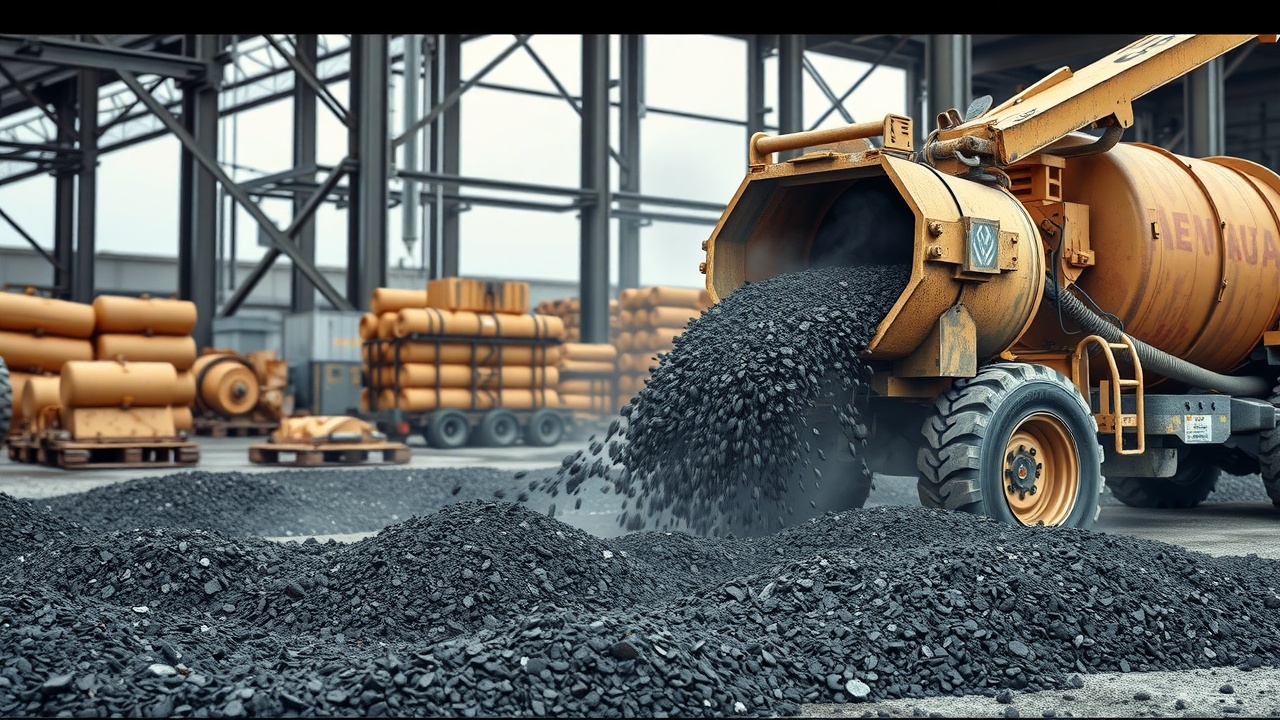
As you’re considering paving options, you’ll likely come across hot mix asphalt, a popular choice for various projects. It’s created through a production process that mixes aggregate, like stone and sand, with asphalt cement.
You’ll need to take into account temperature requirements, as hot mix asphalt is typically installed at high temperatures, usually between 300°F and 350°F. This allows for a strong bond between the materials.
Installation requires high temperatures for a strong bond between materials.
You should use hot mix asphalt for new construction, resurfacing, and heavy-traffic areas. It’s durable and can withstand various weather conditions.
Understanding the production process and temperature requirements will help you decide if hot mix asphalt is the right choice for your project. It’s critical to work with a qualified contractor to guarantee proper installation and longevity of the asphalt. This will help you achieve the desired results.
Understanding Cold Patch: Pros, Cons, And Applications
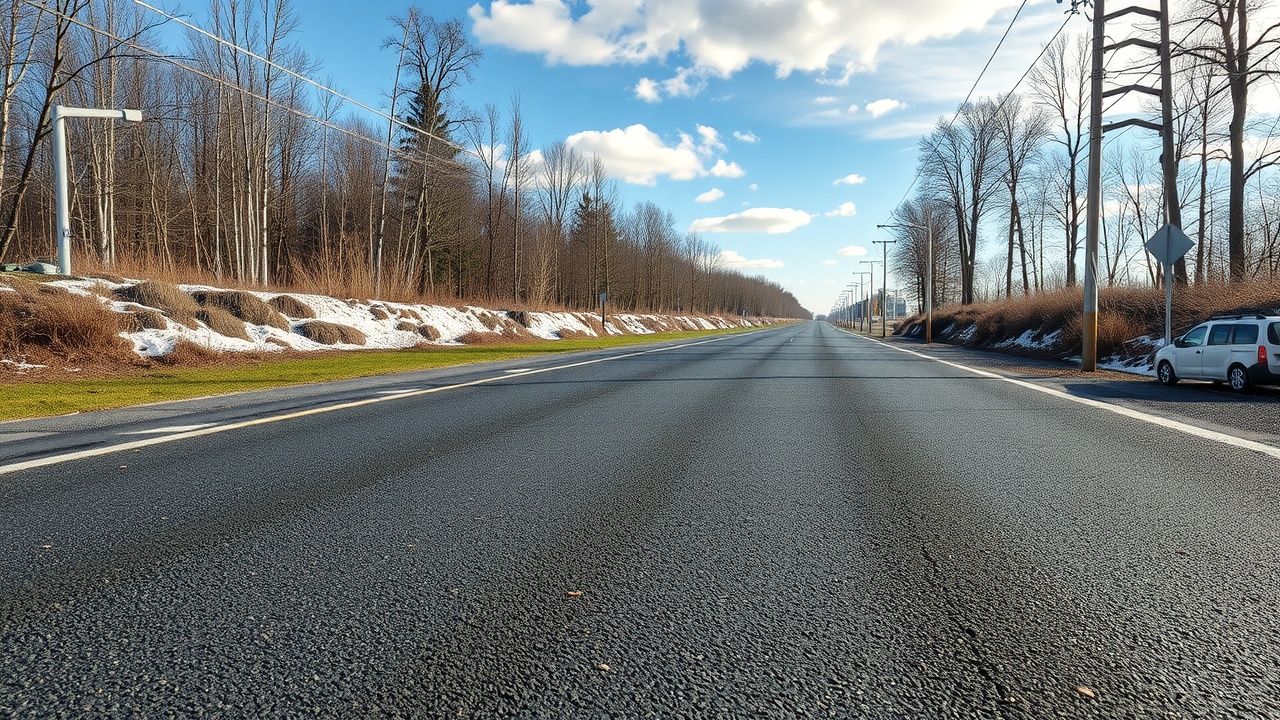
You’ve considered hot mix asphalt, now it’s time to weigh your options with cold patch, a distinct alternative for paving projects.
As you evaluate cold patch, consider its pros and cons.
Cold patch has a lower environmental impact due to its ability to be used in smaller quantities.
- It can be stored for extended periods
- It’s easy to apply
- It has good storage stability
- It’s suitable for small repairs.
You’ll find that cold patch is a viable option when you don’t need a large quantity of material, reducing waste and its environmental impact.
Its storage stability guarantees it remains effective over time, making it a practical choice for your paving needs.
Comparing Hot Mix Asphalt And Cold Patch: Cost And Efficiency
When it comes to paving projects, cost and efficiency are critical factors that’ll influence your decision between hot mix asphalt and cold patch. You’ll want to take into account lifecycle costs and energy efficiency.
| Factor | Description |
| Initial Cost | High for hot mix, low for cold patch |
| Maintenance | Frequent for cold patch, less for hot mix |
| Energy Efficiency | High for hot mix, low for cold patch |
| Durability | High for hot mix, medium for cold patch |
| Overall Value | Medium for hot mix, low for cold patch |
You’re looking for a balance between these factors to make an informed decision, considering your project’s needs and budget.
How To Choose Between Hot Mix Asphalt And Cold Patch For Your Project
What’s driving your decision between hot mix asphalt and cold patch for your project?
You’re considering factors like seasonal availability and crew expertise.
- Seasonal availability affects hot mix asphalt production
- Cold patch is available year-round
- Crew expertise influences the choice between hot mix and cold patch
- Project deadlines impact your decision.
You need to weigh these factors to make an informed choice.
Consider your crew’s expertise and the time of year to determine which option is best.
Hot mix asphalt and cold patch have different requirements, so it’s crucial to choose the one that fits your project’s needs and timeline.
Real-World Scenarios: Deciding On Hot Mix Asphalt Vs Cold Patch For Roads, Driveways, And Parking Lots
Now that you’re considering the factors that influence your decision, it’s time to apply them to real-world scenarios.
You’ll need to decide between hot mix asphalt and cold patch for roads, driveways, and parking lots.
Consider regulatory compliance, as it may dictate the use of certain materials.
You’ll also need to think about supply logistics, such as delivery times and storage requirements.
For large projects, hot mix asphalt might be more efficient, while cold patch may be better suited for smaller repairs.
Evaluating your specific needs will help you make an informed decision.
By weighing these factors, you can choose the best option for your project, ensuring it meets regulatory requirements and is completed efficiently.
This will help you achieve a durable and long-lasting result.
Frequently Asked Questions
Can I Use Hot Mix in Cold Weather?
You can’t use hot mix in cold weather due to compaction challenges, it increases crack susceptibility, you’re better off using alternatives that don’t compromise the asphalt’s integrity and performance.
Is Cold Patch Environmentally Friendly?
You’ll find cold patch is somewhat environmentally friendly, as it reduces VOC emissions, but you’re still at risk of leaching, which can harm ecosystems if not properly contained and managed quickly.
How Long Does Hot Mix Last?
You determine hot mix’s lifespan by considering factors like traffic, climate, and maintenance intervals, which can extend its life, typically lasting 15-20 years with regular upkeep and proper installation.
Can I Apply Cold Patch Myself?
You can apply cold patch yourself if you follow proper surface preparation and application technique, ensuring a strong bond and smooth finish, but it’s not always recommended without experience.
Does Hot Mix Require Special Equipment?
You’ll need specialized equipment, like asphalt pavers and vibratory rollers, to lay and compact hot mix, making it a job that’s often best left to professionals with the right tools and expertise.
Final Thoughts
Choosing between hot mix asphalt and cold patch comes down to matching the material to the job. Hot mix is typically the best long-term solution for high-traffic surfaces and larger projects where durability, compaction, and a smooth finish matter most. Cold patch has a clear advantage for quick, small repairs—especially when timing, weather, or access makes hot mix impractical. By weighing project size, traffic demands, installation conditions, and overall lifecycle value, you’ll be able to choose an option that holds up well and minimizes future maintenance.
If you want help selecting the right approach for your driveway, road, or parking lot, Parkway Paving LLC can assess your surface and recommend the most cost-effective solution. For long-lasting results, explore professional options like asphalt driveway paving and residential asphalt paving, or larger-scale services such as commercial asphalt paving and parking lot paving. If your pavement needs more than a patch, restoring performance with asphalt resurfacing or protecting it with asphalt sealcoating can extend its service life. To discuss your project and get expert guidance, contact Parkway Paving LLC through the Contact page or learn more about the team on the About Us page.