
You can cut your resurfacing footprint by choosing eco-friendly paving that manages stormwater and uses low-impact materials. Prioritize permeable pavers for driveways, porous concrete for durable, low-maintenance areas, and stabilized gravel for a natural, well-draining surface. Recycled rubber pavers work well for comfortable paths and play spaces, while reclaimed brick adds classic character with reused materials. When you match these options to your climate, budget, and style, you reveal smart, sustainable upgrades for your paved spaces.
Key Takeaways
- Permeable pavers made from concrete or clay allow stormwater infiltration, reduce runoff, and are modular for easy spot repairs and long-lasting performance.
- Porous concrete offers high drainage capacity, lighter color for reduced heat absorption, and can shrink the need for separate stormwater infrastructure.
- Recycled rubber pavers reuse old tires, provide a cushioned, low-maintenance surface ideal for patios, paths, and play areas.
- Reclaimed brick keeps masonry out of landfills, delivers classic aesthetics, and can be reset over a permeable base for eco-friendlier resurfacing.
- Stabilized gravel systems use low-embodied-energy aggregates with binders to create a permeable, natural-looking surface that’s durable and easy to maintain.
How to Choose Eco-Friendly Paving for Resurfacing
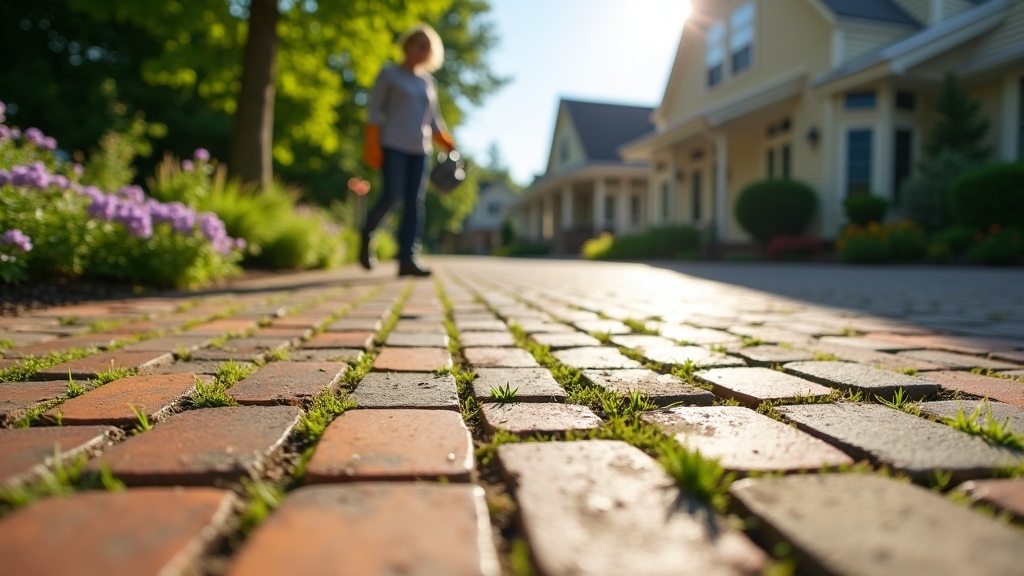
When you’re resurfacing a driveway, patio, or walkway, choosing eco‑friendly paving starts with understanding how each material affects the environment over its entire life cycle.
You look at raw resources, manufacturing energy, transport distance, durability, and what happens at end of life. These sustainability factors help you compare options like recycled aggregates, reclaimed brick, or low‑carbon concrete.
Next, balance performance with cost considerations. Don’t just check the initial price; factor in maintenance, expected lifespan, and potential savings from reduced heat buildup or longer wear.
Ask suppliers for verified environmental data, such as recycled content percentages and third‑party certifications. Visit installed projects so you can see how materials weather and handle real traffic.
Finally, match the paving to your climate and use patterns, so you’re not over‑ or under‑building. When you align budget, function, and environmental impact, you choose paving that truly supports greener resurfacing for you and others.
Permeable Pavers: Top Pick for Driveway Resurfacing
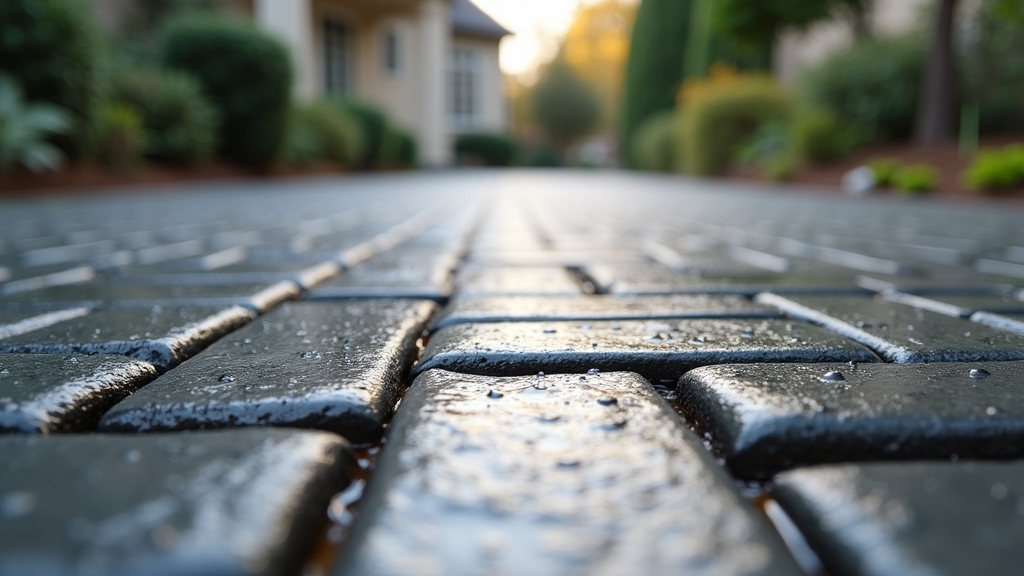
Permeable pavers often rise to the top for eco‑friendly driveway resurfacing because they let rainwater soak into the ground instead of rushing into storm drains. You get strong surface performance while reducing runoff, easing pressure on local sewers, and helping recharge groundwater. These permeable benefits make your driveway part of your stormwater solution, not a problem.
| Feature | What it means for you |
| Water passes through joints | Less pooling, ice, and erosion |
| Open graded base | Filters pollutants and protects roots |
| Modular units | Easy repair and design flexibility |
To succeed, focus on smart installation tips. Excavate deep enough for the stone base, then compact in layers so pavers don’t shift. Maintain consistent joint widths and fill them with clean, angular aggregate to keep spaces open. Plan for gentle slopes and edge restraints so your driveway handles heavy vehicles without rutting or spreading. Regular sweeping keeps joints clear and water flowing.
Porous Concrete: Durable, Low-Maintenance Green Resurfacing
Although it looks similar to regular concrete, porous concrete works differently by letting water drain straight through its interconnected voids instead of running off the surface. This structure reduces puddles, glare ice, and erosion, while helping recharge groundwater instead of overloading storm sewers.
You’ll also see real sustainability benefits. Because it manages stormwater on-site, you can often downsize drains and retention basins, freeing up more usable landscape. Lighter color and open texture reflect heat, lowering urban heat island effects and keeping adjacent spaces cooler.
To get these advantages, you must follow proper installation techniques. Contractors place porous concrete over a thick, clean stone base that temporarily stores infiltrating water. They avoid fine aggregates and overworking the mix, which would close the pores.
After curing, you maintain performance by vacuum-sweeping the surface every year or two, preventing sediment from clogging the voids and preserving long-term permeability and durability levels.
Recycled Rubber and Reclaimed Brick: Upcycled Paving Options
Rather than paving with all-new materials, you can cut waste and add character by choosing surfaces made from recycled rubber and reclaimed brick.
Recycled rubber benefits you by turning old tires into flexible, low-maintenance pavers that resist cracking and absorb impact. They’re especially comfortable underfoot, so they work well for play areas, garden paths, and patios where you stand for long periods.
Reclaimed brick gives you timeless texture and color. You keep valuable masonry out of landfills while gaining rich reclaimed brick aesthetics that new products can’t copy. Each brick carries slight variations, so your resurfaced space feels established rather than brand-new.
When you compare these upcycled options, think about:
- Climate and freeze–thaw cycles, which favor flexible rubber over rigid materials
- Desired style, from contemporary rubber tiles to classic herringbone brick layouts
- Installation effort, since bricks often need a more precise base and edging for durability and longevity
Stabilized Gravel: Natural-Look, Permeable Resurfacing Option
If you’d like a surface that feels more like a natural landscape than a manufactured product, stabilized gravel offers a strong, permeable alternative to solid paving. You get a firm walking or driving surface that still allows rainwater to soak into the soil, reducing runoff and helping recharge groundwater.
Among the key stabilized gravel benefits are its low embodied energy, excellent drainage, and comfortable, natural appearance that suits gardens, paths, and informal driveways.
To get consistent results, you need careful installation techniques. Install a compacted, well-graded base, then add a stabilizing binder or honeycomb grid to lock the gravel in place and prevent rutting.
Edge restraints keep the surface tidy and stop stones from migrating into planting beds or lawn. With occasional raking and top-ups of gravel, you can maintain a surface that resists erosion, stays relatively smooth, and avoids the heat buildup of dark asphalt or concrete.
Frequently Asked Questions
How Do Eco-Friendly Paving Materials Impact Home Resale Value and Buyer Appeal?
Eco-friendly paving materials can boost resale value because you signal lower maintenance and environmental responsibility. They improve buyer perception, make your exterior feel modern and cared-for, and create resale benefits compared with conventional, resource-intensive surfaces.
Are There Tax Credits or Incentives for Installing Sustainable Paving Materials?
You can often claim tax incentives or local sustainability grants for sustainable paving, but programs vary. You should check municipal, state, and federal websites, utility rebates, and green-building programs to confirm eligibility before installing anything.
How Do Green Paving Options Affect Urban Heat Island Reduction Around My Property?
Green paving options cool the area around your property by reflecting less heat and allowing water infiltration, which supports green infrastructure, reduces surface temperatures, improves comfort, and boosts urban biodiversity through soils, vegetation, and microhabitats.
What Certifications or Labels Indicate Genuinely Eco-Friendly Paving Products?
You’ll look for sustainability certifications like Cradle to Cradle, GreenCircle, or SCS, and for eco label standards such as EPDs and Green Seal that verify recycled content, low emissions, and transparent lifecycle impacts independently verified.
How Can I Dispose of or Recycle Old, Non-Eco-Friendly Pavement Responsibly?
You take broken pavement to an asphalt or concrete recycler, who crushes and reuses it. Ask your municipality about pavement recycling methods, eco friendly disposal options, and landfill restrictions before hiring contractors or renting dumpsters.
Final Thoughts
When you resurface with eco-friendly paving, you don’t just upgrade a driveway, walkway, or parking lot—you help lower runoff, reduce waste, and boost curb appeal with materials that work with the environment, not against it. Permeable pavers, porous concrete, recycled rubber, reclaimed brick, and stabilized gravel all give you greener options that still perform when it comes to durability, safety, and day-to-day use.
The key is to match these materials to your climate, budget, and style, and then combine them with smart, professional installation. For many properties, that can mean pairing permeable surfaces with long-lasting asphalt resurfacing, or blending natural-look areas with durable asphalt driveway paving and protective asphalt sealcoating so your investment lasts as long as possible. Homeowners can elevate curb appeal with thoughtful residential asphalt paving and design ideas from resources like Enhancing Property with Residential Paving, while business owners can support green infrastructure through smarter parking lot paving and commercial asphalt paving.
If you’re ready to explore eco-friendly resurfacing options for your home or business, the team at Parkway Paving LLC—your all-around asphalt partner in Lodi, NJ—can help you compare choices, walk you through costs, and recommend the right combination of green paving and asphalt solutions for your site. Start by learning more about us, then dive deeper into topics like how asphalt resurfacing can revitalize your pavement and how to get the most out of your residential asphalt paving services.
To take the next step, schedule a consultation or request a quote today. Call Parkway Paving LLC at (862) 596-0642 or reach out through the contact page to discuss your project. When you choose sustainable materials now and partner with an experienced paving contractor, you create a longer-lasting, lower-maintenance surface that looks great, supports your property, and is better for the planet over the long term.