
To effectively repair a commercial parking lot, start by choosing the best methods for common issues like cracks and potholes. Assess your lot’s condition regularly to catch small problems before they escalate. Finally, create a consistent maintenance plan that includes regular inspections and preventative measures like sealcoating. This approach not only keeps your parking lot safe and functional but also enhances its appearance. Discover more strategies to guarantee long-lasting results for your lot’s maintenance.
Key Takeaways
- Conduct regular inspections to identify cracks, potholes, and surface wear before they escalate into costly repairs.
- Use high-quality fillers for cracks and consider sealcoating to protect against UV damage and enhance appearance.
- Establish a maintenance schedule that includes monthly crack inspections and quarterly drainage cleanings for optimal performance.
- Document inspection findings to create a history that aids in planning future repairs and maintenance.
- Prioritize preventative measures to prolong pavement life and improve safety, enhancing customer satisfaction overall.
Choose the Best Repair Methods for Common Parking Lot Issues
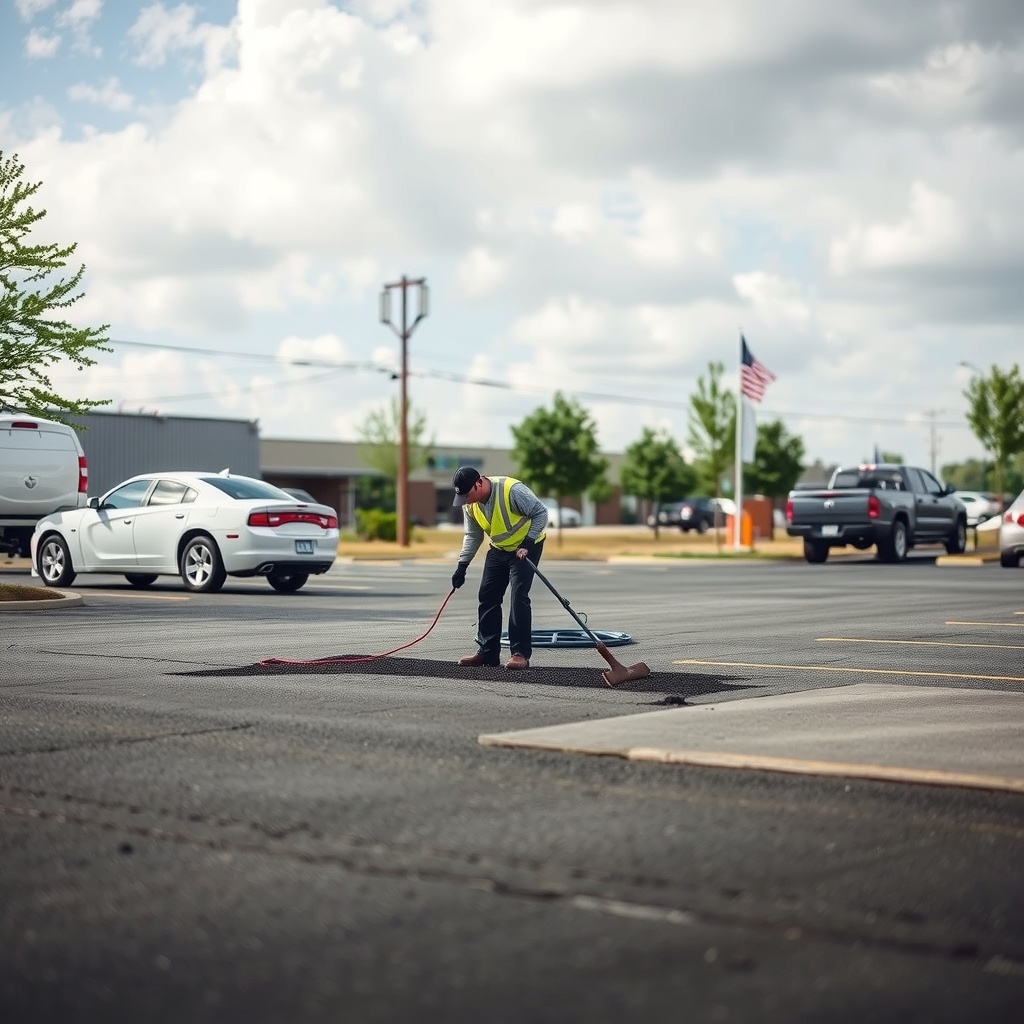
When it comes to maintaining a commercial parking lot, how do you choose the best repair methods for common issues? You’ll want to start by addressing cracks, as they can lead to more significant problems. For effective crack filling, use a high-quality filler that matches your parking lot’s material. This prevents water from seeping in and causing further damage.
Next, consider sealcoating options to protect the surface and enhance its appearance. Sealcoating not only fills minor imperfections but also shields against UV rays and harsh weather conditions.
Regularly applying sealant can extend the life of your pavement and save you money in the long run. By prioritizing these repair methods, you’ll keep your lot safe, functional, and looking great.
Steps for Effectively Assessing Your Parking Lot’s Condition
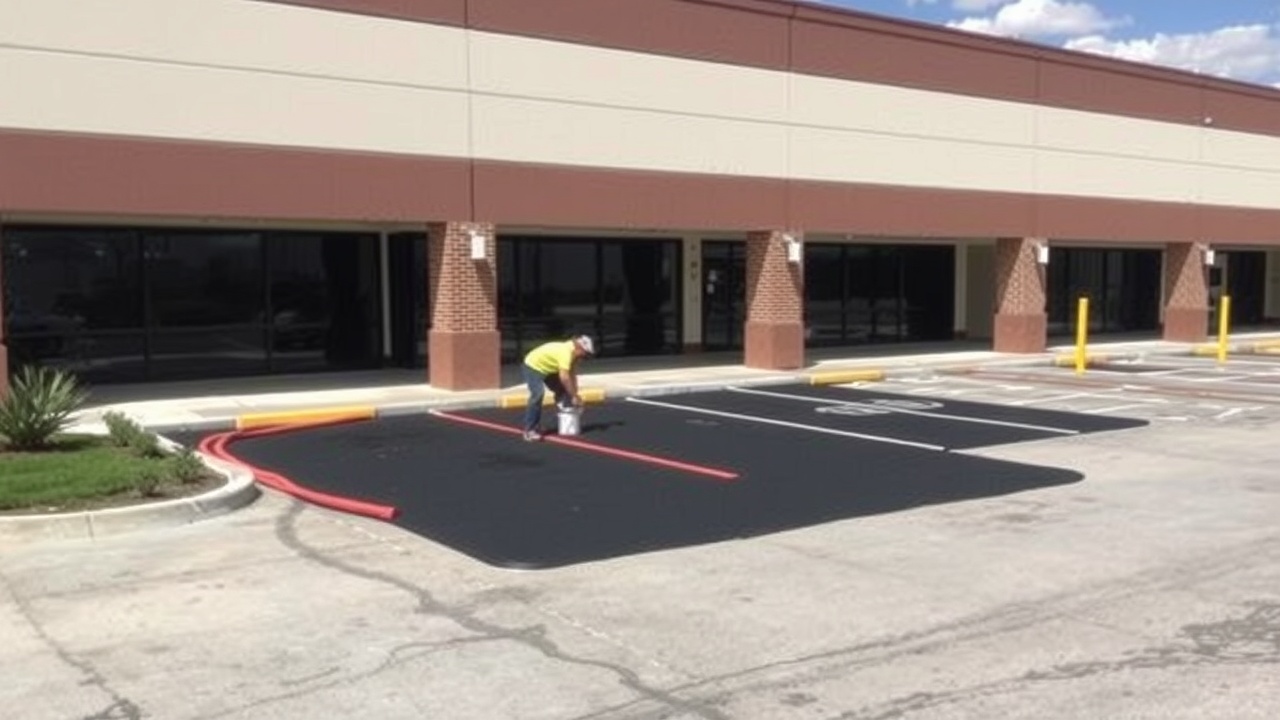
To effectively assess your parking lot’s condition, start by conducting a thorough visual inspection. This surface evaluation is essential for identifying potential issues before they worsen.
Start with a detailed visual inspection of your parking lot to catch issues early and maintain safety.
Walk the lot systematically, and take notes on any problems you see. Here are some key areas to focus on:
- Cracks: Look for cracks of any size; they can lead to bigger issues.
- Potholes: Identify any depressions that could pose a hazard.
- Surface wear: Note areas where the asphalt is thinning or fading.
- Drainage: Check for pooling water, which can indicate drainage problems.
- Striping: Evaluate the visibility of parking lines and signage for clarity.
Regular damage identification helps maintain a safe, functional parking lot.
How to Create a Maintenance Plan That Keeps Your Parking Lot in Shape
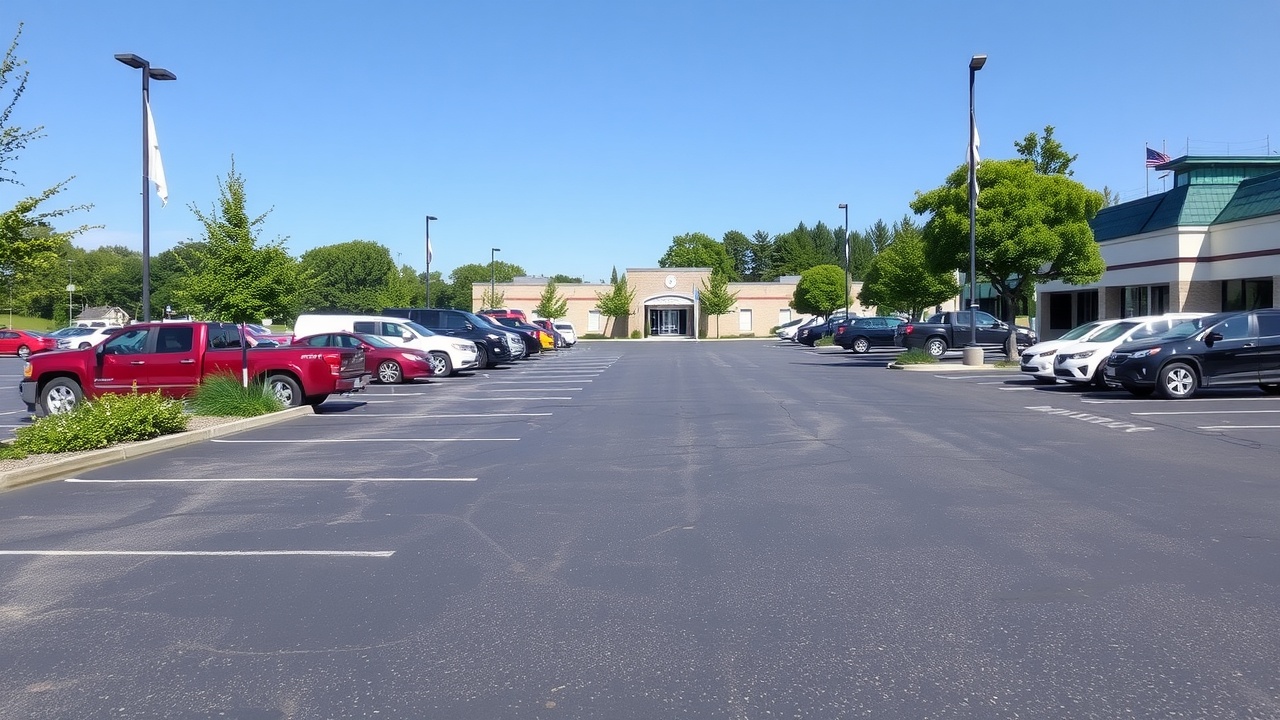
Creating a maintenance plan for your parking lot is essential for prolonging its lifespan and ensuring safety. Start by establishing a maintenance schedule that includes regular inspections and repairs. This proactive approach allows you to identify issues before they escalate, saving you time and money. Incorporate preventative measures like sealcoating to protect against weather damage.
Here’s a simple table to help visualize your plan:
| Task | Frequency | Purpose |
| Inspect cracks | Monthly | Identify potential issues |
| Clean drainage areas | Quarterly | Prevent flooding |
| Sealcoating | Every 2-3 years | Protect surface |
Frequently Asked Questions
How Often Should I Inspect My Parking Lot for Damage?
You should inspect your parking lot for damage at least twice a year. Regular inspections help you assess damage early, preventing costly repairs and ensuring a safe environment for your customers and employees.
What Are the Signs That a Repair Is Urgent?
You should act urgently if you notice significant crack severity or extensive surface peeling. These issues can worsen quickly, leading to costly repairs and safety hazards. Regular monitoring helps you catch problems before they escalate.
Can I Perform Repairs Myself or Hire Professionals?
You can tackle DIY repairs if you’re confident and have the right tools. However, hiring professional services guarantees quality work and longevity, especially for larger issues that require expertise and specialized equipment. Choose wisely!
What Is the Best Time of Year for Repairs?
The best time for repairs is late spring or early fall. Seasonal considerations and weather impacts play an essential role; warmer temperatures guarantee materials bond properly, while avoiding extreme heat or cold helps prevent future issues.
How Much Should I Budget for Parking Lot Repairs?
You should budget around $1 to $3 per square foot for parking lot repairs. Research local repair costs and plan accordingly, factoring in potential unexpected expenses to guarantee your budget covers everything needed effectively.
Final Thoughts
Keeping your commercial parking lot in top shape comes down to using the right repair methods, regularly assessing its condition, and following a proactive maintenance plan. By staying ahead of cracks, potholes, and surface wear with services like professional commercial asphalt paving, dedicated parking lot paving, and routine asphalt sealcoating, you can enhance safety and curb appeal while extending the life of your pavement and avoiding costly repairs down the line.
If you’re ready to protect your investment and keep your lot welcoming for customers and employees, partner with Parkway Paving LLC. Learn more about our team on the About Us page, or contact us today to schedule an assessment and get a customized maintenance plan for your commercial parking lot.