
Hot pour crack sealing gives you a fast, affordable way to protect asphalt. It blocks water intrusion, stops freeze–thaw damage, and keeps small cracks from turning into potholes. You’ll extend pavement life, avoid costly reconstruction, and plan repairs on your schedule. It also improves safety by reducing trip hazards and boosting traction, while instantly cleaning up the look of driveways and parking lots. You’ll also see why it outperforms cold patch and supports future sealcoating.
Key Takeaways
- Extends pavement life by stopping small cracks from spreading into potholes and larger structural failures.
- Prevents water intrusion into base layers, reducing damage from moisture, erosion, and freeze-thaw cycles.
- Offers a flexible, watertight seal that outperforms cold patch in durability, weather resistance, and long-term performance.
- Reduces future repair costs by delaying major resurfacing or reconstruction and allowing planned, budget-friendly maintenance.
- Enhances safety and appearance by eliminating trip hazards, loose debris, and unsightly crack lines in parking lots and driveways.
What Is Hot Pour Crack Sealing and How It Works?
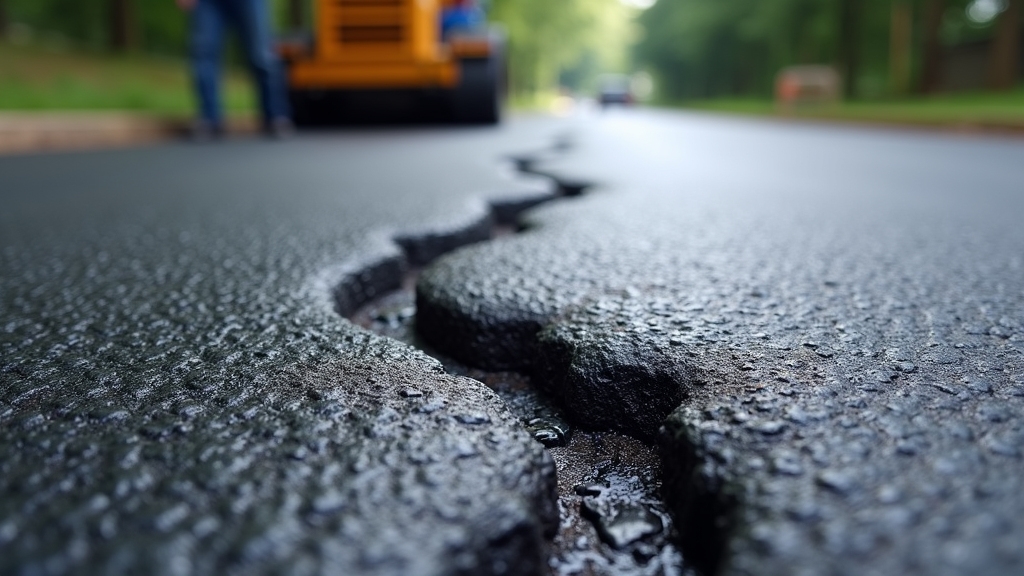
When asphalt cracks begin to form or widen, hot pour crack sealing stops them from turning into costly pavement failures. It’s a focused asphalt maintenance process where you fill working cracks with a rubberized asphalt material heated to a precise temperature.
You or your contractor clean the crack, remove debris and moisture, then heat the sealant until it flows. Next, you apply it directly into the crack so it bonds to the sidewalls and slightly overbands the surface.
Among modern crack sealing techniques, hot pour stands out because it stays flexible after cooling. As temperatures change, your pavement moves, and the sealed crack can stretch and compress instead of reopening.
Hot pour crack sealing flexes with your pavement, preventing reopened gaps as temperatures and seasons change
You’re not just covering the defect; you’re creating a continuous, watertight barrier along the crack line. By understanding how this process works, you can schedule timely treatments and extend the functional life of your paved areas over time.
How Hot Pour Crack Sealing Protects Pavement Structure
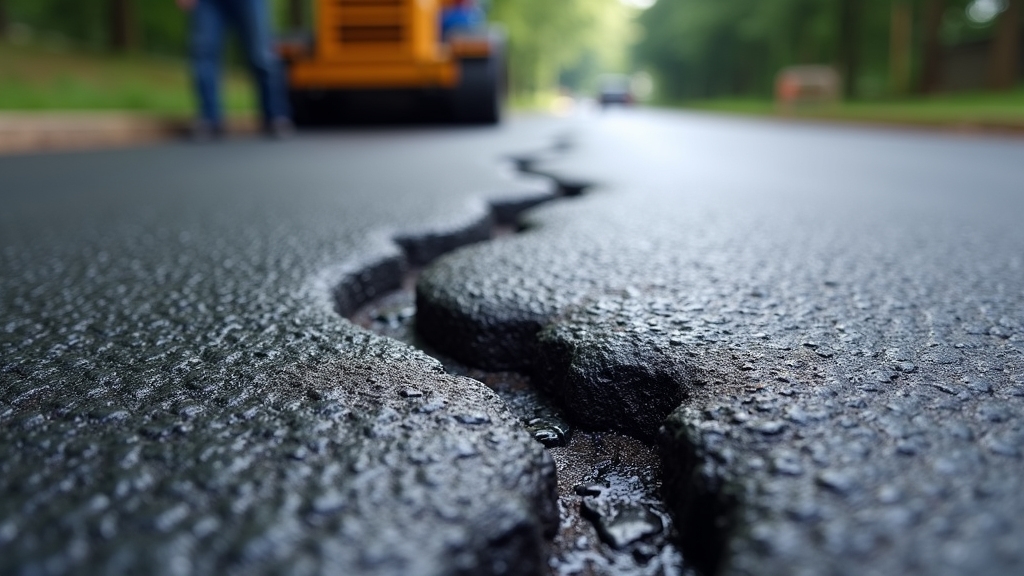
Few pavement maintenance steps do more to protect your asphalt’s structure than hot pour crack sealing. When you seal cracks while they’re small, you stop them from spreading across the surface and down through the base layers. The flexible, rubberized material bonds to the crack walls and reinforces weak edges, so traffic loads distribute more evenly instead of pounding on open gaps.
This added support boosts pavement durability because the surface can flex under vehicles without pieces breaking loose. By keeping individual cracks from connecting into wider fractures, you delay costly issues like potholes, alligator cracking, and base failure.
In effect, you’re creating a continuous, resilient skin over the asphalt. That’s why crack prevention isn’t just cosmetic. It’s a structural strategy.
Regular hot pour crack sealing lets your pavement handle heavier use, keeps the profile smooth for drivers, and extends the service life of your investment for decades.
Stopping Water Intrusion and Freeze–Thaw Damage
Even if your pavement looks solid from the surface, water slipping into open cracks is quietly doing the most damage.
Once water reaches the base layers, it weakens the support and washes out fine materials, leading to settlement and growing voids. In colder weather, trapped moisture freezes, expands, and pries the crack wider. Each freeze–thaw cycle turns small openings into potholes and surface breakup, multiplying both structural and cosmetic water damage.
Hot pour crack sealing stops this intrusion by creating a flexible, watertight barrier right where cracks start.
Because it’s applied hot, the material bonds to the crack walls and flows deep into the void, blocking pathways that rain and snowmelt would use. As temperatures swing, the sealant stretches and compresses with the pavement, preventing new gaps that cause freeze damage.
Longer Pavement Life at Lower Cost With Hot Pour Crack Sealing
When you use hot pour crack sealing, you extend your pavement’s service life instead of letting small defects turn into major failures.
By addressing cracks early, you minimize long-term repair costs and reduce how often you need patching, overlays, or intensive maintenance.
This approach also helps you delay expensive, disruptive full-depth reconstruction, keeping your pavement in serviceable condition for many more years.
Extending Pavement Service Life
Although cracks may seem minor at first, they’re often the starting point of serious pavement damage. When you apply hot pour crack sealing early, you stop water, de-icing chemicals, and debris from reaching the base layers. That protection slows oxidation and raveling, so your asphalt keeps its strength and flexibility longer.
You’re not just fixing flaws; you’re actively managing pavement longevity through smart maintenance strategies tailored to traffic and climate.
- Extends the useful life of existing pavement sections, delaying disruptive full-depth rehabilitation.
- Preserves ride quality by limiting new potholes, depressions, and surface roughness.
- Helps you plan work in logical zones instead of reacting to scattered, unconnected failures.
Over time, consistent sealing builds a resilient pavement network that performs reliably under everyday traffic demands year-round.
Minimizing Long-Term Repair Costs
By sealing cracks early with hot pour material, you trade small, predictable maintenance expenses for major savings on future rehabilitation.
This approach keeps water out, slows base deterioration, and reduces the frequency of larger patching work. Instead of reacting to failures, you plan cost effective solutions as part of your annual budget.
Hot pour crack sealing lets you group minor repairs, control labor and material costs, and avoid emergency callouts that strain resources.
When you treat cracking as a routine line item, your maintenance strategies become more accurate, transparent, and defensible.
Historical data will show that modest, recurring crack sealing lowers your average cost per lane-mile, helping you stretch limited funds across more pavement while still meeting performance expectations over the network’s full life.
Delaying Major Reconstruction Needs
Instead of letting small cracks evolve into structural failures, hot pour crack sealing interrupts that deterioration pathway and buys you years of additional pavement life before major reconstruction is needed.
By sealing cracks early, you keep water and debris out of the base layers, so the pavement structure stays stronger for longer. This proactive maintenance strategy turns emergency rebuilds into planned, smaller interventions that fit your funding cycles.
You stretch limited budgets by choosing cost effective solutions that slow aging instead of reacting to failures.
In practice, hot pour sealing helps you:
- Reduce disruption by postponing full-depth reconstruction projects.
- Preserve ride quality so you don’t face complaints and safety concerns as often.
- Gain flexibility to schedule resurfacing when pricing, weather, and traffic conditions align.
Saving Money vs. Major Asphalt Repairs
When you seal cracks early with hot pour material, you block water and debris from causing costly structural damage beneath the surface.
This simple maintenance step helps you avoid major asphalt repairs like full-depth patching or complete resurfacing.
Preventing Costly Structural Damage
Although a thin surface crack might look minor today, it can quickly turn into a costly structural problem if you ignore it.
Hot pour crack sealing works as preventive maintenance, stopping water, debris, and chemicals from reaching your base layers. When moisture penetrates, it weakens structural integrity, causes voids, and leads to sinking or heaving pavement.
By sealing early, you avoid chain reactions that demand patching, milling, or full-depth reconstruction.
- Blocks water from washing out the stone base
- Keeps cracks from spreading under traffic loading
- Protects adjacent structures like curbs and joints
You’re not just filling a line in the pavement; you’re reinforcing the entire system.
That small, timely repair shields you from sudden failures and expensive emergency work later on.
Extending Pavement Lifespan
Protecting the structure of your pavement does more than stop emergencies; it buys you years of extra service life.
When you seal cracks early with hot pour material, you slow oxidation, block water, and keep traffic loads from breaking the base layers. That single step in pavement maintenance stretches the time between resurfacing and full replacement.
Instead of rebuilding sections every decade, you may only need occasional sealcoating and spot repairs. This creates real cost efficiency, because you’re preserving what you already paid for—the sound layers underneath.
Over the life of a parking lot or roadway, consistent crack sealing often saves you tens of thousands of dollars while keeping surfaces safer, smoother, and more attractive. Those savings free budget for lighting, drainage, and upgrades.
Hot Pour Crack Sealing for Safer, Trip-Free Surfaces
Few pavement repairs do more to prevent trips and falls than hot pour crack sealing. When you seal cracks, you remove sudden height changes and gaps that catch feet, canes, or stroller wheels.
The flexible rubberized material bonds tightly to asphalt or concrete, smoothing the walking surface and restoring consistent traction across different surface materials. That helps you meet safety standards for walkways, parking areas, and building entrances, whether you manage a small business lot or a busy public facility.
With sealed cracks, you reduce hazards caused by:
- Uneven edges where slabs or panels have shifted
- Loose aggregate, crumbling pavement, and debris inside open joints
- Water infiltration that undermines the base and causes more heaving
Curb Appeal Benefits for Parking Lots and Driveways
When you seal cracks with hot pour material, your parking lot or driveway instantly looks cleaner and more well-kept.
That enhanced visual cleanliness helps you create strong first impressions for customers, tenants, or guests the moment they pull in.
Over time, this simple maintenance step increases your property’s overall attractiveness and perceived value.
Enhanced Visual Cleanliness
Even before customers step through your doors, they notice the condition of your pavement. Hot pour crack sealing helps you keep asphalt looking clean, uniform, and cared for. By sealing cracks with a dark, flexible material, you eliminate distracting lines of dirt, weeds, and debris that make surfaces look neglected.
That improves aesthetic appeal while simplifying ongoing visual maintenance. After sealing, routine sweeping and occasional rinsing usually keep your lot or driveway looking neat. You spend less time fighting vegetation, loose gravel, and crumbling edges.
This consistent cleanliness supports your brand, your operations, and the overall experience people have onsite every day.
- Fewer exposed cracks to collect dirt and trash
- Smoother, darker surface that hides prior patchwork
- Cleaner edges along curbs, islands, and walkways
Strong First Impressions
Long before visitors notice your signage or landscaping, they’re judging your property by the condition of your pavement. When cracks run across your parking lot or driveway, they create a neglected look that people notice instantly.
Hot pour crack sealing changes that visual impact. It gives the surface a uniform, deliberate appearance, showing you maintain what you own. Customers, tenants, and guests form immediate impressions the moment their tires hit your property. Smooth, sealed joints suggest order, safety, and professionalism.
You reduce visual distractions, so people focus on your business, not pavement flaws. By closing cracks before they widen, you also prevent patchwork eyesores later, helping your exterior present as consistent, cared for, and worth trusting. Those details quietly support your brand’s overall credibility.
Increased Property Attractiveness
As cracks disappear under a smooth, dark sealant, your pavement instantly looks newer and more inviting. Freshly sealed surfaces create a clean, uniform look that upgrades your property’s curb appeal without major construction.
Instead of scattered cracks and gray patches, visitors see a well-kept space that reflects positively on your home or business.
Hot pour crack sealing improves visual impact by:
- Reducing visual clutter so parking stalls, walkways, and edges stand out clearly.
- Providing a rich, dark backdrop that enhances landscaping, lighting, and building features.
- Increasing perceived quality, which can support higher rents, smoother sales, and better tenant retention.
Hot Pour vs. Cold Patch: What Works Better?
Many property owners face a common question when cracks appear in their asphalt: should you use a hot pour crack sealer or a cold patch repair?
Hot pour products heat rubberized material until it flows deep into the crack, bonds to the sides, and forms a flexible, watertight seal. You get major hot pour advantages in durability, weather resistance, and ability to expand and contract with seasonal temperature changes.
Cold patch products, by contrast, are simply shoveled or poured into the void and compacted. They don’t fully bond to the surrounding pavement, so traffic, moisture, and freeze‑thaw cycles break them down quickly.
These cold patch limitations mean you’ll likely see raveling, loose aggregate, and recurring potholes. While cold patch can feel convenient for very short‑term fixes, it usually costs you more over time, because you’re repeating the same repairs instead of truly preserving your asphalt, longer lasting results.
Fast Installation and Minimal Downtime With Hot Pour Crack Sealing
Speed matters when you’re trying to keep parking lots and driveways open, and hot pour crack sealing is designed for rapid installation with minimal disruption.
With specialized melter applicators, crews move quickly down each lane, heating and injecting material in one continuous pass. This fast application means you don’t lose access to large areas for long stretches of time.
The material’s quick curing is another advantage. As the rubberized sealant cools, it skins over and becomes traffic-ready far sooner than many other repair methods. In many cases, you can reopen sections the same day.
You benefit from:
- Shorter lane or lot closures that keep customers, tenants, and deliveries moving
- Less labor time on site, which helps control project costs and scheduling
- Flexible phasing options so you can treat high-priority sections first and complete the job around your normal operations without major interruptions to normal daily business activities onsite
How Hot Pour Crack Sealing Protects Sealcoating and Other Asphalt Work
Even if you’re planning a fresh sealcoat or overlay, unsealed cracks quietly work against every dollar you invest in your pavement. When water slips through those openings, it weakens the base, creates potholes, and causes reflective cracking that shows through new work.
By using hot pour crack sealing techniques first, you stabilize the surface so follow‑up treatments last.
Seal cracks first with hot pour to lock in strength and make every later treatment last longer
You also get adhesion. Sealcoat sticks to a dry, sound surface, not to loose, crumbling edges. The hot material bonds to the crack walls, bridges minor movement, and creates a smooth, continuous plane for sealing or paving.
Think of it as priming your asphalt. You’re not just hiding damage; you’re interrupting the cycle of water, oxidation, and freeze‑thaw that destroys pavements from the inside out.
As a result, every future dollar you spend on overlays, patching, or asphalt maintenance goes further, and your parking lot or driveway stays presentable longer.
Frequently Asked Questions
How Do I Know if My Cracks Are Suitable for Hot Pour Crack Sealing?
You know your cracks are suitable when they’re narrow, stable, and dry after basic crack assessment. Check that edges aren’t crumbling and movement’s minimal. If they meet conditions, hot pour sealing techniques bond and last.
Can Homeowners Safely Perform Hot Pour Crack Sealing as a DIY Project?
You can perform hot pour crack sealing yourself, but only if you respect DIY Safety and codes. Use an Equipment Checklist, wear heat‑resistant gear, control traffic, monitor temperatures, and stop immediately if you feel unsure.
What Weather and Temperature Conditions Are Best for Hot Pour Crack Sealing?
You should seal cracks when pavement and air hold between 40°F and 75°F, the ideal temperature range. Choose dry weather conditions, no rain forecast for 24 hours, light wind, and a clean, sun-warmed surface first.
How Long Must I Keep Vehicles off the Pavement After Hot Pour Crack Sealing?
You should keep vehicles off sealed pavement for about 2–4 hours, longer in cool or humid weather, so pavement drying finishes and vehicle restrictions prevent tracking, tearing, and premature failure of the new crack seal.
Are the Materials Used in Hot Pour Crack Sealing Environmentally Safe and Low-Odor?
Yes, most modern hot pour crack sealants use eco friendly materials and low-VOC formulas, so you’re not breathing harsh fumes. You can choose odorless options, request safety data sheets, and confirm compliance with local regulations.
Final Thoughts
When you choose hot pour crack sealing, you’re doing more than filling lines in the pavement—you’re protecting your asphalt structure, saving money, and keeping your property looking sharp. Sealing cracks early blocks water intrusion, cuts down freeze–thaw damage, and prevents minor flaws from turning into potholes and base failures. It also helps you get more value from follow-up services like asphalt sealcoating and asphalt resurfacing, so every maintenance dollar works harder and lasts longer.
Whether you manage a busy parking lot or care for a residential driveway, hot pour crack sealing is a simple way to support long-term performance. For homeowners, combining regular crack sealing with residential asphalt paving and periodic sealcoating keeps driveways smooth, safe, and attractive. For businesses, integrating hot pour crack sealing into a broader parking lot paving and commercial asphalt paving plan helps you control liability, reduce complaints, and maintain a professional first impression year-round.
If you’re ready to find out where crack sealing fits into your pavement maintenance plan, the team at Parkway Paving LLC can help you prioritize repairs, schedule work around your operations, and map out a long-term strategy for your asphalt. Call or text (862) 596-0642 or request an estimate through the contact page to schedule an on-site evaluation. With the right crack sealing program in place, you’ll keep your pavement safer, stronger, and better looking for many years before major reconstruction is ever on the table.