
You’re faced with the repair vs replacement dilemma, and it’s essential to evaluate cost, time, quality, and environmental impact. You’ll weigh factors like repair fees, part quality, and warranty coverage. As you assess your options, you’ll find that repair can be more cost-effective in the long run, reducing waste and minimizing resource-intensive production. You’ll discover more about making an informed decision that saves you more.
Key Takeaways
- Repair saves money in the short term.
- Replacement may be cheaper in the long term.
- Quality affects durability and repair costs.
- Warranty coverage impacts repair or replacement costs.
- Environmental impact influences repair or replace decisions.
Understanding The Repair Vs Replacement Dilemma
As you’re faced with a broken item, you’re likely wondering whether it’s better to repair or replace it. You’re weighing the pros and cons, considering factors that go beyond just cost.
Emotional attachment can play a significant role in your decision, making it harder to let go of an item that holds sentimental value. Psychological biases also come into play, influencing your perception of the item’s worth and the effort required to repair it.
You might overestimate the item’s value or underestimate the cost of replacement due to these biases. It’s important to recognize these biases and consider them when making your decision.
Assessing The Cost Of Repairing An Item

You’ll need to take into account the initial cost of the item when deciding whether to repair it, as this will impact your overall decision.
You’re also weighing the repair fees against the cost of buying a new item, which can be a tough call.
As you assess the cost of repairing an item, you’ll want to factor in any additional fees, such as labor costs, to get a clear picture of what you’ll be paying.
Initial Cost
When determining whether to repair or replace an item, the initial cost of repair is a critical factor to take into account, because it can substantially impact your decision. You’ll need to take into account the cost of replacement parts, which may include a retail markup.
Looking for seasonal discounts can help reduce this cost. You should also factor in any applicable warranties or guarantees.
Repair Fees
Because the cost of repair is a significant factor, it’s crucial to assess repair fees carefully. You’ll want billing transparency to avoid surprise costs. Consider warranty exclusions that may impact your decision.
| Item | Cost | Warranty |
| Part | $50 | 1 year |
| Labor | $100 | 6 months |
| Total | $150 | – |
| Tax | $10 | – |
You’re evaluating these costs to decide.
Evaluating The Cost Of Replacing An Item
How much will it cost to replace an item – that’s the critical question you’re facing. You’re considering replacing something, and you need to know the cost.
When evaluating the cost of replacing an item, you’ll want to factor in market depreciation, which affects the item’s value. You should also check if the new item comes with a warranty and if it’s transferable, allowing you to benefit from a warranty transfer. This can save you money in the long run.
Calculate the total cost, including any additional fees, to determine if replacement is the best option for you. By doing so, you’ll make an informed decision that suits your needs and budget. Consider all these factors to make sure you’re making the right choice.
How To Determine The Lifespan Of A Product
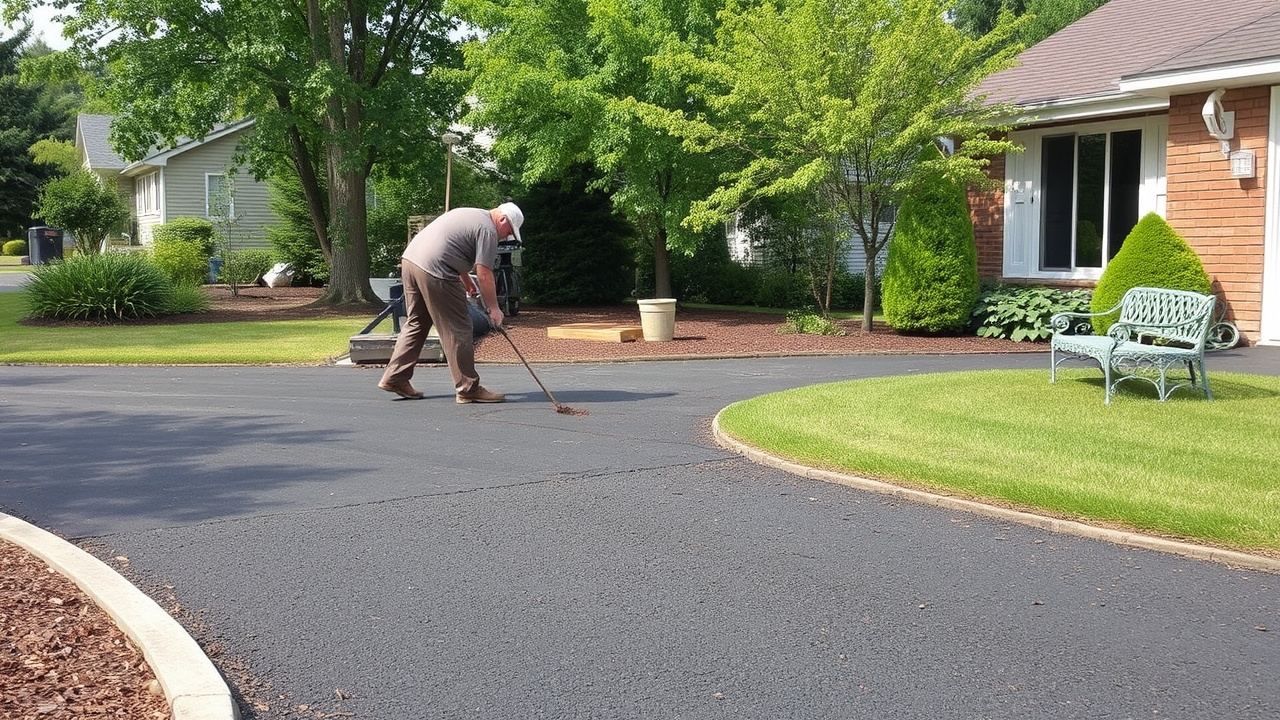
You’re trying to determine the lifespan of a product, and you’ll need to take into account its age, as it’s a key factor in deciding whether to repair or replace it.
You’ll also assess the quality of its parts, which can greatly impact how long it lasts, and you shouldn’t overlook the usage rate, as it can substantially affect the product’s overall lifespan.
Product Age
Determining a product’s lifespan can be a critical factor in deciding whether to repair or replace it, and this process often starts with evaluating its age. You’ll consider the product’s warranty status and whether it’s still under warranty.
If it’s an older item, you might think about its collectible value. You’re trying to figure out if it’s worth fixing or not.
Check the product’s age and condition to make a decision. If it’s old and worn out, replacing it might be the best option.
Consider these factors to decide what to do with your product. Evaluate its age carefully.
Part Quality
Considering a product’s age is just the starting point, and it’s also important to assess the quality of its parts. You’ll want to evaluate the material sourcing and component compatibility.
| Factor | Impact |
| Material | Durability |
| Sourcing | Quality |
| Compatibility | Performance |
| Maintenance | Longevity |
| Support | Reliability |
You consider these factors to determine a product’s lifespan.
Usage Rate
How often do you use a product, and what impact does that have on its lifespan? You determine a product’s lifespan by considering your usage rate.
Different user demographics, such as age and income, affect usage rates. Geographic distribution also plays a role, as climate and culture influence how often you use a product.
You should consider these factors to estimate a product’s lifespan and decide whether to repair or replace it. By analyzing your usage rate, you can make an informed decision that saves you time and money in the long run, based on your specific needs.
Factors To Consider When Deciding To Repair Or Replace
When you’re faced with a broken item, whether it’s a household appliance or a critical system in your home, you’ll need to weigh your options carefully. You consider warranty coverage and downtime implications.
| Factor | Description |
| Cost | Repair cost vs replacement cost |
| Time | Repair time vs replacement time |
| Quality | Repair quality vs replacement quality |
| Coverage | Warranty coverage for repair or replacement |
| Impact | Downtime implications for repair or replacement |
You must think about these factors to make an informed decision.
What Are The Environmental Impacts Of Repair And Replacement?
As you weigh the decision to repair or replace, it’s essential that you think about the environmental impacts of each option. You’ll want to take into account how each choice affects your carbon footprint. Repairing an item typically reduces waste and minimizes the need for new, resource-intensive materials.
On the other hand, replacing an item often means disposing of the old one, which can lead to landfill waste. However, some replacement options allow for landfill diversion through recycling programs.
Comparing The Long-Term Savings Of Repair And Replacement
While considering the financial implications of your decision, you’ll find that repairing an item can be more cost-effective in the long run, since it lets you extend the life of something you already own. You can also take advantage of tax incentives for repairs, which can help reduce your expenses.
Additionally, repairing an item can maintain its resale value, as it shows you’ve taken care of the item. When you replace an item, you’ll likely need to purchase a new one, which can be more expensive.
Repairing can save you money upfront and in the long term. By choosing to repair, you’re making a financially savvy decision that can benefit you in the long run, and you won’t have to worry about the initial costs of buying something new.
This helps you save money and make the most of your investment.
Making An Informed Decision: Weighing The Pros And Cons
You’ll need to weigh the pros and cons of repair vs replacement carefully, considering factors like cost, efficiency, and environmental impact, to make an informed decision that suits your needs.
When it comes to decision psychology, you should consider your personal preferences and priorities.
Think about what matters most to you – is it saving money or reducing waste?
Time convenience is also an important aspect, as repairs can be time-consuming, while replacements may offer a quicker solution.
By evaluating these factors, you’ll be able to make a choice that aligns with your values and lifestyle.
Ultimately, taking the time to weigh your options will lead to a more informed decision, allowing you to choose the best approach for your specific situation and needs.
This thoughtful approach will serve you well in making a decision.
Frequently Asked Questions
Can I Repair It Myself?
You can repair it yourself, but you’re taking safety precautions, and it may void your warranty, so consider that impact before attempting the fix, you might save money, but risk more.
How Often Should I Maintain Items?
You should maintain items regularly, following manufacturer guidelines and conducting seasonal inspections, to extend their lifespan and prevent costly repairs, saving you time and money in the long run always.
Is DIY Repair Cost-Effective?
You’ll save money with DIY repair if you factor in opportunity costs and tool amortization, making it cost-effective when you consider the long-term benefits of reusing and maintaining your items regularly.
Are Refurbished Items Reliable?
You’ll find refurbished items are reliable if they come with warranty coverage and pass rigorous testing protocols, giving you peace of mind that they’ll function properly, and you won’t regret buying them.
Can I Recycle Old Items?
You can definitely recycle old items, and it’s beneficial, as upcycling benefits the environment and promotes landfill diversion, reducing waste while conserving resources, it’s something you’re doing correctly.
Final Thoughts
Choosing between repair and replacement comes down to making a smart, informed call based on total cost, expected lifespan, and long-term value—not just the quickest fix. Minor issues caught early are often more economical to repair, while widespread damage, recurring failures, or a surface that’s already near the end of its service life may make replacement the better investment. The goal is to avoid “temporary fixes” that keep returning and instead choose the option that protects your property, improves performance, and reduces future maintenance costs.
If you’re deciding whether your pavement can be restored or needs a fresh start, Parkway Paving LLC can help you weigh the most cost-effective path forward. From protective maintenance like asphalt sealcoating to revitalizing worn surfaces with asphalt resurfacing, their team can recommend the right solution based on your site conditions and goals. For full replacements or new installations, explore residential asphalt paving, asphalt driveway paving, and commercial options like commercial asphalt paving and parking lot paving. To get a professional assessment and a clear plan, reach out through the Parkway Paving LLC Contact page or learn more about the company on the About Us page.