
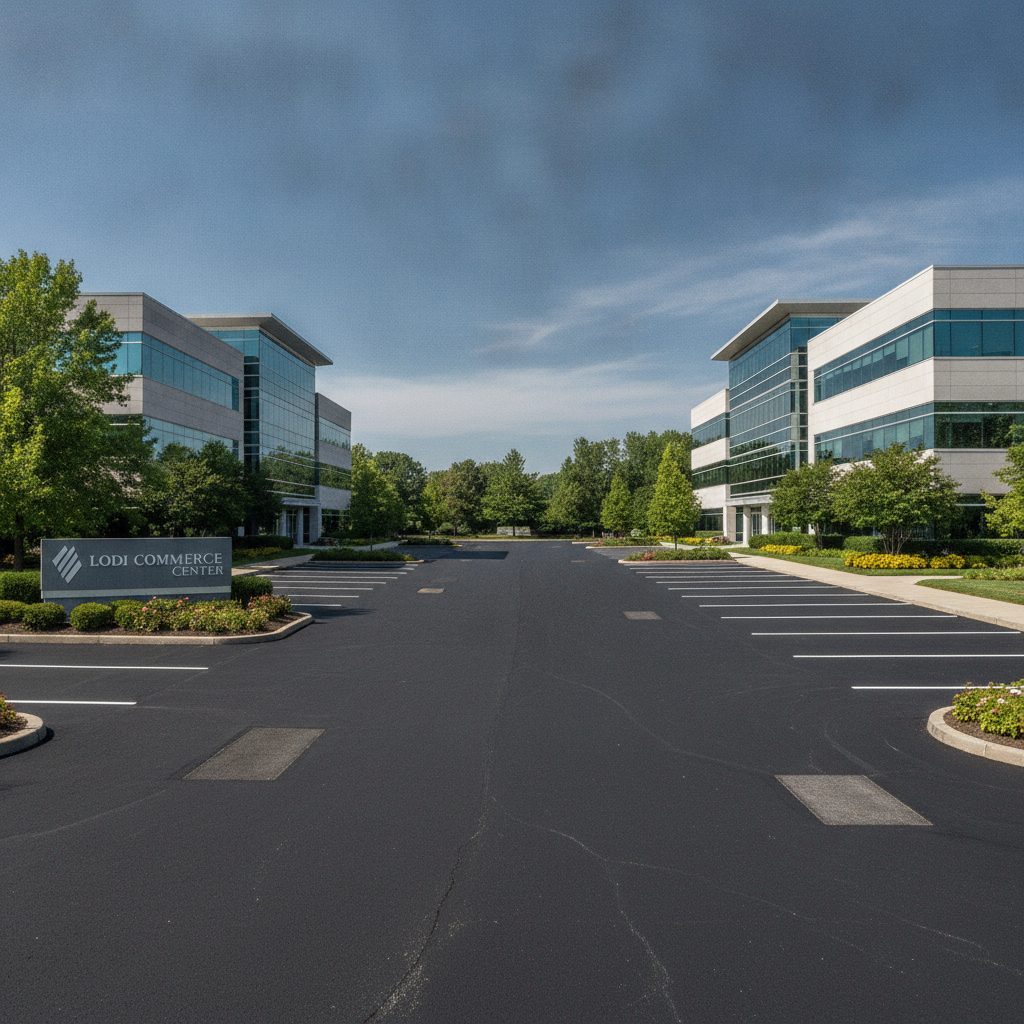
Every business owner knows that a customer who gets hurt on your property can turn a normal Tuesday into a legal headache. What many overlook is how often the culprit is something as ordinary as a pothole, a lifted crack edge, or a puddle that never drains. For commercial properties, timely asphalt repair Lodi NJ owners schedule before problems escalate is one of the most practical risk management moves available, and it costs far less than a claim, a deductible, or a damaged reputation.
Parking lots and drive aisles are among the most heavily used parts of any commercial site. Customers, employees, delivery drivers, and visitors cross them every day, often while distracted by phones, packages, or children. When the surface deteriorates, the property owner is generally expected to have noticed and addressed it within a reasonable time. That expectation is what turns a small maintenance item into a liability question.
This guide walks through how pavement defects create exposure, which problems deserve priority, how to document your maintenance efforts, and how to build a simple repair rhythm that protects people and your bottom line. Whether you manage a single storefront or a multi-tenant plaza, the goal is the same: fewer hazards, fewer surprises, and a lot more peace of mind.
Why Pavement Defects Become Liability Problems
Liability tends to follow foreseeability. If a hazard has existed long enough that a reasonable owner should have seen it, and someone gets hurt, the question becomes why it was not fixed. Pavement is unusual because the defects are visible, gradual, and well understood. A crack does not appear overnight and become a trench by morning. It grows over seasons, which means the window to act is wide, and so is the expectation that you will use it.
Think about how injuries actually happen on commercial lots. Someone steps off a curb into a depression and twists an ankle. A shopping cart wheel catches a raised seam and tips. A delivery driver hits a pothole and jolts a load. A vehicle’s tire is damaged and the owner looks for someone to blame. None of these events requires a dramatic failure, only a surface that is slightly worse than people expect. Repairing defects early removes the conditions that make those claims possible.
The Most Common Hazards on Commercial Asphalt
Not every flaw carries the same risk. Knowing which ones matter most helps you spend repair dollars where they protect people first. The usual suspects include potholes, alligator cracking that breaks the surface into small interlocking pieces, raised or sunken sections near utility covers, crumbling edges along curbs, and faded or missing striping that leaves drivers guessing about traffic flow.
Potholes are the obvious offender because they can damage vehicles and cause falls. Subtle height differences between adjacent surfaces are often more dangerous for pedestrians, since people simply do not look down at a quarter inch of lip. Standing water adds another layer, hiding defects and creating slick patches, especially in cold weather when it freezes. If you walk your property with a pedestrian’s eyes instead of a driver’s, you will spot the problems that cause most real incidents. Working with an Asphalt Repair Company in Lodi, NJ can help you identify which of these issues are present and which deserve action first.
How Seasonal Weather Accelerates the Damage
The Northeast is hard on pavement. Water seeps into small cracks, freezes, expands, and pries the surface apart. When temperatures rise, the ice melts and leaves a void, and traffic compresses the weakened area into a pothole. Repeat that cycle through a few winters and a hairline crack becomes a hazard.
Summer brings its own stress. Heat softens asphalt, and heavy vehicles can rut or shove the surface, particularly in turning areas and loading zones. Sun and oxidation dry out the binder over time, making the pavement brittle and more prone to cracking. Because these forces work continuously, the practical lesson is to inspect after major weather events, not just once a year. A quick walk after the spring thaw and again before winter closes in catches most of what seasonal stress has caused, and it gives you a chance to act while repairs are still simple and inexpensive.
What Timely Asphalt Repair Lodi NJ Property Managers Can Count On
Fast, appropriately scoped repairs are the heart of a defensible maintenance program. Small fixes such as crack sealing, pothole patching, and localized surface repairs can usually be completed with limited disruption, often without closing an entire lot. Delay is what turns these modest jobs into large ones, because water and traffic keep working on the damage until the base underneath fails.
Choosing an experienced contractor matters as much as the timing. A reliable crew will assess whether a defect is cosmetic, structural, or a sign of a drainage problem, and then recommend the right fix rather than a quick cover-up. For property owners seeking commercial paving and repair support, Parkway Paving LLC offers services designed for business sites. The key is to treat repairs as routine upkeep, scheduled on your terms, instead of emergency work forced by an incident or an angry tenant.
Building a Simple Inspection Routine
You do not need a complicated system to stay ahead of problems. A consistent walk-through, done by the same person on a regular schedule, is far more valuable than an occasional deep dive. Start at the entrances, since those areas see the most traffic, then work through parking rows, drive aisles, loading zones, and the transitions between pavement and sidewalks.
Carry a phone and take dated photos of anything that looks questionable. Note the location, the approximate size, and whether it is getting worse. Pay special attention to areas where water collects, edges that are crumbling, and any spot where one surface meets another at a different height. If you also manage a residence or a mixed-use property, the same habits apply, and for residential surfaces you can click here to see what is involved. The goal is a short, repeatable checklist that anyone on your team can follow without special training.
Prioritizing Repairs by Risk Level
Budgets are finite, so a clear way to rank problems keeps spending sensible. The table below offers a general framework for thinking about common defects. Treat it as a starting point, since the right call always depends on the specific condition and location on your property.
| Defect | Primary Risk | Suggested Priority |
|---|---|---|
| Open pothole | Vehicle damage and falls | Immediate |
| Raised or sunken edge near walkway | Trips and stumbles | High |
| Alligator cracking | Surface breakup and base failure | High |
| Standing water | Slips, ice, hidden defects | Moderate to high |
| Linear cracks | Water entry and growth | Moderate |
| Faded striping | Traffic confusion | Routine |
Documentation That Protects You
Good records are one of the most underrated tools in risk management. If an incident ever occurs, being able to show that you inspected regularly, identified issues, and acted promptly can make a meaningful difference in how the situation is viewed. Memory fades and staff turn over, but dated photos and written logs stay put.
Keep a simple file for each property that includes inspection dates, photos, repair requests, contractor invoices, and before and after images of completed work. Save estimates too, since they show you sought professional guidance. If you ever postpone a repair for budget reasons, note why and what interim steps you took, such as coning off a hazard or marking it clearly. This is not about creating paperwork for its own sake. It is about being able to demonstrate reasonable care, which is the standard that matters most when questions arise.
Temporary Safety Measures While You Wait
Sometimes a repair cannot happen right away. A contractor may be booked, a tenant may need to approve the timing, or weather may prevent proper installation. In those gaps, interim protection keeps people safe and shows good faith.
Cones, barricades, and bright paint can redirect foot and vehicle traffic away from a hazard. Signage warning of uneven pavement helps, though it should supplement a fix and never replace one. Cold patch material can serve as a short-term fill for potholes, although it generally is not a lasting solution. Reroute accessible parking and walkways first, since people with mobility challenges face the greatest danger from surface irregularities. Make sure staff know about the temporary measures and who to contact if conditions change, so a known hazard never sits unattended and unprotected.
Insurance, Tenants, and Shared Responsibility
Pavement upkeep often involves more than one party. Landlords, tenants, management companies, and insurers may all have a stake, and unclear responsibilities are a common source of delay. Review your lease language so you know who handles parking lot maintenance, who pays, and how requests are submitted and tracked.
Talk with your insurance agent about what documentation they value and whether proactive maintenance can support your coverage conversations. Insurers generally prefer properties that demonstrate consistent care, and a clean maintenance record can help when questions come up. For multi-tenant sites, consider a shared communication channel where tenants can report hazards quickly. The faster a concern reaches the person who can authorize a repair, the less time a defect has to cause harm. Clear lines of responsibility turn good intentions into actual results.
Repair, Resurface, or Replace: Making the Call
Not every damaged lot needs the same remedy. Isolated problems on otherwise sound pavement are usually best handled with targeted patching and sealing. When wear is widespread but the base is healthy, resurfacing can renew the surface for less than a full rebuild. When the foundation itself has failed, patching just wastes money because the same problems return.
A useful rule of thumb is to compare the cumulative cost of repeated repairs against the cost of a more thorough fix. If you are patching the same areas year after year, the underlying cause is probably not being addressed. A professional evaluation can sort this out by checking drainage, base conditions, and the pattern of cracking. The most economical choice is rarely the cheapest line item today. It is the approach that keeps the surface safe over the long run with the fewest interruptions to your business.
Protecting Your Investment After the Work Is Done
A repair is only as good as the care that follows. Fresh patches and sealed cracks need time to cure, and early traffic can compromise them. Keep vehicles off treated areas for the period your contractor recommends, and use barriers where needed so customers do not wander across wet material.
Over the longer term, simple habits extend the life of the work. Keep drains clear so water leaves the surface, sweep debris that traps moisture, and address new cracks while they are still narrow. Heavy trucks turning sharply can scuff and shear pavement, so consider where deliveries stop and how they maneuver. If you maintain a mix of commercial and residential surfaces, the guidance in How to Protect a Newly Paved Asphalt Driveway in Lodi, NJ offers helpful principles that apply to new work generally.
Choosing the Right Surface Material for Your Site
Material choices influence how often you will need repairs and how easily surfaces can be maintained. Asphalt is popular for commercial lots because it is flexible, quick to install, and relatively simple to patch. Alternatives like pavers carry different tradeoffs in cost, appearance, and upkeep, and understanding them helps you plan realistically.
For lots, drive aisles, and loading areas, asphalt’s ability to flex under temperature swings is a real advantage in a climate with freeze and thaw cycles. Decorative areas near entrances may justify other materials where appearance matters most. Whatever you choose, quality installation and proper drainage matter more than the product itself. A well-built surface with a sound base will outperform a premium material installed over a weak foundation, and that is a good principle to keep in mind whenever you weigh options.
Your Next Steps
Reducing liability on a commercial property does not require a dramatic overhaul. It comes down to noticing problems early, fixing them promptly, and keeping a record that shows you cared enough to try. Potholes, uneven edges, standing water, and crumbling surfaces are all predictable, which also means they are all preventable with a little attention and a reasonable schedule.
Start this week by walking your property with a critical eye and taking photos of anything questionable. Rank what you find by how likely it is to hurt someone, address the highest risks first, and put interim protections in place where a permanent repair has to wait. Build a regular inspection routine, confirm who is responsible for what in your leases, and keep your documentation organized. If your lot already shows signs of widespread wear, ask a qualified contractor for an honest assessment so you can choose between patching, resurfacing, or something more substantial.
The payoff is bigger than avoiding a claim. A safe, well-kept surface tells customers and tenants that you run a careful operation, and that impression supports everything else your business does. Staying ahead of pavement problems is a modest, steady investment that protects people, preserves your property, and keeps small repairs from becoming expensive emergencies.