
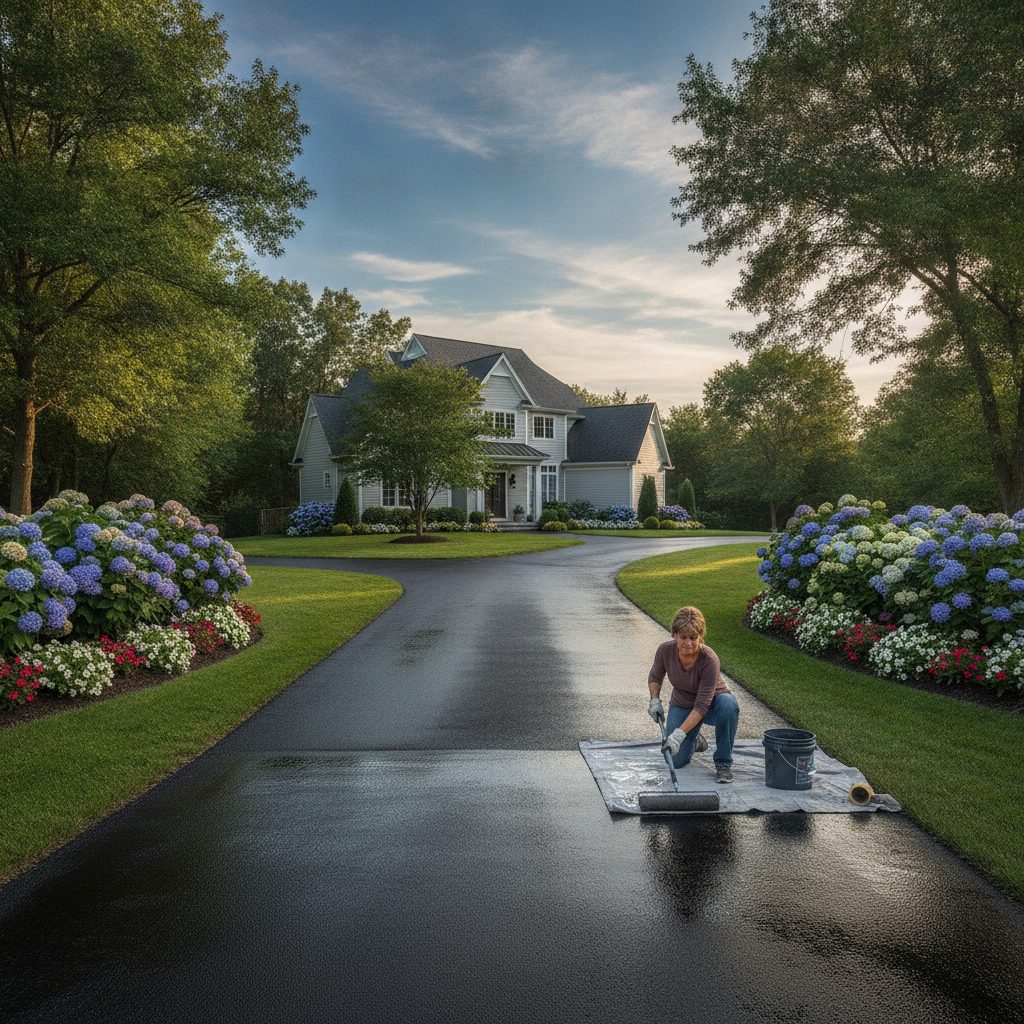
A brand new driveway has a way of making a whole property look sharper. The surface is deep black, the edges are clean, and the whole front of the house feels finished. What many homeowners do not realize is that the first few weeks after installation decide how that surface will behave for the next fifteen or twenty years. Fresh asphalt is not fully cured on day one. It is still soft, still releasing oils, and still gaining the strength it needs to carry real weight without marking. Anyone who has invested in residential asphalt paving in Lodi NJ owes it to that investment to treat the early days with a little patience and a clear plan.
The good news is that protecting a new driveway does not require special equipment or a big budget. It mostly requires knowing what to avoid, what to watch for, and when it is safe to go back to normal routines. In this guide, we walk through the curing timeline, the everyday habits that cause the most damage, seasonal concerns, and the long game of sealing and maintenance. Whether you are a homeowner, a landlord with a small rental property, or a small business owner with a short private drive, the same basic principles apply. Think of the next few weeks as an investment of attention that pays back for years.
Why the First Weeks Matter So Much
Hot mix asphalt is a blend of aggregate stone and a petroleum based binder. When it is laid, it is hot and flexible, and it hardens as it cools and the binder stiffens. That process takes far longer than most people expect. The surface may feel firm within a day or two, but the layers beneath can stay warm and pliable for much longer, especially during summer heat. During this window, the pavement is vulnerable to indentations, scuffs, and tire twisting that can leave permanent marks.
Good asphalt driveway care starts with understanding this simple fact. The pavement is gaining strength every day, and what you do early either protects that process or interrupts it. A little caution now prevents the kind of cosmetic damage that otherwise stays visible for the life of the driveway.
A Realistic Curing Timeline to Follow
Every installation is a little different, and your paving crew should give you guidance specific to your driveway. As a general rule of thumb, stay off the surface completely for at least a few days, and avoid heavy loads for a good while after that. Warm weather slows curing because the material stays soft longer, while cooler weather can speed up the initial firming but may make it more brittle in other ways.
Treat the first week as a no traffic zone for anything beyond the lightest foot use, and ask your contractor when it is safe to bring vehicles back. Park on the street or a neighbor’s driveway if you need to, and let family members know the plan ahead of time. The table below gives a general picture of how to think about the stages. Always defer to the specific timing your installer recommends, since mix design, thickness, and weather all change the answer.
| Stage | What to Do | What to Avoid |
|---|---|---|
| First few days | Keep all vehicles off and block the entrance | Walking with heels, pets, bikes, and toys |
| First two weeks | Light vehicles only, parked in varied spots | Sharp turns while stopped, kickstands, jacks |
| First month | Rinse off debris and watch for soft spots | Heavy trucks, deliveries, and equipment |
| Following months | Resume normal use and plan for sealing | Harsh chemicals and unsealed edge damage |
Parking Habits That Prevent Dents and Ruts
Once you are cleared to drive on the surface again, how you park matters more than most people think. A vehicle sitting in the exact same spot day after day concentrates its weight on four small patches of pavement, and in warm weather those patches can slowly sink. Rotate where you park, even by a foot or two, during the first couple of months. If you have more than one vehicle, swap their positions regularly.
Never turn the steering wheel while the car is stationary. That motion grinds the tire tread against soft asphalt and leaves scuffs and torn patches that look like tiny crescent shaped gouges. Instead, keep the car rolling slightly as you steer. The same goes for motorcycle kickstands and trailer jacks, which concentrate weight on a point as small as a coin. Place a wide piece of plywood under them if you must use them, and you will avoid the pockmarks that so often show up on young driveways.
Protecting the Edges and Shoulders
The edges of a new driveway are its weakest point. Unlike the center, the outer few inches have no pavement beside them to hold them in place, so they can crumble if a tire drops off the side. In the first months, keep wheels well inside the visible edge, and avoid using the edge as a turning pivot. Lawn equipment, delivery vehicles, and visitors who are not aware of the new surface are common causes of early edge breakage.
Adding soil or gravel along the sides, once your installer says it is appropriate, gives the pavement edge support and helps stop it from spreading outward under load. If you notice small breaks forming, do not wait for them to grow. A prompt look from an Asphalt Repair Company in Lodi, NJ can often stabilize the area with a quick, inexpensive fix before water gets in and turns a minor chip into a larger problem.
Keeping Oil, Gas, and Chemicals Off the Surface
Asphalt is made from petroleum, which means petroleum products can dissolve it. A small drip of motor oil, gasoline, or diesel can soften the binder and leave a dull, sticky stain that grows over time. New pavement is especially sensitive because it has not yet developed the toughness of a seasoned surface. If you notice an older vehicle leaking, place a drip pan or a flattened cardboard box beneath it until the repair is made.
Clean any spill right away. Blot it with absorbent material such as cat litter or sawdust, let it soak up the liquid, and sweep it away. Avoid harsh solvents, which can do more harm than the original spill. Be cautious with lawn and garden products too, since concentrated fertilizers, weed killers, and some de-icing products can stain or weaken the surface. A gentle rinse with plain water and a soft broom handles most routine cleanup.
Water, Drainage, and What Happens Underneath
Water is the quiet enemy of every paved surface. Even the best installed driveway can suffer if rain pools on it or runs underneath it. After your paving is complete, take a walk outside during the next rainstorm and watch where the water goes. It should flow off the surface and away from the house without lingering. Standing water that sits for hours or days is a sign that something needs attention.
Keep gutters and downspouts directing water away from the driveway edges, and make sure nearby landscaping does not wash soil or mulch onto the pavement. Debris holds moisture against the surface, and that moisture encourages weeds and softens the binder. Learning about the Common Mistakes That Shorten the Life of Asphalt Driveways in Lodi, NJ is a smart way to avoid the habits that let water do long term harm.
Summer Heat and Winter Cold Considerations
New Jersey weather swings from hot, humid summers to freezing winters, and a young driveway has to survive both. In summer, pavement can get hot enough to stay soft for a long time, so be extra careful about parking in the same spot and about dragging anything heavy across the surface. A garden hose rinse in the late afternoon can take the edge off the surface temperature, though it will not fully cure the pavement any faster.
In winter, the main concerns are plows, shovels, and de-icing products. Use a plastic shovel or a plow with a protective shoe, and raise the blade slightly so it does not scrape the surface. Be careful with salt based de-icers during the first winter, since the pavement is still maturing. Sand provides traction without chemistry. When temperatures swing above and below freezing, water in tiny surface pores expands and contracts, so keeping the surface clear and well drained is the best defense.
Cleaning and Light Maintenance Routines
You do not need fancy products to keep a driveway looking its best. A soft push broom and a garden hose handle most of what the surface will ever need. Sweep away leaves, grass clippings, and loose gravel regularly, because trapped debris can hold moisture and leave marks. Avoid pressure washers during the first months, since a strong jet can strip away fine material from the surface before it has fully bonded.
Weeds are another thing to watch. Seeds can land in any tiny gap, and roots will exploit the smallest opening. Pull them while they are small, and do not use harsh herbicides on the pavement itself. Pay attention to the color too. A slight fading from jet black to a softer charcoal over the first year is completely normal and does not mean anything is wrong. It simply reflects the surface oils weathering away as the pavement matures.
When and Why to Seal a New Driveway
Sealcoating is a thin protective layer that shields asphalt from sun, water, and chemicals. Applying it too soon can trap oils and interfere with curing, so most professionals suggest waiting several months to a year before the first coat. Ask your installer what timing fits your mix and the season in which it was laid. After that, a coat every few years is a common rule of thumb, though the right schedule depends on traffic and exposure.
Sealing is not a cure all. It will not fix structural problems or hide deep cracks, and it works best on a surface that is already in good shape. Think of it as sunscreen for your pavement. It slows oxidation, keeps the color richer, and makes spills easier to clean. Before sealing, make sure the surface is clean and any small cracks have been filled, so the coating bonds well and lasts as long as it should.
Spotting Early Warning Signs
Catching a small issue early is far cheaper than fixing a big one later. Walk your driveway every month or two and look for hairline cracks, low spots where water collects, crumbling edges, and rough patches where stones are coming loose. A few tiny surface cracks in the first year can be normal as the pavement settles, but anything that widens, branches, or leaves a visible gap deserves a closer look.
Take photos each season so you can compare changes over time. Note the location of anything unusual, and mention it to your contractor, since many reputable installers stand behind their work for a period after installation. Early cracks can often be filled with a flexible sealant that keeps water out, extending the life of the surface significantly. Ignoring them, on the other hand, lets moisture seep into the base, where it can cause settling and larger failures that are much more costly to correct.
Guests, Deliveries, and Everyday Traffic
One of the trickiest parts of protecting a new driveway is managing other people. Visitors may not realize the pavement is young, and delivery drivers rarely think twice about where they stop. Consider placing a simple sign or a pair of cones at the entrance during the early weeks, and let neighbors, family, and regular service providers know the plan in advance.
Heavy vehicles deserve special attention. Moving trucks, dumpsters, concrete mixers, and landscaping equipment can leave deep marks or even crack the base if they arrive too soon. If you have a project coming up, schedule it either before the paving work or well after the pavement has had time to mature. For a small business owner with a short private drive, the same logic applies to supply deliveries. Direct trucks to a different spot when possible. For larger properties with broader needs, click here to see how commercial projects approach these questions at a bigger scale.
Your Next Steps
Protecting a freshly paved driveway comes down to a handful of simple habits. Stay off the surface until your installer says it is ready, vary where you park, steer only while rolling, and keep fuel, oil, and harsh chemicals away from the pavement. Watch the edges, manage water carefully, and avoid heavy loads during the early months. These small choices are easy to follow, and together they make a real difference in how the driveway looks and performs over the years.
Beyond the first few weeks, think of your driveway as a long term asset that rewards consistent attention. Sweep it regularly, fill small cracks early, and plan for sealcoating at the right time. If something looks off, ask a qualified local professional to take a look rather than hoping it goes away. A short conversation and a small repair almost always cost less than waiting. With patience now and a steady routine later, your investment in residential asphalt paving in Lodi NJ can stay smooth, dark, and dependable for many years to come. The effort is modest, the payoff is large, and your property will show it every time you pull into the driveway.
One Response