
To fill cracks in your parking lot effectively, start by selecting durable, weather-resistant materials like asphalt sealant or rubberized fillers. Next, make sure to prepare the surface well; clean it thoroughly and check temperatures for the best results. Finally, apply the filler with the right techniques—use a caulking gun for precision. By mastering these steps, you can keep your parking lot in top shape and learn more about ongoing maintenance strategies.
Key Takeaways
- Choose Durable Materials: Opt for asphalt sealant or rubberized fillers that resist moisture and UV damage for long-lasting repairs.
- Prepare the Surface: Clean thoroughly using a wire brush and pressure washer to ensure effective adhesion of the filler.
- Follow Temperature Guidelines: Apply materials when temperatures are between 50°F and 90°F for optimal curing and bonding.
- Use Proper Application Techniques: Select the right method for crack size, using pourable sealant for small cracks and a caulking gun for precision.
- Implement Regular Maintenance: Schedule inspections and seal repairs to protect against moisture and prolong the lifespan of the parking lot.
Select Durable and Weather-Resistant Crack Filling Materials
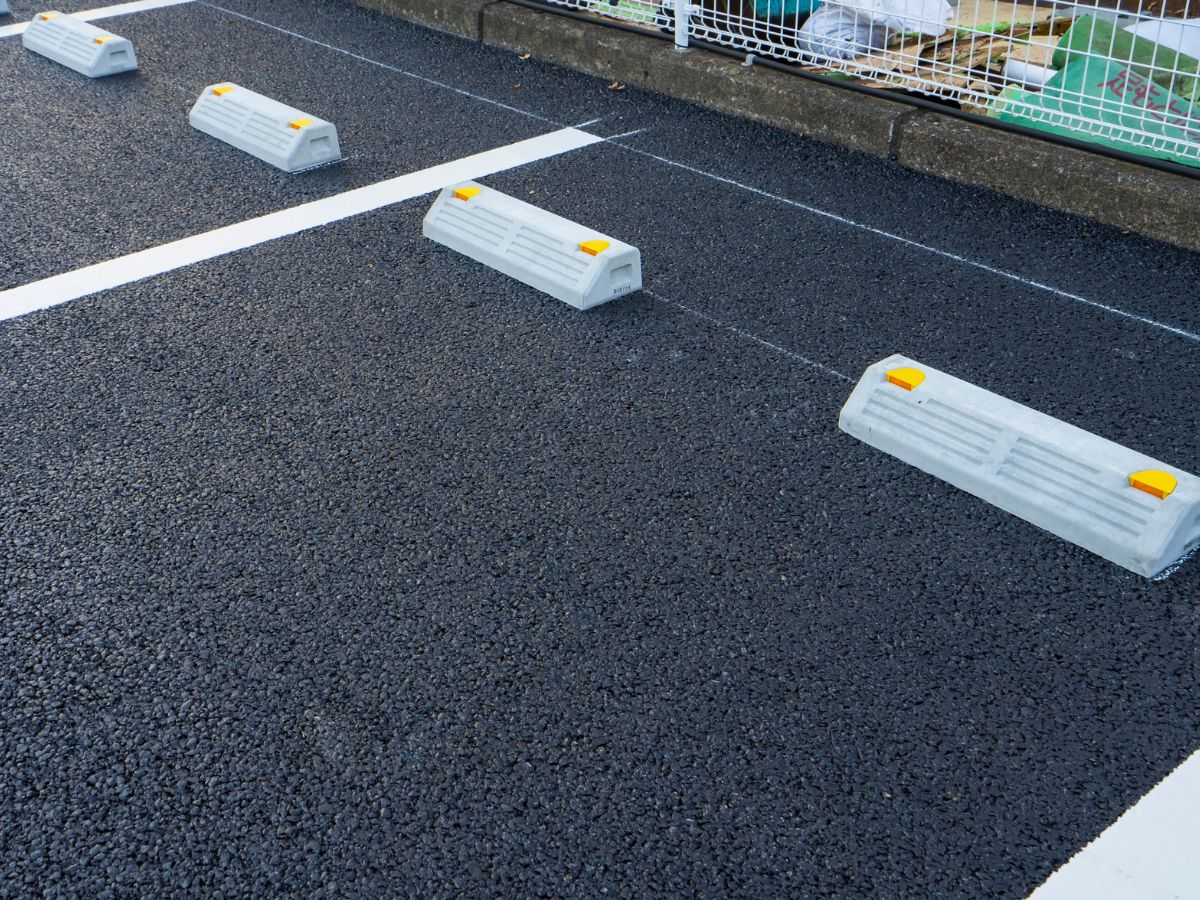
When you’re tackling crack filling in parking lots, choosing the right materials is essential for long-lasting results.
You’ll want to evaluate various material types, such as asphalt sealant or rubberized crack filler, which can withstand different weather conditions. For instance, if you live in an area with extreme temperatures, opt for a flexible material that won’t become brittle in the cold or soften in the heat.
Additionally, look for products specifically designed for your climate; some fillers are formulated to resist moisture and UV damage.
How to Properly Prepare Your Surface for Crack Filling?
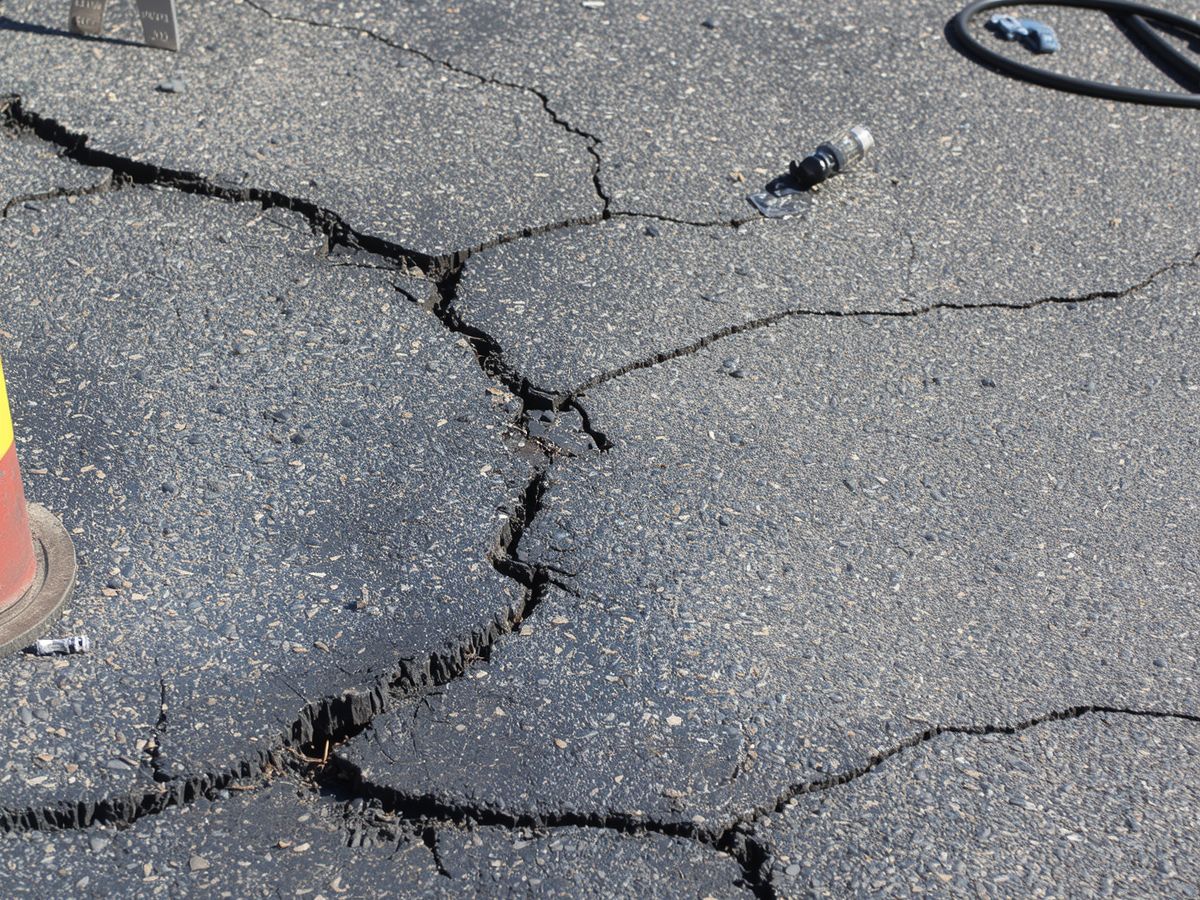
Selecting durable, weather-resistant materials sets the stage for effective crack filling, but preparation is just as important. Start with thorough surface cleaning to verify the area is free from dirt, debris, and oils. Using a wire brush or pressure washer can help remove stubborn elements.
Next, consider temperature considerations; cracks should ideally be filled when temperatures are between 50°F and 90°F. This guarantees that materials adhere well and cure properly.
Here’s a quick reference table to guide you:
| Step | Tool/Method | Notes |
| Surface Cleaning | Wire Brush | Remove loose debris |
| Pressure Washer | For stubborn dirt | |
| Temperature Check | Thermometer | Verify it’s within range |
| Crack Inspection | Visual Check | Identify all cracks |
| Material Preparation | Follow Manufacturer’s Instructions | Verify proper mixing |
Application Techniques for Effective Crack Filling
To achieve a lasting repair, mastering application techniques for crack filling is essential. Start by selecting the right crack filling method based on the size and type of crack. For smaller cracks, consider using a pourable sealant, while larger cracks may require a more robust solution.
Before applying, confirm the area is clean and dry to promote adhesion. Use a caulking gun for precision, allowing you to fill the crack evenly without overfilling. After application, smooth the surface with a trowel or putty knife, ensuring the sealant bonds well.
Follow up with proper sealing techniques to protect your repair from moisture and debris. This proactive approach will prolong the life of your parking lot and reduce future maintenance needs.
Frequently Asked Questions
How Often Should I Inspect My Parking Lot for Cracks?
You should inspect your parking lot for cracks at least twice a year. Different crack types can develop, so regular inspection frequency helps you catch issues early and maintain a safe, attractive surface.
Can I Fill Cracks During Winter Months?
Yes, you can fill cracks during winter months, but consider winter weather conditions. Use crack filling techniques specifically designed for low temperatures to guarantee proper bonding and longevity, helping prevent further damage in your parking lot.
What Are the Costs Associated With Crack Filling?
The costs associated with crack filling depend on cost factors like labor, material options, and the size of the cracks. You’ll need to budget for high-quality materials to guarantee long-lasting results and effective repairs.
Do I Need a Professional for Crack Filling?
You don’t need a professional for crack filling; DIY techniques can work well. However, hiring one offers advantages like expertise and efficiency, ensuring a longer-lasting repair that saves you time and potential future costs.
How Long Does Crack Filling Last Before Needing Reapplication?
Crack filling typically lasts 1 to 3 years, depending on crack types and sealant options. Regular maintenance helps extend the lifespan, so keep an eye on your surfaces and reapply when necessary to prevent further damage.
Final Thoughts
Keeping your parking lot in good condition starts with the right crack filling approach, and those small repairs can make a big difference in the long-term performance and appearance of your pavement. At Parkway Paving LLC, we help property owners protect their surfaces with dependable solutions designed to extend pavement life and reduce future repair costs. Whether you need expert support for parking lot paving, added protection through asphalt sealcoating, or a larger surface upgrade with asphalt resurfacing, our team is ready to deliver quality workmanship you can trust. If your lot is showing signs of cracking or wear, contact Parkway Paving LLC today to schedule your next service and keep your pavement looking its best.