
To keep your asphalt in top shape during winter, start by inspecting for cracks and sealing them to prevent water damage. Next, sealcoat your surfaces before the cold hits; it creates a protective barrier against harsh weather. Finally, use safe snow removal techniques by angling your shovel and avoiding harsh chemicals like rock salt. These steps will help minimize costly repairs. Stick around to uncover more tips for maintaining your asphalt this winter season!
Key Takeaways
- Regularly inspect asphalt for cracks and damage to catch issues early and prevent costly repairs.
- Seal identified cracks with specialized sealant to prevent water infiltration before winter weather.
- Apply sealcoating to protect asphalt surfaces from harsh winter conditions and enhance appearance.
- Use proper snow removal techniques, angling shovels to avoid scraping and damaging the surface.
- Maintain a consistent maintenance routine, including debris removal, to ensure asphalt longevity throughout winter.
Essential Asphalt Maintenance: Inspect and Repair Cracks
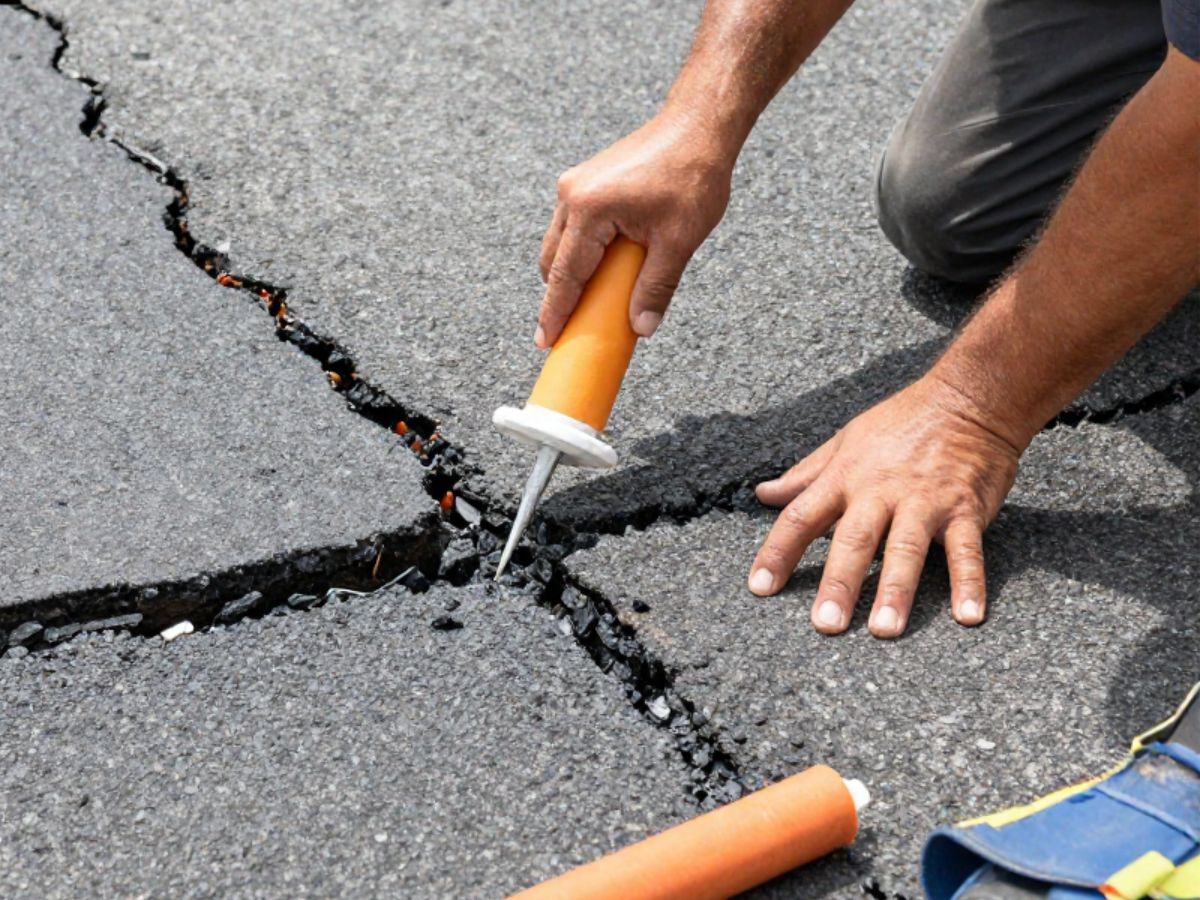
To keep your asphalt in top shape during winter, start by inspecting for cracks. These openings can allow water to seep in, freeze, and expand, leading to more significant damage.
So, grab a flashlight and check for any visible cracks, no matter how small they may seem. Once you’ve identified them, it’s time for crack sealing. This process involves filling the cracks with a specialized sealant to prevent further deterioration. Ensuring this step is completed before the cold weather hits is essential for winter readiness.
If you notice larger cracks or signs of wear, consider reaching out to a professional for advice. Regular maintenance not only extends the life of your asphalt but also saves you money in the long run.
Why and How to Sealcoat Your Asphalt for Winter Protection

After sealing those cracks, it’s time to think about sealcoating your asphalt. Sealcoating offers several benefits, especially before winter hits. It creates a protective barrier that shields your asphalt from harsh weather, preventing water penetration and freeze-thaw damage.
Sealcoating your asphalt creates a protective barrier against harsh winter weather, preventing costly damage and enhancing its appearance.
This process also enhances the appearance of your driveway or parking lot, giving it a fresh, black finish.
When applying sealcoat, proper techniques are essential. Start with a clean, dry surface; remove debris and any remaining loose materials.
Use a squeegee or a spray applicator for even distribution, working in small sections. Make sure you apply at the right temperature, ideally between 50°F and 90°F.
Allow adequate drying time, typically 24 to 48 hours, to guarantee the best protection.
Safe Snow and Ice Removal Tips
While winter brings the beauty of snow, it also creates challenges for maintaining your asphalt surfaces. To keep your driveways and parking lots in top shape, focus on safe snow and ice removal tips.
Use proper shoveling techniques to avoid damaging your asphalt—angle the shovel rather than scraping straight down. This minimizes stress on the surface.
When dealing with ice, consider using a chemical deicer, but practice chemical safety. Always read the labels and choose products that are asphalt-friendly to prevent deterioration.
Avoid using rock salt, as it can harm your pavement over time.
After snow or ice removal, inspect your asphalt for any cracks or damage. Early detection can save you from costly repairs later on.
With these tips, you can effectively manage winter’s challenges while preserving your asphalt’s integrity!
Frequently Asked Questions
How Often Should I Perform Winter Asphalt Maintenance?
You should perform winter asphalt maintenance at least once before the season starts and check monthly for any damage. This guarantees your pavement’s winter readiness and helps you determine the maintenance frequency needed to keep it intact.
What Materials Are Best for Patching Asphalt in Winter?
For winter patching, use cold weather patching materials like asphalt cold mix or polymer-modified compounds. These winter repair materials bond well in low temperatures, ensuring your patches last until warmer weather arrives.
Can I Sealcoat My Asphalt in Freezing Temperatures?
You shouldn’t sealcoat your asphalt in freezing temperatures. It’s essential to follow temperature guidelines, ensuring the surface stays above 50°F for at least 24 hours post-application, allowing proper adhesion and curing for the sealcoat.
What Are the Signs of Underlying Asphalt Damage?
You’ll notice signs of underlying asphalt damage through cracking patterns, like alligator or linear cracks, and drainage issues, where water pools instead of flowing. These indicate deeper problems needing immediate attention to prevent further deterioration.
How Does Winter Affect Asphalt Lifespan and Durability?
Winter can shorten your asphalt’s lifespan due to temperature fluctuations. These changes cause asphalt cracking, leading to further damage. Regular maintenance helps mitigate these effects and keeps your surface durable through harsh weather conditions.
Final Thoughts
At Parkway Paving LLC, we know that winter weather can take a serious toll on asphalt if it is not properly maintained. Staying ahead of cracks, sealcoating at the right time, and using safe snow and ice removal methods can help protect your surface, extend its lifespan, and reduce the risk of costly repairs when the season is over.
If you want expert help preparing and protecting your pavement, our team is ready to assist with professional asphalt sealcoating, reliable asphalt resurfacing, and trusted commercial asphalt paving and residential asphalt paving services. Contact Parkway Paving LLC today to schedule a consultation and let us help you keep your asphalt protected through winter and beyond.