
When you’re looking for the seven best asphalt milling and reclamation processes, you’ll want to evaluate options like cold milling and hot in-place recycling. These methods not only improve road quality but also enhance durability and sustainability. Cold milling’s great for urban areas, while hot recycling provides quick turnaround times. Each process has unique benefits, like reducing waste and conserving resources. Stick around to uncover more details that’ll help you choose the right method for your project.
Key Takeaways
- Cold Milling: Efficiently removes surface irregularities, providing a smooth finish while allowing for material recycling and minimizing traffic disruption.
- Hot In-Place Recycling: Offers quick turnaround with strong bonding between layers, reducing landfill waste and enhancing road durability.
- Full-Depth Reclamation: Reuses existing materials to address deeper pavement issues, lowering costs and conserving natural resources.
- Microsurfacing: A cost-effective option for surface treatment that improves skid resistance and extends pavement life with minimal traffic impact.
- Chip Sealing: Enhances surface texture and seals cracks, providing a durable and weather-resistant layer while being budget-friendly.
What Is Asphalt Milling and Why It Matters
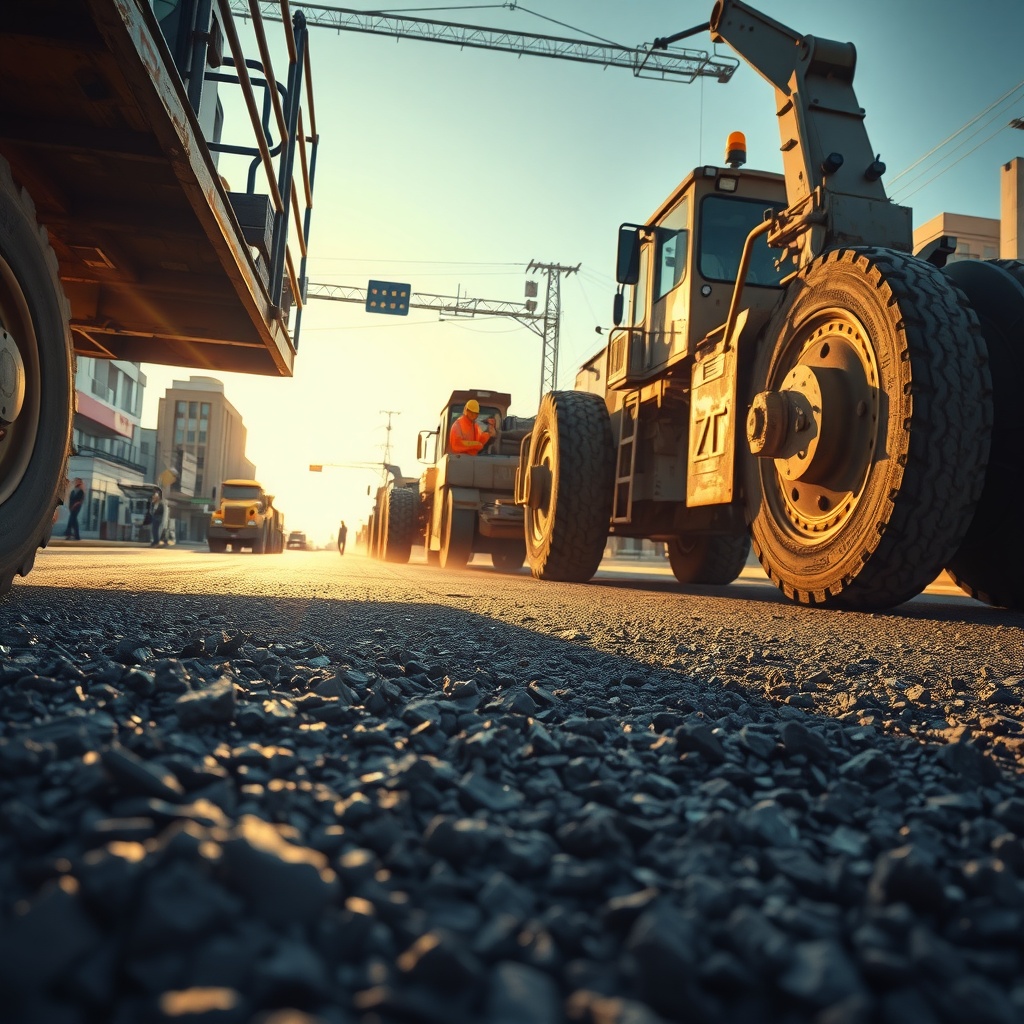
Asphalt milling is an essential process in road maintenance that involves removing the top layer of asphalt from a pavement surface. This technique not only helps to restore the road’s smoothness but also plays a significant role in enhancing asphalt longevity.
By milling away the damaged surface, you can prepare the pavement for a new layer, ensuring better adhesion and durability.
Milling the damaged surface prepares the pavement for new layers, enhancing adhesion and overall durability.
Moreover, asphalt milling has a positive environmental impact. Instead of disposing of the milled material, it can be recycled and reused in new asphalt mixtures. This practice reduces waste and conserves resources, making it a sustainable choice for infrastructure maintenance.
By understanding asphalt milling, you recognize its importance in preserving road quality while minimizing environmental harm.
Benefits of Asphalt Reclamation for Sustainable Infrastructure

While many people may not realize it, asphalt reclamation offers significant benefits for sustainable infrastructure. By reusing existing materials, you can minimize the environmental impact and promote long-term sustainability.
Here are four key advantages:
- Resource Conservation: Reclamation reduces the need for new materials, conserving natural resources and lowering extraction costs.
- Reduced Waste: By recycling asphalt, you divert waste from landfills, contributing to a cleaner environment.
- Lower Emissions: The process typically requires less energy, which means fewer greenhouse gas emissions compared to traditional methods.
- Cost-Effectiveness: Utilizing reclaimed asphalt can lead to lower project costs, making it a financially smart choice for infrastructure projects.
Cold Milling Techniques and Applications
When considering effective methods for pavement maintenance, cold milling stands out as a versatile technique. This process involves removing the top layer of asphalt without heating, allowing for efficient surface preparation.
You’ll find cold milling particularly useful for addressing surface irregularities, cracks, and ruts while preserving the underlying structure.
By utilizing specialized equipment, you can achieve a smooth, even finish, which is essential for ensuring proper drainage and extending the lifespan of the pavement.
Cold milling is also an environmentally friendly option, as it allows for the recycled material to be used in new asphalt mixes.
Whether you’re preparing for a new surface or simply aiming to enhance the existing one, cold milling can greatly improve your project’s outcome.
Plus, it minimizes disruption to traffic, making it ideal for urban settings. Embracing this technique can lead to more reliable and durable roadways.
Benefits of Hot In-Place Recycling for Road Durability
Hot in-place recycling offers numerous advantages for enhancing road durability, especially when you need a cost-effective solution.
Hot in-place recycling is a cost-effective method that significantly enhances road durability and sustainability.
By using hot recycling methods, you can boost road longevity while minimizing environmental impact. Here are some key benefits:
- Cost-Effectiveness: It often costs less than traditional methods since you’re reusing existing materials.
- Quick Turnaround: Hot recycling allows for faster repairs, reducing traffic disruptions.
- Improved Bonding: The process creates a strong bond between layers, enhancing overall road stability.
- Reduced Waste: By recycling existing asphalt, you decrease the amount of material sent to landfills.
What You Need to Know About Full-Depth Reclamation
If you’re looking to restore a severely damaged road, full-depth reclamation (FDR) might be the solution you need. This process uses full depth techniques to recycle the existing asphalt and base material, creating a new, stable road surface. By rejuvenating the existing materials, you enhance the project outcomes considerably, providing a cost-effective and environmentally friendly solution.
Here’s a quick comparison of FDR benefits:
| Feature | Full-Depth Reclamation | Traditional Methods | Cost-Effectiveness |
| Material Recycling | Yes | No | Higher |
| Surface Durability | Improved | Variable | Lower |
| Time Efficiency | Faster | Slower | Higher |
| Environmental Impact | Positive | Negative | Lower |
| Long-Term Viability | Enhanced | Limited | Higher |
FDR not only restores but also strengthens roads, making it a smart choice for sustainable infrastructure.
Key Differences in Asphalt Milling and Reclamation Methods
When considering asphalt projects, understanding the key differences between milling and reclamation methods is essential.
You’ll find that each process has unique techniques and cost implications that can greatly affect your decision.
Let’s break down the milling process, explore reclamation techniques, and compare costs to help you make an informed choice.
Milling Process Overview
Asphalt milling and reclamation processes each play an essential role in road maintenance, but they differ markedly in approach and purpose. When you consider milling, you’re focusing on removing the top layer of asphalt using specialized milling equipment. This enhances process efficiency by allowing for precise depth control and minimal disruption.
Here are some key aspects of the milling process:
- Surface Preparation: Milling creates a smooth base for new asphalt layers.
- Material Recovery: The reclaimed asphalt can be reused, reducing waste.
- Cost-Effectiveness: It’s often cheaper than full pavement replacement.
- Time-Saving: Quick execution minimizes road closure duration.
Understanding these elements helps you appreciate the milling process’s significance in effective road maintenance.
Reclamation Techniques Explained
Reclamation techniques in road maintenance offer distinct advantages over traditional asphalt milling, making it essential to understand their differences.
With modern reclamation technologies, you can restore road surfaces more effectively while minimizing waste. Unlike milling, which removes asphalt, reclamation involves reusing existing materials, reducing the need for new asphalt and lowering environmental impacts.
This process not only conserves resources but also enhances the performance of your roads. By blending in additives, you can improve the stability and longevity of the reclaimed material.
Understanding these methods empowers you to make informed choices that benefit both your project and the environment, ensuring sustainable road maintenance for the future.
Cost Comparison Factors
Understanding the differences between reclamation and milling also involves examining their cost implications. Both methods have unique cost factors that can greatly affect your budget. Here’s a quick price analysis to help you:
- Material Costs: Reclamation often reuses existing materials, reducing expenses.
- Labor Expenses: Milling generally requires more manpower, which can add to labor costs.
- Equipment Rental: The machinery needed varies; milling machines may cost more to rent than reclamation equipment.
- Project Duration: Reclamation projects can be quicker, potentially lowering overall labor and equipment rental costs.
How to Choose the Right Asphalt Process for Your Project Needs
When choosing the right asphalt process for your project, start by evaluating the project scope to understand your specific needs.
Next, consider your budget to guarantee you select a method that fits your financial constraints.
Finally, pay attention to material specifications, as they can greatly impact the durability and performance of the finished surface.
Project Scope Assessment
Choosing the right asphalt process for your project needs can profoundly impact both the budget and timeline.
To effectively assess your project scope, consider these key factors:
- Project Requirements: Clearly define what you want. Are you looking for resurfacing, full-depth reclamation, or something else?
- Site Evaluation: Analyze the existing surface condition and underlying issues. This helps determine the appropriate method.
- Traffic Considerations: Understand traffic flow and how it may affect the timeline and process.
- Environmental Factors: Consider local climate and regulations that might influence your choices.
Budget Considerations
While evaluating your budget for asphalt processes, it’s essential to weigh both immediate costs and long-term value. Start with thorough budget planning to guarantee you allocate funds wisely.
Consider the cost estimation for each process—milling or reclamation—and how they fit into your overall financial plan. Remember, the cheapest option mightn’t always deliver the best results. Think about maintenance, durability, and potential future repairs. Investing a bit more upfront could save you money down the line.
Additionally, gather multiple quotes and compare them, as this will help you make informed decisions that align with your budget. By carefully analyzing these factors, you can choose the right asphalt process that meets your project needs without breaking the bank.
Material Specifications
Understanding material specifications is essential for selecting the right asphalt process for your project needs.
Different material types and adherence to specification standards can greatly impact the durability and performance of your asphalt surface. Here’s how to make an informed choice:
- Evaluate Material Types: Consider the existing pavement and its condition. Different materials are suited for various applications.
- Check Specification Standards: Confirm your chosen process meets local and industry standards for quality and safety.
- Assess Traffic Loads: Identify the expected traffic patterns and loads to select materials that can withstand them.
- Review Environmental Factors: Take into account weather conditions that may affect material performance, such as freeze-thaw cycles.
Frequently Asked Questions
How Long Does the Asphalt Milling Process Typically Take?
The asphalt milling process typically takes a few hours to a couple of days, depending on project timelines and milling techniques used. You’ll find that efficiency varies based on project size and complexity.
What Equipment Is Used in Asphalt Milling Projects?
In asphalt milling projects, you’ll use various milling machinery types like cold planers and reclaimers. Regular equipment maintenance guarantees peak performance, extending the machinery’s lifespan and improving the quality of your milling work.
Are There Environmental Regulations for Asphalt Milling?
Yes, there’re environmental regulations for asphalt milling. You’ll need to take into account the environmental impact and guarantee proper recycling of asphalt. Following these guidelines helps minimize pollution and promotes sustainable practices in your projects.
Can Asphalt Milling Be Done in Rainy Conditions?
You can’t effectively do asphalt milling in rainy conditions. Water impacts asphalt durability, causing softening and improper compaction. It’s best to wait for dry weather to guarantee quality results and long-lasting surfaces.
What Safety Measures Are Necessary During Asphalt Reclamation?
During asphalt reclamation, guarantee you prioritize employee training and hazard identification. Equip your team with knowledge about potential risks, proper equipment use, and safety protocols to maintain a safe working environment and minimize accidents.
Final Thoughts
Choosing the right asphalt milling or reclamation method can make a major difference in performance, cost, and long-term durability. Whether your project calls for surface correction, faster turnaround, or a deeper structural fix, the best results come from matching the process to the condition of the pavement and the demands of the site. With the right approach, you can reduce waste, conserve materials, and extend the life of the surface—without overinvesting in temporary fixes that won’t hold up.
At Parkway Paving LLC, we help property owners and managers select practical, long-term pavement solutions based on real conditions—not guesswork. If your pavement needs rehabilitation, resurfacing, or a full rebuild, our team can evaluate options that may include asphalt resurfacing, complete restoration through commercial asphalt paving, and protective maintenance like asphalt sealcoating to maximize service life once the surface is restored.
If you’re planning a pavement rehabilitation project and want a clear recommendation on the most cost-effective path forward, contact us to schedule an evaluation: Contact Parkway Paving LLC.