
Proper driveway grading and drainage protects your investment and boosts curb appeal. Start by evaluating your driveway for cracks and low spots. Use tools like a grader blade, shovel, and compactor to shape the surface and create a gentle slope for effective drainage. Regularly inspect for wear and clear debris to keep it in top condition. Address issues promptly to prevent costly repairs. Stick around, and you’ll discover essential tips and solutions to optimize your driveway’s longevity.
Key Takeaways
- Assess the driveway’s condition by checking for cracks, uneven surfaces, and drainage issues before starting grading work.
- Excavate and shape the driveway surface to create a gentle slope for effective water drainage.
- Use a grader blade or box scraper to achieve a uniform surface and compact the material for stability.
- Regularly inspect and maintain the driveway, filling small cracks with sealant and clearing debris to prevent damage.
- Consider professional assistance for significant issues like large cracks, persistent water pooling, or erosion around the driveway.
Why Proper Driveway Grading and Drainage Matters for Homeowners
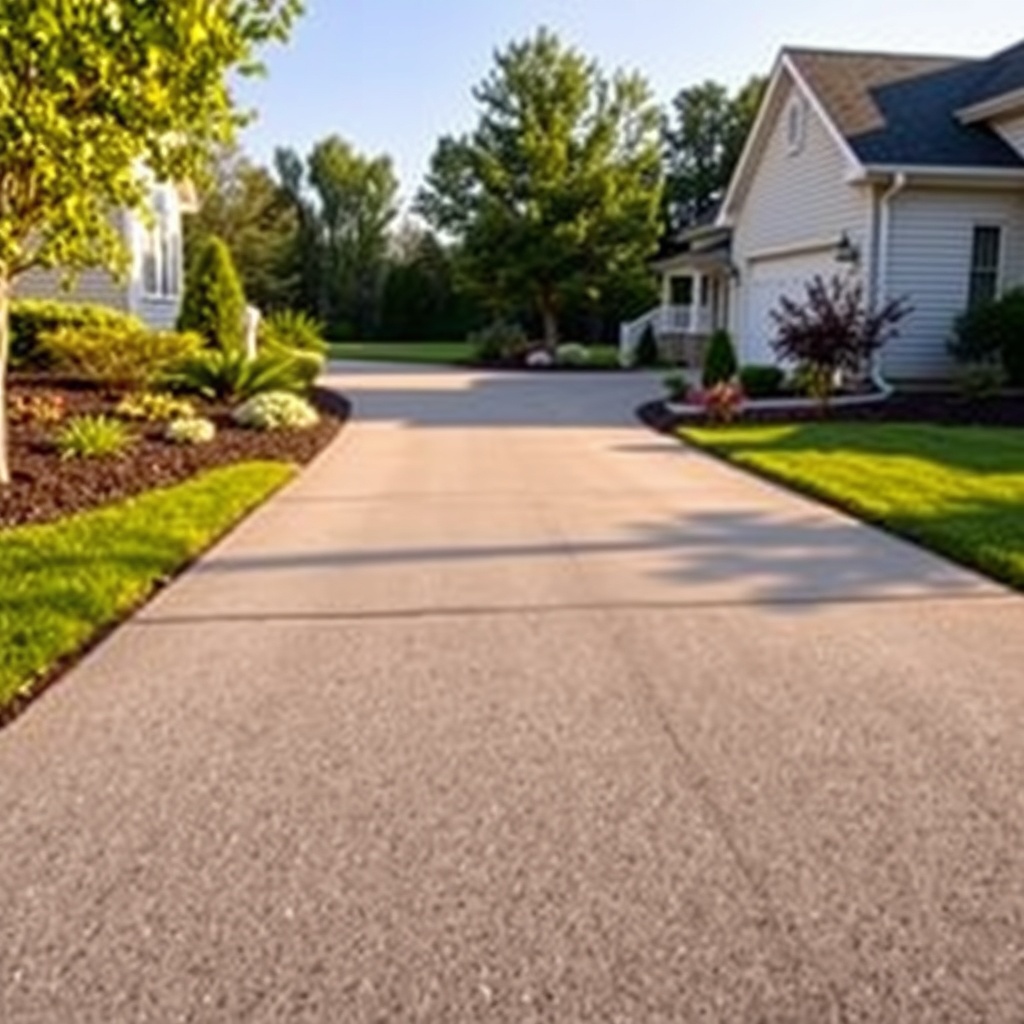
When it comes to maintaining your home, proper driveway grading and drainage shouldn’t be overlooked. You may not realize it, but how you manage water around your driveway considerably impacts its longevity.
Water pooling or flowing improperly can lead to cracks, erosion, and eventually costly repairs. By ensuring your driveway is graded correctly, you promote effective water management, directing rainwater away from the surface.
This not only protects your driveway but also prevents water from seeping into your home’s foundation, which can lead to bigger issues down the line. A well-graded driveway allows for smooth vehicle access and enhances your home’s curb appeal.
Think of it as an investment; the better your drainage system, the longer your driveway lasts. So, take the time to assess your grading and drainage; it’s worth it for the durability and safety of your property.
Assessing Your Current Driveway Condition
Before you make any upgrades, it’s vital to assess your driveway’s current condition.
Start with a visual inspection to spot any cracks, uneven surfaces, or drainage issues.
Identifying these problems early can save you time and money down the road.
Visual Inspection Techniques
To guarantee your driveway remains in good condition, you’ll want to regularly perform a visual inspection.
Start by creating an inspection checklist to guide you through the process. Look for visual cues like cracks, potholes, or uneven surfaces that could indicate underlying issues. Pay attention to the edges, where wear and tear often occurs.
Examine the overall surface for any signs of shifting or settling, and check for vegetation encroaching on the driveway. If you spot any drainage problems, make a note of them for future assessment.
Identifying Drainage Issues
Regular visual inspections help you spot potential issues, but identifying drainage problems is a vital next step in evaluating your driveway’s condition. Look for standing water, which can indicate poor drainage. Cracks and erosion may signal that grading techniques need adjustment.
Here’s a quick reference table to help you identify common drainage issues:
| Issue | Signs | Possible Solutions |
| Standing Water | Puddles after rain | Improve grading techniques |
| Erosion | Soil washout around edges | Install drainage solutions |
| Cracks | Visible splits in surface | Fill and regrade |
| Clogged Drains | Slow water flow | Clear debris and sediment |
Addressing these issues promptly can prevent costly repairs and maintain your driveway’s integrity.
Essential Tools for Driveway Grading and Drainage
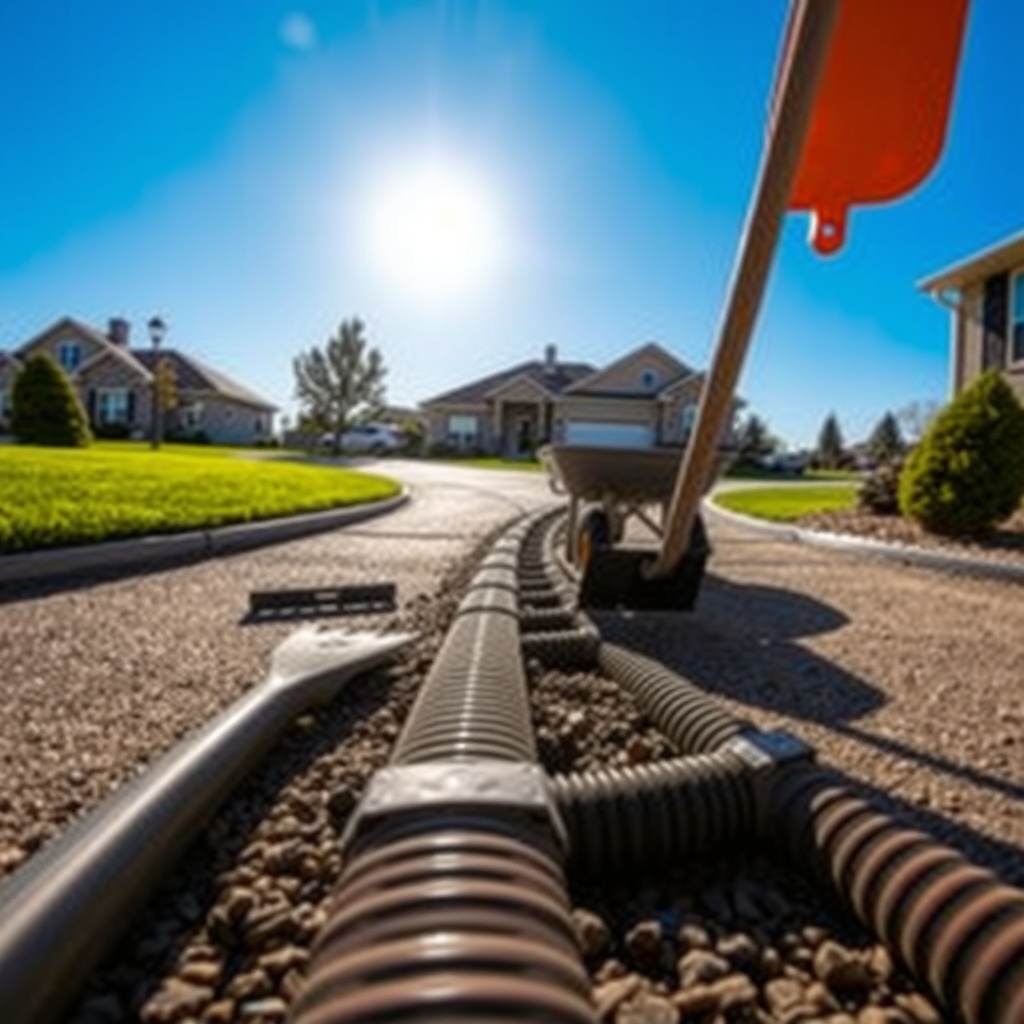
Setting up for driveway grading and drainage requires the right tools to guarantee efficiency and effectiveness. Selecting appropriate equipment not only streamlines your process but also enhances your grading techniques and drainage solutions.
Here are some essential tools you’ll need:
- Grader Blade or Box Scraper: This helps achieve a uniform surface and correct slope.
- Shovel and Rake: Handy for moving soil and leveling out areas where precision is necessary.
- Drainage Pipe: Vital for redirecting water away from your driveway to prevent erosion.
Having these tools at your disposal makes it easier to implement effective grading techniques and find suitable drainage solutions.
Step-by-Step Guide to Driveway Grading
Now that you’ve gathered your tools, it’s time to assess your driveway’s condition.
Understanding the existing issues will help you choose the right grading techniques.
Let’s walk through the steps to guarantee proper drainage and a smooth surface.
Assessing Driveway Conditions
Evaluating the condition of your driveway is crucial for effective grading and drainage. Start by inspecting the surface and identifying any issues that could affect the grading process.
Pay attention to factors like:
- Cracks or potholes in the driveway materials
- Areas where water pools after rain
- The overall slope and alignment of your driveway
Understanding these issues helps determine your grading frequency. If you notice significant wear, you might need to grade more often.
Additionally, consider the type of driveway materials you have, as some require more maintenance than others.
Tools and Equipment Needed
When tackling driveway grading, you’ll need a few essential tools and pieces of equipment to guarantee a smooth and effective process. Having the right tools not only simplifies your task but also assures your grading materials are applied correctly for ideal drainage solutions.
| Tools | Purpose |
| Grader or Rake | For leveling and smoothing the surface |
| Shovel and Wheelbarrow | For moving grading materials |
| Compactor | To compact soil and improve stability |
With these tools in hand, you’ll feel more confident in transforming your driveway. A proper grading setup will enhance drainage and prevent future issues, making your hard work truly worthwhile.
Grading Techniques Explained
Grading your driveway involves a series of straightforward steps that ensure ideal drainage and a smooth surface. To achieve this, you’ll need to regard various grading techniques, focusing on the right compaction methods and addressing slope variations.
- Assess the area: Start by determining the current slope and any low spots that can trap water.
- Excavate and shape: Use a grader or similar tools to remove excess material, creating a gentle slope away from structures.
- Compact the surface: Implement proper compaction methods to guarantee the surface is stable and reduces future settling.
How Grading Affects Drainage Techniques
Effective grading is essential for optimizing drainage techniques in your driveway. When you apply proper grading techniques, you create a slope that encourages water to flow away from your driveway instead of pooling or flooding. This is vital for maintaining the integrity of your surface and preventing erosion.
By grading your driveway correctly, you enhance your drainage solutions, ensuring that rainwater is directed toward appropriate outlets like drainage ditches or storm drains.
It’s important to assess the natural slope of your land and adjust your grading accordingly.
Keep in mind that inadequate grading can lead to water accumulation, which may damage your driveway and surrounding landscaping.
Regularly check your grading to accommodate any changes in your landscape, ensuring that water flows efficiently.
With the right grading techniques, you’ll safeguard your driveway and improve your overall drainage effectiveness.
Top Driveway Issues and Effective Solutions
Driveways can face several common issues that, if left unaddressed, might worsen over time. One of the most frequent problems is the formation of potholes, which can lead to more extensive damage.
Regular pothole repair is essential to maintain a safe surface for vehicles.
Regularly addressing potholes is crucial for ensuring a safe driving experience and prolonging your driveway’s lifespan.
Here are some common issues and their solutions:
- Cracks in the surface: Fill these with an appropriate sealant to prevent water infiltration.
- Poor drainage: Guarantee the grading directs water away from the driveway, reducing erosion and pooling.
- Surface material deterioration: Assess the condition of your surface materials; consider resurfacing or replacing them if they’re considerably worn.
Tips to Keep Your Driveway in Great Shape
Keeping your driveway in great shape doesn’t have to be an intimidating task. Start with preventive maintenance; regular inspections can help you catch cracks or uneven areas before they worsen. Fill small cracks promptly with a sealant to prevent water damage.
Seasonal care is essential too. In spring, clear debris and check for pooling water, which can indicate drainage issues. During winter, shovel snow promptly to avoid ice buildup. Use a snowblower or a shovel rather than salt to protect your driveway’s surface.
In the summer, consider resealing your asphalt every couple of years to extend its lifespan. Additionally, keep the edges clear of grass and weeds to maintain a tidy appearance.
When Should You Call in the Professionals?
When do you know it’s time to call in the professionals for your driveway issues? If you’re facing persistent problems, it might be best to seek expert help.
Professional grading and drainage solutions can save you time and prevent further damage. Here are some signs that indicate it’s time to reach out:
- Recurring water pooling: If rainwater consistently collects in specific areas, it’s a sign that your drainage isn’t working.
- Cracks or uneven surfaces: Large cracks or a noticeably uneven driveway can lead to bigger issues, making professional intervention necessary.
- Soil erosion: If you notice soil washing away around your driveway, it can destabilize the structure and needs immediate attention.
Don’t hesitate to call in the experts when these issues arise. They’ll guarantee your driveway is both functional and durable, providing you with peace of mind.
Improving Your Driveway’s Appearance
While enhancing your driveway’s appearance may seem challenging, small changes can make a big impact. Start by focusing on driveway aesthetics. A well-maintained surface not only looks good but also adds value to your property.
Consider adding decorative elements, like edging or borders, to define your driveway’s shape.
Next, explore different surface textures. If you have a concrete driveway, you might think about staining or stamping it for a more stylish look. For gravel driveways, regularly raking and leveling the stones will keep them looking fresh.
Lastly, maintaining proper drainage is essential. If water pools on your driveway, it can lead to unsightly stains and damage over time.
Frequently Asked Questions
How Long Does Driveway Grading Typically Take?
Driveway grading usually takes one to two days, depending on grading techniques and weather considerations. If the ground’s too wet or dry, it might extend the time, so plan accordingly for best results.
Can I Do Driveway Grading in Winter?
You can do driveway grading in winter, but it’s tricky. Snow removal needs to happen first, and frozen ground can complicate the process. Plan carefully to guarantee effective grading despite the winter conditions.
What Materials Are Best for Driveway Drainage?
For effective driveway drainage solutions, you’ll want to use gravel types like crushed stone or river rock. They promote water flow and prevent pooling, ensuring your driveway stays functional and safe during rain or snow.
Will Grading Affect My Landscaping?
Yes, grading can impact your landscaping. By improving soil stability, it helps protect your landscape from erosion and water pooling. Properly done, it enhances both aesthetics and functionality, ensuring your plants thrive in a stable environment.
How Often Should I Grade My Driveway?
You should grade your driveway every one to three years, depending on usage and weather conditions. Regular grading frequency helps maintain a smooth surface and prevents drainage issues, enhancing overall driveway maintenance and longevity.
Final Thoughts
Proper driveway grading and drainage is one of the smartest ways to protect your pavement investment, prevent premature cracking and washouts, and keep your property looking its best. When water consistently pools, the surface starts to settle, or erosion shows up along the edges, addressing the slope and drainage path early can help you avoid bigger repairs later and extend the life of your driveway.
At Parkway Paving LLC, we help homeowners and property managers correct drainage problems and restore a stable, long-lasting surface with solutions tailored to the condition of your pavement—whether that’s improving performance through asphalt resurfacing, building a stronger foundation with asphalt driveway paving, or protecting your investment with asphalt sealcoating. If you’re seeing water pooling, cracking, or surface deterioration, we’re ready to help you choose the right next step.
For an on-site evaluation and a clear recommendation, reach out today: Contact Parkway Paving LLC.