
You should renew your pavement every 15 to 20 years, but regular maintenance is key to protecting your property’s safety and value. Conduct yearly inspections to catch any issues early, like widening cracks or potholes. Proper drainage solutions also play an essential role in extending lifespan. It’s smart to weigh your options between DIY fixes and professional help for larger projects. There’s more to learn about how to keep your pavement in top shape.
Key Takeaways
- Renew pavement every 15-20 years, depending on usage and environmental conditions to maintain safety and aesthetics.
- Conduct yearly inspections to identify wear and determine when renewal is necessary based on visible damage.
- Look for signs like widening cracks, potholes, and pooling water to decide on timely renewal.
- Establish a maintenance schedule for early detection of issues to prolong pavement lifespan and reduce costs.
- Engage professionals for significant repairs or renewals to ensure quality and access to better materials.
Why Pavement Maintenance Matters for Your Property
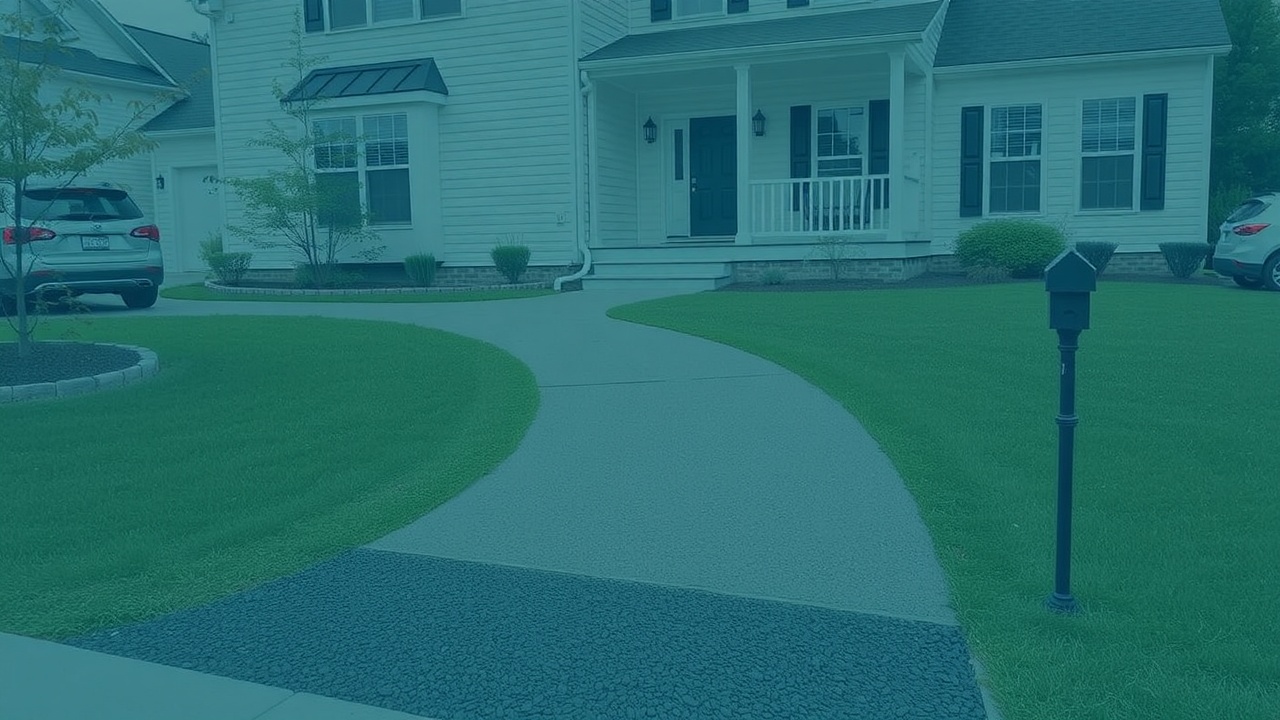
Pavement maintenance is essential for preserving the value and safety of your property. Regular upkeep not only boosts pavement durability but also enhances the overall aesthetic appeal. When your pavement looks good, it reflects well on you and can attract potential buyers or tenants.
Neglecting maintenance can lead to cracks and potholes, which detract from your property’s charm and can even decrease its value.
Additionally, consider the environmental impact of your pavement. Well-maintained surfaces help minimize water runoff and reduce erosion, contributing to a healthier ecosystem.
By ensuring your pavement is in top shape, you’re not just protecting your investment; you’re also doing your part for the environment.
Ultimately, effective pavement maintenance combines practicality with responsibility, ensuring your property remains safe, appealing, and valuable for years to come.
How to Assess Your Pavement Effectively
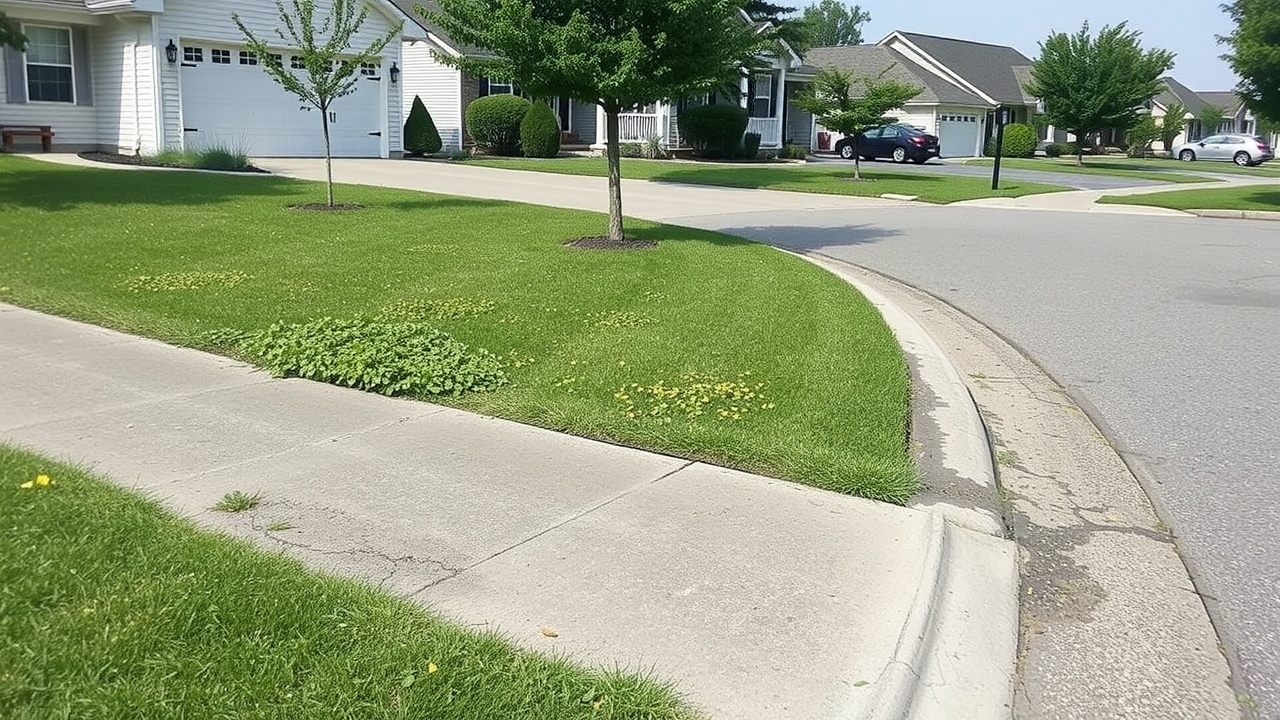
Regular maintenance is only effective if you know how to assess your pavement’s condition. Understanding the state of your pavement can save you money and extend its lifespan.
Regular maintenance ensures longevity, but first, accurately assessing your pavement’s condition is crucial for effective repairs.
Here are some essential pavement assessment techniques you can use:
- Visual Inspection: Walk around to check for cracks, potholes, or uneven surfaces. This initial look can reveal significant issues.
- Surface Condition Evaluation: Use a simple rating scale (1-5) to gauge the severity of any damage. This helps prioritize repairs.
- Moisture Testing: Check for signs of water pooling or drainage issues, which can compromise your pavement’s integrity.
Signs Your Pavement Needs Renewal
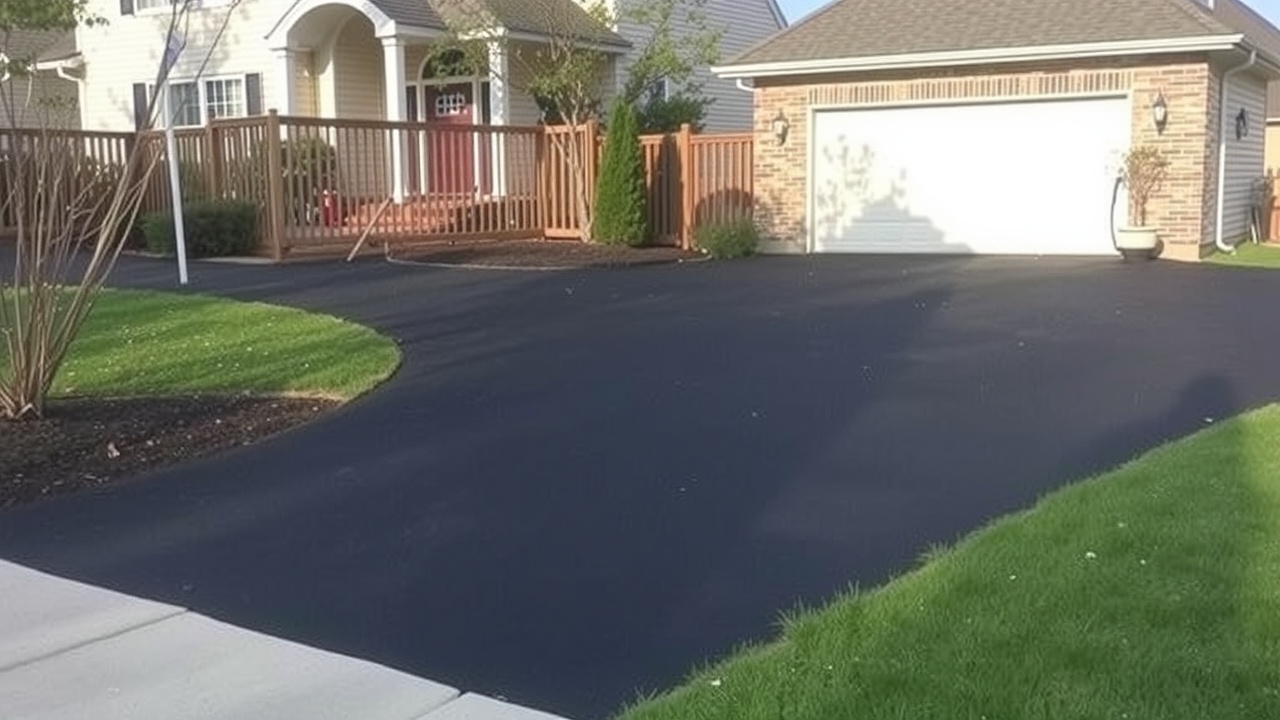
When you notice cracks widening or potholes forming, it’s a clear sign your pavement needs renewal. These issues can escalate quickly, leading to more significant damage if not addressed.
Small cracks can often be treated with crack sealing, but if they’re spreading, it might be time to contemplate a more thorough renewal.
Surface sealing is another key indicator; if your pavement’s surface looks faded or worn, it’s likely losing protective oils. This can expose the underlying material to further deterioration.
Additionally, if you see pooling water or uneven surfaces, your pavement’s integrity is at risk.
Regular inspections can help you catch these signs early, allowing for timely interventions. Ignoring these warning signs can lead to costly repairs down the line, so stay proactive in maintaining your pavement’s health.
How Weather Affects Your Pavement?
As weather conditions fluctuate, your pavement’s durability can be considerably impacted. Understanding how various weather patterns affect your pavement helps you maintain it better.
Here are some key factors to take into account:
- Temperature fluctuations: Extreme changes can cause cracks and surface damage, especially when it’s hot one day and cold the next.
- Precipitation impact: Rain, snow, or ice can erode the surface and seep into cracks, leading to further deterioration.
- Freeze thaw cycles: When water freezes and thaws, it expands and contracts, which can cause significant structural issues.
Pavement Types and Maintenance Cycles
Understanding how weather affects your pavement paves the way for better maintenance practices tailored to different pavement types.
If you’ve got asphalt, focus on its longevity. Regular sealing can prevent cracks and extend its life, especially after harsh weather. You should aim to seal an asphalt surface every 3 to 5 years, depending on usage and climate.
On the other hand, concrete requires a different approach. Concrete sealing is essential to protect against moisture and freeze-thaw cycles.
You’ll want to seal your concrete every 3 to 5 years as well, but keep an eye out for surface wear.
Affordable Techniques for Effective Pavement Maintenance
Maintaining your pavement doesn’t have to break the bank. With a few affordable techniques, you can keep your surface in top shape without overspending.
Maintaining your pavement is budget-friendly with simple, cost-effective techniques to keep it looking great.
Here are some effective strategies:
- Sealcoating: This provides a protective layer that shields against UV rays and moisture. The sealcoating benefits include extending the lifespan of your pavement and enhancing its appearance.
- Crack filling: Don’t let small cracks turn into big problems. Filling them promptly prevents water intrusion, which can lead to more severe damage.
- Regular cleaning: Simple tasks like sweeping and clearing debris help maintain your pavement’s integrity, reducing wear over time.
The Importance of Regular Inspections
Regular inspections play an essential role in prolonging the life of your pavement. By routinely evaluating its condition, you can catch small issues before they escalate into costly repairs.
Utilizing effective pavement inspection techniques, like visual evaluations and core sampling, helps identify cracks, potholes, and surface wear.
These inspections provide a clear picture of your pavement’s health, allowing you to implement proactive maintenance strategies tailored to its specific needs. For instance, if you notice minor cracking during an inspection, sealing those cracks early can prevent moisture infiltration and further damage.
Staying ahead of maintenance needs not only saves you money in the long run but also guarantees safety for users.
Regular inspections are your best ally in maintaining a smooth, durable surface that stands the test of time. So, make it a priority to schedule these inspections and keep your pavement in top shape.
When to Schedule Your Pavement Renewal?
When should you think about renewing your pavement? Timing your pavement renewal can greatly impact its lifespan and performance. Here are some key points to reflect on for determining your renewal frequency:
- Visible Damage: If you notice cracks, potholes, or fading, it’s time to act. These issues can worsen quickly and lead to more costly repairs.
- Age of Pavement: Most pavements have a lifespan of 15-20 years. If yours is nearing this age, plan for renewal to maintain safety and aesthetics.
- Regular Inspections: Conduct yearly inspections to assess the condition of your pavement. Early detection of wear can help you schedule renewals before severe damage occurs.
DIY vs. Hiring Professionals for Pavement Renewal
Deciding whether to tackle pavement renewal yourself or hire a professional can be intimidating, especially if you’re unsure about the scope of the work involved.
DIY techniques can save you money, but consider the skill requirements and material choices. If you’re comfortable with tools and have time, you might find satisfaction in a DIY project. However, the project timelines can stretch if unexpected issues arise.
DIY techniques can be cost-effective, but weigh your skills and time against potential delays from unexpected challenges.
On the other hand, professional services offer expertise and efficiency, ensuring the job is done correctly and quickly.
While there’s a cost comparison to weigh, hiring experts might save you from costly mistakes. Professionals typically have access to better materials and equipment, which can enhance durability.
Ultimately, think about your budget, skills, and how much time you can commit. Balancing these factors will help you decide whether to go the DIY route or call in the pros for your pavement renewal.
Best Practices for Extending Your Pavement’s Lifespan
To keep your pavement in top shape, you need a regular maintenance schedule.
Don’t underestimate the importance of proper drainage solutions, as they can prevent costly damage.
Regular Maintenance Schedule
Regular maintenance is essential for extending your pavement’s lifespan, as neglect can lead to costly repairs down the line.
To keep your pavement in top shape, it’s important to establish a regular maintenance schedule. Here are some best practices to take into account:
- Inspect regularly: Check for cracks or surface damage every few months to catch issues early.
- Sealcoat periodically: Apply sealant every 2-3 years to protect against weather and wear.
- Clean regularly: Remove debris and dirt to prevent staining and deterioration.
Proper Drainage Solutions
Neglecting proper drainage can undermine even the best-maintained pavement. To extend your pavement’s lifespan, you need effective drainage systems in place.
Start by evaluating your property’s topography to guarantee water flows away from the pavement. Installing French drains or channel drains can help manage excess water, preventing pooling that leads to cracks and deterioration.
Regularly inspect your drainage systems for blockages, and clear debris that can hinder water management. Additionally, consider permeable pavement options that allow water to seep through, reducing surface runoff.
Preparing for Your Pavement Renewal Project
Before diving into your pavement renewal project, it’s essential to assess the current state of your surface. Proper pavement preparation is key to guaranteeing a successful outcome.
Start by identifying any cracks, potholes, or drainage issues that need addressing. This helps you plan effectively.
Identify cracks, potholes, and drainage issues early on to ensure effective planning for your pavement renewal project.
Here’s what you should consider during project planning:
- Conduct a thorough inspection: Look for damage and wear that might affect the renewal process.
- Gather necessary tools and materials: Make sure you have everything you need, from sealants to paving equipment.
- Create a timeline: Establish a clear schedule to minimize disruptions and guarantee efficient work.
Frequently Asked Questions
How Do I Choose the Right Pavement Material for My Project?
To choose the right pavement material, consider your project’s needs. Compare material durability, costs, and maintenance requirements. You’ll find that asphalt offers flexibility, while concrete provides longevity—each option has its benefits to suit your goals.
Can I Renew My Pavement in Winter Months?
Yes, you can renew your pavement in winter months, but consider temperature and moisture levels. Cold conditions may affect curing, potentially reducing pavement longevity. Always consult professionals to guarantee ideal results during winter considerations.
What Are the Costs Associated With Pavement Renewal?
Pavement renewal costs vary based on lifespan and maintenance frequency. Typically, you might spend anywhere from $1 to $5 per square foot. Regular inspections and timely maintenance can help reduce overall expenses in the long run.
How Long Does Pavement Renewal Typically Take?
Pavement renewal typically takes one to three days, depending on the project size. With proper maintenance frequency, you can extend your pavement lifespan, ensuring smoother surfaces and fewer costly repairs in the long run.
Are There Eco-Friendly Options for Pavement Maintenance?
Yes, there are eco-friendly options for pavement maintenance. By using sustainable materials and innovative maintenance techniques, you can reduce environmental impact while enjoying cost benefits. It’s a smart choice for both your budget and the planet.
Final Thoughts
Renewing your pavement at the right time is essential for protecting your property’s safety, appearance, and long-term value. While most pavements last between 15 and 20 years, regular inspections, timely maintenance, and proper drainage can significantly extend that lifespan. Addressing cracks, surface wear, and drainage issues early helps you avoid costly repairs and keeps your pavement performing as it should.
If you’re unsure whether your pavement needs maintenance, resurfacing, or full renewal, Parkway Paving LLC can help you evaluate your options and choose the most cost-effective solution. Learn more about our experience on our About Us page, explore our professional Asphalt Resurfacing and Asphalt Sealcoating services, or review our specialized Residential Asphalt Paving and Commercial Asphalt Paving solutions.
When you’re ready to plan your pavement renewal, visit our Contact page to request a quote or schedule a consultation. Parkway Paving LLC is ready to help you protect your investment with pavement solutions built to last.