
If you want to maintain your pavement, effective grading and drainage are essential. Start by directing water flow away from surfaces with proper slopes and surface drainage systems. Consider using French drains and erosion control materials to prevent water pooling. Subsurface barriers can also protect your pavement from infiltration. Regular maintenance is vital to keep systems functioning well. Stick around to uncover more innovative solutions and guarantee your pavement lasts longer!
Key Takeaways
- Implement proper grading techniques to direct water flow away from pavement surfaces, enhancing durability and preventing erosion.
- Utilize high-quality drainage materials to improve soil permeability and minimize clogging risks, ensuring effective water management.
- Establish effective surface and subsurface drainage systems, including trench systems and drainage mats, to channel excess water efficiently.
- Regularly inspect and maintain grading and drainage systems to prevent blockages and ensure optimal performance over time.
- Consider professional grading services for expert installation, guaranteeing accurate slopes and long-term pavement integrity.
How Poor Grading and Drainage Damage Pavements?
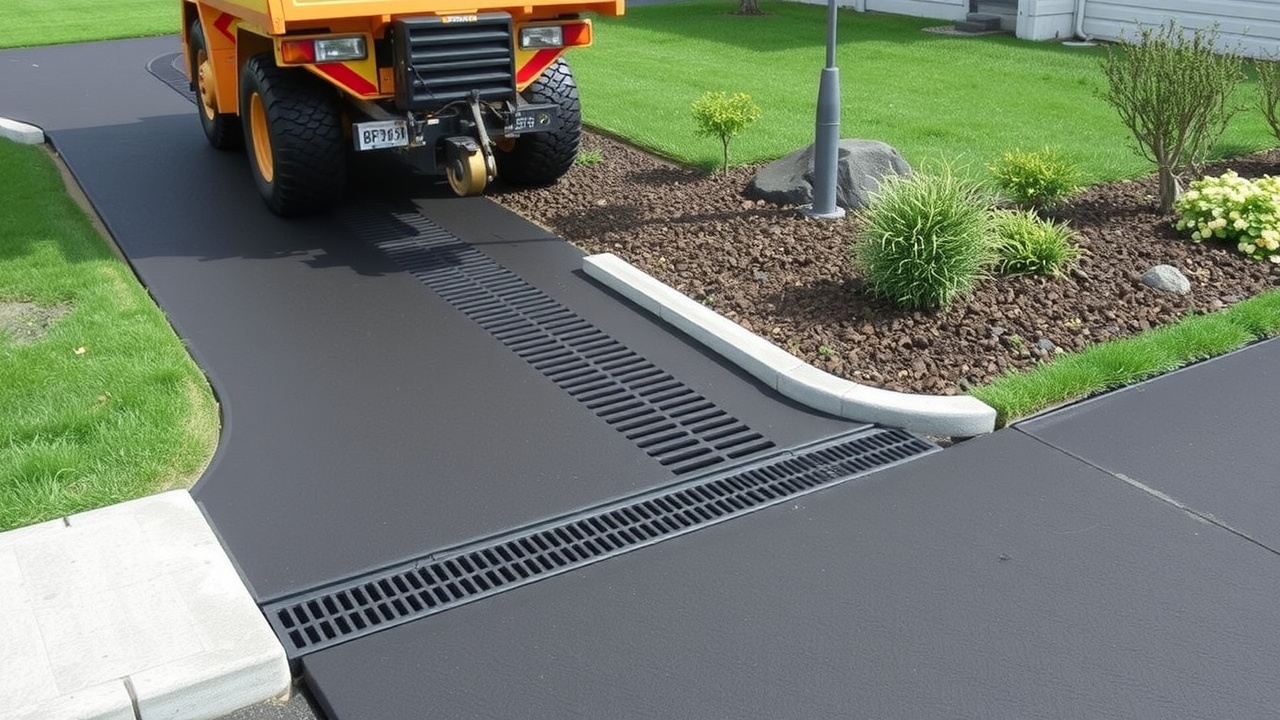
When you neglect proper grading and drainage, you risk serious damage to your pavements. Poor grading can lead to water pooling, creating excessive moisture that seeps into the pavement structure. This moisture management issue weakens the materials, accelerating deterioration and reducing your pavement lifespan.
As water infiltrates cracks and pores, it expands during freezing temperatures, causing further damage.
Additionally, inadequate drainage can result in erosion, which compromises the stability of your pavement. You might notice uneven surfaces or cracks developing over time, leading to costly repairs.
When rainwater isn’t directed away properly, the overall integrity of the pavement suffers, making it more susceptible to wear and tear.
To guarantee your pavements last longer, prioritize effective grading and drainage solutions. Addressing these issues early can save you time and money while enhancing the durability of your surfaces.
The Basics of Pavement Grading and Surface Drainage
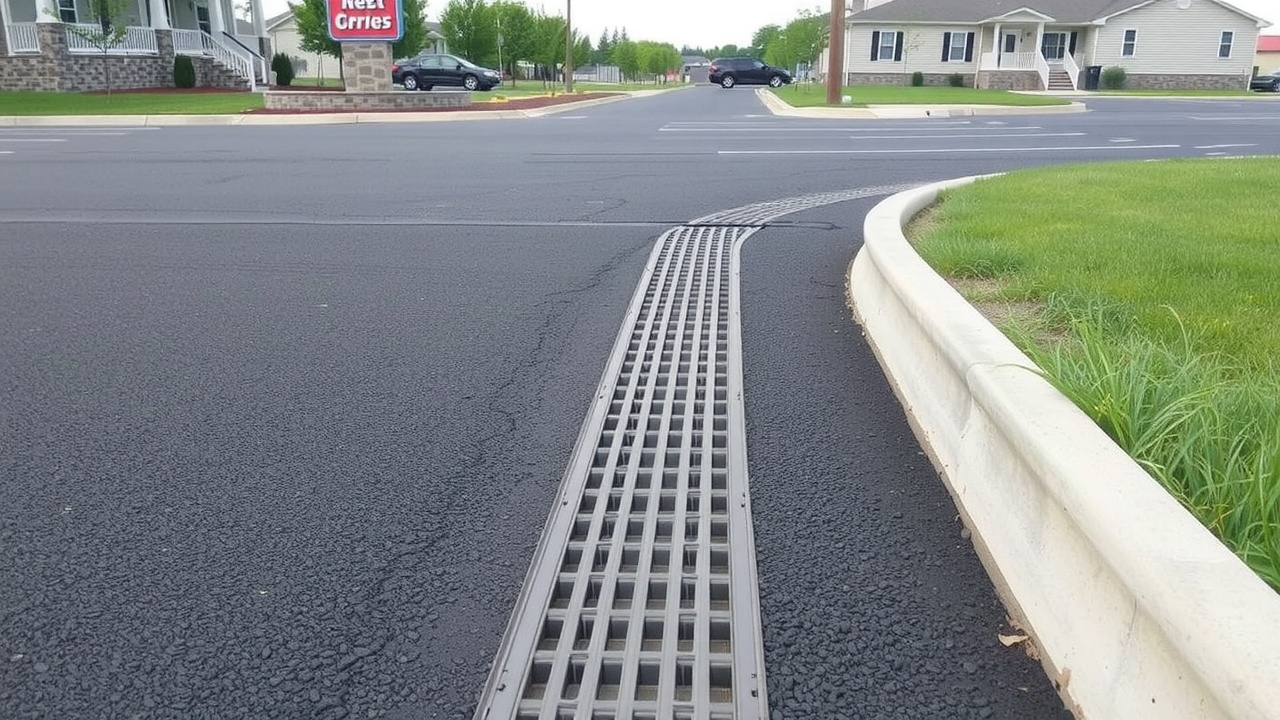
Understanding the basics of pavement grading and surface drainage is vital for maintaining your pavements effectively. Proper grading guarantees that water flow is directed away from the surface, preventing damage over time.
You’ll want to take into account various soil types when planning your grading; different soils affect drainage patterns markedly.
Using the right grading tools is essential for achieving the desired slope design. A well-designed slope helps manage water flow and can enhance the surface texture of your pavement.
Choose appropriate pavement materials that complement your grading efforts, as this can improve durability.
Incorporating effective construction methods can also optimize drainage, assuring that your pavement stands the test of time.
The Role of Surface Drainage Systems
Surface drainage systems play an essential role in safeguarding your pavement from water damage. By effectively managing surface runoff, these systems help prevent issues like water pooling, which can lead to costly repairs.
When designing your drainage, consider the following:
- Grading Patterns: Proper slope design guarantees water flows away from your pavement.
- Drainage Capacity: Select drainage materials that can handle anticipated rainfall and maintain ideal infiltration rates.
- Erosion Control: Implement strategies to minimize soil composition erosion and maintain structural integrity.
Top Subsurface Drainage Techniques for Pavements
Effective subsurface drainage techniques are crucial for maintaining the longevity of your pavements. One popular method involves trench systems, which effectively channel excess water away from the surface. By using appropriate drainage materials, you can enhance soil permeability and reduce water retention, preventing damage.
Incorporating subsurface barriers can also be beneficial; they block water from infiltrating areas where it can weaken the pavement structure. Additionally, drainage mats can be installed to facilitate efficient water flow, guaranteeing that moisture doesn’t accumulate beneath the surface.
Always follow proper grading standards during installation procedures to optimize drainage performance. This guarantees that water moves away from your pavement, minimizing the risk of erosion and structural issues.
Using French Drains for Better Water Flow
When it comes to enhancing drainage systems, French drains stand out as a reliable solution for managing water flow around pavements. These trenches filled with gravel and a perforated pipe effectively redirect excess water, preventing pooling and erosion.
Here are some key French Drainage Benefits you’ll enjoy:
- Improved water flow: Keeps pavements dry and functional.
- Reduced erosion: Protects soil integrity around your property.
- Longevity of pavements: Minimizes cracking and damage from water exposure.
For successful installation, follow these Installation Tips:
- Choose the right location: Identify areas where water accumulates and dig accordingly.
- Ensure proper slope: Aim for a gradient of at least 1% to facilitate drainage.
- Cover with gravel: Use a mix of coarse and fine gravel for ideal filtration.
How Catch Basins Improve Pavement Drainage
While many drainage solutions exist, catch basins offer a straightforward way to enhance pavement drainage. These systems effectively collect surface water, preventing pooling and potential damage to your pavement.
You’ll find various catch basin types, each designed to suit specific drainage needs. For instance, some are ideal for heavy rainfall, while others manage smaller water flows.
The installation benefits of catch basins are significant. They not only redirect water away from your pavement but also reduce erosion and improve overall site drainage.
By choosing the right type and properly installing it, you can guarantee long-term performance and durability. Additionally, catch basins can be integrated with other drainage solutions, creating a thorough system that promotes efficient water management.
How to Prevent Erosion Through Grading
To prevent erosion, you need to focus on effective grading techniques that direct water away from vulnerable areas.
Proper drainage design is essential in managing runoff and minimizing soil displacement.
Don’t forget that regular maintenance practices can help you keep your grading system in top shape.
Effective Grading Techniques
Effective grading techniques play an essential role in preventing erosion and maintaining the integrity of your pavement. By implementing the right grading methods, you can effectively redirect water flow and minimize soil displacement.
Here are some key strategies to take into account:
- Establish proper slopes: Guarantee a consistent slope away from pavements to facilitate drainage and reduce pooling.
- Utilize drainage materials: Incorporate gravel or permeable pavers to enhance water absorption and prevent runoff.
- Regular maintenance: Regularly check and maintain graded areas to prevent settling and erosion over time.
Proper Drainage Design
When designing proper drainage, understanding how grading can prevent erosion is essential. Start by evaluating the land’s natural slope. Use grading tools to create a slight incline that directs water away from pavements. This helps prevent pooling and reduces erosion risk.
Incorporating effective drainage materials, like gravel or perforated pipes, enhances water flow and keeps surfaces stable. You should also consider the soil type; certain materials absorb water better, aiding in drainage.
Regularly inspect your grading to guarantee it remains effective, especially after heavy rains. By prioritizing these design elements, you can greatly reduce erosion, prolonging the life of your pavements while maintaining a safe and functional environment.
Regular Maintenance Practices
Maintaining proper grading is key to preventing erosion and ensuring your pavements stay in good shape over time.
Regular pavement inspections and seasonal adjustments help identify potential issues before they escalate. Here are some effective practices to incorporate into your routine:
- Inspect grading regularly: Check for any shifts or settling that may lead to erosion.
- Adjust for seasonal changes: Prepare for heavy rain or snow by modifying slopes and drainage paths.
- Clear debris promptly: Remove leaves, dirt, and other materials that can block water flow and compromise grading.
Permeable Pavement: An Eco-Friendly Solution
Permeable pavement offers a sustainable alternative to traditional surfaces, allowing rainwater to filter through and recharge groundwater supplies. This eco-friendly solution utilizes sustainable materials that enhance urban environments while promoting rainwater harvesting. By implementing permeable pavement, you can reduce stormwater runoff, minimize flooding, and improve water quality.
Here’s a quick comparison of permeable pavement benefits:
| Feature | Benefits | Considerations |
| Water Management | Filters rainwater effectively | Requires proper installation |
| Eco-Friendly | Reduces heat and improves habitats | May need occasional maintenance |
| Cost-Effective | Long-term savings on drainage | Initial installation costs can vary |
Incorporating permeable pavement not only enhances your property but also contributes to a healthier ecosystem. Consider this sustainable choice for your next paving project!
Why Regular Drainage Maintenance Matters?
Regular drainage maintenance plays an essential role in ensuring the effectiveness of your pavement solutions.
Keeping your drainage systems in top shape prevents water accumulation and protects the integrity of your pavements. Skipping maintenance can lead to costly repairs down the line.
Here are three key reasons why you should stick to your maintenance schedules:
- Preventing Erosion: Regular checks help avoid soil erosion, which can undermine pavements.
- Enhancing Longevity: Well-maintained drainage systems extend the life of your pavements, saving you money in the long run.
- Improving Safety: Efficient drainage reduces standing water, minimizing slip hazards for pedestrians and vehicles.
Investing in Professional Grading and Drainage Services
When you invest in professional grading and drainage services, you’re setting your pavement up for enhanced long-term durability.
This proactive approach not only prevents water damage but also guarantees that the work is done right by experienced experts.
Ultimately, it’s about protecting your investment and ensuring your pavement stands the test of time.
Enhanced Long-Term Durability
Investing in professional grading and drainage services can greatly enhance the long-term durability of your pavement. By utilizing advanced grading technology and high-quality drainage materials, you can guarantee a solid foundation that withstands the test of time.
Here’s how these services help:
- Proper Water Flow: Adequate grading directs water away from your pavement, reducing erosion and wear.
- Quality Materials: Using durable drainage materials minimizes the risk of clogging and damage, promoting longevity.
- Expert Installation: Professionals guarantee accurate grading, which prevents settling and cracking over time.
When you prioritize these factors, you’re not just fixing immediate issues; you’re making a smart investment in your pavement’s future.
This proactive approach leads to fewer repairs and a smoother surface for years to come.
Preventing Water Damage
A solid foundation not only enhances durability but also plays a key role in preventing water damage. When you invest in professional grading and drainage services, you’re addressing issues like water pooling and surface runoff.
Proper grading techniques create effective drainage patterns, directing water away from your pavement. This not only boosts soil stability but also minimizes water infiltration, which can undermine the structure over time.
Implementing erosion control measures further protects your investment by reducing soil loss. By focusing on these aspects, you can markedly extend your pavement lifespan, ensuring it remains safe and functional.
Don’t overlook the importance of a well-planned drainage system; it’s essential for long-term performance and peace of mind.
Professional Expertise Matters
While DIY solutions might seem cost-effective, relying on professional grading and drainage services guarantees your pavement receives the expertise it needs.
Professionals are equipped to tackle grading challenges and implement drainage innovations that you might overlook.
Consider the benefits of investing in expert services:
- Accurate Assessment: Professionals evaluate your site’s unique needs, ensuring proper grading and drainage systems.
- Effective Solutions: Experts use the latest technology and techniques to create long-lasting, effective solutions.
- Time and Cost Efficiency: Avoid costly mistakes and save time by relying on skilled professionals who know how to get it right the first time.
Investing in professional services not only protects your pavement but also enhances its longevity and performance.
Frequently Asked Questions
What Are the Signs of Poor Pavement Drainage?
You’ll notice signs of poor pavement drainage when you see water pooling, surface erosion, drainage obstructions, or excessive water retention. These issues can lead to further damage, so addressing them promptly is essential.
How Often Should Pavement Grading Be Inspected?
You should inspect pavement grading at least twice a year as part of your pavement maintenance routine. Regular grading frequency helps identify issues early, ensuring better drainage and prolonging the lifespan of your pavement.
Can DIY Grading Solutions Be Effective?
Yes, DIY grading solutions can be effective if you use proper grading tools and techniques. With careful planning and execution, you can create a well-drained surface that meets your needs and minimizes future issues.
What Materials Are Best for Drainage Systems?
Permeable pavers and drainage aggregates like gravel or crushed stone work best for drainage systems. They allow water to flow through, reducing runoff and promoting effective drainage, which helps maintain the integrity of your pavement.
How Does Climate Affect Drainage Needs?
Climate impacts drainage design considerably. In wetter areas, you’ll need robust systems to handle excess water, while drier climates may require less extensive solutions. Adjust your approach based on local rainfall patterns and temperature variations.
Final Thoughts
Proper grading and drainage are the foundation of long-lasting, high-performing pavements. By directing water away from paved surfaces, preventing erosion, and managing subsurface moisture, you can significantly reduce the risk of cracking, settlement, and premature pavement failure. Whether it’s surface grading, subsurface drainage systems, or eco-friendly solutions like permeable pavement, proactive planning and regular maintenance protect your investment and extend pavement life.
If you’re dealing with drainage issues or planning a new paving project, Parkway Paving LLC can help design and implement effective grading and drainage solutions tailored to your property. Learn more about our experience on the About Us page, explore our Commercial Asphalt Paving and Residential Asphalt Paving services, or see how long-term solutions like Asphalt Resurfacing can work alongside proper drainage to protect your pavement.
When you’re ready to address grading or drainage concerns, visit our Contact page to request a quote or schedule a consultation. Parkway Paving LLC is ready to help you build durable pavements that stand up to water, weather, and time.